Western Choker Necklace Trends 2026: Style Analysis
Explore 2026 western choker necklace trends, material grades, and styling frameworks. Master the Desert Noir aesthetic with our expert guide.

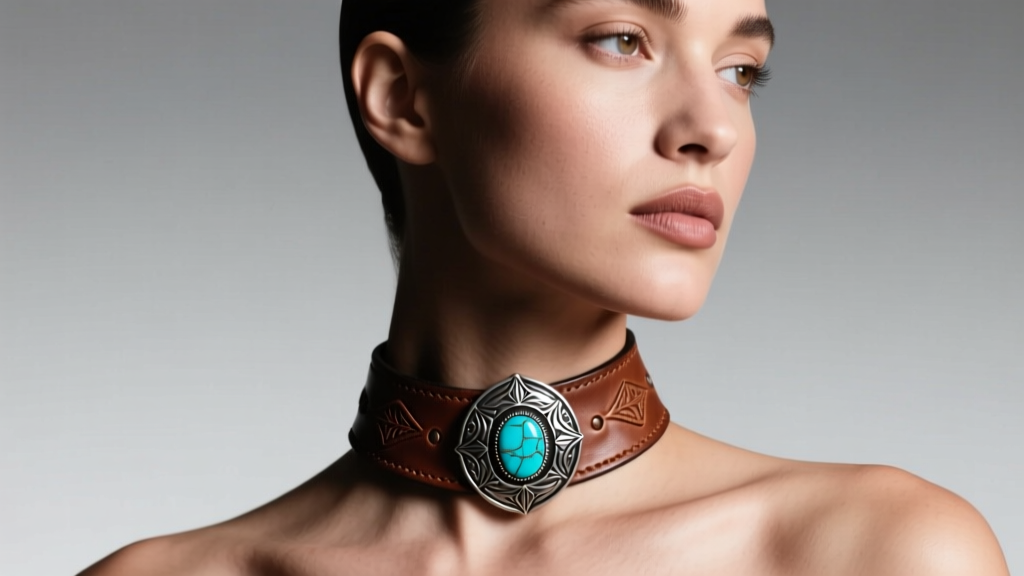
The 2026 Resurgence: High-Fashion Meets Heritage Americana
The western choker necklace has officially transcended its rustic, rodeo-adjacent origins to become a cornerstone of the 2026 "Desert Noir" and "Elevated Americana" aesthetics. No longer confined to costume wear or festival season, this silhouette has been reimagined by high-fashion houses and independent silversmiths alike. The modern iteration relies on architectural metalwork, ethically sourced stones, and precise leather tooling. According to Vogue's recent trend forecasting, the fusion of Y2K layering techniques with heritage Southwestern craftsmanship is driving a 40% year-over-year increase in searches for artisan-crafted western neckwear. This guide breaks down the exact materials, hardware mechanics, and styling frameworks you need to navigate this trend with authority.
Material Breakdown: What Defines an Authentic Western Choker?
To evaluate a western choker necklace, you must look past the surface design and scrutinize the base materials. The market is currently saturated with fast-fashion imitations, making material literacy essential for both collectors and everyday wearers.
Metals: 925 Sterling Silver vs. Brass Alloys
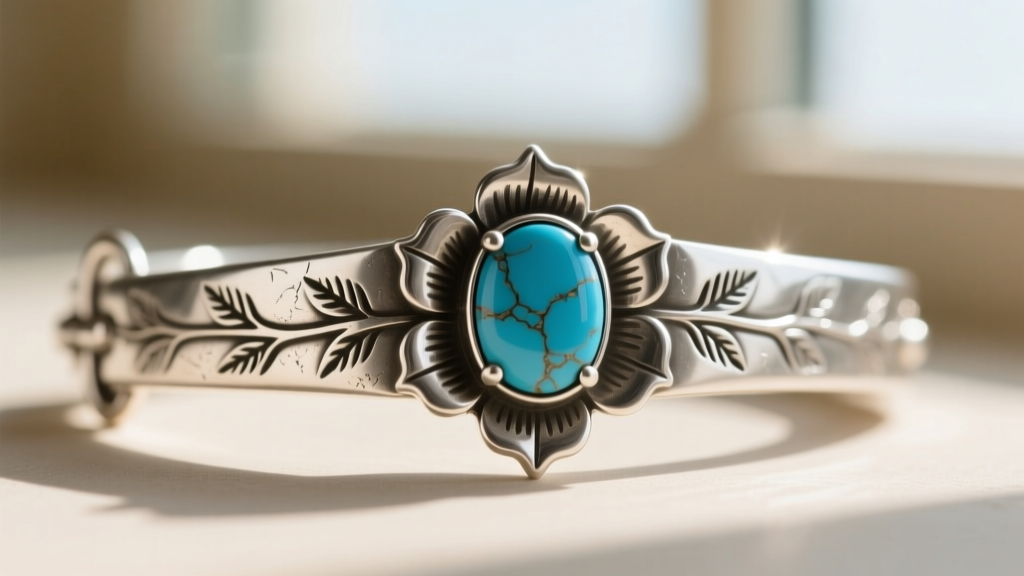
Authentic heritage pieces are stamped "925," indicating 92.5% pure silver mixed with copper for structural integrity. High-end artisan chokers often utilize 14-gauge to 16-gauge sterling silver for the conchos and sliders, providing a substantial, heirloom-quality weight. Conversely, mass-market brands frequently use brass or zinc alloys with a thin silver plating. These plated pieces will inevitably oxidize and flake when exposed to skin acidity and friction, typically failing within six months of daily wear.
Stones: Natural vs. Stabilized Turquoise
Turquoise remains the undisputed king of western jewelry, but not all cabochons are created equal. The Gemological Institute of America (GIA) notes that over 90% of turquoise on the market is "stabilized"—a process where porous, low-grade stone is infused with a clear epoxy resin to prevent cracking and enhance color. While natural, untreated stones (like those from the closed Sleeping Beauty mine) command premium prices upwards of $800, high-quality stabilized turquoise is actually more durable for daily-wear chokers, as it resists absorbing oils and lotions that can alter the stone's matrix over time.
Leather: Vegetable-Tanned vs. Chrome-Tanned
The band of the choker is just as critical as the hardware. Vegetable-tanned leather, crafted using natural tree bark tannins, is the gold standard. It is rigid enough to hold tooling patterns (like floral basket-weave or geometric stamping) and develops a rich, personalized patina over time. Chrome-tanned leather, while softer and cheaper, lacks the structural memory required to support heavy silver conchos without stretching out of shape.
Western Choker Material & Price Matrix
| Material Grade | Stone Type | Average Price Range | Best Use Case |
|---|---|---|---|
| Brass / Plated Alloy | Dyed Howlite / Resin | $25 - $65 | Occasional festival wear |
| 925 Sterling Silver | Stabilized Turquoise | $140 - $320 | Daily wear, high durability |
| Heavy Gauge 925 Silver | Natural Sleeping Beauty | $550 - $1,500+ | Heirloom investment, collecting |
Hardware & Mechanics: Beyond the Basic Clasp
The engineering of a western choker necklace dictates how it sits on the collarbone. Unlike standard chain necklaces, western chokers rely on specialized hardware to distribute weight and maintain tension.
- Concho Sizing: For a 14-inch to 15-inch choker, the central concho should ideally measure between 1.5 and 2.25 inches in diameter. Anything larger risks digging into the clavicle when the wearer looks down.
- Bolo Slider Integration: A major 2026 trend is the adaptation of bolo tie sliders onto choker bands. This allows the wearer to adjust the drop length dynamically, converting a strict choker into a 16-inch princess-length necklace on the fly.
- Closure Mechanics: Traditional snap closures (using heavy-duty line-24 snaps) are preferred for leather bands, offering a secure, flush finish. Adjustable braided tie-closures are reserved for softer materials like velvet or suede but lack the structural support for heavy silverwork.
For a deeper dive into traditional silversmithing techniques and hardware evolution, the National Cowboy & Western Heritage Museum maintains an extensive digital archive of historical clasps and stamping methods that continue to influence modern designers.
Neckline Pairing Framework for the Western Choker Necklace
Styling a western choker requires balancing the visual weight of the metalwork with the architecture of your garment. Here is a practical framework for 2026 silhouettes:
The Prairie Collar & High Neck
When wearing a high-neck blouse or a ruffled prairie collar, avoid wide leather bands. Opt for a slim 1/4-inch velvet or braided leather western choker necklace featuring a single, delicate silver slider. The choker should sit exactly at the base of the throat, acting as a visual anchor without competing with the garment's fabric volume.
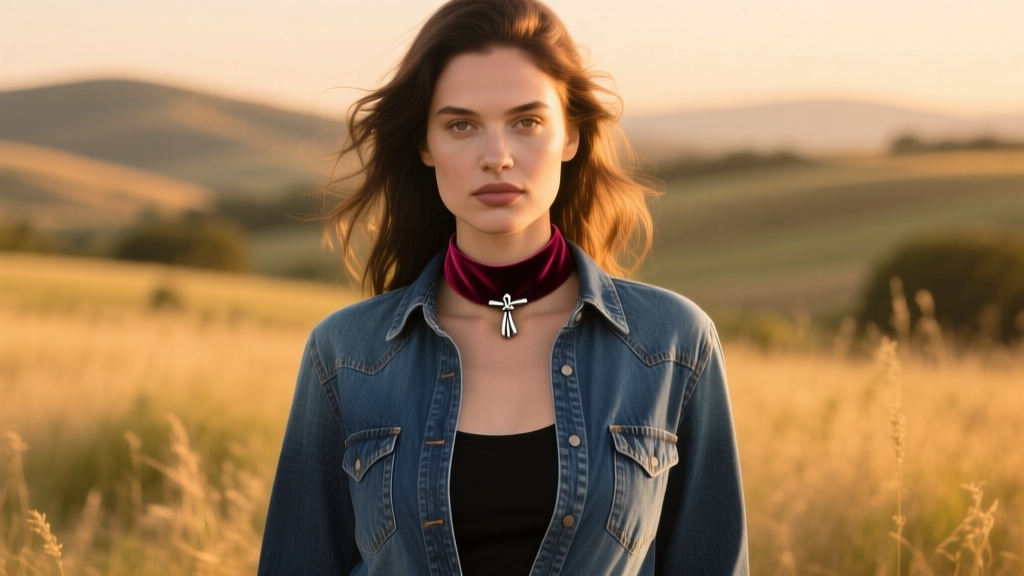
The Denim Snap Shirt
This is the quintessential pairing. Unbutton the top two buttons of a medium-wash denim snap shirt to create a shallow V-neck. Pair this with a 1/2-inch vegetable-tanned tooled leather choker featuring a 2-inch oxidized silver concho. The rigid leather band will frame the collarbones perfectly, while the dark oxidation of the silver contrasts beautifully against the indigo denim.
Off-Shoulder & Asymmetric Boho
For exposed shoulders, layering is key. Start with a 14-inch western choker necklace as your base layer, then add an 18-inch delicate silver chain with a small turquoise drop. This creates a cascading effect that draws the eye vertically, balancing the horizontal expanse of bare skin.
Care and Tarnish Prevention for Silver and Turquoise
Maintaining a western choker necklace requires specific protocols, particularly because the materials involved react poorly to standard jewelry cleaning methods.
- Avoid Ultrasonic Cleaners: Never place turquoise—natural or stabilized—in an ultrasonic cleaner. The high-frequency vibrations can cause micro-fractures in the stone matrix, and the heat can melt the epoxy resin used in stabilization.
- Silver Tarnish Management: Sterling silver tarnishes due to a chemical reaction with hydrogen sulfide in the air. Use a treated, non-abrasive silver polishing cloth (such as a Sunshine cloth) to gently buff the conchos. Avoid liquid silver dips, which will strip the intentional oxidation (antiquing) from the stamped crevices, leaving the piece looking flat and overly bright.
- Leather Conditioning: Every six months, apply a microscopic amount of neatsfoot oil or a dedicated leather conditioner to the band. Apply it with a microfiber cloth, avoiding the silver hardware and stone bezels, to prevent the leather from drying out and cracking under the tension of the clasp.
By understanding the material grades, hardware mechanics, and precise styling frameworks, you can elevate the western choker necklace from a passing trend into a permanent, sophisticated pillar of your 2026 wardrobe.


