Whale Tail Necklace Meaning, Symbolism & Value Guide
Discover the true whale tail necklace meaning and learn how to assess material value, pricing tiers, and construction quality before you buy.

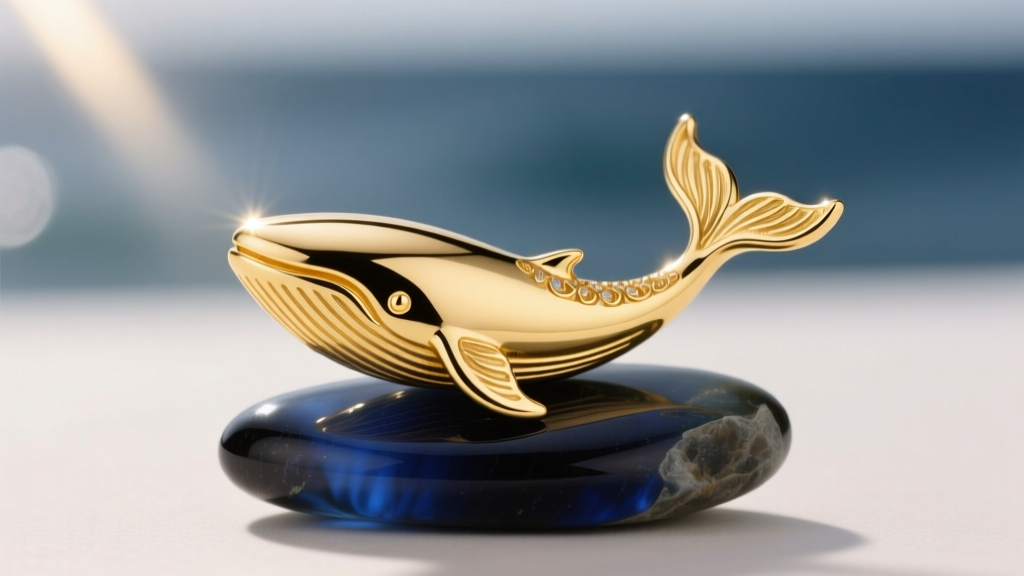
Ocean-inspired jewelry has maintained a steadfast presence in the accessories market, but few motifs carry as much emotional weight and visual distinctiveness as the whale fluke. When shoppers begin researching the whale tail necklace meaning, they are often looking for more than just a pretty pendant; they are seeking a talisman that represents emotional depth, protection, and a profound connection to marine life. However, as a senior jewelry appraiser and style analyst, I frequently see consumers overpay for poorly constructed pieces or misunderstand the intrinsic value of the metals they are buying.
In this comprehensive 2026 value assessment, we will decode the symbolism behind the whale tail and provide a rigorous, data-driven framework to help you evaluate pricing, material grades, and structural integrity. Whether you are budgeting for a meaningful gift or investing in an heirloom piece, understanding the intersection of sentiment and metallurgy is crucial.
The True Whale Tail Necklace Meaning & Symbolism
Before assessing financial value, we must establish the symbolic value that drives the market for these pendants. In marine biology, a whale's tail (or fluke) is its primary engine for propulsion and a tool for communication through percussive slaps on the water's surface. Culturally and spiritually, this translates into several core meanings:
- Forward Momentum and Resilience: Because the tail is what drives the whale forward through immense oceanic pressure, it symbolizes the ability to push through life's obstacles and maintain momentum.
- Emotional Depth and Intuition: Whales are deep divers. Wearing a fluke pendant is often associated with tapping into one's subconscious, emotional intelligence, and inner truth.
- Protection and Good Luck: Historically, sailors viewed whale sightings as omens of safe passage. Today, the tail is worn as a protective amulet for travelers and those navigating major life transitions.
Understanding this whale tail necklace meaning is vital because it often justifies the transition from buying a disposable fast-fashion trinket to investing in a lasting, high-quality piece of fine jewelry that can serve as a lifelong reminder of these traits.
Material Breakdown & Value Assessment
The most common mistake buyers make is evaluating pendants solely on their visual design rather than their metallurgical composition. A whale tail pendant features a high surface area and protruding flukes, making it highly susceptible to wear, bending, and plating loss. Below is a breakdown of what you should expect to pay and the true value you receive at each tier.
| Material Tier | Typical Price Range | Longevity & Wear | Intrinsic / Resale Value |
|---|---|---|---|
| Zinc Alloy / Brass (Plated) | $12 - $35 | Poor (6-12 months before plating rubs off on fluke edges) | Zero |
| 925 Sterling Silver (Solid) | $45 - $130 | Excellent (Can be polished indefinitely) | Low (Melt value is minimal, but artisan value remains) |
| 14k Solid Gold (Yellow/White/Rose) | $350 - $850 | Superior (Hypoallergenic, will not tarnish) | Moderate to High (Tracks with global gold spot prices) |
| 18k Gold or Platinum | $900 - $2,200+ | Heirloom (Highest density and prestige) | High (Significant precious metal weight) |
The Fast Fashion Trap: Why Cheap Tails Fail
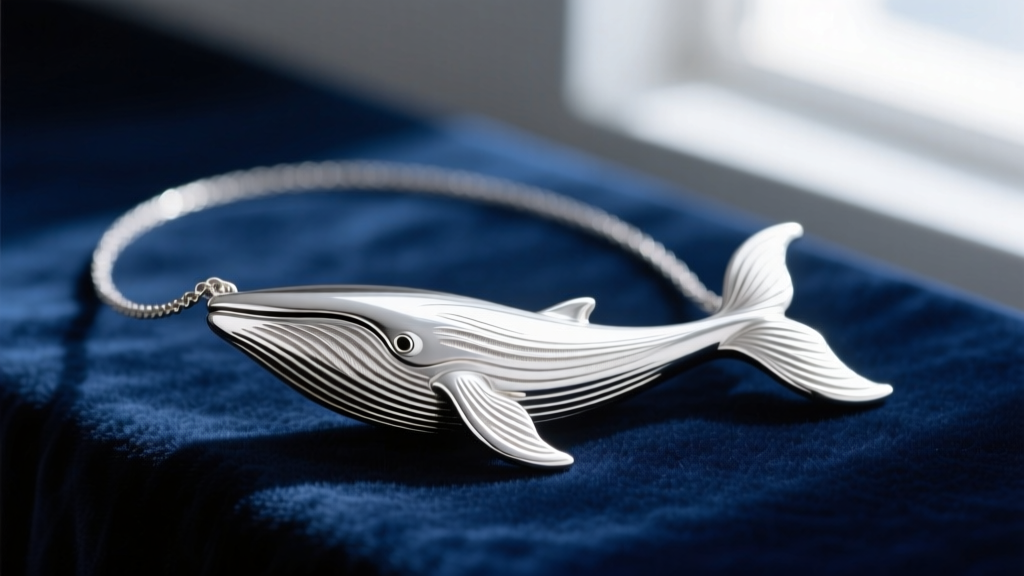
Pendants priced under $30 are typically cast from zinc alloys or brass and flash-plated with a microscopic layer of silver or gold. The specific failure mode for whale tail designs in this tier is what jewelers call "peduncle snap." The peduncle is the narrow anatomical section right before the flukes widen out. In cheap, porous castings, this narrow bridge becomes a structural weak point. Furthermore, because the flukes rub against the wearer's collarbone and clothing, the plating on the edges will wear away within months, exposing the reactive base metal underneath, which can cause green skin discoloration and contact dermatitis.
The Artisan Sweet Spot: 925 Sterling Silver
For buyers who want the whale tail necklace meaning to be represented by a durable, lifelong piece without the four-figure price tag, solid 925 sterling silver is the undisputed value champion. Look for pieces that are die-struck rather than cast. Die-struck silver is compressed under immense pressure, aligning the grain structure of the metal and making the narrow fluke connections significantly more resistant to bending or snapping. Expect to pay between $60 and $120 for a high-quality, artisan-finished sterling silver fluke.
Structural Integrity: Bales, Chains, and Weight Ratios
A pendant is only as valuable as the chain that supports it. Solid gold and heavy silver whale tails possess a high center of gravity due to the wide spread of the flukes. If you pair a 5-gram solid 14k gold pendant with a delicate 0.8mm snake chain, you are engineering a failure.
According to the Gemological Institute of America (GIA), proper jewelry mounting and chain pairing are essential for the longevity of precious metal pieces. Here are the strict engineering rules for pairing chains with whale tail pendants:
- The 3-to-1 Rule: Your chain's tensile break strength should be at least three times the weight of the pendant. A 4-gram whale tail requires a chain capable of holding at least 12 grams of dead weight without warping.
- Minimum Gauge: Never use a chain thinner than 1.2mm for a solid metal fluke. Wheat chains, box chains, or sturdy cable chains are ideal because their interlocking geometries resist kinking.
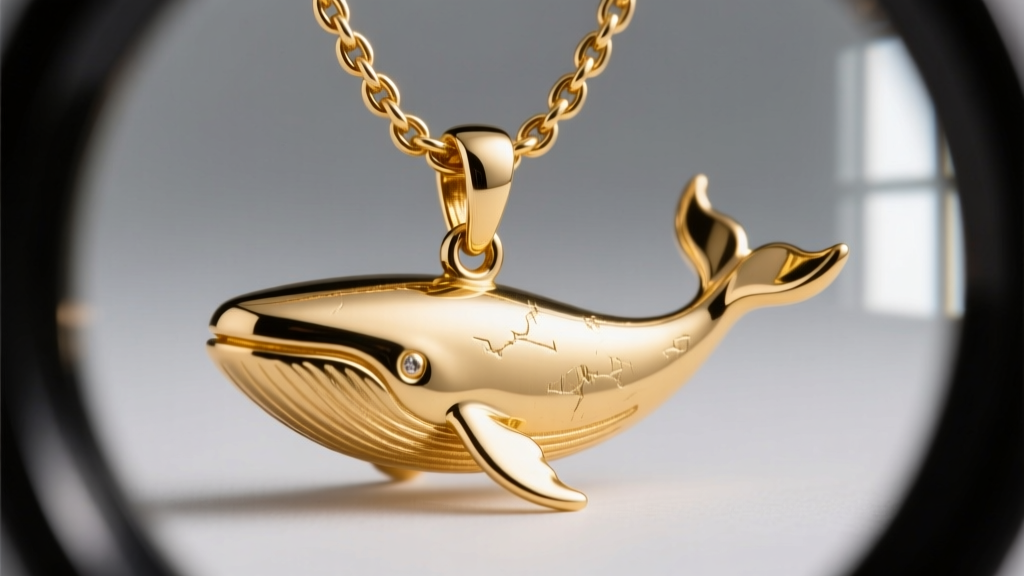
- The Bale Connection: Inspect the bale (the loop connecting the tail to the chain). It must be a soldered jump ring. If the bale is simply an open loop of wire twisted shut, the wide flukes will act as a lever, eventually prying the loop open and dropping your pendant into the sand or sea.
Ethical Sourcing: Aligning Value with Ocean Conservation
There is a profound irony in wearing a symbol of marine reverence that was produced through environmentally destructive mining practices. If the whale tail necklace meaning resonates with you because of your love for the ocean, the true value of your purchase must include its ecological footprint.
Organizations like the World Wildlife Fund (WWF) consistently highlight the devastating impact of unregulated precious metal mining on global watersheds and marine ecosystems. When budgeting for a premium whale tail necklace, allocate your funds toward jewelers who explicitly use SCS-Certified Recycled Gold or Recycled Sterling Silver. Recycled precious metals possess the exact same atomic structure and visual brilliance as newly mined metals but eliminate the toxic runoff and habitat destruction associated with virgin extraction. Paying a 10% to 15% premium for verified recycled metals is a justifiable cost that aligns your jewelry's physical value with its spiritual meaning.
Final Verdict: Budgeting for Your Fluke
Ultimately, assessing the value of a whale tail necklace requires looking past the initial price tag and evaluating the cost-per-wear, structural engineering, and material ethics. Avoid the $20 plated alloys that will inevitably break at the fluke joint and tarnish your skin. Instead, direct your budget toward a $75 die-struck sterling silver piece for everyday durability, or a $500+ solid 14k gold pendant on a 1.2mm wheat chain for a true heirloom investment. By matching the deep symbolism of the whale tail with high-integrity craftsmanship, you ensure that your necklace remains a powerful, enduring emblem of resilience and oceanic connection for decades to come.
For more detailed information on precious metal stamping laws and consumer protections, refer to the Federal Trade Commission's Jewelry Guides.


