What Does a Pin Necklace Mean? A Step-by-Step Style Guide
Discover what a pin necklace means across punk, minimalist, and solidarity styles. Follow our step-by-step guide to choosing, layering, and styling yours.

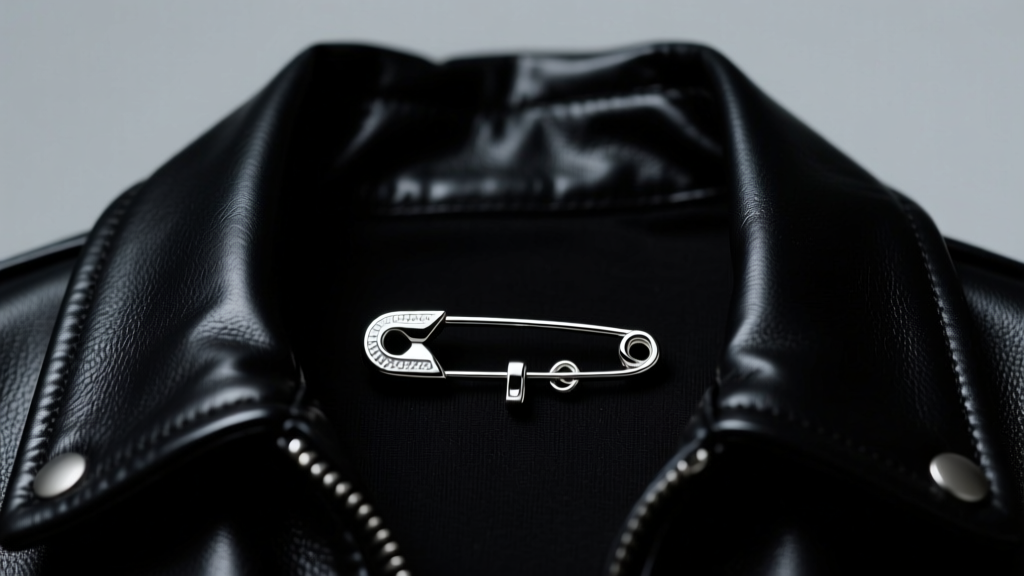
The safety pin is one of the most visually striking and historically loaded motifs in jewelry design. Whether crafted as a heavy-gauge sterling silver pendant or a delicate gold stick pin, this seemingly utilitarian object carries profound cultural weight. If you have ever found yourself wondering, 'What does a pin necklace mean?', you are tapping into a rich lineage of fashion rebellion, social solidarity, and minimalist art. In this comprehensive guide, we will decode the symbolism behind the pin necklace and provide a step-by-step framework for selecting, styling, and maintaining this iconic piece of jewelry.
Decoding the Symbolism: What Does a Pin Necklace Mean?
Before diving into styling techniques, it is crucial to understand the historical and cultural contexts that give the pin necklace its meaning. The symbolism generally falls into three distinct categories:
1. Punk Rebellion and Anti-Establishment
The safety pin's transition from a household utility to a fashion statement began in the 1970s London punk scene. Pioneered by designers like Vivienne Westwood and Malcolm McLaren, the safety pin was used to literally hold together torn clothing, symbolizing a rejection of consumerism and traditional tailoring. According to the Victoria and Albert Museum, the punk movement weaponized everyday objects to challenge societal norms. Wearing a heavy, oversized safety pin necklace today remains a nod to this edgy, anti-establishment heritage.
2. Solidarity and Empathy
In 2016, the safety pin took on a new, deeply poignant meaning. Following various global political shifts, individuals began wearing safety pins on their lapels and as necklaces to signal that they were 'safe spaces' for marginalized groups. In this context, a pin necklace represents allyship, empathy, and a commitment to protecting the vulnerable.
3. Minimalist Mending and Wabi-Sabi
In contemporary fine jewelry, the pin motif—particularly the sleek stick pin or needle pendant—draws on the Japanese philosophy of wabi-sabi and the concept of visible mending. Brands like Alexander McQueen and various indie artisans use the pin to represent resilience, the beauty of imperfection, and the act of holding things together. The Metropolitan Museum of Art has frequently highlighted how utilitarian fasteners in costume history represent the intersection of function and high art.
Step 1: Selecting the Right Material and Gauge
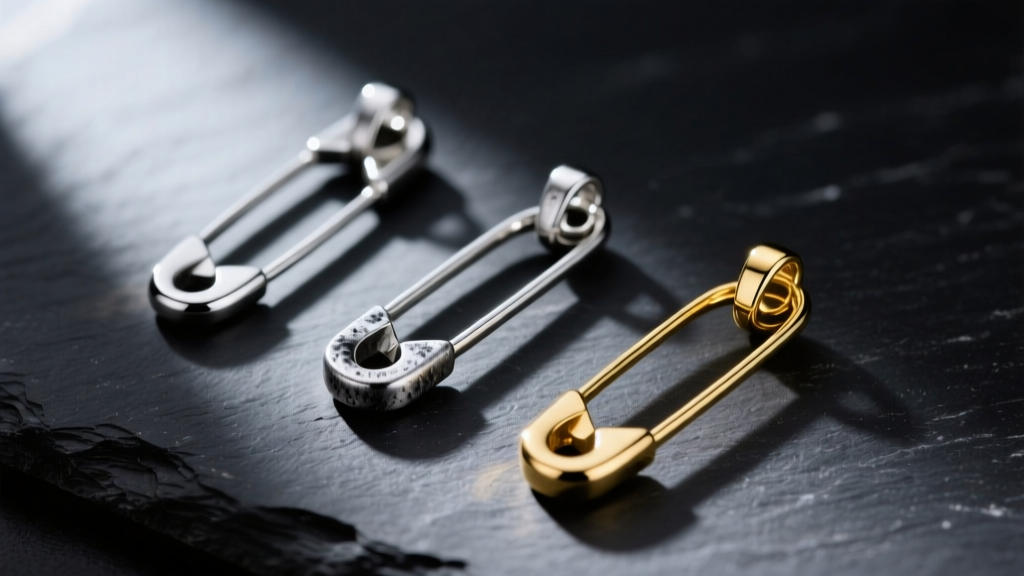
The meaning you wish to convey often dictates the material and thickness (gauge) of your pin necklace. A delicate 22-gauge gold stick pin reads as minimalist and refined, while a 14-gauge oxidized steel safety pin screams punk grunge. Below is a breakdown of standard materials, gauge sizes, and pricing to help you make an informed purchase.
| Material Grade | Ideal Gauge Size | Aesthetic & Meaning | Estimated Price Range |
|---|---|---|---|
| 316L Surgical Steel | 14G - 16G (1.2mm - 1.6mm) | Industrial, Punk, Hypoallergenic | $25 - $60 |
| 925 Sterling Silver (Oxidized) | 16G - 18G (1.0mm - 1.2mm) | Gothic, Grunge, Vintage Rebellion | $70 - $150 |
| 18k Gold Vermeil | 18G - 20G (0.8mm - 1.0mm) | Modern Minimalist, Elevated Solidarity | $85 - $180 |
| Solid 14k/18k Gold (Stick Pin) | 20G - 22G (0.6mm - 0.8mm) | Fine Jewelry, Wabi-Sabi, Mending | $250 - $600+ |
Expert Tip: If you have nickel sensitivities, avoid cheap base-metal alloys. Always look for the '316L' stamp on stainless steel or the '925' stamp on silver, as these are highly biocompatible and resist corrosion from skin oils.
Step 2: Pairing the Pin with Necklines and Chain Lengths
A pin necklace can look disjointed if the chain length clashes with your neckline. The sharp, linear geometry of a pin pendant requires deliberate placement. Use this step-by-step matching guide to ensure your necklace complements your outfit:
- The Crew Neck (T-Shirts & Sweaters): Opt for a 20-inch to 24-inch chain (matinee length). The pin pendant should rest entirely on the fabric of the shirt, acting as a bold focal point against the cotton or wool. A heavier 14G steel pin works best here.
- The V-Neck or Plunge: Choose an 18-inch chain (princess length). The pin should sit exactly at the apex of the V-neck, drawing the eye downward and elongating the neck. A 20G gold stick pin or a medium 18G silver safety pin is ideal.
- The Off-Shoulder or Boat Neck: Go for a 14-inch to 16-inch choker length. The pin should rest horizontally or diagonally across the bare collarbone. This creates a striking contrast between exposed skin and the industrial metal motif.
- The Button-Down Shirt: Skip the chain entirely and use a stick pin or tie tack to pin the collar points down, or thread a small 16G safety pin directly through the top buttonhole for a subtle, subversive office look.
Step 3: Mastering the Layering Technique
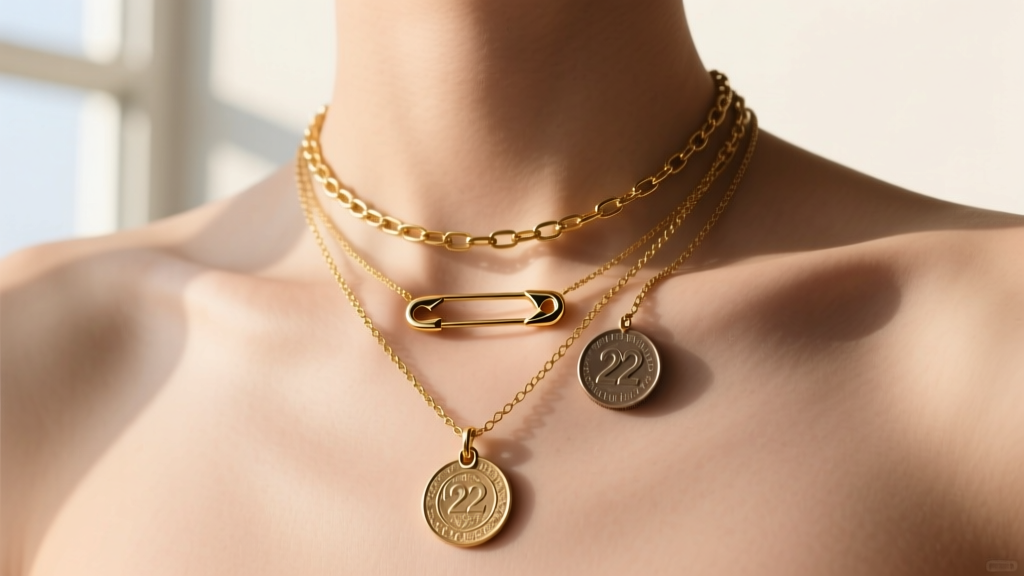
Layering a pin necklace requires balancing its asymmetrical, heavy visual weight against more delicate chains. If you simply throw a pin pendant onto a stack of necklaces, it will tangle and look chaotic. Follow this precise three-tier layering formula:
- The Base Layer (14 to 15 inches): Start with a lightweight 1.2mm cable or rope chain. A small bezel-set diamond or a simple 3mm gold bead provides a subtle anchor near the collarbone without competing with the pin.
- The Focal Layer (18 inches): This is where your pin necklace lives. Use a slightly thicker chain, such as a 2.0mm curb or box chain, to support the weight of the pin pendant. Ensure the pin clasp is secured so it hangs perfectly vertical.
- The Outer Layer (22 to 24 inches): Finish with a long, minimalist pendant, such as a flat coin or a simple bar necklace. This draws the eye down the torso and frames the central pin motif.
Troubleshooting Tangles: To prevent your layered chains from twisting, mix chain textures. Pairing a smooth box chain with a textured rope chain creates microscopic friction that keeps them separated. Alternatively, invest in a multi-strand necklace spacer clasp.
Step 4: Maintenance and Preventing Clasp Failure
The defining feature of a safety pin necklace is its functional coil and clasp mechanism. However, because it is a moving part, it is prone to mechanical failure and tarnish if not maintained properly. The Gemological Institute of America (GIA) recommends specific care routines for mixed-metal jewelry to preserve both structural integrity and finish.
Fixing Coil Tension
Over time, the coil at the base of a safety pin pendant can stretch, causing the pin to sit loosely in the clasp hook. To fix this, do not pull the pin itself. Instead, use a pair of nylon-jaw jewelry pliers to gently squeeze the sides of the coil together. This restores the spring tension and ensures the pin snaps securely into the hood.
Cleaning Oxidized Silver
Many punk-style pin necklaces feature intentionally oxidized (blackened) 925 sterling silver to highlight the scratches and industrial feel. Never use liquid silver dip cleaners on these pieces, as the chemicals will strip the dark patina and leave the metal looking flat and unnaturally bright. Instead, use a dry, untreated microfiber polishing cloth to gently buff only the high points of the metal, leaving the dark oxidation intact in the crevices.
Checking the Hood Clasp
The 'hood' is the curved metal cap that locks the sharp point of the pin. Inspect this area monthly. If the hood becomes bent outward, the pin can slip out and scratch your skin or snag your clothing. Use flat-nose pliers to gently pinch the hood back into a tight, circular shape.
Final Thoughts on Wearing Your Meaning
Ultimately, asking 'What does a pin necklace mean?' is an invitation to define your own narrative. Whether you are channeling the raw, unapologetic energy of 1970s punk, signaling your solidarity with your community, or embracing the minimalist beauty of visible mending, the pin necklace is a versatile tool for self-expression. By carefully selecting your gauge, matching your chain length to your neckline, and maintaining the mechanical integrity of the clasp, you ensure that your statement piece remains as sharp and meaningful as the day you first clasped it.


