What Is Rawhide Necklace Cord? Material Properties & Comparisons
Discover what is rawhide necklace cord, its unique untanned properties, tensile strength, and how it compares to leather and waxed cotton.

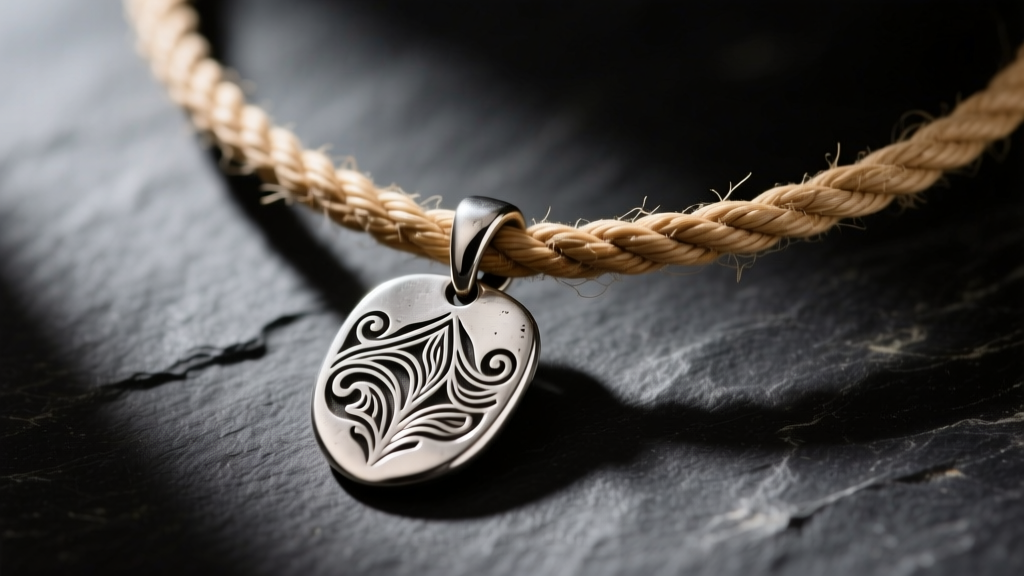
When selecting the perfect cord for a heavy pendant or a rustic statement piece, the structural integrity of the material is just as critical as its aesthetic. Among the most misunderstood materials in jewelry crafting is rawhide. If you have ever found yourself asking what is rawhide necklace material and why it behaves so differently from standard leather, you are not alone. Rawhide occupies a unique space in jewelry design, offering unparalleled rigidity and a primal aesthetic, but it comes with specific mechanical vulnerabilities that every collector and crafter must understand.
This comprehensive guide breaks down the chemical and physical properties of rawhide, compares it to alternative cord materials, and provides actionable frameworks for sizing, knotting, and maintaining your rawhide jewelry.
The Anatomy of Rawhide: Untanned and Unyielding
To understand rawhide, we must first distinguish it from leather. Leather is created through tanning—a chemical process using chromium salts or vegetable tannins that permanently alters the protein structure of the animal hide, making it flexible, rot-resistant, and soft. Rawhide, conversely, is entirely untanned. It is simply the inner layer of the hide (the corium) that has been de-haired, fleshed, stretched on a frame, and allowed to dry.
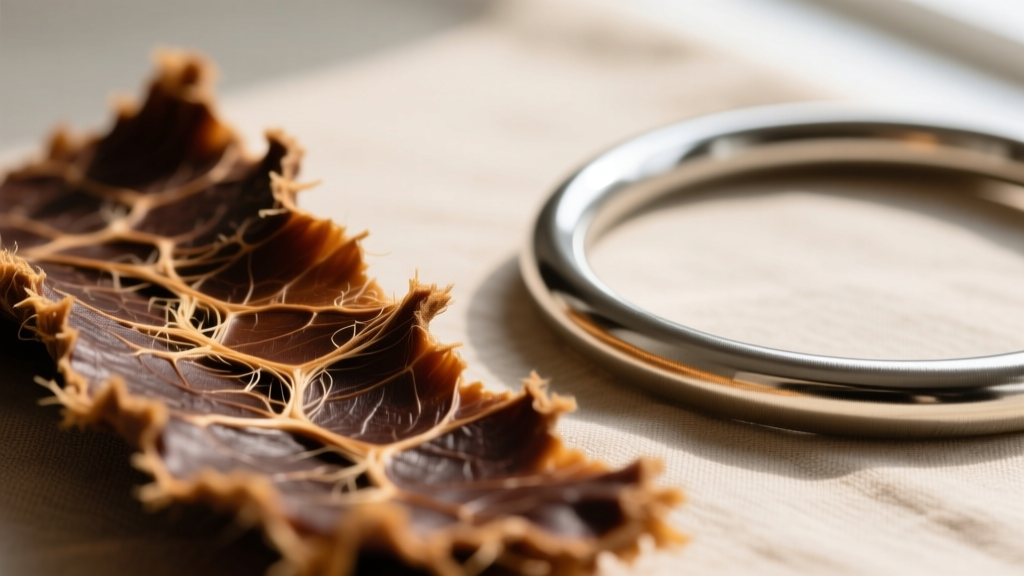
Because it lacks tanning agents, true rawhide dries incredibly hard and rigid. In the context of jewelry, when you purchase a 'rawhide necklace cord,' you are typically buying one of two things:
- True Structural Rawhide: Thick, stiff cords (often 3mm to 5mm) used for rigid collars or heavy structural elements that do not drape like fabric.
- Oil-Stuffed 'Jewelry Rawhide': A commercial misnomer. Many cords sold as rawhide in craft stores are actually lightly oil-stuffed, untanned or brain-tanned leather that retains flexibility. True rawhide will snap if bent repeatedly when dry, whereas oil-stuffed leather will flex.
Expert Insight: If you can tie a tight, flexible overhand knot in your 'rawhide' cord without it creasing or snapping, you are likely working with oil-tanned leather or a heavily lubricated split hide, not traditional rigid rawhide. Always test a small offcut before committing to a complex macramé or knotting design.
Rawhide vs. Leather vs. Waxed Cotton: A Material Showdown
Choosing the right cord requires matching the material's physical properties to the pendant's weight and the wearer's lifestyle. Below is a technical comparison of rawhide against its most common jewelry cord alternatives.
| Material | Tensile Strength | Water Resistance | Drape & Flexibility | Avg. Cost (per meter) |
|---|---|---|---|---|
| True Rawhide | Very High (when dry) | Poor (reverts to gelatinous state) | Stiff / Rigid | $1.50 - $3.00 |
| Chrome-Tanned Leather | High | Moderate | Soft / Fluid | $2.00 - $5.00 |
| Waxed Cotton | Moderate | Excellent | Highly Flexible | $0.50 - $1.50 |
| Suede (Split Leather) | Low to Moderate | Poor (stains easily) | Very Soft | $1.00 - $2.50 |
As the data illustrates, rawhide excels in tensile strength but fails dramatically in water resistance. According to material testing by Weaver Leather Supply, untanned hides will absorb ambient moisture, which can lead to bacterial degradation if not properly sealed or stored in a climate-controlled environment.
Structural Vulnerabilities and Failure Modes
While rawhide is incredibly strong under linear tension, it is highly susceptible to specific mechanical and environmental failure modes. Understanding these is crucial for preventing the loss of valuable pendants.
1. Knot Fatigue and Stress Fractures
Any knot introduced to a cord reduces its overall tensile strength. In true rawhide, an overhand knot can reduce the breaking strength by up to 60%. The sharp bend radius forces the outer fibers to stretch beyond their yield point while the inner fibers compress, leading to micro-fractures. Solution: Avoid tight knots. Instead, use wire-wrapping techniques, metal crimp tubes, or specialized barrel clasps designed for stiff cords to secure the ends.
2. Hydrolysis and Moisture Damage
Because rawhide is untanned, prolonged exposure to water or high humidity causes the collagen fibers to swell and partially revert to their raw, gelatinous state. If a rawhide necklace is worn in the shower or caught in the rain, it will stretch, weaken, and eventually tear under the weight of a pendant. Once it dries, it may shrink and become brittle.
3. UV Degradation
Unsealed, natural rawhide is highly susceptible to ultraviolet light. Prolonged sun exposure breaks down the peptide bonds in the collagen matrix, causing the cord to yellow, chalk, and eventually snap. For outdoor wear, a UV-inhibiting beeswax sealant is mandatory.
Sizing, Thickness, and Pendant Compatibility
Matching the cord diameter to the pendant's bail (the loop the cord passes through) and weight is a precise science. Rawhide is typically sold in metric diameters. Here is a functional sizing framework:
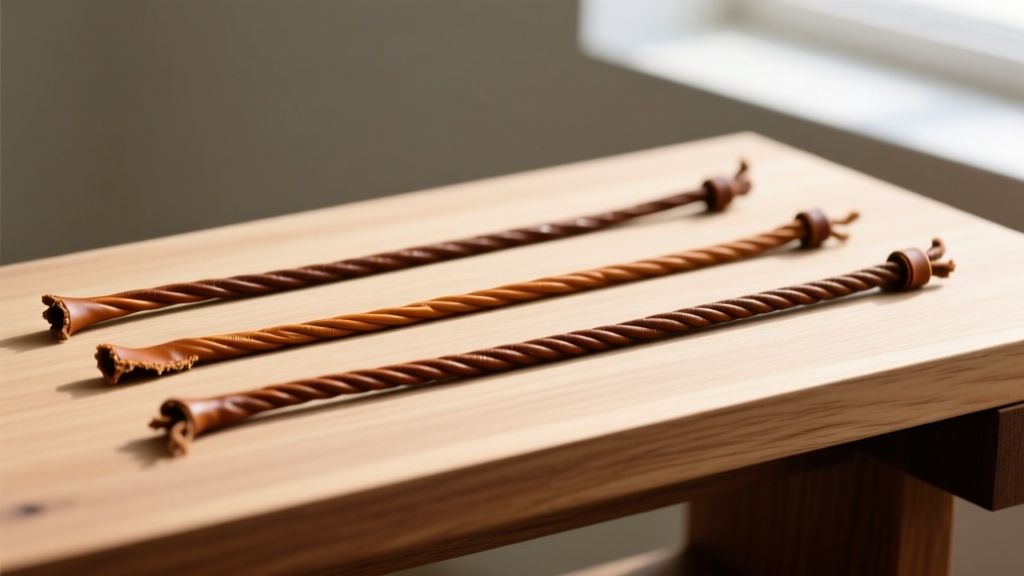
- 1.0mm - 1.5mm: Best for lightweight pendants (under 15 grams) with small, delicate bails. This thickness is often oil-stuffed to maintain enough flexibility to pass through 2mm sterling silver bails.
- 2.0mm - 2.5mm: The industry standard for medium-weight statement pieces (15g to 40g). This thickness provides excellent visual balance for large turquoise cabs, silver slides, or fossil pendants.
- 3.0mm - 4.0mm+: Reserved for heavy, oversized pendants or rigid collar designs. Finding a pendant bail large enough to accommodate a 4mm rawhide cord is difficult; most jewelers will use a large-diameter metal donut bail or drill a wide hole directly into a stone slide.
Pro-Tip: Always measure the internal diameter of your pendant's bail with a digital caliper before purchasing a rawhide cord. Rawhide does not compress easily, and forcing a 2.5mm cord through a 2.0mm bail will strip the cord's outer fibers, ruining its structural integrity.
Maintenance and Longevity Protocols
Caring for rawhide requires a completely different approach than caring for chrome-tanned leather. Standard leather conditioners often contain solvents that can break down the natural fibers of untanned hide.
- Sealing: To protect against moisture, apply a micro-crystalline wax or pure beeswax. Rub the wax into the cord using friction (the heat from your hands helps melt the wax into the corium fibers). This creates a hydrophobic barrier.
- Avoid Neatsfoot Oil: While neatsfoot oil is great for softening stiff leather, applying it to true rawhide will over-soften the collagen, causing the cord to stretch permanently and lose its load-bearing capacity.
- Storage: Store rawhide necklaces flat or hung in a climate-controlled environment (ideally 40-50% relative humidity). Never store them in plastic bags, which can trap moisture and encourage mold growth on the untanned proteins.
Ethical and Sourcing Considerations
Rawhide is a direct byproduct of the beef and dairy industries. For consumers concerned with traceability and environmental impact, sourcing can be opaque. Unlike the tanned leather industry, which has seen massive pushes toward sustainability tracked by organizations like the Leather Working Group, the rawhide market is largely unregulated regarding environmental runoff and ethical sourcing.
If you love the aesthetic of rawhide but require a vegan or highly traceable alternative, consider waxed microfiber suede or hemp cords treated with natural carnauba wax. These materials mimic the matte, textured finish of rawhide while offering superior water resistance and ethical transparency.
Final Verdict: Is Rawhide Right for Your Jewelry?
Rawhide is a spectacular material for specific jewelry applications—namely, heavy, rustic, Southwestern-style pendants and rigid structural collars. Its unparalleled tensile strength and organic texture cannot be perfectly replicated by synthetic means. However, it demands respect. By understanding its vulnerability to water, avoiding stress-inducing knots, and properly sealing the fibers, you can ensure your rawhide necklace remains a durable, lifelong accessory. Always match the cord's thickness to your pendant's bail, and never expose untanned hide to prolonged moisture.


