When Smoke Clears Pearl Necklace: Material Comparison
Discover the materials behind the when smoke clears pearl necklace. Compare Tahitian, irradiated, and dyed pearls for nacre and value.

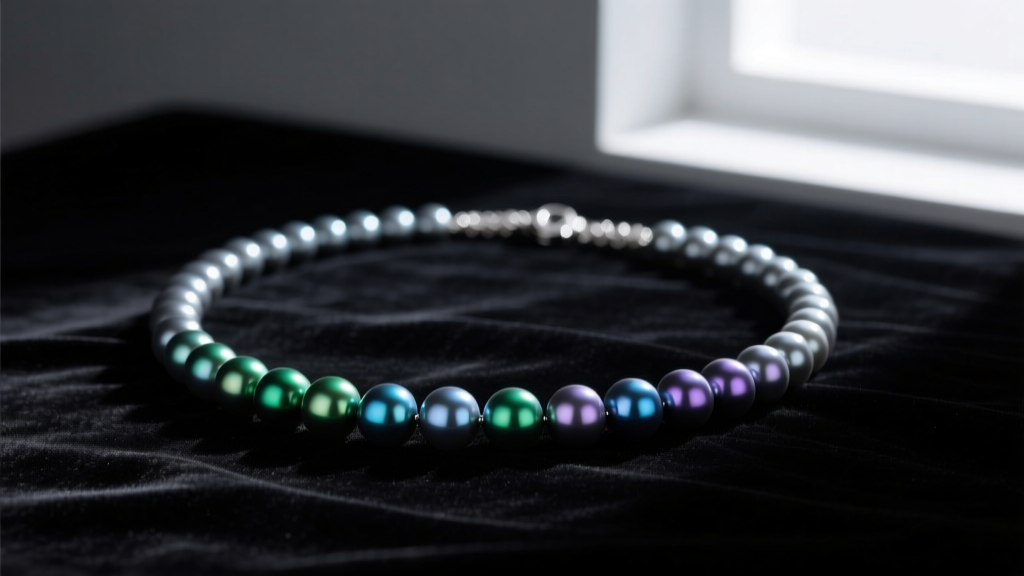
The Anatomy of the 'When Smoke Clears' Aesthetic
The term 'when smoke clears pearl necklace' has become a sought-after descriptor in contemporary jewelry circles, referring to strands that capture the moody, atmospheric essence of dissipating smoke. This aesthetic is defined by stormy greys, deep charcoals, and subtle iridescent overtones of peacock green, aubergine, or silver. Unlike the classic, pristine white Akoya pearl, a true smoke-clears strand embraces darkness and structural complexity. However, achieving this specific color palette requires vastly different gemological processes depending on the material used. As we navigate the 2026 jewelry market, understanding the material properties behind these dark pearls is critical for assessing longevity, luster, and true market value.
Material Breakdown: Tahitian vs. Treated Alternatives
Not all dark pearls are created equal. The 'smoke' effect can occur naturally through complex organic pigmentation, or it can be artificially induced through radiation and chemical baths. Here is a deep dive into the three primary materials used to create this aesthetic.
1. Natural Tahitian Pearls (Pinctada Margaritifera)
The undisputed benchmark for any high-end when smoke clears pearl necklace is the naturally colored Tahitian pearl. Cultivated primarily in the atolls of French Polynesia, these pearls are produced by the black-lipped oyster, Pinctada margaritifera. The dark coloration is not a surface treatment but an intrinsic property of the nacre, driven by organic pigments including porphyrins and melanin-like compounds secreted by the oyster's mantle tissue.
- Nacre Thickness: Typically ranges from 1.0mm to over 3.0mm, providing exceptional durability and a deep, mirror-like luster.
- Color Profile: True 'smoke' Tahitians exhibit a charcoal or silver-grey body color with secondary overtones (peacock, cherry, or pistachio).
- Market Pricing: A high-quality 16-inch strand (8-9mm) with clean surfaces and sharp luster commands between $800 and $3,500.
2. Irradiated Freshwater Pearls (The Accessible Alternative)
For buyers seeking the smoked aesthetic without the Tahitian price tag, irradiated freshwater pearls are the most common alternative. Sourced from the Hyriopsis cumingii (triangle shell mussel) in China, these pearls undergo gamma-ray irradiation, typically using a Cobalt-60 source. The radiation alters the manganese content within the nacre, permanently turning the pearl a dark, metallic grey or black.
- Nacre Structure: Modern bead-nucleated Edison freshwater pearls offer thick nacre (1.5mm+), while traditional tissue-nucleated pearls are solid nacre throughout.
- Color Profile: Highly metallic, uniform dark grey. They often lack the complex, multi-colored overtones of natural Tahitians, appearing more 'flat' or strictly gunmetal.
- Market Pricing: Extremely accessible, with premium strands ranging from $80 to $250.
3. Silver-Nitrate and Dyed Imitations (The Pitfall)
The lowest tier of smoked pearls involves chemical dyeing, most notoriously using silver nitrate (AgNO3). The pearls are soaked in a silver nitrate solution and then exposed to light or hydrogen sulfide gas, creating black silver sulfide within the micro-crevices of the nacre. According to GIA's comprehensive guide on pearl treatments, this method is highly unstable compared to irradiation or natural pigmentation.
- Failure Modes: The dye concentrates in surface cracks and drill holes. Over time, exposure to skin acids and cosmetics causes the silver sulfide to break down, leading to a chalky, faded appearance.
- Color Transfer: A major flaw is color bleeding; wearing a dyed necklace against a white collar or in high humidity can result in permanent grey stains on clothing and skin.
- Market Pricing: $20 to $90. Generally considered costume jewelry rather than fine gemological material.
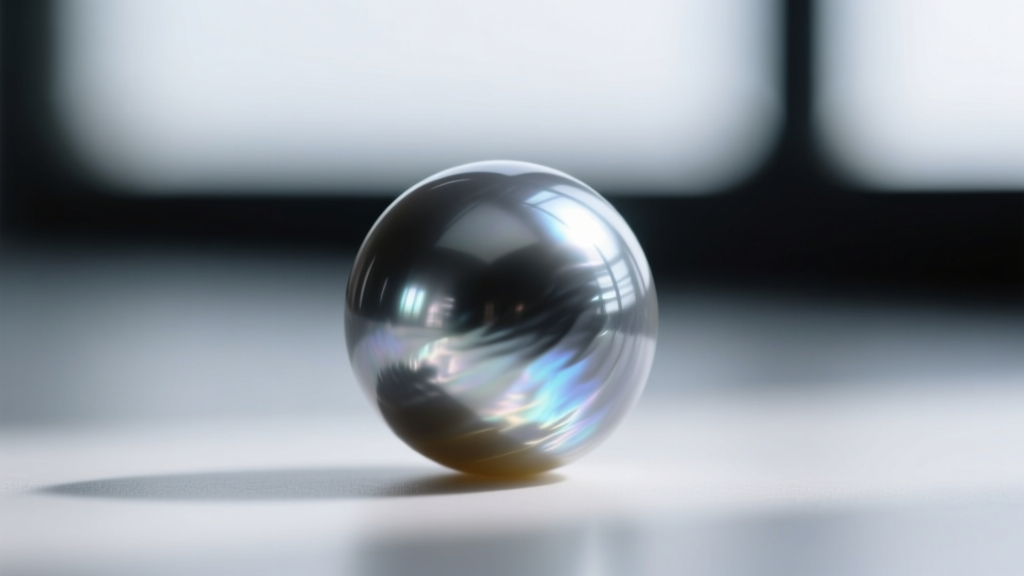
Comparative Properties & Pricing Matrix
To make an informed purchasing decision, it is essential to compare the physical and economic properties of these three materials side-by-side. The table below outlines the critical data points for a standard 16-inch princess-length strand.
| Material Type | Origin / Species | Treatment Method | Nacre Thickness | Luster Profile | Est. Price Range |
|---|---|---|---|---|---|
| Natural Tahitian | Pinctada margaritifera | None (Natural Pigment) | 1.0mm - 3.0mm+ | Deep, mirror-like, complex overtones | $800 - $3,500+ |
| Irradiated Freshwater | Hyriopsis cumingii | Gamma-Ray (Cobalt-60) | Solid or 1.5mm+ | High metallic, uniform gunmetal | $80 - $250 |
| Silver-Nitrate Dyed | Various (Usually FW) | Chemical Bath (AgNO3) | Variable (Often thin) | Chalky, dull, flat black/grey | $20 - $90 |
Identifying Treatments: The Drill Hole Test
When evaluating a when smoke clears pearl necklace in person, the most reliable non-destructive test is the drill hole examination. Using a standard 10x jeweler's loupe, inspect the area where the string passes through the pearl.
- Tahitian Pearls: The nacre will be consistently dark grey all the way to the drill hole. If it is a bead-nucleated Tahitian, you may see a white or grey shell bead inside, but the secreted nacre layer will be uniformly pigmented.
- Irradiated Pearls: The color will also be consistent to the core, as gamma rays penetrate the entire structure of the pearl uniformly.
- Dyed Pearls: You will often spot a dark, concentrated ring of dye right at the drill hole, while the interior core may appear stark white or pale yellow. Furthermore, surface micro-fractures will show dark, spider-web-like lines where the chemical dye has pooled.
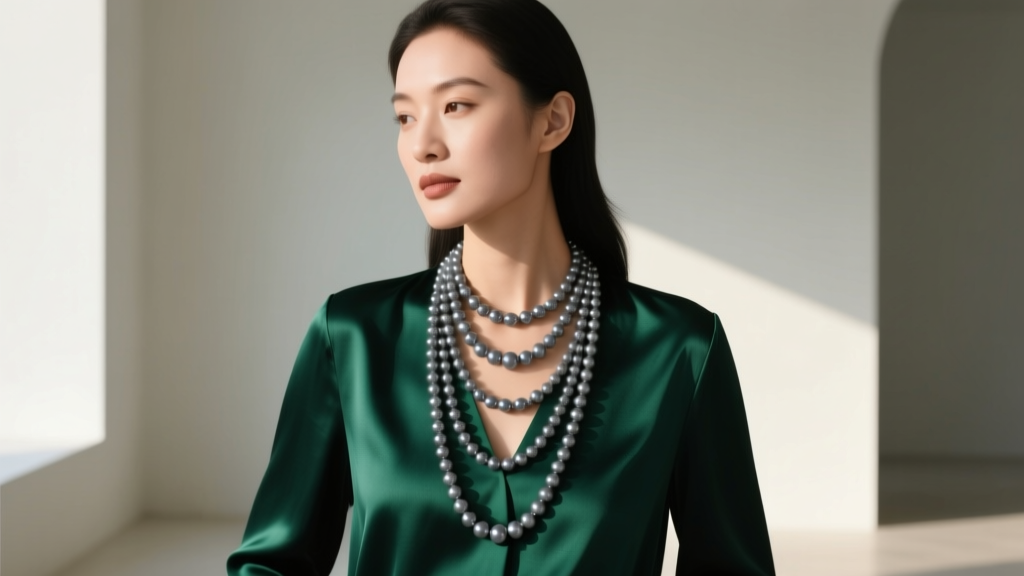
Long-Term Durability and Nacre Failure Modes
All pearls, regardless of their color or origin, rank between 2.5 and 3.0 on the Mohs hardness scale. However, the 'smoke clears' aesthetic requires specific care protocols to maintain its optical properties. According to GIA's Pearl Quality Factors, the organic matrix of nacre is highly susceptible to acidic degradation.
For Tahitian pearls, the primary failure mode is 'etching.' Exposure to perfumes, hairspray, and perspiration can dissolve the calcium carbonate crystals, leaving the surface pitted and destroying the delicate peacock overtones. For dyed pearls, the failure mode is chemical reversion; the silver sulfide compounds can react with sulfur in the environment or chlorine in tap water, causing the pearls to turn a sickly, mottled brown.
Actionable Care Protocol:
- Always apply cosmetics and perfumes at least 15 minutes before putting on your pearl necklace.
- Never use ultrasonic cleaners or steamers; the high-frequency vibrations can shatter the nacre, especially in treated pearls with pre-existing micro-fractures.
- Wipe the strand down with a dry, untreated microfiber cloth immediately after removal to strip away acidic skin oils.
- Store the necklace flat in a soft pouch. Hanging a heavy, multi-strand smoked pearl necklace can stretch the silk thread, leading to structural failure and gap formation between the pearls.
Final Verdict: Choosing Your Smoked Pearl Strand
The ideal when smoke clears pearl necklace depends entirely on your budget and expectations for longevity. If you are investing in an heirloom piece intended to last generations, naturally colored Tahitian pearls are the only choice; their structural integrity and complex optical phenomena cannot be replicated in a lab. However, for fashion-forward layering and seasonal wear, irradiated freshwater pearls offer a remarkably durable, metallic alternative that captures the moody essence of the trend at a fraction of the cost. Avoid silver-nitrate dyed strands entirely, as their inherent material instability guarantees disappointment.


