White Beads Long Necklace: Technical Guide to Materials & Fit
Discover the technical details behind a white beads long necklace. Compare pearl, howlite, and glass materials, stringing methods, and clasp mechanics.

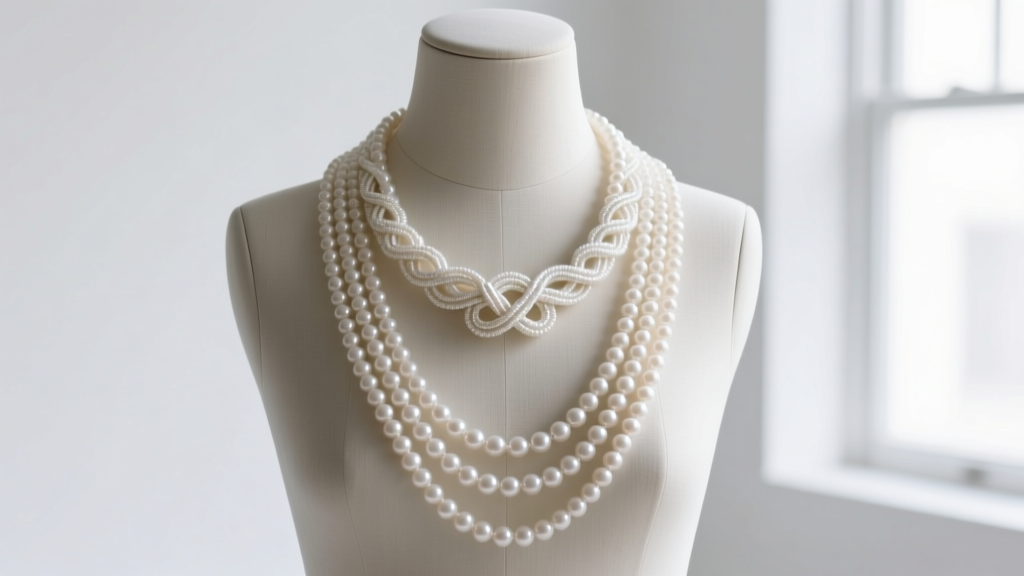
When evaluating a white beads long necklace, most consumers focus solely on aesthetics. However, from a jewelry engineering perspective, designing and maintaining a strand that exceeds 36 inches (rope length) introduces complex physics, material stress, and structural vulnerabilities. Whether the beads are natural Akoya pearls, porous howlite, or synthetic opaline glass, the sheer weight and pendulum effect of a long strand demand rigorous technical specifications in stringing, knotting, and clasp engineering.
This expert deep dive dissects the material science, tensile requirements, and failure modes inherent to long white bead necklaces, providing a definitive framework for collectors, designers, and informed buyers.
The Physics of the Drape: Weight and Torque
A standard opera-length necklace sits between 26 and 36 inches, while a true rope-length white beads long necklace spans 37 to 45+ inches. This extended length creates a significant pendulum effect. As the wearer moves, the kinetic energy transfers down the strand, generating lateral torque at the nape of the neck and extreme tensile stress at the clasp junction.
The specific gravity (density) of the bead material dictates this swing weight. A 40-inch strand of 8mm glass beads can weigh upwards of 85 grams, generating enough momentum during sudden movement to snap standard silk thread or warp lightweight wire. Understanding the density and Mohs hardness of your chosen white bead is the first step in preventing catastrophic structural failure.
Material Matrix: Natural vs. Simulated White Beads
Not all white beads are created equal. The internal crystalline structure and surface porosity of the material determine both the necklace's drape and its stringing requirements. Below is a technical comparison of the most common materials used in long white bead strands.
| Material | Mohs Hardness | Specific Gravity (g/cm³) | Avg. Cost per 16" Strand (8mm) | Optimal Stringing Medium |
|---|---|---|---|---|
| Akoya Pearl (Natural) | 2.5 - 4.5 | 2.60 - 2.85 | $150 - $400+ | Size F Silk Thread |
| Freshwater Pearl | 2.5 - 4.5 | 2.60 - 2.75 | $40 - $120 | Size F Silk Thread |
| Howlite (Dyed/Natural) | 3.5 | 2.53 - 2.59 | $12 - $30 | 49-Strand Micro Wire |
| Rainbow Moonstone | 6.0 - 6.5 | 2.95 - 3.05 | $60 - $150 | 0.018" Coated Wire |
| Opaline Glass | 5.5 - 7.0 | 2.50 - 2.80 | $15 - $45 | 0.024" Heavy Wire |
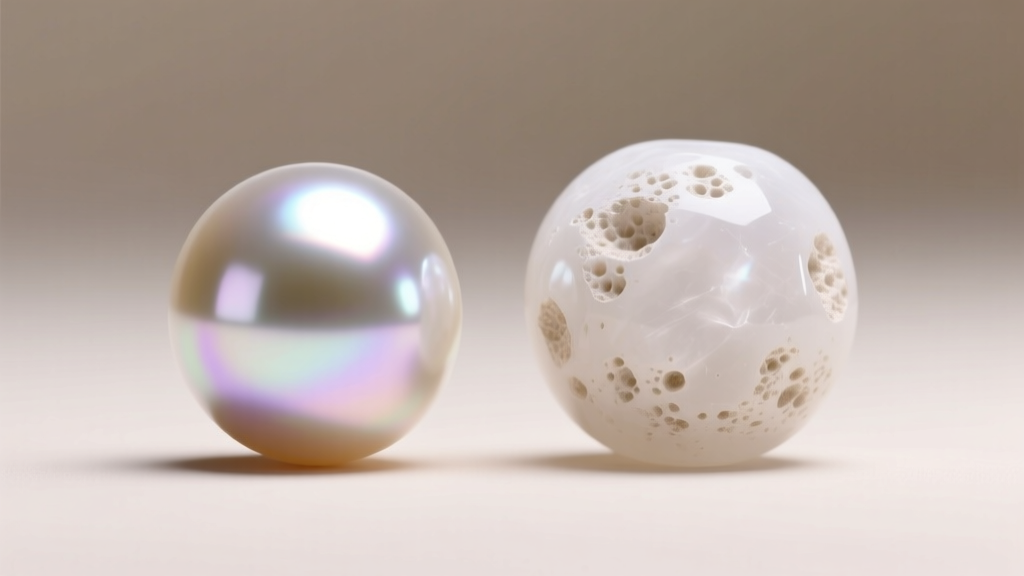
As noted by the Mindat.org mineral database, howlite is a porous borosilicate mineral. While its hardness is moderate, its porous nature means bead holes are often rough and abrasive, which can quickly fray organic silk threads. Conversely, natural pearls possess a delicate nacreous surface that can be scratched by the microscopic metallic strands of steel beading wire. Therefore, matching the stringing medium to the bead's internal drill-hole texture is non-negotiable.
Stringing Mechanics: Silk vs. High-Tensile Wire
The most common point of failure in a white beads long necklace is the degradation of the stringing material. The choice between traditional silk and modern high-tensile wire depends entirely on the bead material and the intended wear frequency.
Traditional Silk Thread (Sizes D, E, and F)
For natural and cultured pearls, 100% natural or synthetic silk thread remains the gold standard. For an 8mm pearl rope necklace, Size F (0.35mm) or Size G (0.40mm) silk is required. Silk provides the necessary flexibility for the necklace to knot properly and drape fluidly. However, silk is highly susceptible to moisture degradation, UV damage, and stretching under continuous heavy loads. A 40-inch pearl necklace strung on silk must be professionally re-knotted every 24 to 36 months to prevent sudden snapping.
High-Tensile Coated Wire (49-Strand Micro Wire)
For heavier, abrasive materials like howlite, moonstone, or glass, a 49-strand stainless steel core coated in nylon is mandatory. The 49-strand configuration provides superior kink-resistance compared to 7-strand or 19-strand alternatives. For a long necklace, a 0.018-inch (0.46mm) diameter wire offers a tensile strength of up to 20 pounds, easily supporting the swing weight of heavy stone beads while maintaining enough flexibility to drape elegantly.
Clasp Engineering for Heavy Long Strands
Standard spring-ring or small lobster clasps are engineering liabilities on a heavy white beads long necklace. The pendulum momentum can easily warp the thin metal of a spring ring, causing the jump ring to detach. When engineering a long strand, the clasp must distribute weight and resist lateral torque.
Magnetic Tube Clasps with Neodymium Cores
High-end long necklaces frequently utilize magnetic tube clasps. However, not all magnets are equal. Expert jewelers use N52-grade neodymium magnets encased in sterling silver or stainless steel tubes. These provide a sheer holding force of over 15 pounds. To prevent accidental detachment from lateral swinging, premium magnetic clasps include a secondary locking mechanism, such as a twist-lock bayonet sleeve or a micro-lobster safety chain.
The Role of French Wire (Gimp)
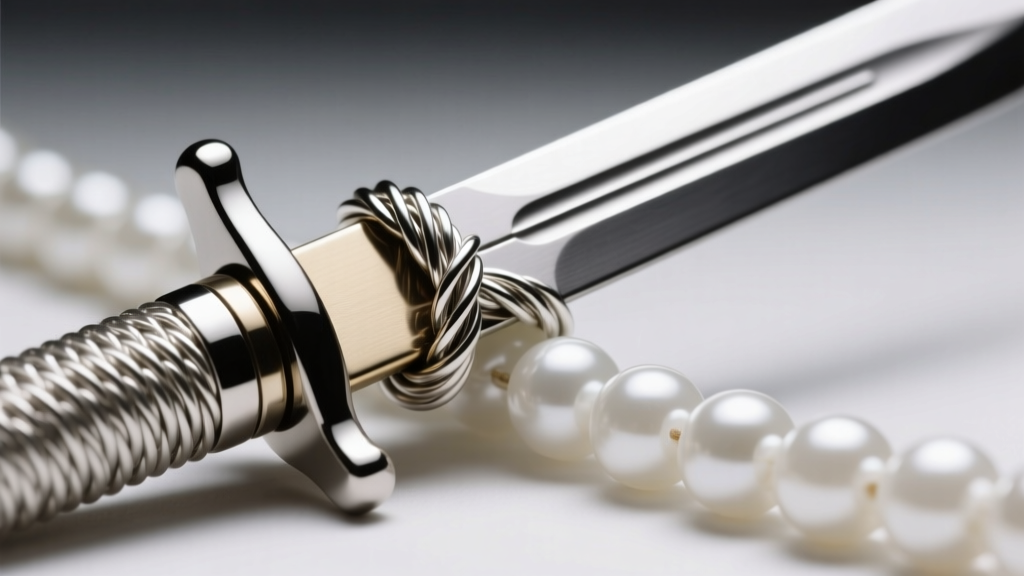
Whether using silk or wire, the transition point between the stringing material and the metal clasp is a high-friction zone. French wire (also known as gimp or bullion)—a microscopic coiled metal spring—must be threaded over the silk or wire at the clasp loop. This coiled metal acts as a sacrificial abrasion guard, preventing the metal clasp from sawing through the stringing material over time. For white bead necklaces, silver-toned or white-gold-plated French wire is used to maintain color continuity.
Sizing, Knotting Tolerances, and Maintenance
The structural integrity of a knotted white beads long necklace relies on precise tolerances. The knot between each bead must be exactly 0.5mm to 1mm larger than the drill hole of the bead. If the knot is too small, it will slip inside the bead, causing the beads to rub against one another. For pearls, this nacre-on-nacre friction will rapidly destroy the surface luster.
Proper care of organic white beads requires avoiding ultrasonic cleaners and harsh chemicals. According to the Gemological Institute of America (GIA), pearls should be wiped with a soft, damp cloth after every wear to remove acidic skin oils that can etch the nacre over time.
Decision Framework for Buyers
- For Heirloom Investment: Choose knotted Akoya or high-grade Freshwater pearls on Size F silk with a bayonet clasp. Expect to pay $800 - $2,500+ for a 40-inch strand.
- For Everyday Durability: Opt for 8mm Rainbow Moonstone or Opaline Glass strung on 0.018" 49-strand coated wire with crimp beads and a magnetic N52 clasp. Cost: $150 - $400.
- For Budget Fashion: Select dyed howlite on 0.024" heavy wire. Be aware that howlite dye can transfer to white clothing if exposed to sweat or perfume. Cost: $50 - $120.
Ultimately, a beautifully executed white beads long necklace is a triumph of micro-engineering. By respecting the specific gravity of the materials, utilizing the correct tensile stringing medium, and securing the strand with torque-resistant hardware, you ensure the piece remains both structurally sound and aesthetically flawless for decades.


