Witch Knot Necklace: 2026 Mystical Jewelry Trends
Discover the 2026 witch knot necklace trend. Explore styling tips, metal grades, and the mystical history behind this dark academia jewelry staple.

The Resurgence of the Witch Knot in 2026
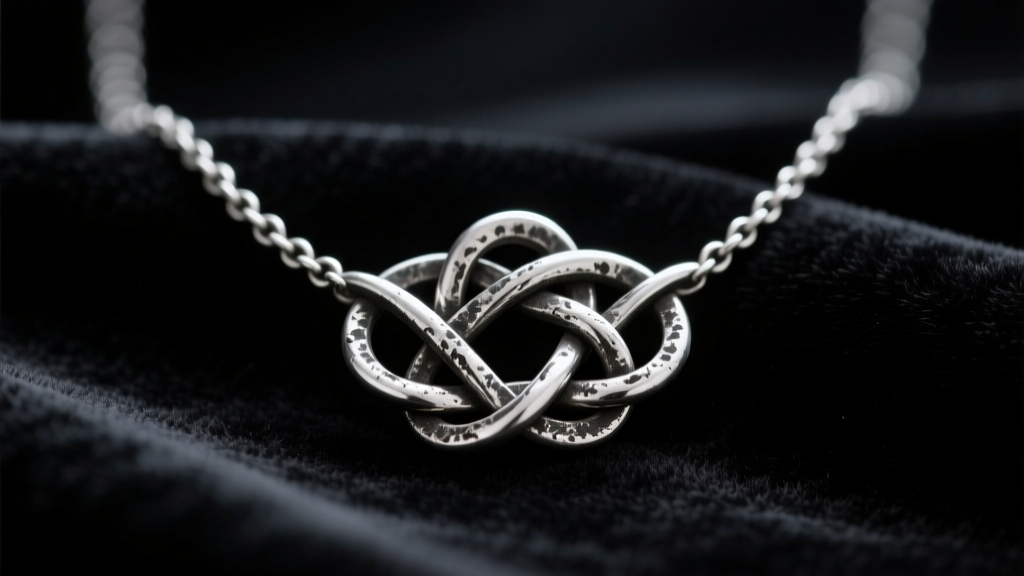
The witch knot necklace has transcended its niche pagan roots to become a defining staple of the 2026 mystical jewelry movement. Driven by the sustained popularity of dark academia, whimsigoth, and neo-romantic aesthetics, this intricate pendant style is no longer relegated to costume shops or niche metaphysical stores. Today, fine jewelers and independent metalsmiths are reimagining the spell knot using premium materials, precise wire gauges, and sophisticated casting techniques. Whether you are a practicing Wiccan, a folklore enthusiast, or simply a lover of meaning-driven maximalist jewelry, understanding the anatomy, material grades, and styling frameworks of the witch knot necklace is essential for navigating this year's trends.
Decoding the Symbolism: Spell Knots vs. Celtic Knots
Before investing in a piece, it is crucial to distinguish between a true witch knot (often referred to as a spell knot or bind knot) and traditional Celtic shield knots. According to historical archives documented by BBC History, Celtic knots are primarily continuous, unbroken loops symbolizing eternity and the interconnectedness of life. In contrast, the witch knot is deeply rooted in Wiccan and folk magic traditions. It typically features a more chaotic, intertwined, or bound design, representing the tying of a spell, the binding of negative energy, or the weaving of intentions. In 2026, we are seeing a surge in "intention-setting" jewelry, where the physical act of touching the knot serves as a grounding mechanism for the wearer.
Material & Gauge Guide: Choosing Your Metal
The structural integrity of a witch knot necklace relies heavily on the metal grade and the wire gauge used by the artisan. Because the design requires sharp bends and overlapping wire paths, metals that are too soft (like pure 24k gold or 999 fine silver) will warp and lose their shape under the weight of the chain. The industry standard for high-quality mystical jewelry is 925 sterling silver, often treated with liver of sulfur to create an oxidized, antiqued finish that emphasizes the knot's deep crevices.
For those preferring a "sun witch" or light-cottagecore aesthetic, 14k solid yellow gold (585 purity) offers the perfect balance of richness and tensile strength. Avoid gold-plated brass for intricate knots; the plating will inevitably wear off at the friction points where the wires cross, revealing the base metal beneath.
| Metal Type | Purity/Grade | Average Wire Gauge | Price Range (2026) | Maintenance Level |
|---|---|---|---|---|
| Oxidized Silver | 925 Sterling | 16g - 14g | $45 - $120 | Low (Patina hides wear) |
| Polished Silver | 925 Sterling | 18g - 16g | $35 - $90 | High (Requires polishing) |
| Solid Yellow Gold | 14k (585) | 18g - 16g | $250 - $600 | Medium (Soft, bends easily) |
| Vermeil | 925 Base / 2.5µm Gold | 18g | $80 - $150 | High (Avoid moisture) |
The Mechanics of the Bail and Chain Pairing
A common failure point in mass-market mystical jewelry is the bail—the loop that connects the pendant to the chain. In authentic artisan witch knot necklaces, the top loop of the knot itself often serves as an integrated bail. This creates a seamless, organic look but introduces a mechanical challenge: the inner diameter of this loop is frequently less than 4mm. Standard lobster clasps are often too bulky to thread through. Therefore, you must pair these pendants with chains that feature a removable end cap, a spring-ring clasp, or a specialized 3mm trigger clasp.
When selecting a chain, match the visual weight of the knot. A heavy, 14-gauge cast silver knot will easily snap a delicate 1mm cable chain. Instead, opt for a 2.5mm to 3.5mm rolo chain or a medium box chain. These styles offer the necessary tensile strength while complementing the rugged, historical vibe of the pendant.
Layering Frameworks for the Mystical Aesthetic
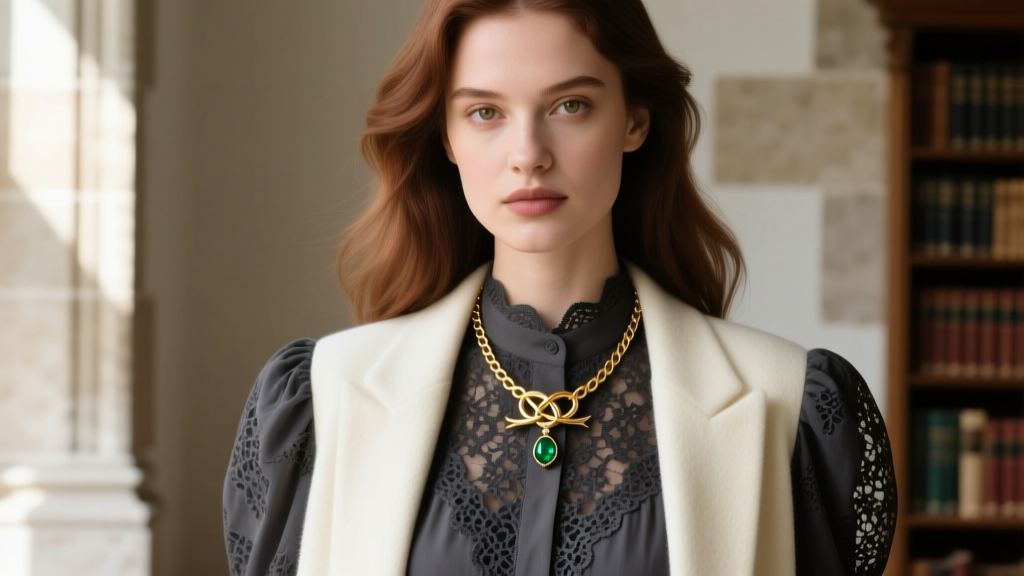
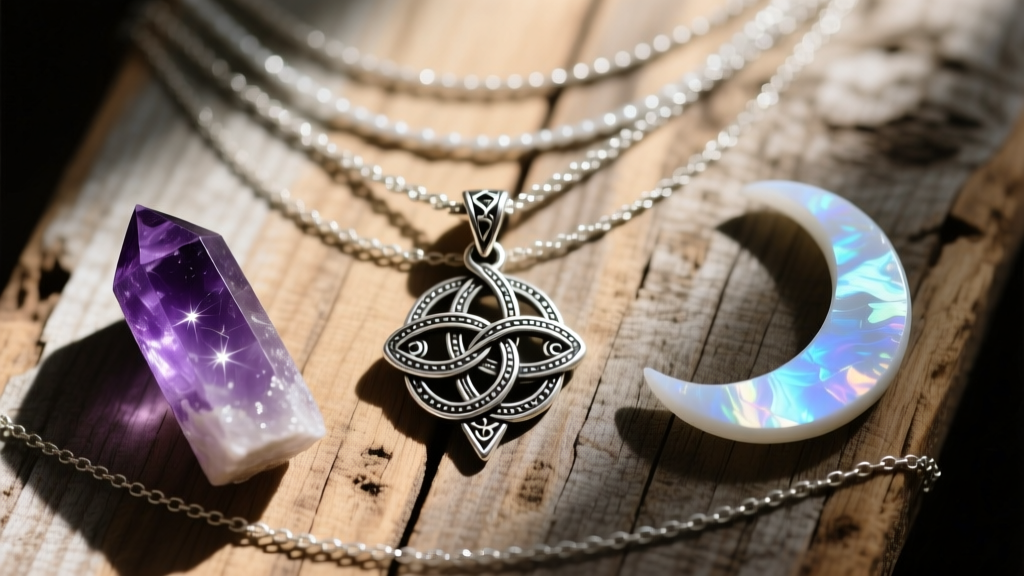
The 2026 layering trend has moved away from haphazard clustering toward curated, asymmetrical "storytelling" stacks. When styling a witch knot necklace, utilize the Anchor-Knot-Talisman framework to ensure each piece is visible and the necklines remain flattering.
- The Anchor (16 inches): Start with a delicate, lightweight chain featuring a subtle celestial motif, such as a 4mm moonstone cabochon or a tiny crescent moon. This sits at the collarbone and provides a bright, polished contrast to the heavier knot.
- The Knot (18 to 20 inches): This is your centerpiece. The witch knot necklace should sit squarely in the center of the chest. If the knot is highly oxidized silver, pair it with a matte-finished chain to maintain the moody, antique aesthetic.
- The Talisman (24 to 28 inches): Finish the stack with a long, heavy chain holding a raw, uncut crystal point (like smoky quartz or black tourmaline) or an engraved brass locket. This draws the eye downward, elongating the neck and completing the whimsigoth silhouette.
Casting Methods: Artisan vs. Mass Market
As reported by industry analysts at National Jeweler, the demand for handcrafted, small-batch jewelry has sharply outpaced mass-produced factory pieces in the mystical sector. When shopping for a witch knot necklace, examine the manufacturing method. Cheap, die-stamped pendants are punched from thin sheets of metal, resulting in hollow backs, sharp wire edges, and a lightweight, tinny feel. Conversely, premium artisan pieces utilize lost-wax casting. This ancient technique allows the jeweler to carve the intricate knot design in wax, which is then encased in investment plaster and burned out, leaving a perfect mold for molten silver or gold. The result is a solid, heavy pendant with smooth, rounded wire paths that feel substantial and luxurious against the skin.
Furthermore, look for hallmarks such as '925' or '14k' stamped discreetly on the back of the bail or the bottom loop of the knot. Authentic makers will also provide a certificate of authenticity or a detailed breakdown of the alloy composition, ensuring you are not purchasing a pot-metal alloy disguised with a thick rhodium flash.
Care and Maintenance of Oxidized Silver
If you choose an oxidized sterling silver witch knot necklace, proper maintenance is critical to preserving the dark, dramatic patina that defines the style. The blackening in the crevices is achieved through a chemical reaction with liver of sulfur. To protect this finish, never use commercial silver dip solutions, ultrasonic cleaners, or abrasive polishing cloths on the pendant. These methods will strip the oxidation from the deep grooves, leaving you with a flat, uniform, and overly bright silver piece that loses its mystical character. Instead, clean your necklace using only a soft, dry microfiber cloth, gently wiping the raised, high-polish areas while avoiding the recessed, blackened loops.
Additionally, remove your oxidized silver jewelry before swimming in chlorinated pools or entering hot springs, as the sulfur and chemicals will react unpredictably with the copper content in the sterling alloy, potentially turning the dark patina into an unnatural, brassy green. Store the necklace in an anti-tarnish flannel pouch, separated from harder gemstones that could scratch the silver surface.
Final Thoughts on the Mystical Movement
The witch knot necklace is far more than a fleeting seasonal trend; it represents a broader cultural shift toward jewelry that serves as a personal talisman. By prioritizing solid metals, appropriate wire gauges, and intentional layering techniques, you can integrate this powerful symbol into your everyday wardrobe with sophistication and durability. Whether you are drawn to the moody allure of oxidized silver or the radiant energy of 14k gold, the spell knot remains a timeless anchor in the ever-evolving landscape of mystical fashion.


