The Yellow Statement Necklace: 2026 Trend & Style Guide
Discover how to style a bold yellow statement necklace in 2026. Explore trending materials, neckline pairings, and expert layering techniques.

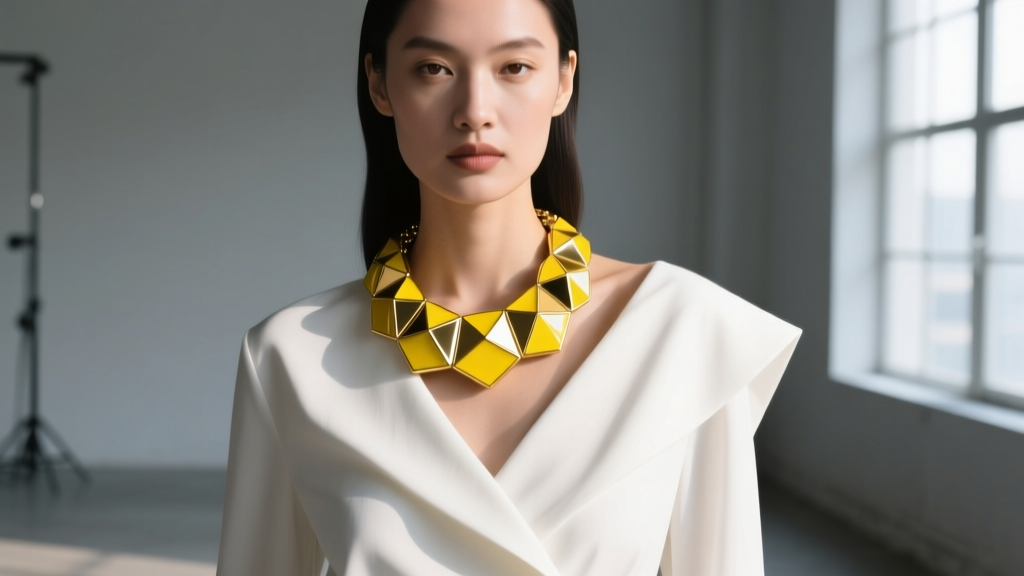
The Resurgence of Solar Hues in 2026 Jewelry Trends
In the landscape of 2026 fashion, the transition from quiet luxury to intentional chromatic therapy has placed the yellow statement necklace at the forefront of accessory design. Moving beyond the subtle gold tones of previous years, this season demands high-impact, saturated solar hues that serve as the focal point of an ensemble. The yellow statement necklace is no longer just a seasonal accent; it is an architectural piece of personal expression that anchors both avant-garde runway looks and elevated everyday wardrobes.
According to trend forecasting from the Pantone Color Institute, the psychological shift towards "dopamine dressing" has evolved into a more refined appreciation for colors that evoke warmth, optimism, and intellectual energy. Yellow, specifically in its marigold, amber, and neon-chartreuse variations, is dominating high jewelry and contemporary artisan markets. However, pulling off a piece of this visual magnitude requires a strategic understanding of material quality, proportion, and color theory.
Material Breakdown: What Makes a Yellow Necklace "Statement" Quality?
Not all yellow jewelry is created equal. The longevity, visual depth, and price point of a yellow statement necklace depend entirely on its material composition. When investing in a piece meant to command attention, understanding the difference between surface treatments and intrinsic gemstone color is critical.
| Material | Durability & Mohs Scale | Average Price Range | Best Application |
|---|---|---|---|
| Cold Enamel (Epoxy Resin) | Low (Prone to scratching & UV yellowing) | $40 - $150 | Trend-driven, seasonal wear |
| Vitreous Enamel | High (Fused glass, Mohs 5.5-6.5) | $180 - $600 | Heirloom-quality color blocking |
| Natural Citrine | Good (Mohs 7, requires heat care) | $250 - $900 | Organic, faceted gemstone statements |
| Yellow Sapphire | Excellent (Mohs 9, highly scratch-resistant) | $1,500 - $5,000+ | Fine jewelry investment pieces |
The Enamel Distinction: Cold vs. Vitreous
Many contemporary brands utilize cold enamel (an epoxy resin) to achieve vibrant, opaque yellow tones. While cost-effective, cold enamel is susceptible to micro-scratching and will degrade or shift color when exposed to prolonged UV light and chemical sunscreens. For a true statement piece that retains its integrity, seek out vitreous enamel. This traditional technique involves fusing powdered glass to a metal substrate at temperatures exceeding 1400°F. The resulting yellow is luminous, completely UV-stable, and possesses a glass-like depth that resin simply cannot replicate.
Gemstone Integrity: Citrine vs. Yellow Sapphire
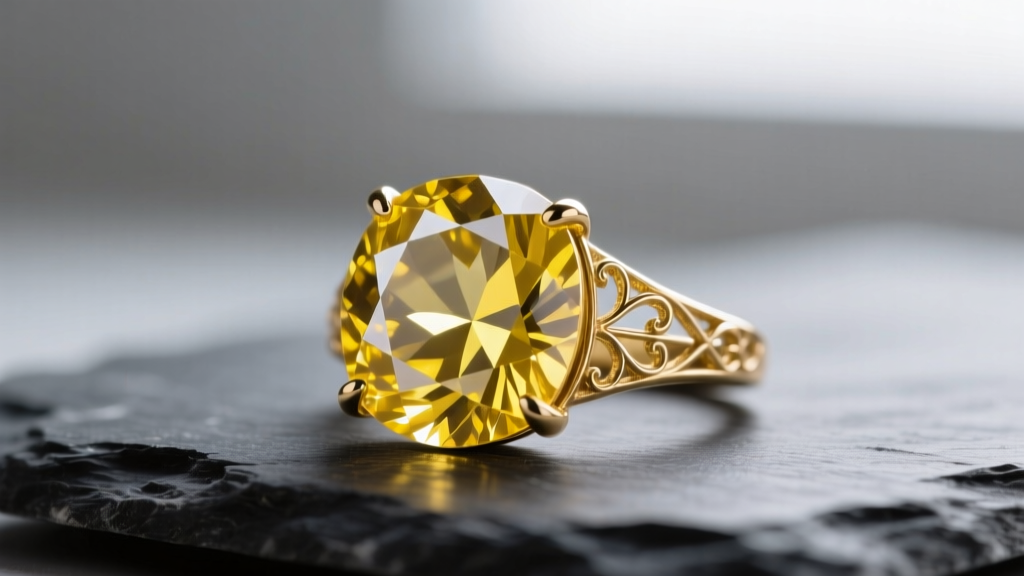
For those who prefer the light refraction of faceted stones, the gemological distinction is paramount. The Gemological Institute of America (GIA) notes that much of the commercial citrine on the market is actually heat-treated amethyst. While beautiful and affordable, natural, unheated citrine is much paler. If you demand a deeply saturated, natural yellow gemstone with exceptional durability for a heavy statement pendant, yellow sapphire is the superior choice, offering a Mohs hardness of 9 that withstands daily impact.
Neckline Architecture: Pairing Proportions Perfectly
A yellow statement necklace carries significant visual weight. If the neckline of your garment competes with the jewelry, the overall look becomes chaotic. The key to styling these pieces in 2026 is utilizing negative space and structural necklines to frame the jewelry.
- The Asymmetrical Slash: A one-shoulder or asymmetrical neckline creates a diagonal line that naturally guides the eye toward the collarbone. Pair this with an 18-inch yellow statement choker or a rigid collar necklace to emphasize the architectural contrast.
- The Deep V-Neck (Plunge):strong> Ideal for pendant-style yellow statements. Ensure the pendant drops exactly 1.5 inches above the apex of the V-neck. A 24-inch to 28-inch chain length works best here, allowing a large citrine or enamel drop to float against the skin without tangling in the fabric.
- The Structured Halter: Halter necklines draw attention to the shoulders and upper chest. Avoid long chains here; instead, opt for a multi-strand yellow bead or resin bib necklace that sits flush against the clavicle (14 to 16 inches).
- The Classic Crew (Elevated):strong> To make a yellow statement piece work with a high crew neck, the necklace must be substantial enough to rest entirely on top of the fabric. Look for pieces with a heavy 4mm to 6mm gold vermeil rope chain and a large, flat-facing geometric yellow pendant.
Advanced Color Theory: Styling Beyond Monochromatic
While pairing a yellow statement necklace with a matching yellow garment was a popular runway trend in the early 2020s, 2026 styling favors complex, high-contrast color pairings rooted in traditional color theory.
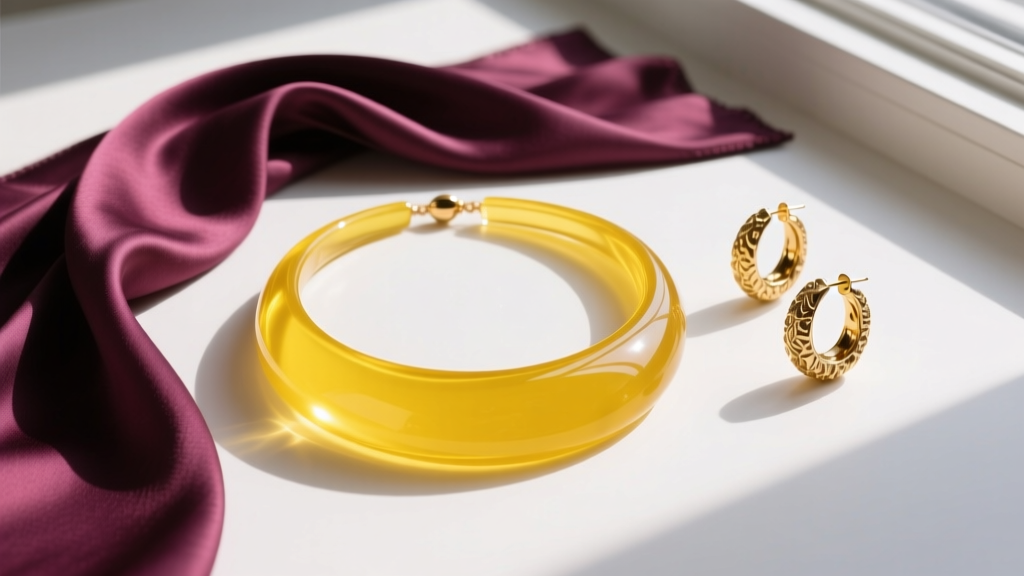
"The most striking use of a dominant yellow accessory occurs when it is grounded by deep, cool-toned neutrals or juxtaposed against its direct complementary hue, violet. This creates a vibration that makes the yellow appear almost luminescent." — Contemporary Color Theory in Fashion Styling
For a sophisticated evening look, pair a marigold vitreous enamel statement necklace with deep plum, aubergine, or midnight blue silk. The cool, dark undertones of these fabrics absorb excess light, allowing the warm yellow tones to project outward. For daytime or spring styling, utilize analogous colors: pair chartreuse or lemon-yellow jewelry with olive greens and soft teals. Avoid pairing bright yellow statements with stark, cool-toned whites or icy silvers, as this can wash out the wearer's complexion and make the yellow appear brassy rather than golden.
Layering the Yellow Statement Piece
Layering a massive yellow statement necklace requires a delicate balance of scale and metal tone. The golden rule for 2026 layering is the "One Hero, Two Supporting" framework. Your yellow piece is the hero. The supporting chains should not exceed 2mm in thickness and should serve purely as textural accents.
If your yellow statement piece features 18k yellow gold hardware, layer it with a 14-inch, 1.5mm yellow gold satellite chain and a 22-inch, 2mm box chain. Avoid mixing metals directly against the yellow statement piece, as the contrast between silver and bright yellow can look disjointed. Furthermore, ensure all supporting chains utilize secure lobster clasps rather than spring rings; the friction and weight of layered jewelry can easily compromise weaker clasp mechanisms over time.
Care and Maintenance for Vibrant Yellow Pigments
Yellow jewelry, particularly pieces utilizing organic resins or certain treated gemstones, requires specific maintenance to prevent color shifting. Citrine, for example, is sensitive to extreme thermal shock and prolonged exposure to high heat, which can cause the stone's color to fade or become uneven. Always remove citrine statement pieces before using saunas, hot tubs, or undergoing heat-based salon treatments.
For cold enamel and resin yellow necklaces, avoid direct contact with DEET-based insect repellents, alcohol-based perfumes, and chemical sunscreens. These solvents can break down the epoxy matrix, leading to a cloudy, dull finish. To clean vitreous enamel or yellow sapphire, use a simple solution of warm water and a few drops of pH-neutral dish soap, gently agitating with a soft-bristled baby toothbrush. Dry immediately with a microfiber cloth to prevent water spots from dulling the high-polish metal settings. By treating your yellow statement necklace with this level of material-specific care, you ensure its vibrant, sun-drenched hue remains a staple of your wardrobe for years to come.


