ZZ Top Pearl Necklace Lyrics & 1980s Vintage Pearl Troubleshooting
Searching for ZZ Top pearl necklace lyrics? Discover our expert troubleshooting guide for authenticating and repairing vintage 1980s pearl necklaces.

The Cultural Hook: ZZ Top, 80s Excess, and the Multi-Strand Pearl
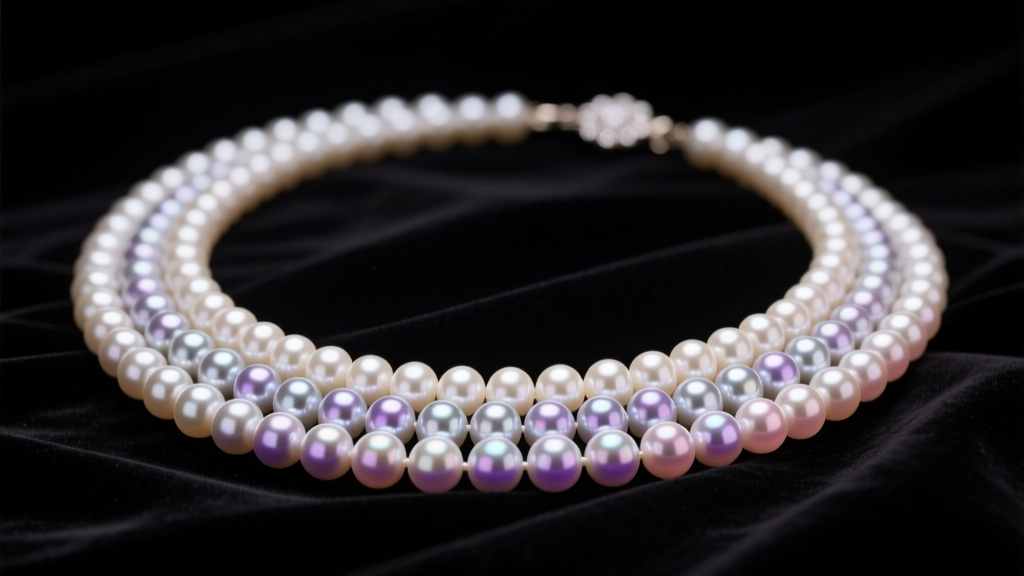
When fans search for zz top pearl necklace lyrics, they are usually diving into the gritty, blues-rock storytelling of the band's 1981 album El Loco. The song 'Pearl Necklace' captures a specific cultural moment: the transactional tension, the rebellious excess, and the heavy luxury that defined the early 1980s. In the jewelry world, that era was synonymous with a very specific, highly problematic piece of jewelry—the heavy, multi-strand pearl choker.
Unlike the delicate, single-strand Akoya pearl necklaces of the 1950s, the 1980s demanded volume. Three, four, or even five strands of 7.0mm to 8.5mm pearls were twisted together and fastened with massive gold clasps. Today, as these vintage pieces circulate in the 2026 estate market, they present a unique set of structural and chemical nightmares for collectors and jewelers. If you own a piece of this rock-and-roll history, you need to know how to troubleshoot its inevitable failures.
Troubleshooting Common 1980s Pearl Necklace Failures
A four-strand necklace of 7.5mm cultured pearls contains roughly 220 individual gems. At an average weight of 0.35 grams per pearl, the total dead weight exceeds 77 grams. When you add the heavy 14k gold box clasp typical of the era, you have a necklace that places immense, continuous shear stress on its stringing materials.
Silk Thread Degradation and Stretching
In the 1980s, jewelers primarily used Size E or Size F pure silk thread for multi-strand pieces. After 45 years, natural silk undergoes severe hydrolysis and protein degradation, especially if exposed to the humidity and sweat of the wearer. The Failure Mode: You will notice 'gapping' between the pearls when the necklace is laid flat, and a dangerous droop near the clasp. In 2026, we strongly advise against wearing any unrestored 1980s multi-strand pearl necklace. The risk of a catastrophic strand break is exceptionally high.
Clasp Mechanism Fatigue and Solder Failure
The standard 1980s clasp was a 14k yellow gold box clasp with a tongue-and-groove mechanism, flanked by two 'figure-8' safety wires. The problem? The sheer weight of the pearls causes the tongue to bend slightly every time the necklace is put on or taken off. Over decades, this metal fatigue causes the tongue to slip out of the groove. Furthermore, the solder joints holding the safety wires to the main clasp body often crack under the 80-gram load. Always inspect the solder joints with a 10x jeweler's loupe before purchasing a vintage multi-strand piece.

Authentication Matrix: Real vs. 1980s Imitations
The 1980s saw a massive boom in high-end imitation pearls, most notably from the Spanish brand Majorica. Majorica pearls were created by coating glass beads with essence d'orient (a mixture of guanine crystals derived from fish scales and lacquer). Because these were sold in high-end department stores alongside fine jewelry, many estate pieces today are mistakenly identified as real. Use this troubleshooting matrix to verify your necklace:
| Test / Feature | Authentic 1980s Akoya Cultured | Majorica / Imitation (1980s) |
|---|---|---|
| The Tooth Test | Gritty, sandy texture (nacre crystalline structure) | Perfectly smooth, glass-like feel |
| Drill Hole Inspection | Sharp, clean hole; nacre meets the nucleus seamlessly | Rounded edges; visible peeling or flaking of the coating |
| Luster Quality | Deep, mirror-like with a subtle rose or silver overtone | Uniform, milky, and overly perfect across every strand |
| Weight | Heavier due to solid nacre and bead nucleus | Slightly lighter (if plastic core) or similar (if glass core) |
For definitive verification, the Gemological Institute of America (GIA) recommends x-radiography to measure nacre thickness, which is crucial for 1980s Akoya pearls, as some were harvested too early and feature dangerously thin nacre layers that peel over time.
Chemical Damage: The Hairspray and Perfume Problem
The aesthetic of the 1980s relied heavily on aerosol hairsprays (like Aqua Net) and heavy, alcohol-based perfumes. Pearls are organic gems, primarily composed of calcium carbonate (aragonite) and a protein matrix called conchiolin. They are highly susceptible to acid and chemical erosion.
- Hairspray Buildup: Creates a dull, matte film over the nacre that cannot be wiped off. It requires professional polishing with a specialized, non-abrasive gemological cloth.
- Perfume Etching: Alcohol and essential oils degrade the conchiolin protein. If your vintage pearls show a 'chalky' white spot near the drill holes, the nacre has been chemically etched. This damage is irreversible.
- 2026 Cleaning Protocol: Never use ultrasonic cleaners or steam. Wipe gently with a microfiber cloth dampened with distilled water and a drop of pH-neutral castile soap. For deep restoration, consult a certified pearl specialist.
Restringing and Maintenance: A 2026 Cost & Material Guide
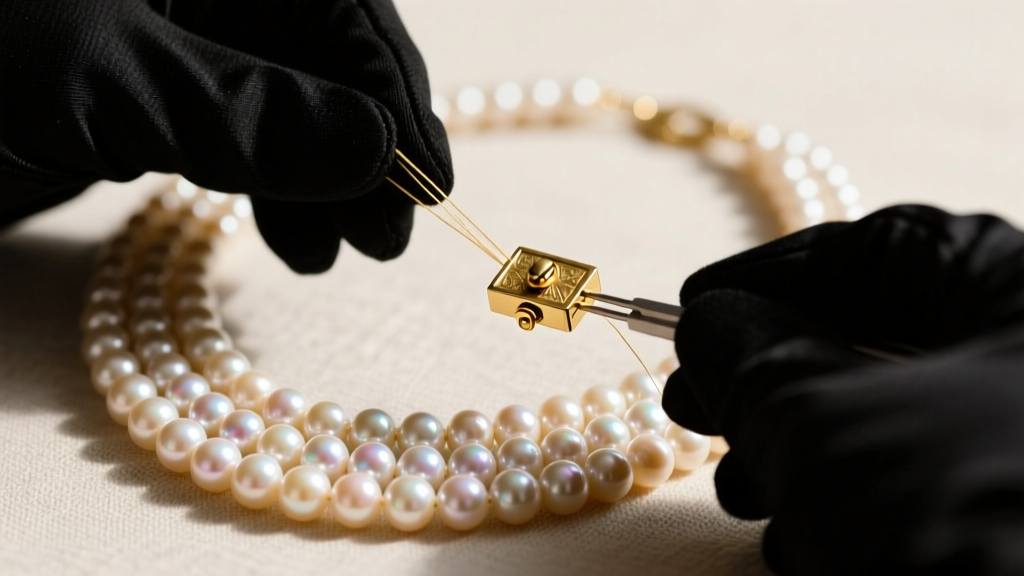
If you are salvaging a vintage multi-strand pearl necklace inspired by the ZZ Top era, restringing is not optional; it is a mandatory safety measure. The American Gem Society (AGS) emphasizes that proper stringing techniques are vital for preserving heavy pearl jewelry. Here is what you need to know about modern restoration:
Material Upgrades
While traditionalists demand pure silk, modern jewelers in 2026 often recommend synthetic alternatives for heavy, multi-strand 1980s pieces. Materials like PowerPro (a braided gel-spun polyethylene) offer the drape of silk but possess a tensile strength that is 10 times greater, virtually eliminating the risk of a snap. If you insist on silk, you must upgrade to Size FF or #8 thread, and the jeweler must use French wire (gimp)—a fine metal coil—where the thread passes through the metal clasp loop to prevent friction cutting.
Expected Restringing Costs
Multi-strand restringing is a highly specialized, time-consuming process. Expect to pay between $6.00 to $12.00 per inch per strand in 2026. For a 16-inch, four-strand necklace, professional restringing with French wire and knotting between every pearl will typically range from $380 to $750, depending on the pearl size and the complexity of the clasp reattachment. Always ensure your jeweler replaces the figure-8 safety catches with modern, heavy-duty spring-ring safeties to handle the excess weight.
Conclusion: Preserving the Rock-and-Roll Legacy
The cultural footprint of the 1980s, immortalized in ZZ Top's music and the era's bold fashion, lives on in these heavy, multi-strand pearl necklaces. However, the romance of the era must be balanced with the physical realities of aging organic gems and fatigued metals. By understanding the specific failure modes of 1980s stringing materials, knowing how to spot a Majorica imitation, and investing in modern, high-tensile restringing, you can keep these iconic pieces wearable for decades to come. The music may be vintage, but with the right troubleshooting, your pearls don't have to show their age.


