Master Round Nose Jewelry Pliers for Nose Hoop Adjustments
Learn how to safely use round nose jewelry pliers to adjust seamless nose hoops and septum rings without scratching your precious metals.

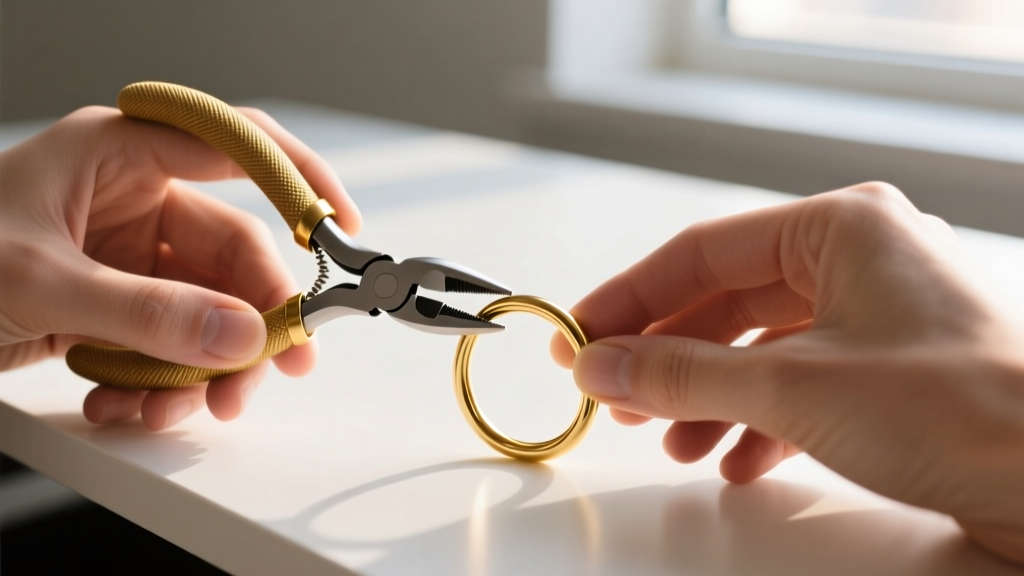
Getting the perfect fit for a nostril or septum piercing often requires minor adjustments that go beyond what your fingers can safely manage. Whether you are tweaking the diameter of a seamless hoop, reshaping a warped captive bead ring, or bending a custom wire for an L-shaped stud, having the right tools is non-negotiable. For beginners stepping into the world of jewelry maintenance and custom adjustments, mastering the use of round nose jewelry pliers is an essential skill. Unlike standard household tools, these specialized pliers are designed to manipulate delicate metals without compromising their structural integrity or leaving unsightly marks.
In this comprehensive beginner-friendly guide, we will explore exactly how to use round nose jewelry pliers to adjust your nose piercing jewelry safely. We will cover material-specific techniques, step-by-step shaping methods, and crucial hygiene practices recommended by industry professionals to ensure your piercings remain healthy and your jewelry stays pristine.
Why You Need Round Nose Jewelry Pliers for Nose Piercings
Many beginners make the mistake of using flat-nose pliers, needle-nose pliers, or even their teeth to adjust nose hoops. This is a critical error. Flat jaws will crimp the wire, creating weak points and sharp edges that can irritate your piercing fistula. Teeth can chip, and human saliva introduces harmful bacteria to the jewelry. Round nose jewelry pliers feature smooth, conical jaws that taper from a wide base to a narrow tip. This specific geometry allows you to create smooth, continuous curves and loops. When adjusting a seamless nose hoop, the rounded jaws distribute pressure evenly across the wire, preventing the metal from kinking or flattening. According to the Association of Professional Piercers (APP), maintaining the smooth surface finish of your jewelry is vital for preventing bacterial buildup and ensuring a comfortable healing or wearing experience.
Anatomy of the Tool: What to Look For
Not all pliers are created equal, and investing in the right pair will save you from ruining expensive jewelry. When shopping for round nose jewelry pliers, you will generally encounter two main jaw types:
- Bare Steel Jaws: These are traditional, hardened steel cones. They are excellent for gripping and bending raw wire or heavy-gauge stainless steel, but they can easily scratch softer, highly polished metals like 14k gold or anodized titanium.
- Nylon-Coated Jaws: These feature a layer of protective nylon over the steel cones. For beginners working with finished nose jewelry, nylon-coated round nose jewelry pliers are an absolute must-have. They provide the necessary grip and leverage while completely protecting the jewelry's mirror finish from tool marks.
Additionally, look for pliers with a built-in leaf spring mechanism. This spring automatically reopens the jaws after you squeeze, significantly reducing hand fatigue during repetitive adjustments or when working on intricate custom nose screws.
Step-by-Step: Adjusting a Seamless Nose Hoop
Seamless hoops are incredibly popular for both nostril and septum piercings due to their sleek, continuous look. However, they can occasionally warp during shipping or daily wear. Here is how to reshape them using your pliers.
Reshaping a Warped Hoop
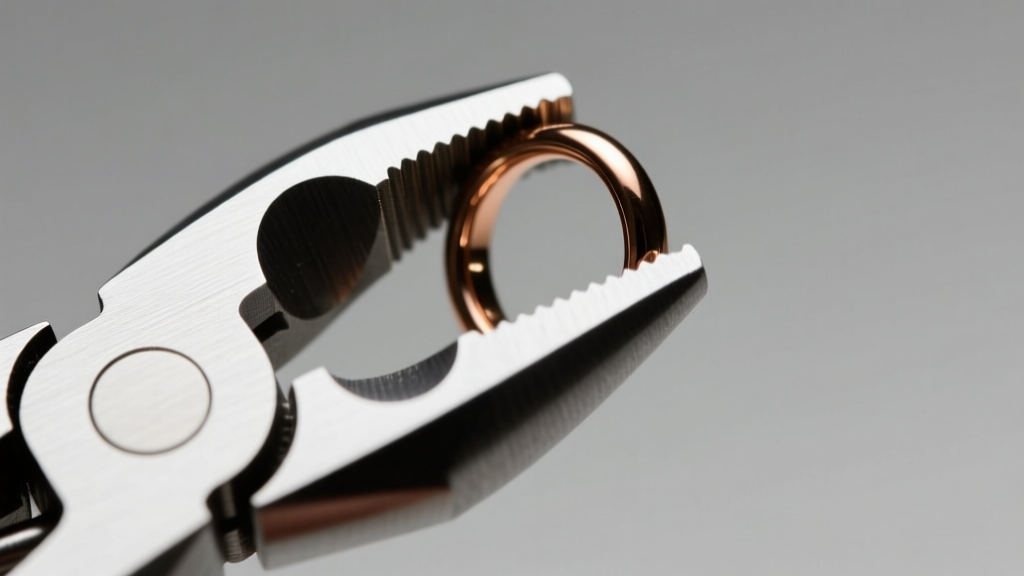
If your hoop has become slightly oval or twisted, do not simply pull it back into place with your fingers. Grip the warped section gently between the wider, middle section of the round nose jewelry pliers. Apply very light, incremental pressure to coax the metal back into a perfect circle. The conical shape of the jaws acts as a natural mandrel, guiding the wire into a smooth curve. Always work in small increments; over-bending can lead to work hardening, a process where the metal becomes brittle and snaps.
Opening and Closing the Seam
When inserting a seamless hoop, you must open the ring by twisting the ends laterally (side-to-side), never by pulling them apart outward. Pulling them outward distorts the perfect circle and makes closing them nearly impossible. Use the tips of your round nose pliers to grip one side of the seam while holding the other side with chain-nose pliers, and gently twist. To close, reverse the twisting motion until the ends click flush together. The rounded jaws ensure that the tension remains evenly distributed across the entire circumference of the hoop.
Material Considerations: Titanium vs. Gold vs. Steel
The amount of force you apply with your round nose jewelry pliers must be dictated by the metal you are working with. Different alloys react differently to bending stress. According to metallurgical guidelines from Rio Grande Jewelry Supply, understanding metal malleability is key to successful jewelry manipulation.
| Metal Type | Common Gauge | Malleability | Recommended Jaw Type | Handling Technique |
|---|---|---|---|---|
| Implant Grade Titanium (ASTM F-136) | 16G / 18G | Low (Springy & Hard) | Nylon-Coated | Requires firm, steady pressure. Bends slowly and may spring back slightly. |
| 14k / 18k Solid Gold | 18G / 20G | High (Soft & Pliable) | Nylon-Coated | Requires very gentle pressure. Scratches and dents easily if bare steel is used. |
| Surgical Steel (316L) | 16G / 18G | Medium (Stiff) | Bare Steel or Nylon | Holds its shape well once bent. Prone to work hardening if bent back and forth. |
When working with implant-grade titanium, remember that it has a high tensile strength and a 'memory' that makes it want to return to its original shape. You may need to bend it slightly past your desired angle to account for spring-back. Conversely, solid gold is highly malleable; a gentle squeeze is usually more than enough to achieve your desired curve.
Common Beginner Mistakes and How to Fix Them
Even with the right tools, beginners often fall into a few common traps. Avoiding these will extend the life of your nose jewelry and keep your piercings healthy.
- Mistake: Bending Back and Forth. If you bend a piece of wire in one direction, realize it is too far, and bend it back, you are inducing work hardening. This weakens the crystalline structure of the metal. Fix: Always bend incrementally in one direction. If you overshoot, gently correct it, but avoid sawing the metal back and forth.
- Mistake: Gripping Too Close to the Tip. The very tips of the pliers are fragile and meant for tiny, tight loops. Using the tips to bend a thick 16-gauge septum ring can bend the pliers themselves. Fix: Use the thicker base of the jaws for heavier gauges and larger hoop diameters.
- Mistake: Ignoring Hygiene. Tools stored in a drawer carry dust, oils, and bacteria. Fix: Always wipe down your round nose jewelry pliers with 70% isopropyl alcohol before they touch your jewelry, and clean the jewelry itself before reinserting it into your piercing.
Maintaining Your Pliers and Jewelry
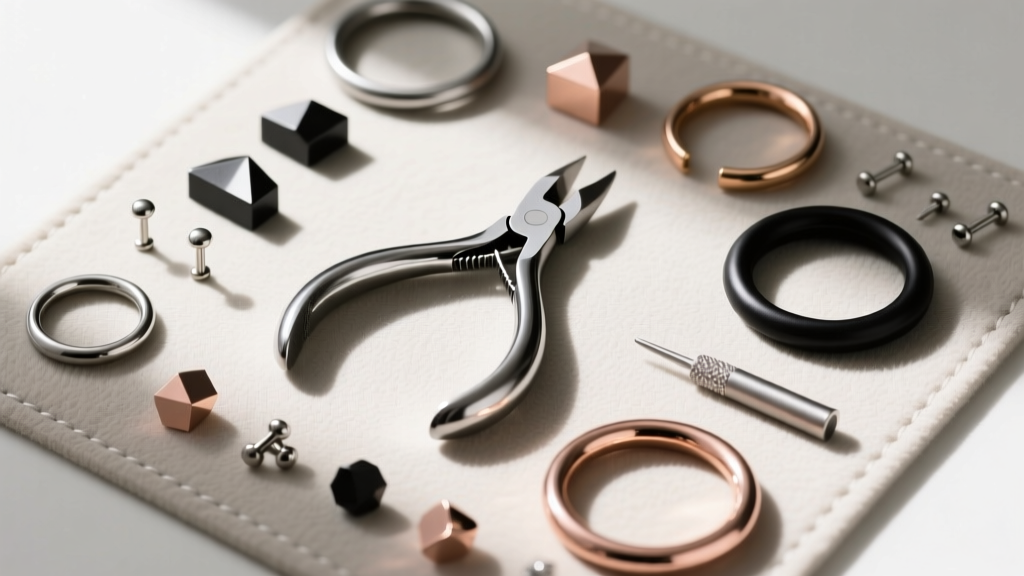
To ensure your tools last a lifetime, proper maintenance is required. After each use, wipe the jaws of your pliers with a soft, lint-free cloth to remove any microscopic metal shavings or skin oils. If you are using nylon-coated pliers, inspect the nylon regularly for deep grooves or tears; if the nylon wears through, the bare steel underneath will scratch your jewelry. Store your pliers in a dry environment to prevent the internal steel mechanisms from rusting, which can cause the jaws to move unevenly.
Pro Tip: Keep a small jar of sterile saline solution and a microfiber cloth on your workspace. After adjusting your nose hoop with the pliers, give it a quick wipe to ensure no residual tool oils are transferred to your piercing site.
Mastering the use of round nose jewelry pliers transforms the way you interact with your nose piercing collection. Instead of relying on a piercer for every minor hoop adjustment or settling for ill-fitting jewelry, you gain the confidence to customize, reshape, and maintain your pieces safely. By respecting the metallurgy of your jewelry and utilizing the smooth, conical jaws of your pliers, you ensure that your nose hoops remain perfectly circular, flawlessly polished, and comfortable for years to come.


