How to Clean All Types of Nose Stud Jewelry Safely
Discover expert cleaning and maintenance tips for all types of nose stud jewelry. Learn how to safely wash titanium, gold, and steel nostril piercings.


Why Material and Anatomy Dictate Your Cleaning Routine
The nostril is a highly active zone for sebum production, dead skin cell turnover, and environmental debris accumulation. When you factor in the microscopic crevices found in the various types of nose stud jewelry, it becomes clear that a one-size-fits-all cleaning approach is a recipe for irritation bumps, localized infections, and degraded metals. Proper maintenance is not just about hygiene; it is about preserving the structural integrity and aesthetic brilliance of your jewelry while maintaining the delicate mucosal tissue of the nasal passage.
According to the Association of Professional Piercers (APP), the vast majority of healing complications and long-term irritation issues stem from improper aftercare and the use of harsh chemicals that disrupt the skin's acid mantle or corrode the jewelry's passivation layer. To maintain a healthy piercing, you must tailor your cleaning protocol to the specific metal grade, gauge thickness, and backing mechanism of your nose stud.
Breaking Down the Types of Nose Stud Jewelry and Their Care Needs
Different metals react differently to bodily fluids, saline, and cleaning agents. Understanding the metallurgy of your jewelry is the first step in establishing a safe maintenance routine.
Implant-Grade Titanium (ASTM F-136)
Titanium is the gold standard for both initial piercings and long-term wear. Specifically, ASTM F-136 implant-grade titanium boasts a highly stable passivation layer (a microscopic oxide film) that makes it virtually impervious to corrosion from bodily fluids.
- Cleaning Advantage: Titanium can safely withstand ultrasonic cleaners and mild enzymatic soaps without degrading.
- Maintenance Note: If your titanium jewelry is anodized (colored via electrical voltage rather than plating), avoid abrasive brushes, as they can scratch the oxide layer and dull the color, though the metal itself remains safe.
14k and 18k Solid Gold (Nickel-Free)
High-quality body jewelry utilizes alloyed solid gold, typically mixed with silver, copper, or zinc to increase durability. However, these alloy metals can be vulnerable to harsh chemicals.
- Cleaning Advantage: Warm water and mild liquid castile soap are ideal for lifting sebum without stripping the alloy metals.
- Maintenance Note: Never use chlorine-based cleaners or expose gold nose studs to swimming pool water. Chlorine causes a galvanic reaction that can permanently discolor the gold and weaken the prongs holding your gemstones.
316L Surgical Steel
While popular due to its lower price point, 316L surgical steel contains trace amounts of nickel and relies on a chromium oxide passivation layer to prevent rust.
- Cleaning Advantage: Requires gentle washing with sterile saline.
- Maintenance Note: Prolonged exposure to high-salinity environments or harsh chlorides can compromise the passivation layer, leading to microscopic pitting. Once pitted, the steel harbors bacteria and can leach nickel into the piercing fistula, triggering contact dermatitis.
The Daily vs. Deep Cleaning Protocol
Maintaining your nose stud requires a bifurcated approach: daily upkeep to manage biological buildup, and periodic deep cleaning to restore the jewelry's luster.
Daily Upkeep (For Healing and Maintained Piercings)
For daily care, less is more. The Mayo Clinic and professional piercers universally recommend using a sterile, 0.9% sodium chloride wound wash (saline) with no additives.
- Spray the saline directly onto the entry and exit points of the nostril.
- Allow it to sit for 30 seconds to soften any crusties or sebum.
- Gently wipe away the loosened debris with a sterile, non-woven gauze pad. Avoid cotton swabs, as they can leave microscopic fibers tangled around the post or gemstone prongs.
Weekly Deep Cleaning (Jewelry Removal Required)
Once a week, or whenever you swap your jewelry, perform a deep clean on the stud itself.
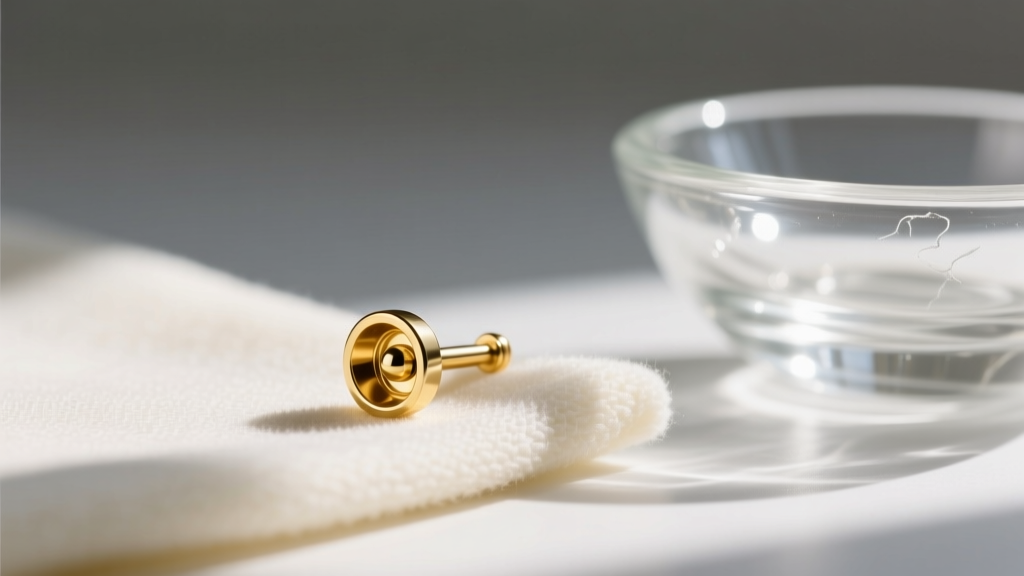
- Fill a small glass bowl with warm water and a few drops of mild, fragrance-free liquid castile soap.
- Submerge the nose stud for 5 to 10 minutes.
- Use an extra-soft, baby-sized toothbrush to gently sweep the crevices of the backing and the underside of the gemstone setting.
- Rinse thoroughly under distilled water to prevent hard water spots, and dry completely with a lint-free microfiber cloth before reinsertion.
Cleaning Specific Backing Mechanisms
The structural design of your nose stud dictates where bacteria and biofilm are most likely to hide. Standard nostril gauges (typically 20G/0.8mm or 18G/1.0mm) leave very little room between the jewelry and the fistula, making the backing mechanism a critical focal point for hygiene.
Threadless and Internally Threaded Flat Backs
Flat back labrets are the most hygienic option for nostrils. The flush-fitting back prevents the 'mushrooming' effect of healing tissue and minimizes debris traps. To clean the internal threads or the threadless pin, use a soft interdental brush dipped in soapy water to clear out the microscopic shaft where the pin inserts.
L-Bends and Nose Screws
These traditional wire-based studs are notorious for trapping dead skin cells in the curves of the wire. When cleaning an L-bend or a screw, pay special attention to the 90-degree angle or the spiral coil. Soaking is mandatory here; mechanical brushing alone cannot reach the inner curvature of the wire where it rests against the inner mucosal wall.
Nose Bones (The Bacterial Trap)
Nose bones feature a small bulb at the end of the post to keep the jewelry in place. This bulb creates a severe pinch-point against the inner nostril tissue, trapping moisture and sebum. If you wear nose bones, you must remove them every few days to clean the bulb and the tissue pocket it rests against, otherwise, you risk developing a localized bacterial or fungal issue.
Chemicals to Avoid: The Damage Matrix
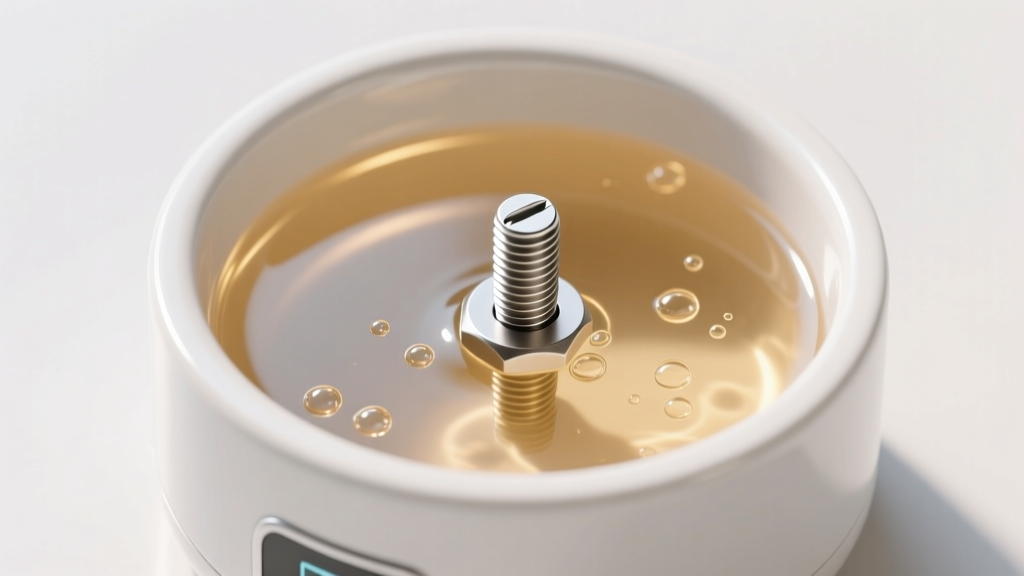
Many people mistakenly believe that stronger chemicals equal a cleaner piercing. In reality, harsh astringents destroy your skin's microbiome and chemically degrade your jewelry. Below is a matrix detailing what to avoid based on your jewelry material.
| Chemical Agent | Materials Affected | Resulting Damage & Piercing Risk |
|---|---|---|
| Rubbing Alcohol / Isopropyl | All Metals, Skin Tissue | Strips the skin's lipid barrier causing micro-tears; dries out and degrades porous gemstones like opals or turquoise. |
| Hydrogen Peroxide | Titanium, Gold, Steel | Kills healthy fibroblasts needed for tissue maintenance; causes rapid oxidation and tarnishing of gold alloys. |
| Tea Tree Oil | Skin Tissue, Porous Gems | Highly caustic undiluted; causes chemical burns on the mucosal membrane and permanently clouds synthetic opals. |
| Chlorine / Bleach | 14k/18k Gold, Steel | Triggers galvanic corrosion; dissolves the solder points on delicate gemstone prongs, leading to lost stones. |
Troubleshooting Common Maintenance Failures
Even with a diligent routine, you may encounter specific issues related to the types of nose stud jewelry you wear. Here is how to troubleshoot them effectively.
The "Piercing Cheese" Odor
That distinct, unpleasant odor is not an infection; it is a combination of oxidized sebum, dead skin cells, and soap residue trapped between the jewelry post and the fistula. The Fix: Switch to a glycerin-based, unscented liquid soap for your weekly deep cleans. Bar soaps contain binders and insoluble salts that leave a film on the metal, which acts as a magnet for biological debris.
Dull or Cloudy Gemstones
If your diamond or sapphire nose stud is losing its sparkle, it is likely coated in a microscopic layer of hand lotion and sebum. Because these stones are non-porous, they can be safely cleaned in an ultrasonic jewelry cleaner for 3 minutes. Warning: Never put lab-created opals, natural pearls, or emeralds in an ultrasonic cleaner. The high-frequency vibrations will shatter the stone or strip the adhesive holding it in the bezel cup.
Irritation Bumps Near the Post
If you develop a small, fluid-filled bump near the entry hole, evaluate your jewelry's gauge and fit. A 20G (0.8mm) wire that is too long will move excessively, acting like a cheese wire against the delicate fistula. Downsize to an 18G (1.0mm) post with a snug-fitting flat back to eliminate mechanical friction, and stick strictly to sterile saline sprays until the bump subsides.
Final Thoughts on Long-Term Piercing Health
Ultimately, the longevity and beauty of your nostril piercing depend on the synergy between high-quality metallurgy and informed, gentle maintenance. By understanding the specific care requirements of your chosen metals and backing styles, you ensure that your piercing remains a healthy, brilliant canvas for your personal style. Treat your jewelry with the same respect you treat your skin, and it will reward you with a lifetime of comfortable, irritation-free wear.


