The Ultimate Guide to Hypoallergenic Nose Piercing Jewelry
Discover the truth about hypoallergenic nose piercing jewelry. Learn which metal grades, gauges, and brands are truly safe for sensitive nostrils.

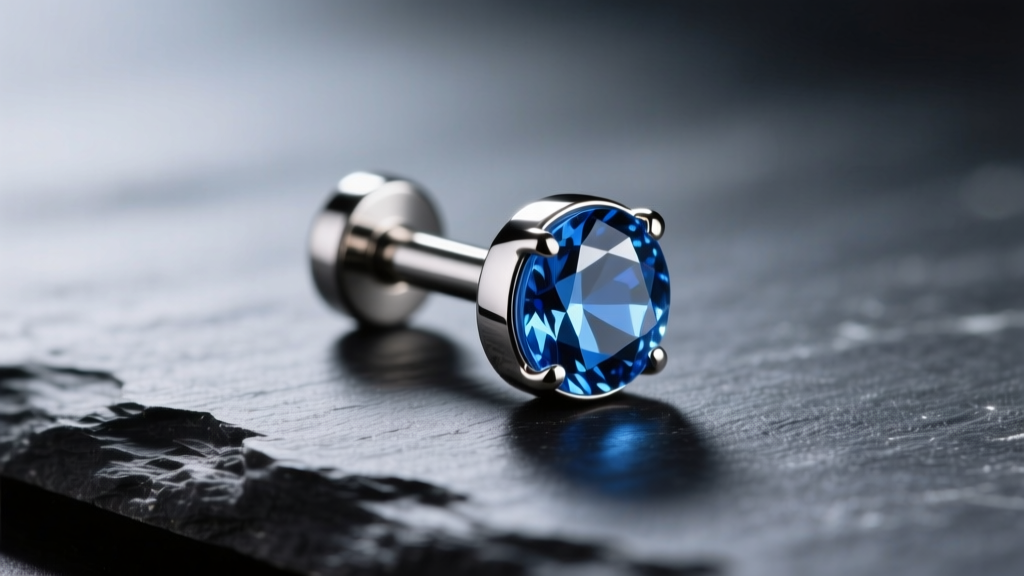
Why "Hypoallergenic" is a Misleading Term in Body Jewelry
If you have sensitive skin or a history of irritation bumps, you have likely spent hours searching for hypoallergenic nose piercing jewelry. However, in the professional body modification industry, the word "hypoallergenic" is largely considered a marketing gimmick. The term has no strict legal or medical definition in jewelry manufacturing, meaning a brand can slap the label on a piece of brass coated in a microscopic layer of gold and call it safe.
As we navigate the body jewelry market in 2026, educated consumers are moving past vague buzzwords and demanding verifiable material certifications. True biocompatibility is not about a marketing label; it is about exact metallurgical compositions, surface finish metrics, and structural engineering. If you are dealing with a stubborn, weeping, or itchy nostril piercing, understanding the science of implant-grade metals is the only way to achieve long-term healing and comfort.
The Big Three: Safe Material Grades for Sensitive Nostrils
When sourcing jewelry for a fresh piercing or a reactive fistula, you must look for specific, verifiable material grades. According to the Association of Professional Piercers (APP), only a handful of materials are approved for initial piercings and long-term wear in sensitive tissue.
1. Implant-Grade Titanium (ASTM F136)
This is the undisputed gold standard for reactive skin. You are not just looking for "titanium"; you need ASTM F136 compliant Ti6Al4V ELI (Extra Low Interstitial). This specific alloy contains 0% nickel and is the exact same metal used in orthopedic joint replacements and pacemakers. It is lightweight, highly resistant to corrosion from sebum and saline, and completely non-magnetic.
2. Pure Unalloyed Niobium
Niobium is a highly biocompatible, nickel-free reactive metal. Unlike titanium, it does not have an ASTM implant standard, but it is widely accepted by professional piercers due to its inert nature. Niobium is also uniquely versatile: it can be anodized using electricity to create a permanent, flake-free spectrum of colors (like deep purples, teals, and golds) without using any toxic paints or platings.
3. Solid 14k or 18k Gold (Nickel-Free Alloyed)
Gold is a classic choice, but pure 24k gold is too soft for body jewelry. It must be alloyed for strength. The danger lies in the alloy mix: cheap white gold is often alloyed with nickel to achieve its silver color, which will trigger severe contact dermatitis. You must seek out solid 14k or 18k gold that is explicitly alloyed with palladium or silver. Reputable brands will provide a nickel-release test certificate upon request.
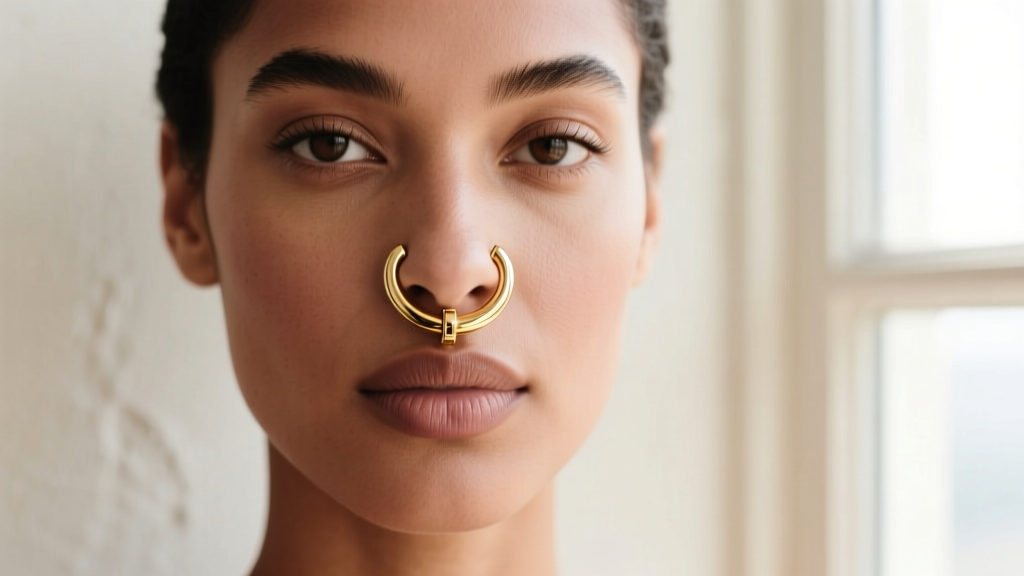
Materials to Absolutely Avoid (The "Surgical Steel" Trap)
To protect your piercing, you must actively avoid the metals that dominate the fast-fashion and mall-kiosk jewelry markets. These materials are the primary culprits behind chronic irritation and localized allergic reactions.
- Surgical Stainless Steel (316L / 316LVM): Despite the "surgical" moniker, this steel contains 8% to 12% nickel. Over time, body fluids break down the passive oxide layer on the steel, leaching nickel directly into the fistula and causing microscopic blistering.
- Sterling Silver (925): Silver contains 7.5% copper, which oxidizes and tarnishes rapidly when exposed to the sulfur and moisture in a healing nostril. This can lead to argyria, a condition where the skin around the piercing permanently turns grayish-black.
- Gold-Plated or Gold-Filled Brass: Plating eventually wears away due to the friction of insertion and the acidity of your skin. Once the brass core is exposed, it will cause immediate irritation and potential heavy metal toxicity in the wound bed.
Gauge, Fit, and Finish: Beyond the Metal
Even if you buy ASTM F136 titanium, poor manufacturing will still ruin your piercing. The physical construction of the jewelry dictates how the tissue heals around it.
Surface Finish (The Ra Metric)
Professional body jewelry must have a mirror polish. In manufacturing terms, this is measured by surface roughness (Ra). Safe jewelry has an Ra of less than 0.8 µm (micrometers). If the metal is matte, scratched, or dull, it harbors bacteria and creates microscopic friction that tears the delicate epithelial lining of the nostril every time you move your face.
Threading and Insertion Mechanics
Never wear externally threaded jewelry (where the screw is on the post). Forcing a sharp, threaded screw through a nostril fistula acts like a cheese wire, tearing the tissue. You must choose between two safe options:
- Threadless (Push-Pin): A slightly bent pin inserts smoothly into a hollow post, using tension to stay secure. This is the most popular and safest option for nostril studs.
- Internally Threaded: The screw is on the decorative end, and the post is completely smooth.
Standard Nostril Gauges
| Gauge Size | Millimeter (mm) | Best Use Case |
|---|---|---|
| 20 Gauge | 0.81 mm | Standard for most commercial nostril studs and delicate hoops. |
| 18 Gauge | 1.02 mm | Preferred by professional piercers for initial piercings to prevent the "cheese-cutter effect" and migration. |
| 16 Gauge | 1.29 mm | Common for septum piercings or heavy-gauge nostril hoops; rarely used for standard nostril studs. |
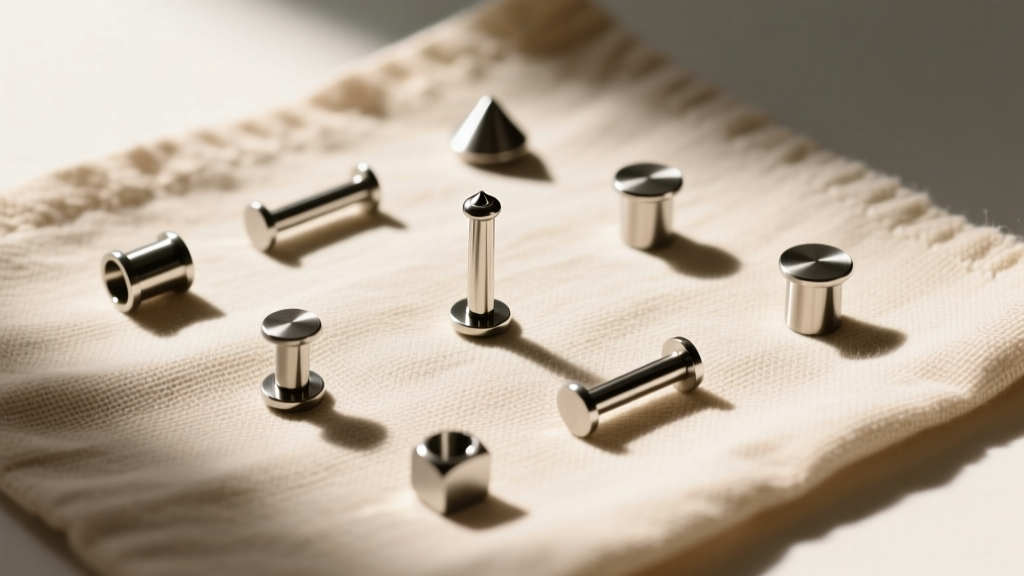
Where to Buy Authentic Implant-Grade Jewelry in 2026
Finding true hypoallergenic nose piercing jewelry requires buying from specialized manufacturers rather than generic e-commerce marketplaces. When shopping, look for these industry-leading brands that guarantee metallurgical purity and mirror finishes:
- BVLA (Body Vision Los Angeles): The pinnacle of high-end, solid gold, and titanium body jewelry. Their gemstone settings are prong-set by hand, ensuring no glue is used near the piercing site.
- NeoMetal: The pioneer of threadless (push-pin) jewelry. Their ASTM F136 titanium posts and snap-together ends are the gold standard for secure, everyday nostril wear.
- Anatometal: Known for rigorous quality control and exceptional internal threading, making them a favorite for custom-fitted nose screws and L-shaped bends.
Troubleshooting: Irritation Bumps vs. True Allergies
Before you throw out your entire jewelry collection, it is vital to differentiate between a metal allergy and mechanical irritation.
A true metal allergy (contact dermatitis) presents as systemic itching, redness, weeping clear fluid, and flaking skin that spreads slightly beyond the immediate puncture site. If you experience this with 316L steel, switching to ASTM F136 titanium will resolve the issue almost immediately.
An irritation bump (hypertrophic scarring or a granuloma), on the other hand, is a localized, fleshy bump right next to the hole. This is rarely a metal allergy. It is almost always caused by mechanical stress: a post that is too long (allowing the jewelry to snag and bounce), an improper piercing angle, sleeping on the side, or using harsh chemicals like tea tree oil. If you have a bump, downsize to a custom-fitted threadless titanium post and clean only with sterile 0.9% sodium chloride saline.
Final Thoughts on Sensitive Piercings
Investing in high-quality, biocompatible metals is not just about aesthetics; it is a matter of tissue health. By ignoring misleading "hypoallergenic" labels and demanding ASTM F136 titanium, pure niobium, or palladium-alloyed gold, you guarantee your nostril piercing remains healthy, comfortable, and beautiful for a lifetime. Always consult with an APP-certified professional piercer to ensure your jewelry's fit, gauge, and finish are perfectly matched to your unique anatomy.


