Ultimate Care Guide for Different Nose Stud Jewelry Types
Learn expert cleaning and maintenance tips for all nose stud jewelry types. Discover material-specific care, saline routines, and healing advice.

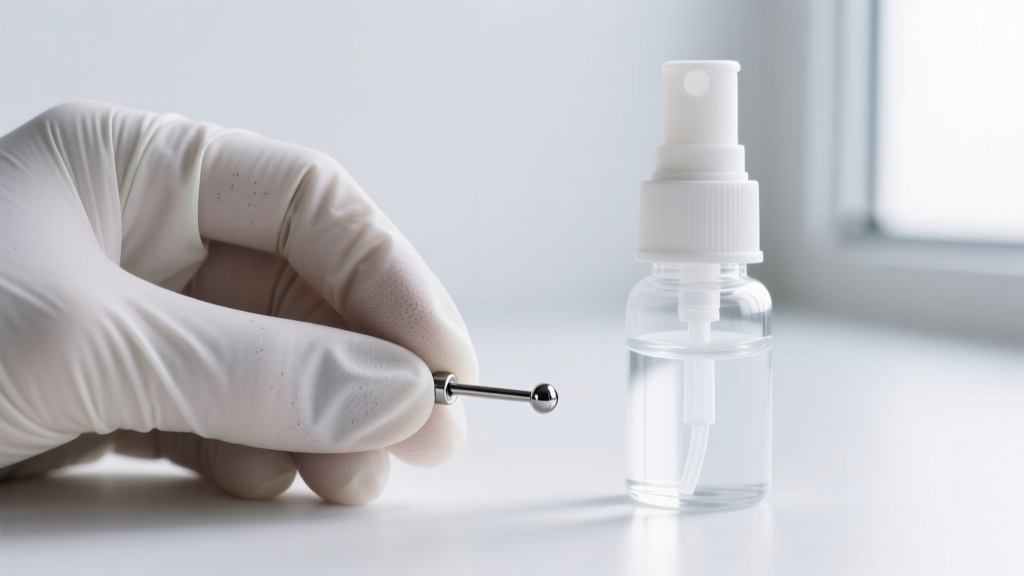
When it comes to nostril piercings, the hardware you choose dictates not only your aesthetic but also your daily maintenance routine. While many guides focus solely on the healing process, long-term piercing health requires a nuanced understanding of how to care for specific hardware. The contours, bends, and threading mechanisms of various nose stud jewelry types create unique micro-environments where dead skin cells, sebum, and environmental debris can accumulate. In this comprehensive guide, we break down the exact cleaning protocols, material compatibilities, and troubleshooting techniques required to keep your piercing healthy, odor-free, and irritation-free.
The Anatomy of Nose Studs: Why Design Dictates Cleaning
Not all nose studs are created equal. The physical shape of the jewelry determines how easily you can clean the fistula (the piercing channel) and how likely the jewelry is to harbor bacteria. Understanding these structural differences is the first step in establishing a proper maintenance routine.
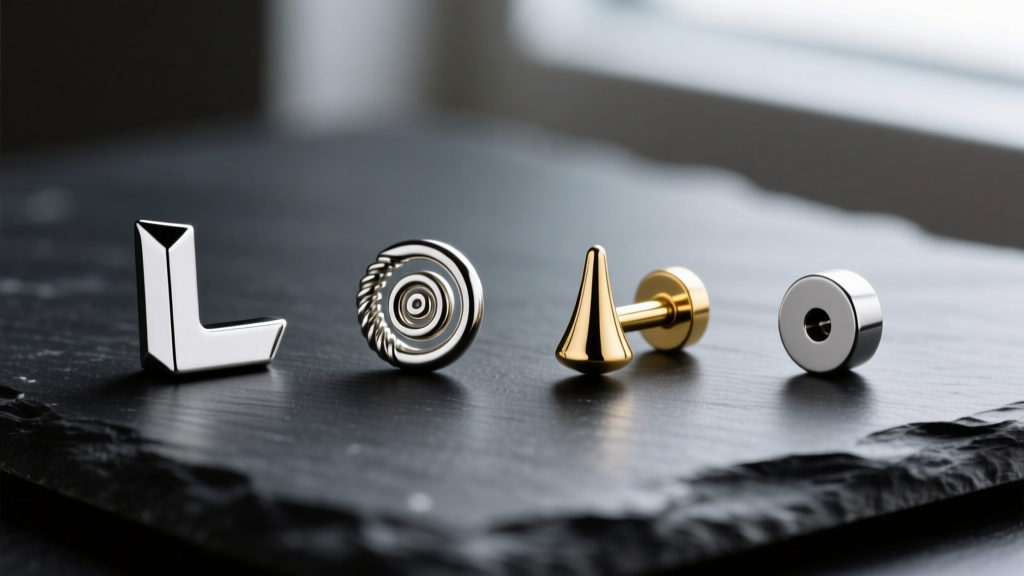
Flat Back Labrets (Threadless & Internally Threaded)
Flat back studs feature a straight post with a flat disc that sits flush against the interior nasal wall. Because the post is completely straight, there are no bends to trap moisture or debris. Threadless variations use a friction-fit bend on the pin, while internally threaded versions screw together smoothly. These are the gold standard for both healing and long-term wear because they minimize the 'cheese-cutter' effect and allow for easy, snag-free cleaning.
Corkscrew (Spiral) Studs
Corkscrews feature a spiral hook that wraps inside the nostril to prevent the jewelry from falling out. While secure, the spiral creates multiple crevices where dried saline, sebum, and makeup can accumulate. Cleaning a corkscrew requires flushing the spiral with saline rather than just wiping the surface, as debris often hides in the inner curve of the hook.
L-Shape Studs
L-shape studs bend at a 90-degree angle to rest against the inner nasal wall. The sharp corner of the 'L' is a known trap for crusties and lint. Furthermore, the directional tension of the bend can press unevenly against the fistula, occasionally causing localized irritation bumps if the angle does not perfectly match your unique anatomy.
Nose Bones
Nose bones feature a straight post with a small bulbous end that is forced through the piercing to stay in place. Expert Warning: The Association of Professional Piercers (APP) strongly advises against nose bones for healing piercings. Forcing the bulb through a healing or even mature fistula causes micro-tears in the tissue, introducing surface bacteria directly into the wound channel and complicating your cleaning routine.
Material-Specific Cleaning Protocols
The metal composition of your jewelry reacts differently to environmental factors and cleaning agents. Using harsh chemicals on reactive metals can cause galvanic corrosion, pitting the surface of the jewelry and creating microscopic grooves where bacteria thrive.
| Material Grade | Corrosion Resistance | Recommended Maintenance Cleaner | Agents to Avoid |
|---|---|---|---|
| Implant-Grade Titanium (ASTM F136) | Exceptional | Sterile 0.9% Saline | None (highly biocompatible) |
| Solid 14k/18k Gold (Nickel-Free) | High | Sterile 0.9% Saline, Mild Soap | Alcohol, Peroxide, Chlorine |
| Surgical Steel (316L / 304) | Moderate | Sterile 0.9% Saline | Tea Tree Oil, Harsh Acids |
| Sterling Silver (.925) | Low (Tarnishes/Oxidizes) | Saline, Frequent Polishing | Sulfur environments, Lotions |
According to the APP Jewelry Materials Guidelines, implant-grade titanium (ASTM F136) and niobium are the only universally safe metals for compromised or healing tissue. If you are wearing 316L surgical steel, be aware that it contains trace amounts of nickel; prolonged exposure to moisture and acidic skin pH can cause nickel leaching, resulting in contact dermatitis that mimics an infection.
Step-by-Step Maintenance by Nose Stud Jewelry Types
Daily maintenance should be quick, gentle, and focused on removing organic buildup without disrupting the delicate epithelial tissue lining the fistula.
1. The Sterile Saline Flush
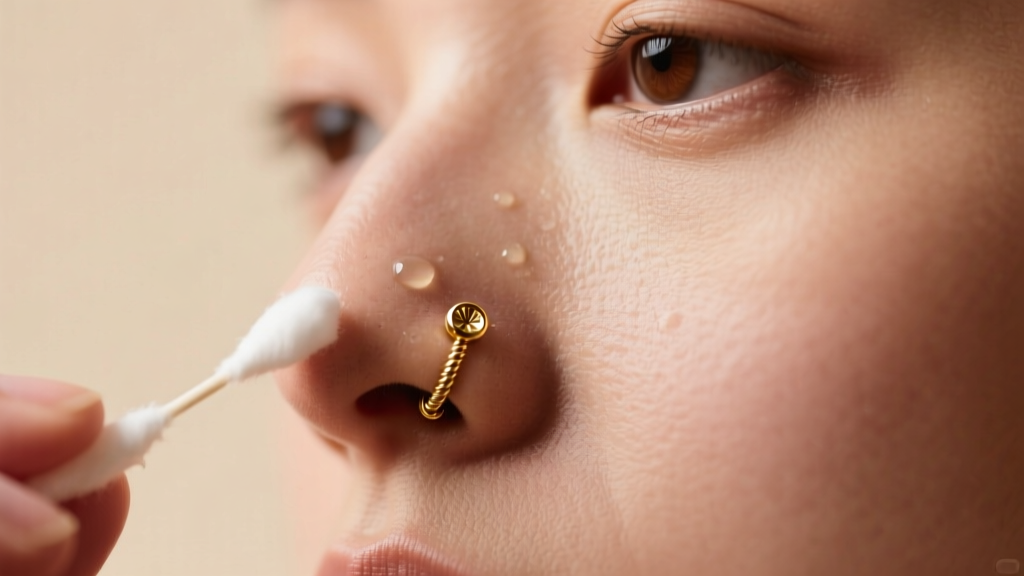
For flat backs and L-shapes, spray a sterile 0.9% sodium chloride wound wash (such as NeilMed Piercing Aftercare) directly onto the exterior gem and the interior disc. Let it soak for 30 seconds to soften any dried sebum or 'crusties'. Use a clean, non-woven gauze to gently wipe away the softened debris. Avoid cotton swabs, as they leave behind microscopic fibers that can become embedded in the healing tissue or scratch high-polish gold.
2. Deep Cleaning Corkscrews and Spirals
Because you cannot easily access the inner spiral of a corkscrew stud without removing it, you must rely on fluid dynamics. Spray the saline generously into the nostril, tilting your head back slightly to allow the solution to pool around the spiral hook. Gently massage the outside of the nostril to encourage the saline to flow through the spiral's crevices.
3. Bi-Weekly Deep Cleansing (Removal Method)
For mature piercings (fully healed for 1+ years), remove your internally threaded or threadless jewelry every two weeks. Wash the jewelry in a dedicated ultrasonic cleaner or soak it in a sterile cup of warm water and mild, fragrance-free castile soap. Rinse thoroughly with distilled water and dry with a lint-free cloth before reinsertion. This prevents the buildup of 'piercing cheese' (a mix of dead skin, sebum, and bacteria) on the post and threading.
The Saline Soak Method vs. Chemical Cleaners
A persistent myth in piercing care is the use of harsh antiseptics to 'kill bacteria' in the piercing channel. This approach is fundamentally flawed and counterproductive to tissue health.
"Never use rubbing alcohol, hydrogen peroxide, Bactine, or tea tree oil on a piercing. These chemicals destroy fibroblasts—the cells responsible for generating new tissue—and severely dry out the fistula, leading to hypertrophic scarring and delayed healing."
— Association of Professional Piercers (APP) Aftercare Guidelines
Sterile saline (0.9% NaCl) is isotonic, meaning it matches the natural salinity of your body's tears and blood. It flushes away debris and bacteria mechanically without causing cellular damage. If you experience excessive moisture buildup inside the nostril (common in humid climates or during allergy season), use a hair dryer on the 'cool' setting from a distance of 6 inches to gently dry the interior disc of your flat back stud after showering or cleaning.
Troubleshooting Common Maintenance Failures
Foul Odor ('Piercing Cheese')
If your nose stud emits a sour odor when removed, you are experiencing a buildup of sebum and dead skin cells. This is not an infection; it is a hygiene issue. Switch to an internally threaded or threadless flat back, as seamless hoops and corkscrews drag this debris through the fistula. Implement the bi-Weekly deep cleaning protocol mentioned above.
Localized Irritation Bumps
If a bump forms adjacent to the piercing hole, evaluate your jewelry's fit. A post that is too long will catch on towels and clothing, causing repetitive blunt-force trauma to the fistula. A post that is too short will embed into the tissue during natural swelling. Visit a professional piercer to have your flat back post downsized or upsized in 0.5mm increments (e.g., moving from a 6mm to a 7mm post) to achieve a flush, tension-free fit.
Galvanic Discoloration
If the skin around a silver or low-grade steel stud turns grey or black, the metal is oxidizing and leaching into the tissue. Remove the jewelry immediately and upgrade to ASTM F136 titanium or solid 14k/18k gold. The discoloration will fade over several weeks as the skin naturally exfoliates.
Proper care of your nostril piercing is an ongoing commitment that extends far beyond the initial 3-to-6-month healing window. By matching your maintenance routine to the specific contours and materials of your chosen nose stud jewelry types, you ensure a healthy, comfortable, and beautiful piercing for life.


