How to Choose and Wear Septum Mustache Jewelry Perfectly
Learn how to choose, size, and style septum mustache jewelry. Our step-by-step guide covers gauge, diameter, and flipping techniques.

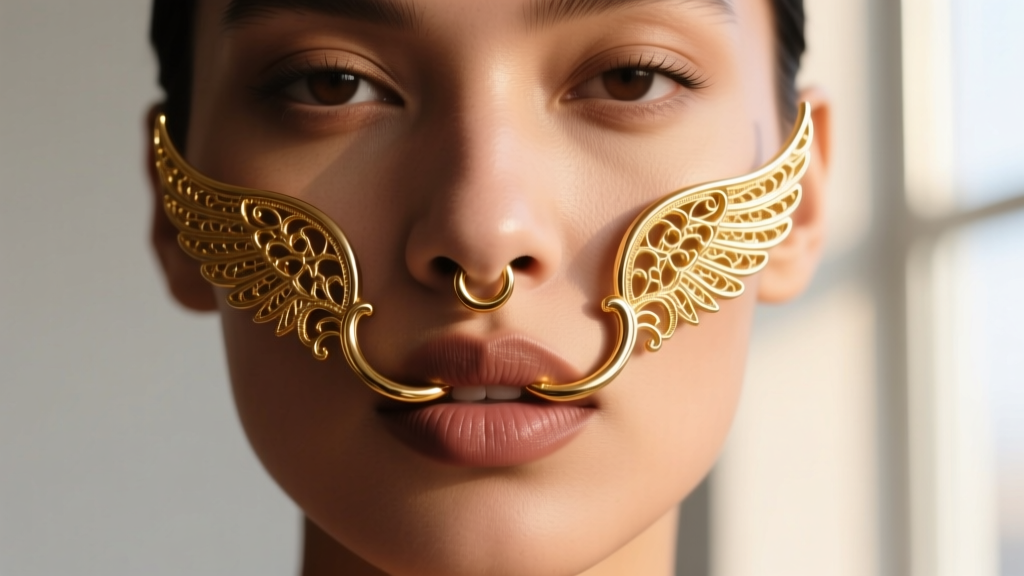
Septum piercings have evolved far beyond the standard captive bead ring or simple clicker. Today, one of the most striking and expressive options on the market is septum mustache jewelry. Characterized by its curved, wing-like extensions that mimic the shape of a handlebar or chevron mustache resting just above the cupid's bow, this style makes a bold, vintage-inspired statement. However, because of its unique anatomy and decorative wings, fitting and maintaining this specific style requires a deeper understanding of facial anatomy, precise measurements, and piercing mechanics.
Whether you are upgrading a fully healed piercing or looking to make a dramatic style change, this comprehensive step-by-step guide will walk you through everything you need to know about selecting, fitting, and caring for septum mustache jewelry.
What Exactly Is Septum Mustache Jewelry?
Septum mustache jewelry is a specialized subset of septum rings designed with decorative lateral extensions. Unlike a standard circular barbell that drops straight down, the mustache style features a central curve that sits inside the septum, with two symmetrical 'wings' that sweep outward and upward or downward, depending on the design. These wings are engineered to contour the philtrum (the groove above your upper lip) without actually touching or resting heavily on the skin of the lip itself.
Because the jewelry extends horizontally across the face, the margin for error in sizing is incredibly small. A millimeter too large, and the wings will droop onto your lip, causing irritation and speech interference. A millimeter too small, and the piece will pinch the sides of your nose or fail to close properly.
Step 1: Nailing the Exact Measurements
The most common reason people struggle with septum mustache jewelry is buying off-the-shelf sizes without considering their unique nasal anatomy. You must evaluate three distinct metrics: gauge, inner diameter, and wing span.
The Measurement Matrix
| Measurement Metric | Standard Septum Ring | Septum Mustache Style | Why It Matters |
|---|---|---|---|
| Gauge (Thickness) | 16G (1.2mm) or 14G (1.6mm) | 14G (1.6mm) highly recommended | The wider wings add weight; a thicker 14G wire prevents the jewelry from warping or bending under its own weight. |
| Inner Diameter | 8mm to 10mm | 8mm to 9mm (Snug Fit) | Mustache styles require a snugger fit so the decorative wings sit flush against the base of the nose rather than sagging. |
| Rise / Wing Span | N/A | 12mm to 18mm total width | Determines how far the wings extend. Must be measured against your specific philtrum width to avoid nostril pinching. |
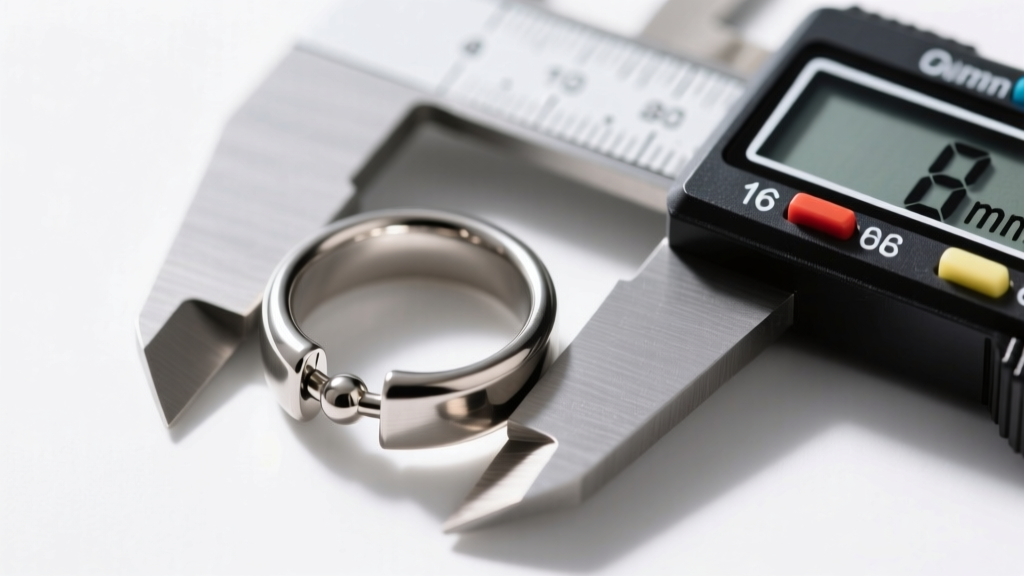
To find your ideal inner diameter, use a digital caliper to measure your current, well-fitting septum ring. If your current ring is a 10mm diameter and you have a longer space between your septum hole and your upper lip, an 8mm or 9mm mustache clicker will provide the perfect 'lift' to keep the wings hovering elegantly above the lip line.
Step 2: Selecting the Right Material for Your Anatomy
Because the wings of mustache jewelry sit in close proximity to the highly sensitive skin of the upper lip and philtrum, material biocompatibility is non-negotiable. Cheap alloys can cause contact dermatitis, leading to swelling that alters how the jewelry fits.
Top-Tier Material Choices
- ASTM F136 Implant-Grade Titanium: The gold standard for body jewelry. It is entirely nickel-free, lightweight (which helps reduce the downward pull of the wings), and highly resistant to corrosion. Brands like BVLA and Anatometal offer precision-machined titanium options.
- Solid 14k or 18k Gold: If you prefer a vintage aesthetic to match the mustache motif, opt for nickel-free yellow or rose gold. Avoid gold-plated or gold-filled options, as the friction from flipping the jewelry up can wear away the plating, exposing reactive base metals.
- Niobium: A fantastic, slightly softer alternative to titanium that can be anodized into rich, dark colors like gunmetal or deep purple, offering a unique twist on the classic metallic look.
According to the Association of Professional Piercers (APP), avoiding surgical steel is crucial for anyone with sensitive skin, as the nickel content can trigger localized allergic reactions, especially where the jewelry wings make micro-contact with the skin.
Step 3: The Art of the 'Flip-Up' Hideaway
One of the greatest functional benefits of any septum ring is the ability to hide it. However, flipping septum mustache jewelry requires a specific technique due to the rigid, wide-set wings. If you force it, you risk bending the decorative elements or tearing the delicate septum fistula.
Step-by-Step Flipping Guide
- Prep the Area: Wash your hands thoroughly. Mist the jewelry and your nose with sterile 0.9% saline spray. This lubrication reduces friction and prevents the wings from snagging on the inside of your nostrils.
- Locate the Hinge (If Applicable): Most modern mustache clickers feature a top hinge and a bottom click-closure. Ensure the click closure is securely fastened before manipulating the ring.
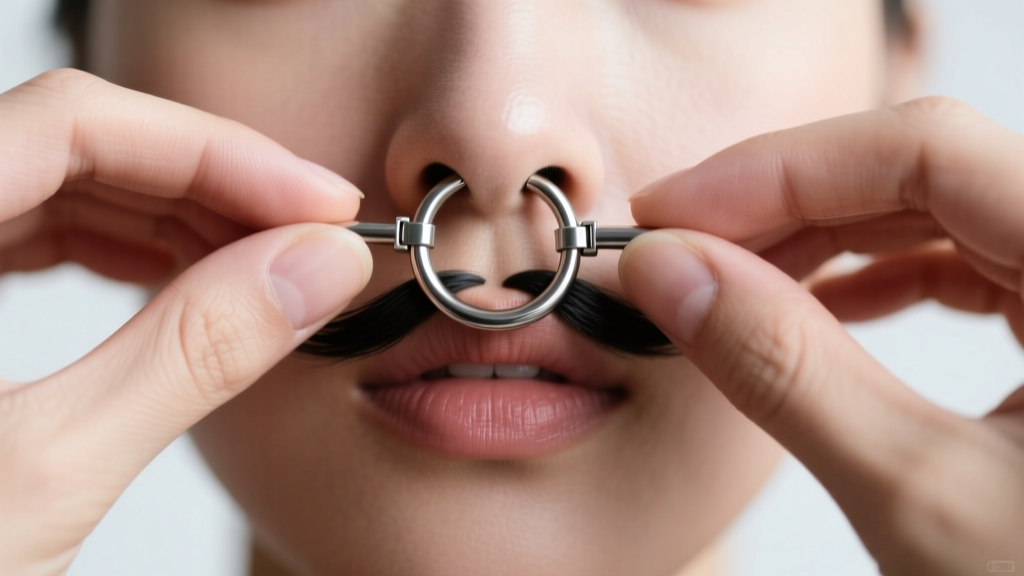
- The Pinch and Push: Pinch the central curve of the ring (not the wings) between your thumb and index finger. Gently push the central curve upward into the nasal cavity.
- Tuck the Wings: As the center goes up, the wings will naturally pivot. Use your fingertips to gently guide the wings flat against the inner septal wall, ensuring they do not press hard against the cartilage.
- Dry the Exterior: Once flipped, use a clean paper towel to dry the outside of your nose. Moisture can cause the jewelry to slip back down due to gravity and the weight of the wings.
Step 4: Cleaning and Maintenance Protocol
The intricate cutouts, gem settings, and filigree work often found on the wings of septum mustache jewelry create microscopic traps for sebum, dead skin cells, and cosmetic products. A standard rinse is not enough.
For daily maintenance, use a sterile saline wound wash. Spray directly onto the piercing site and let it sit for 30 seconds to soften any crusties. Use a clean, non-woven gauze pad to gently wipe around the central post. For the decorative wings, take a soft-bristled, clean makeup brush (like an eyeshadow blending brush), dampen it with saline, and gently sweep it through the filigree details to dislodge trapped debris. Never use cotton swabs, as the fibers will catch on the intricate metalwork and potentially pull the jewelry out of alignment.
For a deeper weekly clean, remove the jewelry (if fully healed) and soak it in a small cup of warm water with a drop of mild, fragrance-free castile soap. Rinse thoroughly with distilled water and dry completely with a microfiber cloth before reinsertion. For more detailed aftercare standards, refer to the APP's official aftercare guidelines.
Troubleshooting Common Fit Issues
Even with careful planning, you may encounter mechanical or anatomical hurdles when wearing this statement piece. Here is how to diagnose and fix the most common issues:
Issue 1: The Wings Are Drooping onto the Lip
The Cause: Your inner diameter is too large, or the piercing was placed too low on the septum.
The Fix: Downsize the inner diameter by 1mm (e.g., move from a 10mm to a 9mm ring). If your piercing is naturally low, you may need to visit a professional piercer to discuss a slightly higher re-pierce once the current fistula has retired.
Issue 2: Pinching or Flaring of the Nostrils
The Cause: The wing span is too wide for your nasal base, forcing the metal to push outward against the alar cartilage.
The Fix: You need a custom bend. Take your jewelry to an experienced piercer who can use nylon-jaw pliers to gently adjust the angle of the wings, bending them slightly forward to follow the natural contour of your face rather than pushing laterally.
Issue 3: Irritation Bumps on the Septum
The Cause: The weight of the heavy decorative wings is causing micro-trauma and dragging inside the fistula when you speak or eat.
The Fix: Switch to a hollow-tube construction or a lighter gauge (if your piercer approves moving from 14G to 16G). Reducing the overall mass of the jewelry will alleviate the downward drag that causes internal friction and subsequent granulomas.
Final Thoughts on Styling
Septum mustache jewelry is not just an accessory; it is a focal point of facial architecture. By respecting the precise measurements, investing in biocompatible materials like ASTM F136 titanium, and mastering the flip-up technique, you can wear this bold style comfortably and confidently. Take the time to map your anatomy, consult with a professional piercer for custom adjustments, and maintain a rigorous cleaning routine to ensure your jewelry remains as striking as the day you bought it.


