A Beginner's Guide to the Main Types of Nostril Jewelry
Discover the best types of nostril jewelry for beginners. Compare nose bones, L-bends, and flat backs for healing, comfort, and style.

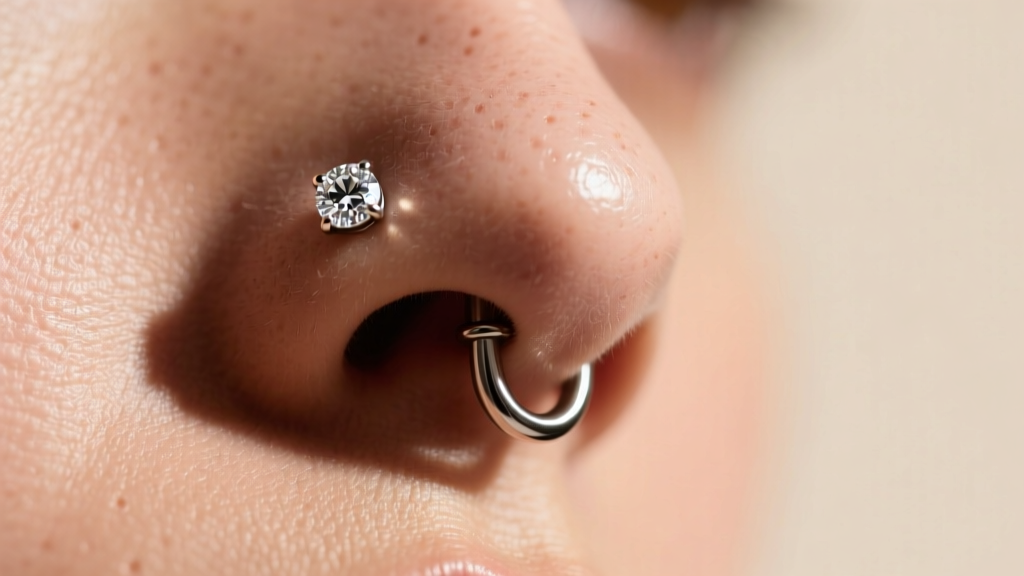
Introduction to Nostril Piercing Jewelry
Getting your nostril pierced is an exciting milestone, but the initial excitement often gives way to confusion when you are faced with the sheer variety of jewelry options available. Whether you are sitting in the piercing chair for the very first time or looking to downsize your jewelry after the initial swelling has subsided, understanding the mechanics of different jewelry styles is crucial. The wrong choice can lead to irritation bumps, prolonged healing times, and unnecessary discomfort. In this comprehensive guide, we will break down the most common types of nostril jewelry, evaluating their suitability for fresh piercings versus healed fistulas, and providing actionable advice on materials and sizing.
The Golden Rule: Material Matters First
Before we discuss the physical shapes and styles of nostril jewelry, we must address the foundation of all body jewelry: the material. Your piercing is essentially an open wound, and the metal resting inside it dictates how your immune system responds. According to the Association of Professional Piercers (APP), only specific, highly biocompatible materials should be used in fresh or healing piercings.
- Implant-Grade Titanium (ASTM F136): This is the undisputed gold standard for fresh piercings. It is completely nickel-free, lightweight, and highly resistant to corrosion. If you have sensitive skin or a history of metal allergies, titanium is your safest bet.
- Solid 14k or 18k Gold: High-quality, nickel-free gold is also excellent for initial piercings. However, avoid gold-plated or gold-filled jewelry, as the thin outer layer can wear away, exposing base metals to your healing fistula.
- Surgical Steel (316L): While common in budget jewelry stores, surgical steel contains trace amounts of nickel. It is generally not recommended for fresh piercings due to the risk of allergic contact dermatitis.
Breaking Down the Types of Nostril Jewelry
The architecture of your jewelry determines how it sits in the nasal cavity, how easy it is to clean, and how much movement it allows. Let us explore the primary styles you will encounter.
Flat Back Labrets (The Healing Champion)
A flat back labret consists of a straight post with a flat disc on one end and a decorative top on the other. For fresh nostril piercings, this is universally considered the best option by professional piercers. The flat disc sits flush against the inside of the nasal wall, eliminating the gap where crust and bacteria typically accumulate. Furthermore, because the post is straight, it allows the piercing channel (fistula) to heal in a perfectly straight line. Most professional studios use either internally threaded or threadless (push-pin) flat back labrets for initial piercings to ensure a secure, seamless fit that will not snag on towels or clothing.
L-Bends and Nostril Screws (The Comfort Choice)
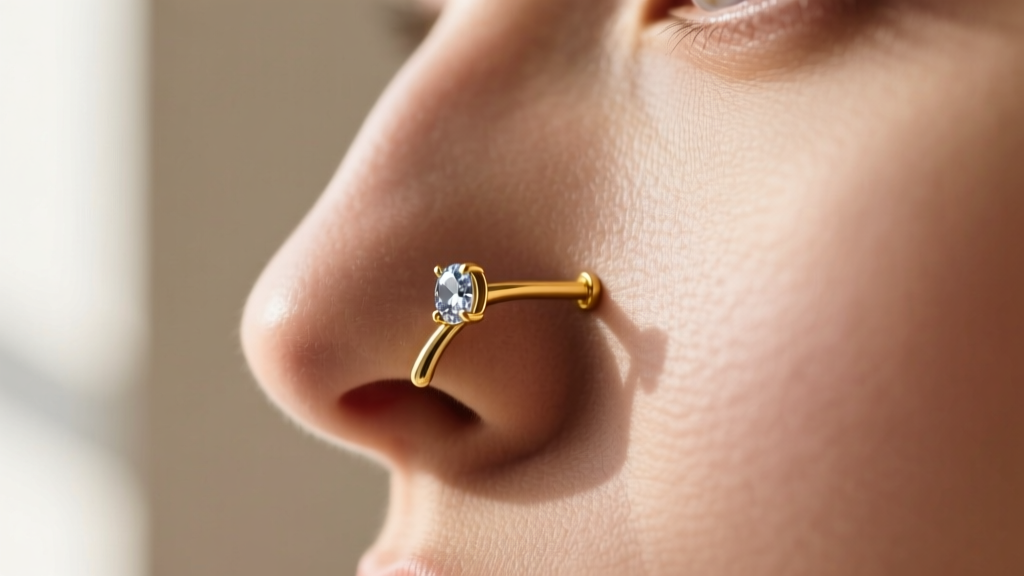
Once your piercing is fully healed (which typically takes 6 to 9 months), you might want something easier to insert and remove than a flat back labret. L-bends feature a straight post that takes a sharp 90-degree angle at the bottom, hooking over the inside of the fistula to stay in place. Nostril screws, on the other hand, feature a post that spirals into a corkscrew shape, winding through the piercing channel to rest flat against the nasal wall. Both styles are excellent for healed piercings and are favored by those who prefer a minimalist look without the bulk of a post inside the nose. However, they are not recommended for fresh piercings, as the curved or angled insertion can traumatize the healing tissue.
Nose Bones (The Warning)
Nose bones are short, straight posts with a decorative top and a small, bulbous bump at the bottom. The bump is designed to pop through the piercing to hold the jewelry in place. While they are cheap and widely available in mall kiosks, professional piercers strongly advise against them. Forcing the bulb through a healing or even healed fistula causes micro-tears in the tissue, which can lead to hypertrophic scarring and irritation bumps. If you already own nose bones, it is best to reserve them for older, highly elastic piercings, or avoid them altogether in favor of L-bends or flat backs.
Hoops and Rings (The Post-Healing Reward)
Hoops are the most requested style for nostril piercings, but they require patience. Options include Captive Bead Rings (CBRs), seamless segment rings, and hinged clickers. The primary issue with wearing a hoop in a fresh piercing is the curvature of the jewelry. A ring forces the fistula to heal in a curved shape. If you later decide to switch back to a straight stud, the straight post will irritate the curved channel, causing pain and swelling. Additionally, hoops move and rotate much more than studs, introducing bacteria from the outside of the nose into the healing wound. Always wait until your piercing is completely healed and downsized by a professional before transitioning to a hoop.
Quick Comparison: Which Type Suits Your Stage?
To help you make an informed decision, here is a structured breakdown of the types of nostril jewelry based on their ideal use case, pros, cons, and average market pricing for high-quality materials.
| Jewelry Type | Best For | Pros | Cons | Price Range (Titanium/Gold) |
|---|---|---|---|---|
| Flat Back Labret | Fresh & Healing Piercings | Flush fit, straight healing, secure | Can be tricky to insert without a taper | $25 - $150+ |
| L-Bend / Screw | Fully Healed Piercings | Easy to insert/remove, comfortable | Can fall out if snagged, not for fresh holes | $20 - $120+ |
| Nose Bone | Older, Stretched Piercings | Very inexpensive, simple design | Causes tissue trauma, high irritation risk | $10 - $40 |
| Seamless Hoop / Clicker | Fully Healed Piercings | Classic aesthetic, bold statement | Rotates, moves, delays healing if worn too early | $30 - $200+ |
Understanding Gauge and Post Length Sizing
Sizing is just as critical as the style of the jewelry. The gauge refers to the thickness of the metal that passes through your skin. The vast majority of nostril piercings are performed at either 18-gauge (1.0mm) or 20-gauge (0.8mm). Some individuals opt for 16-gauge (1.2mm) for a bolder look or to accommodate certain hoop styles. It is imperative that you match your jewelry gauge to your piercing needle size; inserting a 20-gauge stud into an 18-gauge hole can allow the tissue to shrink around the thinner metal, making future upsizing difficult and painful.
If you are wearing a flat back labret, post length is equally important. Initial jewelry is usually fitted at 5/16" (8mm) or 3/8" (10mm) to accommodate the inevitable swelling that occurs in the first two weeks. Once the swelling subsides (usually around the 4-to-6-week mark), you must visit your piercer to be "downsized" to a shorter post, typically 1/4" (6mm). Wearing a long post after the swelling has gone down leaves excess metal inside the nose, which can catch on tissues, fingers, and masks, leading to accidental trauma and irritation bumps.
Expert Tips for Changing Your Jewelry Safely
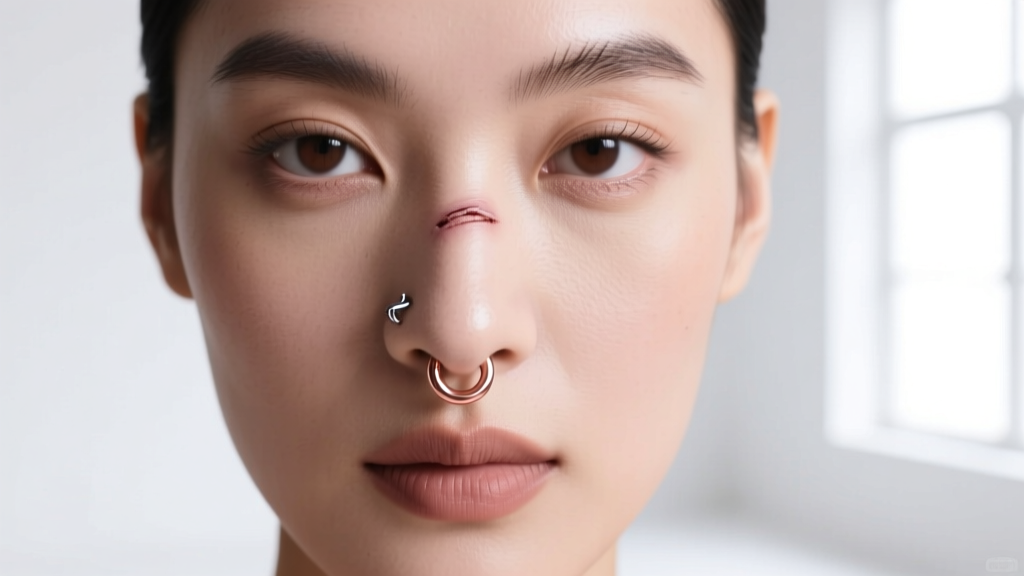
When you are finally ready to change your healed nostril jewelry at home, hygiene and technique are paramount. Always follow the APP guidelines for handwashing and sterilization before touching your piercing. Wash your hands thoroughly with antibacterial soap, and consider wearing disposable nitrile gloves to maintain a sterile environment.
If you are struggling to insert a flat back labret, do not force it. Purchase a sterile, single-use insertion taper that matches your gauge. Lubricate the taper with a drop of sterile saline or water-based lubricant, guide it through the fistula, and slide the new jewelry in immediately behind it. For hoops, use two pairs of clean, rubber-tipped hemostats or ring-opening pliers to gently twist the segment ring open and closed, avoiding the warping that occurs when you pull the ends apart laterally.
Final Thoughts
Navigating the types of nostril jewelry does not have to be overwhelming. By prioritizing implant-grade materials, choosing a flat back labret for the healing phase, and waiting patiently before transitioning to hoops or L-bends, you set your piercing up for long-term success. Remember that a nostril piercing is a commitment to your body's unique anatomy. When in doubt, always consult with a certified professional piercer who can assess your specific swelling, angle, and tissue type to recommend the perfect piece for your journey.


