Ultimate Care Guide for Nose Septum Jewelry and Piercings
Learn expert cleaning routines, saline ratios, and maintenance tips for nose septum jewelry to prevent infection and ensure flawless healing.

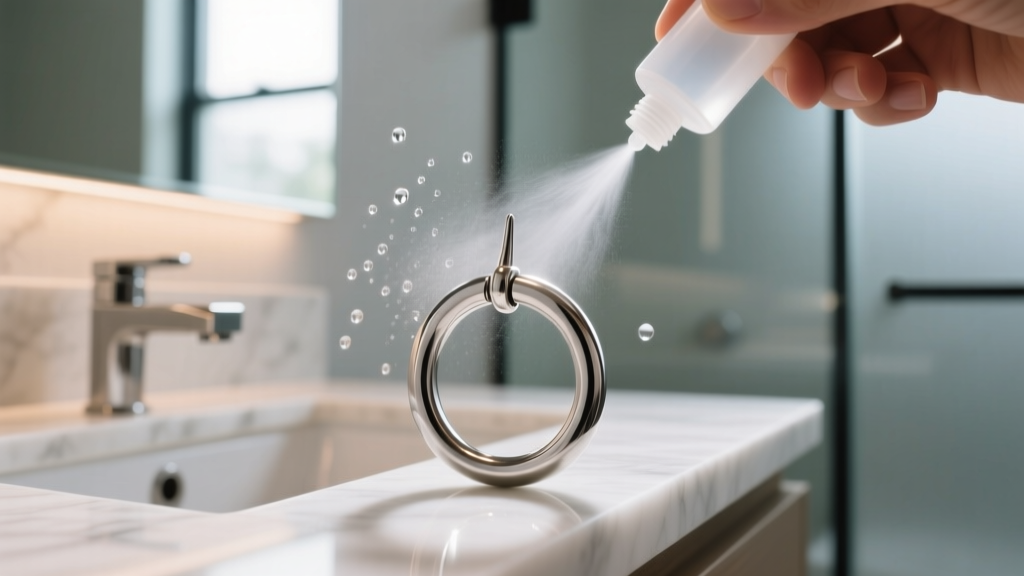
When it comes to facial modifications, the septum piercing remains one of the most versatile and expressive choices available. However, the unique anatomical location of the columella—the sweet spot of cartilage and thin tissue—requires a highly specific approach to aftercare. Proper maintenance of your nose septum jewelry is not just about avoiding infection; it is about preserving tissue integrity, preventing allergic contact dermatitis, and ensuring the piercing remains a flawless canvas for future upgrades.
In this comprehensive guide, we break down the exact protocols recommended by professional piercers for cleaning, troubleshooting, and maintaining both healing and fully healed septum piercings.
The Science of Septum Healing and Material Reactions
The mucous membranes of the nasal cavity are highly sensitive and vascular. When you introduce a foreign object like nose septum jewelry into this environment, the body's immune system immediately goes to work. The most common point of failure in septum aftercare is not a lack of cleaning, but rather the introduction of harsh chemicals or reactive metals that disrupt the delicate healing fistula (the tube of new skin cells forming around the jewelry).
Why ASTM F-136 Titanium is Non-Negotiable
If you are currently healing a septum piercing, the material of your jewelry dictates your success rate. According to the Association of Professional Piercers (APP), only implant-grade materials should be worn in fresh piercings. ASTM F-136 implant-grade titanium is the gold standard. Unlike 316L surgical steel, which contains up to 10% nickel and can leach into the wound bed causing localized contact dermatitis, titanium is completely biocompatible and non-magnetic.
Wearing surgical steel or unverified 'hypoallergenic' alloys during the initial 3 to 6-month healing window often leads to chronic inflammation, irritation bumps, and delayed healing. Always verify that your piercer is using internally threaded or threadless 16-gauge (1.2mm) or 14-gauge (1.6mm) titanium jewelry.
Daily Cleaning Protocol: The 0.9% Saline Rule
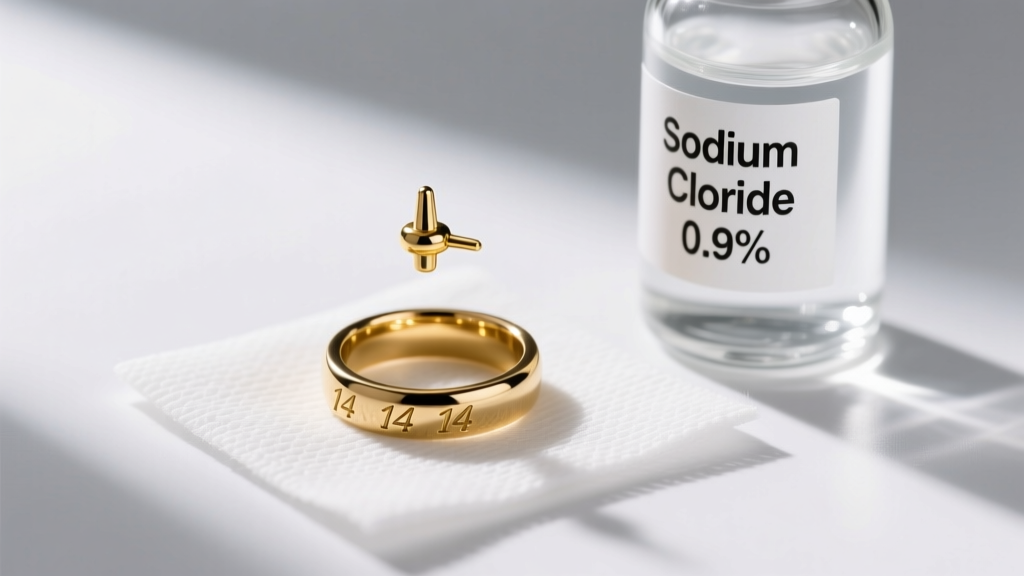
The modern standard for piercing aftercare has shifted dramatically away from harsh antiseptics. Alcohol, hydrogen peroxide, tea tree oil, and antibacterial soaps are strictly prohibited. These agents destroy the fragile new cells your body is generating to line the piercing channel.
Step-by-Step Sterile Saline Application
Your daily routine should revolve around the LITHA (Leave It The Hell Alone) method, supplemented by gentle saline irrigation. Here is the exact protocol for maintaining your nose septum jewelry:
- Frequency: Spray 1 to 2 times daily. Over-cleaning will dry out the fistula and cause micro-tearing.
- The Solution: Use a sterile, pressurized can of 0.9% sodium chloride wound wash. The only ingredients should be water and sodium chloride. No additives, no preservatives.
- Application: Mist the front and back of the septum jewelry directly. Allow the saline to soften any lymphatic crusties (dried plasma and dead cells).
- Drying: Gently pat the area dry with a piece of non-woven sterile gauze. Avoid cotton swabs or paper towels, as their microscopic fibers can wrap around the jewelry post and embed in the healing wound.
'The biggest mistake clients make is treating a healing septum like a dirty wound. It is a healing surgical site. Sterile saline and minimal movement are your best tools.' — Board Certified Professional Piercer
Troubleshooting Common Septum Jewelry Issues
Even with perfect aftercare, the septum is prone to specific issues due to its location and the mechanics of the jewelry. Below is a diagnostic framework for the most frequent complications.
| Issue | Probable Cause | Actionable Solution |
|---|---|---|
| Irritation Bump (Hypertrophic Scarring) | Excessive movement, sleeping on the face, or jewelry that is too long/large in diameter. | Apply warm sterile saline compresses for 5 minutes daily. Downsize the jewelry ID (inner diameter) with your piercer. Stop flipping the jewelry up and down. |
| 'Septum Stench' (Cheese-like odor) | Accumulation of sebum, dead skin cells, and soap residue trapped between the skin and the metal. | Remove the jewelry (if fully healed) and wash with mild, unscented castile soap. Massage the piercing channel gently with warm water in the shower. |
| Persistent Crusting After 6 Months | Micro-tearing from dry environments, allergies, or low-quality metal causing chronic low-grade rejection. | Switch to ASTM F-136 titanium if not already using it. Apply a single drop of pure, cold-pressed jojoba oil to the crusties to soften them safely. |
Dealing with the Dreaded 'Septum Funk'
If you have worn the same seamless ring or clicker for several months, you have likely encountered 'septum funk.' This odor is not an infection; it is simply a biological reality. The human body continuously sheds dead skin cells and produces sebum (natural oils) to lubricate the skin. In a septum piercing, this matter collects in the microscopic gap between your flesh and the nose septum jewelry.
To resolve this, you must clean the jewelry outside of the body. Once your piercing is fully healed (typically 6 to 12 months), remove the ring and soak it in a small ultrasonic jewelry cleaner filled with warm water and a drop of mild dish soap for three minutes. Rinse thoroughly before reinserting. For the piercing itself, let warm shower water run through the channel, gently massaging the area to flush out trapped sebum.
Long-Term Maintenance for Healed Piercings

Once your septum is fully healed, the rigorous saline routine is no longer necessary. However, long-term maintenance ensures your jewelry retains its shine and your tissue remains healthy.
When to Downsize or Upsize Your Gauge
Most septum piercings are performed at 16-gauge (1.2mm) or 14-gauge (1.6mm). If you plan to stretch your septum in the future, you must do so methodically. Never force a larger gauge through the fistula, as this will cause a 'blowout' (where the tissue tears and pushes outward, creating a permanent divot). Use PTFE tape wrapping techniques or professional tapering to move from 14g to 12g, and always wait a minimum of 3 months between single-gauge stretches.
Conversely, if you find your 14-gauge jewelry feels heavy or causes the piercing channel to migrate downward over time, consult your piercer about downsizing to 16-gauge. Lightweight titanium or 14k solid gold seamless rings reduce the gravitational pull on the tissue, preserving the structural integrity of the columella over decades of wear.
Travel and Environmental Considerations
Frequent flyers and those living in arid climates often experience sudden septum irritation due to low humidity. The mucous membranes dry out rapidly in airplane cabins, leading to micro-fissures around the jewelry. If you are traveling, pack a travel-sized can of sterile saline and apply it immediately after landing. Avoid touching the jewelry with unwashed hands, as the recirculated air in transit hubs harbors high concentrations of airborne bacteria.
By adhering to these evidence-based protocols and investing in high-quality, implant-grade nose septum jewelry, you guarantee a piercing that is not only visually stunning but biologically harmonious with your body. For further reading on safe body modification practices, always refer to the official aftercare guidelines provided by the APP.


