Beginner Guide to L Shape Nose Jewelry: Fit, Sizing & Care
Discover everything about l shape nose jewelry. Learn how to insert, size, and choose the best materials for your nostril piercing today.

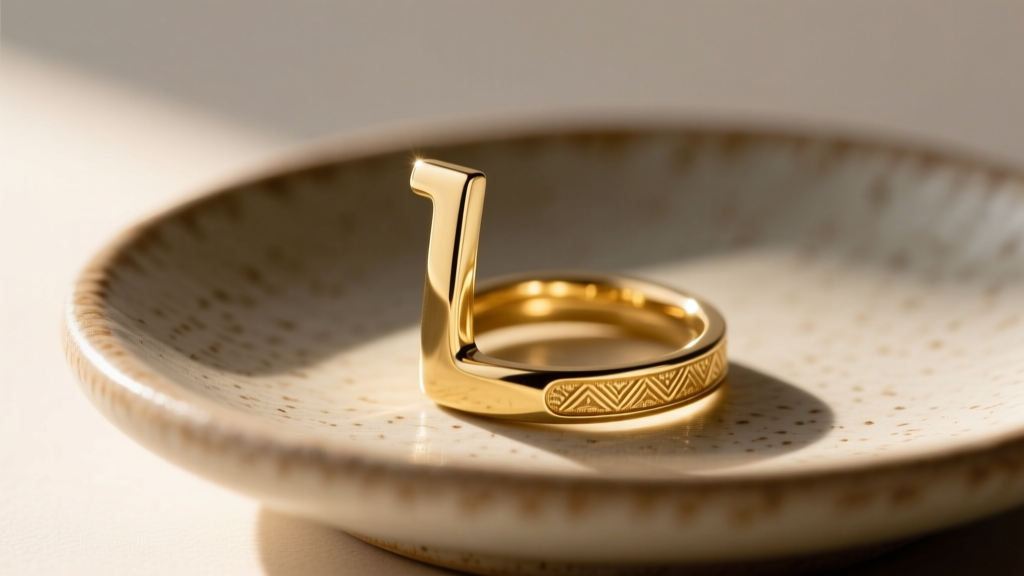
Transitioning from a basic healing stud to your first decorative piece is a major milestone in the nose piercing journey. Among the myriad of options available, l shape nose jewelry remains one of the most popular choices for healed nostril piercings. Its minimalist profile, ease of use, and wide variety of decorative ends make it a staple in any jewelry collection. However, for beginners, the unique mechanics of the L-bend can be confusing. How do you insert it without causing trauma? What gauge and length should you buy? This comprehensive beginner's guide breaks down everything you need to know about selecting, sizing, and wearing L-shape nose studs safely and comfortably.
What Exactly is L Shape Nose Jewelry?
L shape nose jewelry gets its name from its distinct profile. Unlike a straight post or a corkscrew, the wire features a single, sharp 90-degree bend that resembles the letter 'L'. The anatomy of this jewelry consists of three parts:
- The Wearable Post: The straight section that passes through your piercing channel.
- The Bend: The 90-degree angle that rests just inside the nostril, acting as a hinge to prevent the jewelry from sliding straight out.
- The Tail (or Drop): The short, straight segment after the bend that rests flush against the inner mucosal wall of your nose.
Because the tail simply rests against the inside of the nose rather than locking into place like a flat back labret or twisting like a corkscrew, L-shape studs rely on the natural tension and angle of your piercing channel to stay secure. This makes them incredibly easy to insert and remove, but it also means proper sizing is absolutely critical to prevent them from falling out or snagging.
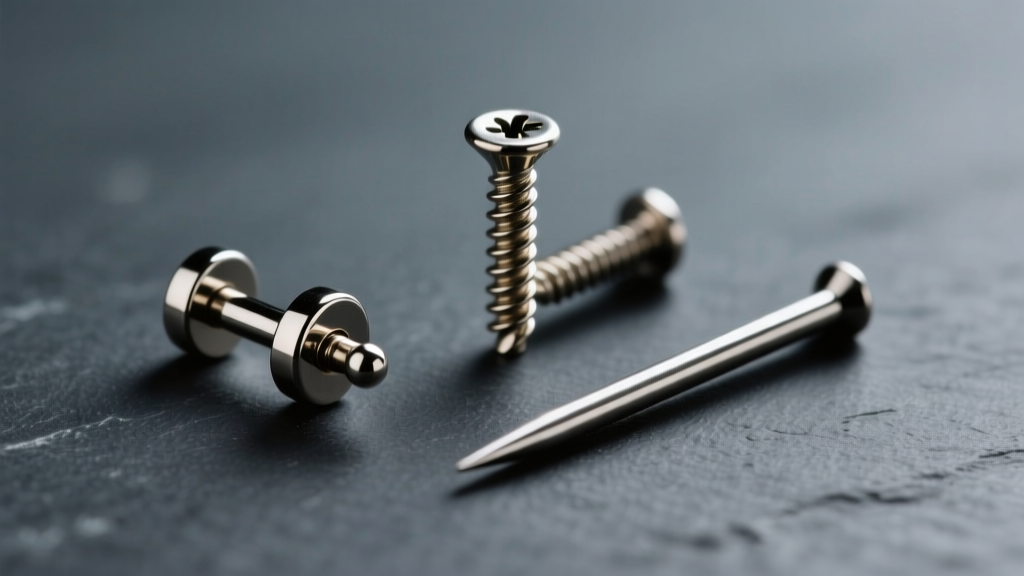
L-Shape vs. Screws vs. Bones vs. Labrets
Before committing to an L-shape, it is helpful to understand how it compares to other common nostril jewelry types. According to guidelines from the Association of Professional Piercers (APP), choosing the right style depends on your lifestyle, piercing angle, and healing stage.
| Jewelry Type | Security Level | Insertion Difficulty | Snag Risk | Best For |
|---|---|---|---|---|
| L-Shape Stud | Medium | Very Easy | Medium | Quick changes, healed piercings, minimalists |
| Corkscrew (Nose Screw) | High | Moderate | Low | Active lifestyles, sleepers, angled piercings |
| Nose Bone (Pin) | Low | Easy | High | Temporary wear (not recommended by professionals) |
| Flat Back Labret | Very High | Moderate/Hard | Very Low | Fresh piercings, high security, sleepers |
Sizing Matters: Gauge and Post Length
The most common reason beginners experience issues with l shape nose jewelry—such as the stud falling out at night or the tail poking the septum—is incorrect sizing. You must match both the thickness (gauge) and the length (post size) to your specific anatomy.
Standard Gauge Sizes
The gauge refers to the thickness of the wire. The global standard for professional nostril piercings is 18G (1.0mm). However, if you were pierced at a mall kiosk or with a piercing gun (which is highly discouraged due to tissue trauma), your piercing might be 20G (0.81mm). Some individuals with thicker nasal tissue opt for 16G (1.2mm). Always verify your gauge with your piercer before purchasing; wearing a 20G stud in an 18G hole will cause the 'cheese-cutter effect,' where the thin wire slowly migrates and slices through the tissue.
Finding Your Post Length
Post length is measured from the decorative end to the 90-degree bend. Standard lengths include:
- 5mm (3/16"): For very thin nasal tissue or high piercings.
- 6mm (1/4"): The universal standard for most healed adult nostrils.
- 7mm (9/32"): For thicker tissue, slight swelling, or lower placements.
- 8mm (5/16"): Typically reserved for fresh piercings to accommodate heavy swelling.
Pro Tip: If the tail of your L-shape is visible outside your nostril, the post is too long, creating a snag hazard. If the decorative end indents your skin or the bend pulls tight against the hole, the post is too short, risking embedding and tissue necrosis.
Step-by-Step: How to Insert and Remove an L-Shape Stud
Inserting l shape nose jewelry requires a gentle touch. Forcing the wire can scratch the delicate fistula (the inner skin tube of the piercing). Follow this professional method for a painless insertion:
- Prep the Area: Wash your hands thoroughly with antibacterial soap. Cleanse the nostril with sterile saline spray.
- Lubricate: Apply a tiny drop of sterile saline or a water-based lubricant to the post and the bend. Never use harsh oils or petroleum jelly inside the piercing.
- Align and Insert: Hold the decorative top firmly. Insert the straight post directly into the hole. Push it straight in until you feel the bend reach the opening of the piercing.
- The Pivot: Once the bend is at the entrance, gently rotate the jewelry downward (following the natural curve of your nostril) while pushing the tail inside.
- Seat the Tail: Use a clean finger to feel the inside of your nose and ensure the tail is resting flat against the inner wall, not poking into your septum.
Material Guide: What to Buy and What to Avoid
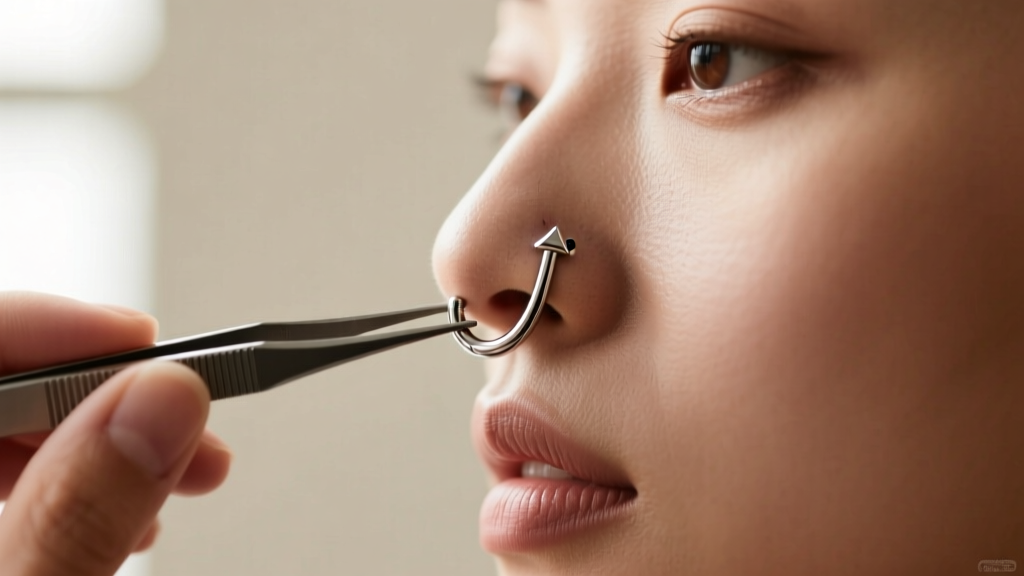
Because the tail of an L-shape rests directly against the moist, sensitive mucous membranes inside your nose, material biocompatibility is non-negotiable. The APP FAQ on jewelry materials strictly advises against porous or reactive metals.
The Best Materials (Highly Recommended)
- Implant-Grade Titanium (ASTM F136): The gold standard for body jewelry. It is completely nickel-free, lightweight, and highly resistant to corrosion from nasal moisture.
- Niobium: Another highly biocompatible, nickel-free reactive metal that can be anodized to create beautiful, safe colors without using toxic paints or plating.
- Solid 14k or 18k Gold: Excellent for healed piercings, provided it is alloyed for body jewelry (avoid white gold, which often contains nickel, and anything below 14k, which contains too many reactive alloys).
Materials to Avoid
Avoid 'Surgical Steel' (often 316L). Despite the medical-sounding name, 316L steel contains up to 8% nickel. When exposed to the humid environment inside the nose, it can leach nickel, causing contact dermatitis, localized swelling, and the dreaded 'piercing bump.' Also, avoid silver, which oxidizes and can leave permanent dark stains in the tissue (argyria).
Troubleshooting Common L-Shape Problems
Even with perfect sizing, beginners often encounter a few specific hurdles with L-shape studs. Here is how to solve them:
Problem: The Stud Keeps Falling Out at Night
The Cause: The tail (drop) is too short, or your piercing channel is angled steeply downward. When you toss in your sleep, friction from the pillow pulls the short tail out of the channel.
The Fix: Switch to a corkscrew nose screw for sleeping, or purchase an L-shape with a longer, custom-bent tail that hooks slightly deeper into the nasal cavity.
Problem: The Jewelry Snags on Towels and Masks
The Cause: The wearable post is too long, leaving a gap between the decorative end and your skin. Loops of fabric catch on the exposed wire.
The Fix: Downsize your post length. If you are wearing a 7mm post, drop down to a 6mm or 5mm post so the decorative end sits flush against the nostril.
Problem: The Tail Pokes the Inside of the Nose
The Cause: The tail is too long for your specific nasal anatomy, causing it to press uncomfortably against the septum or the opposite inner wall.
The Fix: Visit a professional piercer. They can use sterile jewelry snips to trim the tail to the exact millimeter required for your anatomy and polish the end so it remains smooth and safe.
Ultimately, l shape nose jewelry is a fantastic, versatile option for anyone with a fully healed nostril piercing. By prioritizing implant-grade materials, verifying your exact gauge and post length, and practicing gentle insertion techniques, you can enjoy a secure, comfortable, and beautifully adorned piercing for years to come.


