Nose Piercing Jewelry Buying Guide: What to Look For in 2026
Discover the ultimate 2026 nose piercing jewelry buying guide. Learn what to look for regarding implant-grade metals, gauge sizes, and threading types.

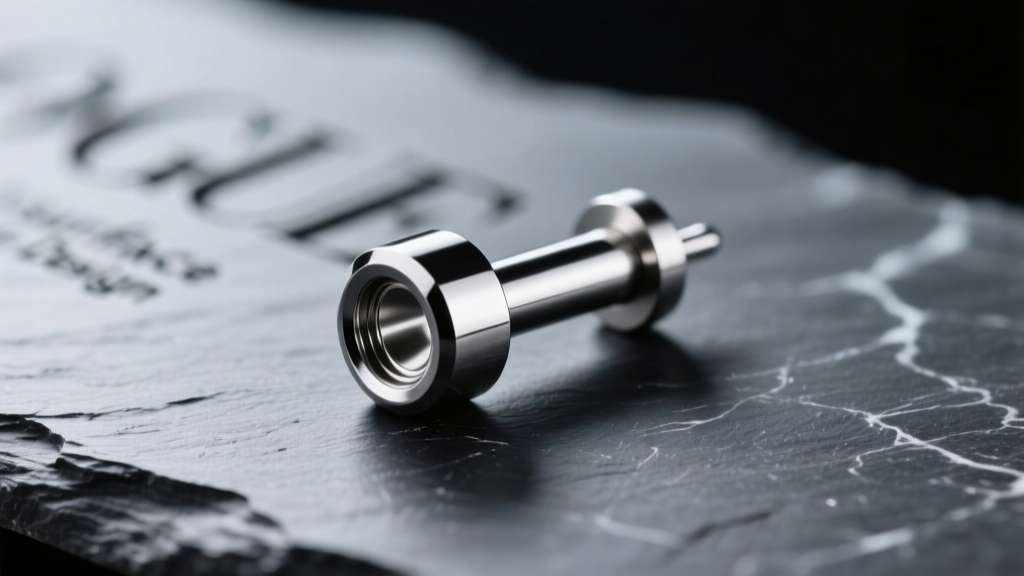
When investing in high-quality nose piercing jewelry, the margin between a flawless, comfortable healing process and a chronic irritation bump often comes down to microscopic hardware details. As we move through 2026, the professional body modification industry has firmly moved away from the guesswork of mall-kiosk accessories, favoring precision-engineered, anatomically correct hardware. Whether you are stepping into a studio for a fresh nostril puncture or upgrading a healed septum, understanding metallurgy, threading mechanics, and structural geometry is non-negotiable.
This comprehensive buying guide strips away the marketing fluff to focus strictly on the data, material grades, and failure modes you need to evaluate before making a purchase.
The Foundation: Why Metal Grade Dictates Healing
The human body treats any foreign object as a potential threat. When it comes to fresh piercings, the goal is to use materials that are entirely biocompatible, meaning the immune system ignores them. According to the Association of Professional Piercers (APP), only a select few materials meet the stringent requirements for initial piercings.
Implant-Grade Titanium (ASTM F-136)
This is the undisputed gold standard for fresh piercings. Implant-grade titanium contains zero nickel, making it hypoallergenic and highly resistant to corrosion from bodily fluids. When shopping, look specifically for the ASTM F-136 or ASTM F-67 designations. If a vendor simply lists 'titanium' without the grade, it is likely commercially pure or an alloy that may contain trace reactive metals.
Solid Gold (14k or 18k)
Gold is a classic choice, but purity matters immensely. 24k gold is too soft for body jewelry and will easily scratch, harboring bacteria. Conversely, 10k gold contains high levels of alloyed metals (often nickel or zinc) that can trigger severe contact dermatitis. You must seek out solid 14k or 18k gold that is specifically alloyed for biocompatibility (often using palladium or silver instead of nickel). Avoid gold-plated or gold-filled jewelry entirely; the microscopic friction of a healing fistula will strip the plating within weeks, exposing the reactive base metal underneath.
Decoding Threading: The Mechanics of Insertion
Threading refers to how the decorative end attaches to the post that passes through your piercing. This seemingly minor detail dictates the level of trauma inflicted on your fistula during jewelry changes.
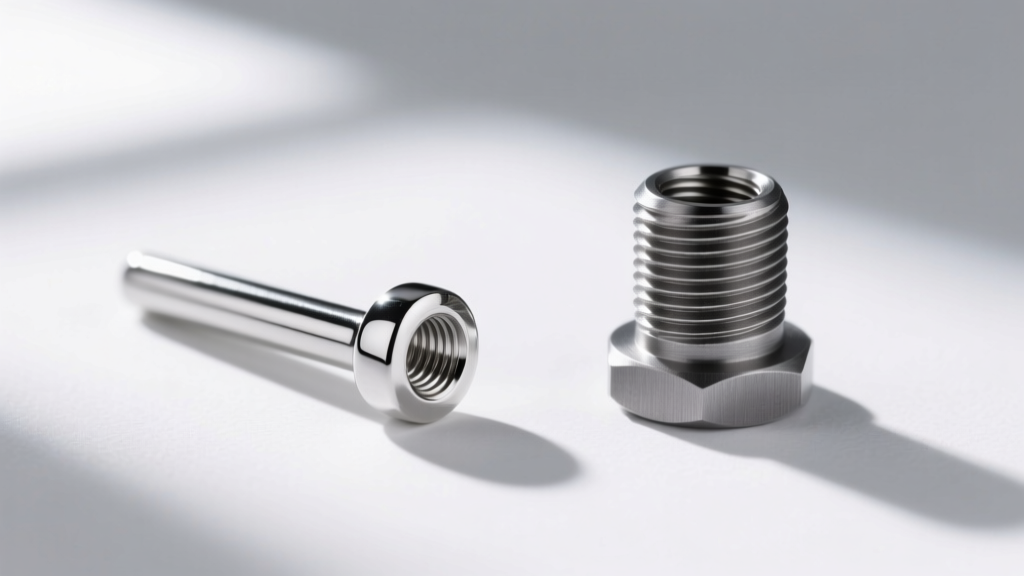
Threadless (Push-Pin) Jewelry
Threadless jewelry operates on a tension-fit system. A slightly bent, smooth metal pin is inserted into a hollow post, creating a secure lock via outward pressure. Why it wins: Because the pin is completely smooth, it glides through the piercing channel without catching or scraping delicate healing tissue. It also allows for universal compatibility between different brands and ends.
Internally Threaded Jewelry
In internally threaded pieces, the screw mechanism is located on the inside of the decorative end, while the post passing through the skin is completely smooth. This is the minimum acceptable standard for high-end body jewelry.
The Failure Mode: Externally Threaded Hardware
If the post itself has sharp, ridged screw threads (externally threaded), do not buy it. Forcing those sharp threads through a piercing channel acts like a microscopic cheese grater, tearing the fistula lining and introducing metal shavings into the wound. This is a primary cause of delayed healing and hypertrophic scarring.
Gauge, Rise, and Diameter: The Metrics That Matter
Buying nose piercing jewelry requires precise anatomical measurements. A mismatch in gauge or 'rise' (the length of the post) will cause immediate mechanical irritation.
| Metric | Standard Sizes | Application & Notes | Typical Price Range |
|---|---|---|---|
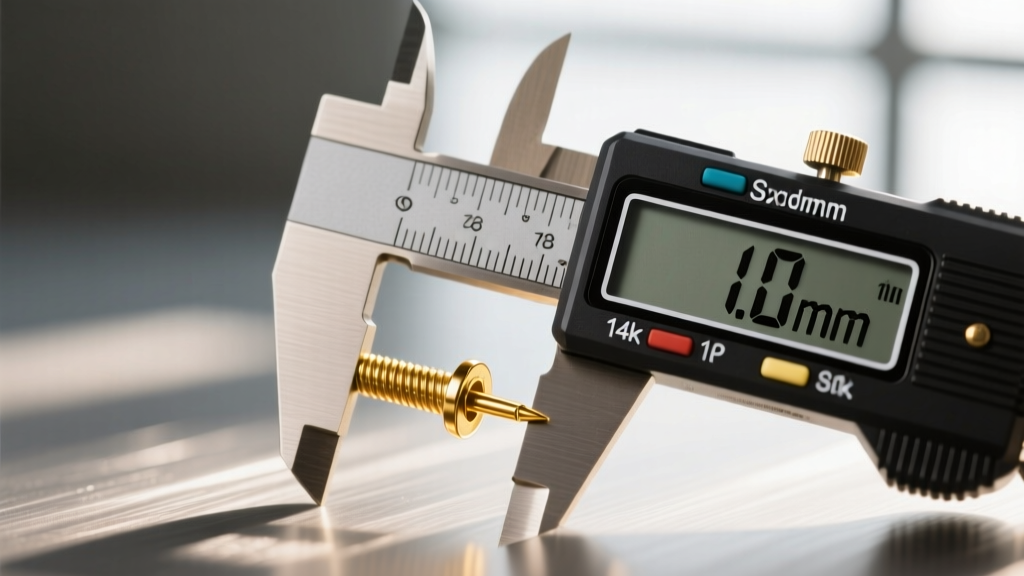
| Gauge (Thickness) | 18g (1.0mm) / 20g (0.8mm) | 18g is the professional standard for nostrils. 20g is common for retail, but thinner wires increase the 'cheese-cutter effect' risk. | $15 - $45 |
| Rise (Post Length) | 6mm / 8mm / 10mm | Fresh piercings require 8mm-10mm to accommodate swelling. Healed piercings usually need 6mm-7mm for a flush, snag-free fit. | Included in base |
| Septum Diameter | 8mm (5/16') / 10mm (3/8') | Diameter dictates how the hoop wraps around the columella. Too small causes upward pressure; too large catches on clothing. | $30 - $120 |
The Importance of Post 'Rise'
The 'rise' is the distance from the flat back of the jewelry to the decorative end. When you get a fresh piercing, the tissue will swell. If your piercer uses a standard 6mm post, the swelling will engulf the decorative end, leading to embedding—a medical emergency requiring surgical removal. Always ensure your initial jewelry has an 8mm or 10mm rise, and plan to downsize to a 6mm post once the swelling subsides (usually around 6 to 8 weeks).
Style Mechanics: Flat-Backs vs. Traditional Screws
The structural design of the jewelry heavily influences your daily comfort and the piercing's long-term health.
Flat-Back Labrets: The Modern Standard
Flat-back labrets feature a straight post with a flat, smooth disc on the inside of the nostril. This design rests flush against the mucosal lining, eliminating the risk of the jewelry catching on towels, hair, or clothing. It also prevents the 'bump' inside the nose that can harbor bacteria and dried lymph.
Nose Screws and L-Bends: The Legacy Options
Corkscrew nose screws and L-shaped bends were the standard in the early 2000s, but they possess inherent design flaws. The curved hooks act as levers; if the outside of the jewelry is bumped, the hook pivots inside the piercing channel, causing micro-tears. While acceptable for fully healed, mature piercings, they are highly discouraged for fresh placements or active lifestyles.
Seamless and Clicker Rings
Hoops should never be worn in a fresh piercing. The circular shape moves constantly, dragging dried crust and bacteria back into the healing wound. Furthermore, the curvature puts uneven pressure on the fistula, often causing the piercing to heal at an awkward angle. Wait a minimum of 6 to 9 months before transitioning to a high-quality titanium or gold clicker ring.
Red Flags: What to Avoid When Shopping
The market is flooded with deceptive terminology designed to sell low-quality hardware at premium prices. Guard your wallet and your anatomy by avoiding these common traps:
- 'Surgical Steel' or 'Stainless Steel': This is a broad, unregulated marketing term. Most 'surgical steel' contains 8% to 12% nickel. While fine for a healed earlobe, it is a primary trigger for nickel allergies in the highly sensitive nasal mucosa.
- Sterling Silver: Silver oxidizes rapidly when exposed to the sulfur and moisture in bodily fluids. This oxidation turns the jewelry black and can cause permanent localized skin staining (argyria) inside the nostril.
- 'Hypoallergenic' Labels without Certifications: The term 'hypoallergenic' is not legally regulated in the jewelry industry. Always demand specific metallurgical certifications (like ASTM F-136) rather than relying on vague marketing adjectives.
- Magnetic or Adhesive 'Fake' Piercings: While harmless as a temporary fashion statement, wearing magnetic studs over an actual healing fistula will restrict blood flow and cause severe tissue necrosis.
Final Verdict: Building Your Collection
Purchasing the right nose piercing jewelry is an exercise in precision. For your initial piercing and subsequent downsizing, mandate the use of threadless, implant-grade titanium flat-back labrets with an appropriate rise to manage swelling. Once your fistula is fully matured (typically 9 to 12 months for nostrils), you can safely explore solid 14k or 18k gold ends, intricate clicker rings, and custom-fitted seamless hoops.
By prioritizing verified material grades and anatomical mechanics over fleeting aesthetic trends, you ensure that your piercing remains a comfortable, irritation-free staple of your personal style for decades to come. Always consult with an APP-certified professional piercer to verify your hardware choices before making any modifications to your setup.


