Cross Dermal Jewelry: A 2026 Budget & Value Guide
Discover the true cost of cross dermal jewelry. We compare materials, pricing tiers, and hidden rejection risks to help you find the best value in 2026.

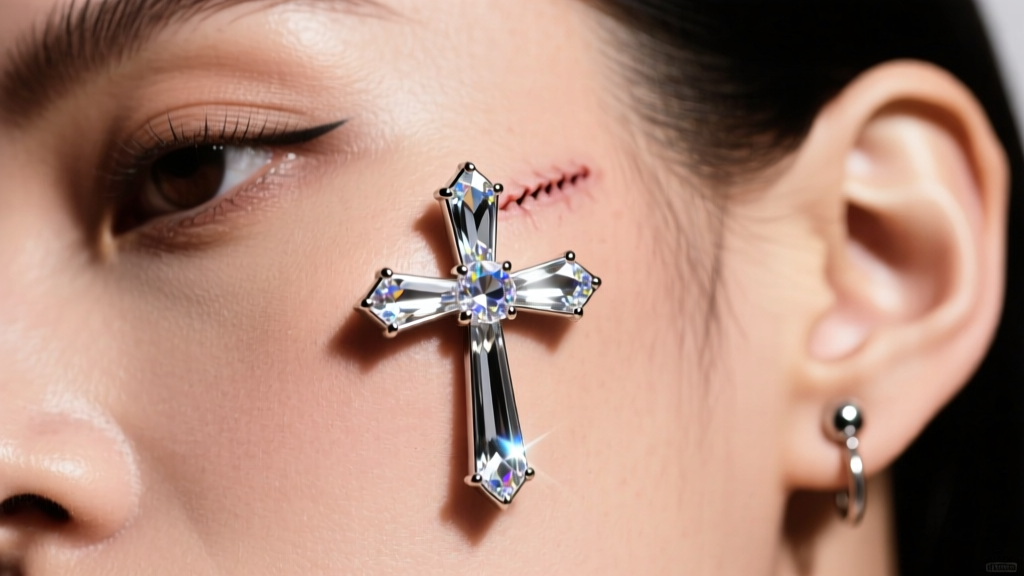
The True Cost of Cross Dermal Jewelry: Beyond the Price Tag
When evaluating cross dermal jewelry, the initial price tag is only a fraction of the true cost. Microdermal piercings—often placed on the chest, cheekbones, or nape of the neck—are semi-permanent modifications that rely entirely on the biocompatibility and structural integrity of the jewelry anchoring them beneath the skin. A cross-shaped dermal top adds a layer of geometric complexity that demands higher manufacturing precision than standard round or teardrop tops. In this 2026 budget and value assessment, we break down exactly what you are paying for, where you can safely cut costs, and where buying "cheap" will inevitably lead to expensive complications like tissue rejection, scarring, and anchor migration.
Material Breakdown: What You Are Actually Paying For
The foundation of any dermal jewelry's value lies in its metallurgical composition. The Association of Professional Piercers (APP) maintains strict guidelines on acceptable materials for long-term subdermal wear. Here is how the materials commonly used for cross dermal tops stack up in terms of budget and biological value.
Surgical Steel (316L) vs. Implant-Grade Titanium (ASTM F-136)
Budget cross dermal tops are frequently manufactured from 316L surgical steel, often priced between $10 and $20. While 316L is acceptable for some healed surface piercings, it contains trace amounts of nickel. Because dermal anchors sit entirely within the dermis, the immune system is in constant contact with the metal. For individuals with nickel sensitivities, this can trigger chronic inflammation, leading the body to push the anchor out (rejection). Implant-grade titanium (ASTM F-136), typically priced between $25 and $45 for a quality top, contains zero nickel and is highly biocompatible. The $15 to $25 premium for titanium is the single most valuable investment you can make to protect the longevity of your dermal pocket.
Solid Gold and the Plating Trap
Premium cross dermal jewelry crafted from 14k or 18k solid, nickel-free gold ranges from $90 to over $250. However, the budget market is flooded with "gold-plated" or PVD-coated titanium and steel alternatives for $15 to $30. While PVD coating is generally safe, the friction of screwing and unscrewing the top from the anchor post can cause microscopic flaking over time. If you want the aesthetic of gold on a budget, high-quality PVD-coated implant-grade titanium is a sound mid-tier choice, but it will never hold the heirloom value or lifelong durability of solid gold.
2026 Pricing Tiers and Value Assessment
To help you allocate your piercing budget effectively, we have categorized the current market offerings for cross dermal tops into three distinct tiers. This table reflects average retail pricing for the decorative top only, excluding the initial anchor base and piercer service fees.
| Value Tier | Typical Material | Avg. Top Price | Manufacturing Quality | Long-Term Value |
|---|---|---|---|---|
| Budget | 316L Steel / Acrylic | $10 - $20 | Poor edge polishing, external threads, glued gems | Low (High snag & rejection risk) |
| Mid-Range | ASTM F-136 Titanium | $25 - $55 | Smooth bezels, internal/precision threads, secure settings | Excellent (Industry standard) |
| Premium | 14k/18k Solid Gold | $90 - $250+ | Hand-polished bevels, premium gem cuts, brand warranties | Superior (Heirloom quality) |
The Hidden Costs of "Cheap" Cross Dermal Tops
When you purchase a $12 cross dermal top from an unverified online marketplace, you are assuming several hidden financial and physical risks. The most significant is the cost of rejection. If a poorly polished cross top snags on a towel or hairbrush, the resulting micro-trauma signals the body to reject the anchor. Removing a rejected dermal, treating the resulting scar tissue, and eventually re-piercing the area can easily cost upwards of $150 to $300 in professional piercer fees and aftercare products.
The Snag Factor: Why the Cross Shape Demands Precision
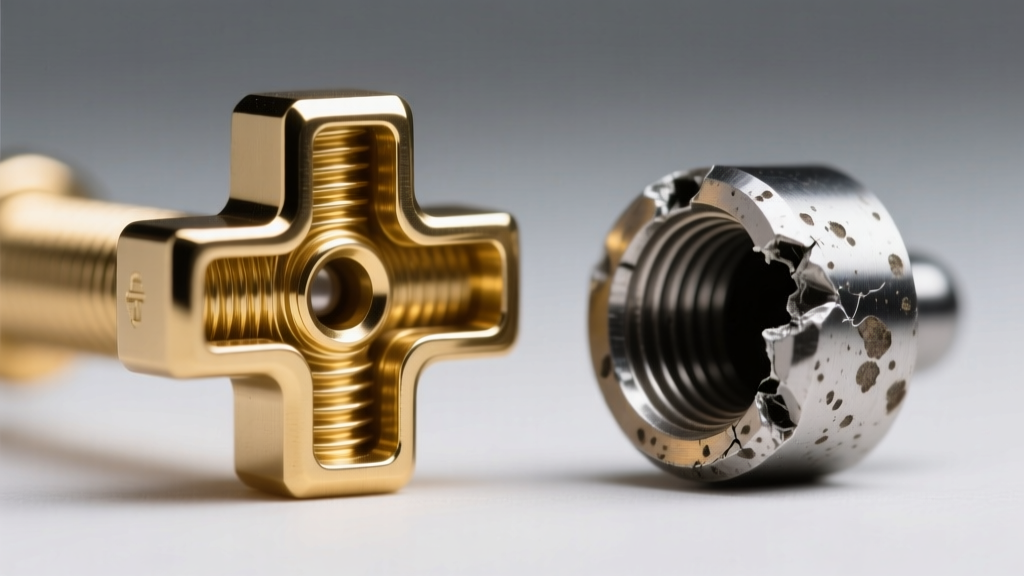
Unlike circular or oval dermal tops, a cross features four distinct points or arms. On budget jewelry, these points are often stamped and left with microscopic burrs or sharp 90-degree edges. These sharp corners act as anchors for clothing fibers and hair. Premium brands invest heavily in CNC machining and hand-polishing to ensure the arms of the cross feature a smooth, domed bevel. When assessing value, always run a cotton swab along the edges of the cross; if the cotton catches or tears, the jewelry is a hazard to your healing dermal pocket.
Gem Security: Prong vs. Bezel Settings
Cross dermal jewelry often features a central gem or smaller accent stones on each arm. Budget options frequently use glued-in gems or flimsy, mass-produced prongs that bend easily. If a gem falls out, the empty prong becomes a sharp snag hazard. Mid-range and premium brands utilize precision bezel settings or thick, hand-tightened prongs that secure the stone without the use of toxic adhesives that can degrade under the skin's natural oils and saline aftercare.
Threading Standards and Anchor Longevity
The connection point between your dermal top and the subdermal anchor base is the most critical mechanical failure point. High-end manufacturers utilize precision-machined threading to ensure the top screws on smoothly without cross-threading. According to guidelines detailed by the APP regarding healing and jewelry mechanics, the threading must never damage the surrounding tissue during top changes.
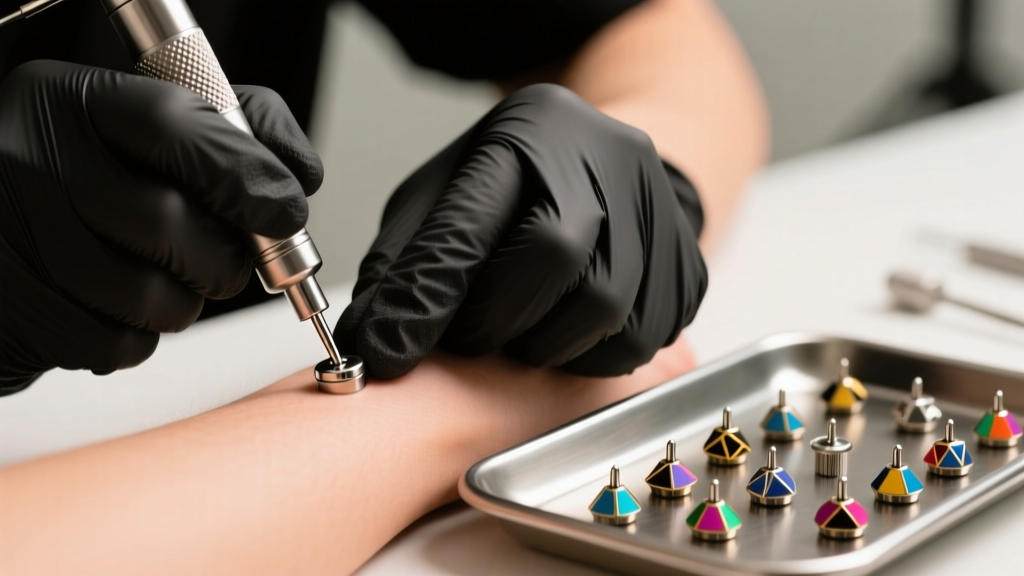
Most high-quality dermal anchors feature an internally threaded hole (typically 0.9mm or 1.2mm depending on the gauge). The cross top should have a smooth, precision external pin that screws into this base. Cheap kits often reverse this, using externally threaded anchor posts that act like cheese-wire through the dermal pocket during insertion, or poorly cut threads on the tops that strip the anchor's internal threads. If you strip the threads on a subdermal anchor, the entire anchor must be surgically removed and replaced—a costly and painful procedure that completely negates any money saved on budget jewelry.
Final Verdict: Maximizing Your Dermal Investment
When budgeting for cross dermal jewelry, the smartest financial strategy is to allocate the majority of your funds toward the initial implant-grade titanium or solid gold anchor base and a mid-range titanium cross top. You can always upgrade the decorative top to solid gold years down the line once the pocket is fully mature and stable. Sacrificing material quality or edge-polishing for a cheaper upfront price is a false economy that almost always ends in migration, scarring, and the total loss of the piercing.
Expert Tip for 2026: If you are sporting a cross dermal on a high-movement area like the collarbone or sternum, opt for a cross top with a lower profile (under 3mm in height). The lower the profile, the less leverage accidental snags will have against the anchor base, drastically extending the lifespan of your modification.
Ultimately, true value in body jewelry is measured in years of safe, comfortable wear. By prioritizing ASTM F-136 titanium, precision beveling, and secure gem settings, your cross dermal jewelry will remain a striking, trouble-free staple of your aesthetic for years to come.


