Back Surface Piercing Jewelry: Troubleshooting Rejection & Snags
Is your back surface piercing jewelry migrating or rejecting? Learn expert troubleshooting tips, ideal titanium barbell angles, and aftercare fixes.

The Biomechanics of Back Tension: Why Surface Piercings Fail
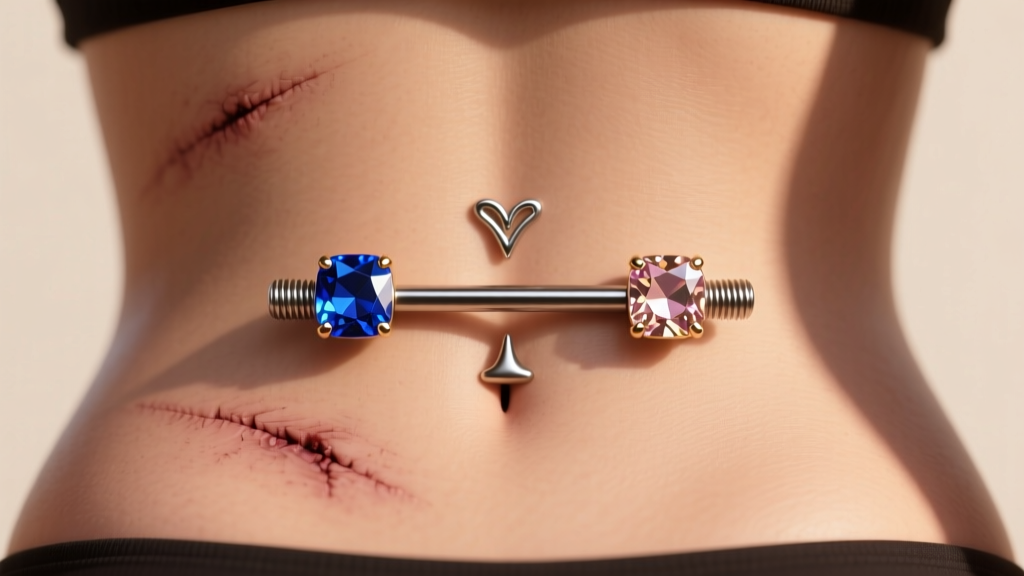
When evaluating back surface piercing jewelry, you must first understand the biomechanical hostility of the environment. The back—whether you are dealing with a nape piercing, a spinal surface bar, or lower back Venus dimple piercings—is a high-mobility zone. The skin here is subject to constant stretching, twisting, and compression from clothing and muscle movement. Unlike earlobes or cartilage, surface piercings on the back do not have a deep tissue tract to anchor them; they rely entirely on the dermal layer to hold the jewelry in place.
Because of this, the failure rate for back surface piercings is significantly higher than standard piercings. The most common culprits are improper jewelry geometry, substandard metallurgy, and mechanical trauma. As of 2026, advancements in CNC-milled jewelry and custom-bent barbells have improved success rates, but troubleshooting requires a precise understanding of why your specific piercing is struggling.
Jewelry Architecture: Surface Bars vs. Dermal Anchors
The first step in troubleshooting is identifying whether your jewelry type is fundamentally suited for your specific back placement. While both surface barbells and microdermal anchors are used on the back, they interact with tissue tension very differently.
| Feature | Surface Barbell (Staple-Shaped) | Microdermal Anchor (Single-Point) |
|---|---|---|
| Tension Distribution | Distributes pressure across two entry points and a subdermal bridge. | Localizes all tension to a single dermal pocket and anchor base. |
| Best Back Placement | Nape of neck, horizontal lower back (Venus), sternum. | Curved spinal placements, asymmetric lower back dimples. |
| Snag Risk | Moderate (ends can catch on hair/clothing). | Low (sits flush against the skin if properly healed). |
| Migration Pattern | Often rejects linearly along the barbell path. | Tilts and pushes up through the single entry point. |
The Critical Role of Barbell Angles and Gauge
If you are wearing a surface barbell, the bend angle is the single most important factor in preventing rejection. A standard straight barbell will guarantee rejection on the back due to tissue bowing. Even a generic 90-degree bend is often insufficient. Most high-end brands like Anatometal and Industrial Strength offer 120-degree bends, but high-tension areas like the nape often require a custom 140-degree bend to accommodate the natural curvature of the spine and muscle movement.
- 14-Gauge (1.6mm): The industry standard. Thick enough to resist the "cheese-cutter" effect, where thin wire slowly slices through the skin.
- 12-Gauge (2.0mm): Highly recommended for high-mobility back areas. The increased surface area of the barbell base reduces point-pressure on the dermis.
- Bar Width: If the bar is too short, it will pull the entry points inward, causing dimpling and irritation bumps. If it is too long, it will slide laterally, causing micro-tears.
Troubleshooting Guide: Diagnosing Your Failing Piercing
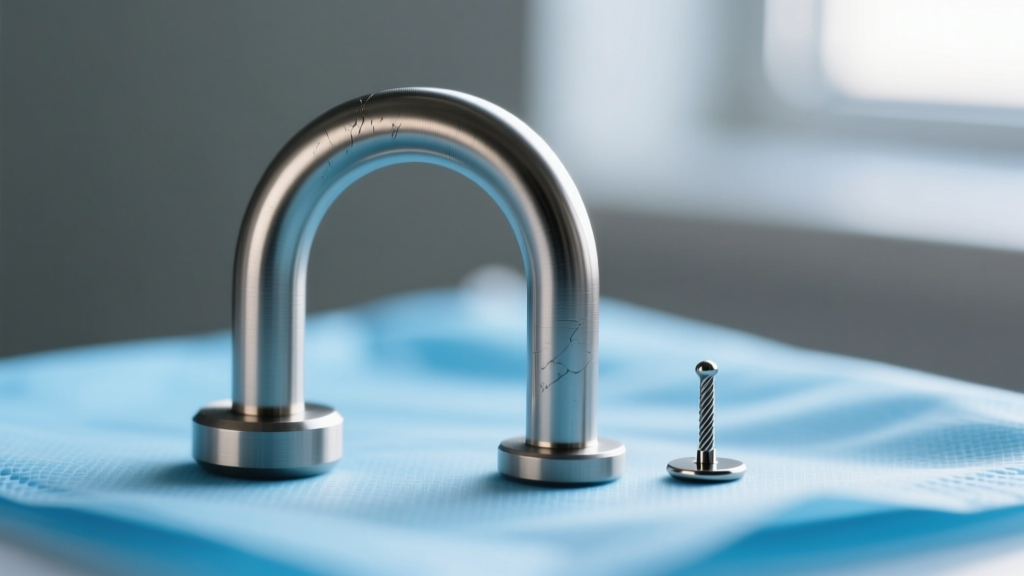
Not all redness is rejection. Before you panic and remove your back surface piercing jewelry, you need to accurately diagnose the failure mode. Here is how to differentiate between mechanical irritation, allergic contact dermatitis, and true tissue rejection.
Problem 1: The "Cheese Cutter" Effect (Migration)
Symptoms: The entry points are slowly moving closer together, the skin over the bar is thinning, and you can visibly see the outline of the metal beneath the epidermis.
The Fix: Migration is usually a mechanical failure. If you are wearing a 16-gauge wire or a flexible PTFE bar, you must upgrade to a rigid 12-gauge implant-grade titanium surface bar immediately. Flexible jewelry bends with the body, creating a sawing motion that slices through the dermal bridge. If the skin between the entry points is less than 2mm thick, the piercing cannot be saved; remove it to minimize scarring.
Problem 2: Persistent Irritation Bumps and Dimpling
Symptoms: Raised, fleshy, or fluid-filled bumps directly adjacent to the entry holes, accompanied by deep skin dimpling around the jewelry ends.
The Fix: This is almost always an angle or width mismatch. If your piercer used a standard 120-degree bend but your back tissue requires a 140-degree bend, the ends of the barbell are pulling upward against the skin. You need a professional piercer to measure your tissue tension and order a custom-bent barbell. Do not attempt to bend the metal yourself, as this compromises the structural integrity and polish of the titanium.
"A surface piercing on the back is a negotiation with the body's tension lines. If the jewelry fights the skin's natural resting state, the skin will always win by pushing the metal out." — Senior APP-Certified Piercer
Problem 3: Snagging and Micro-Trauma
Symptoms: Sudden bleeding, crusting, or swelling after sleeping, changing clothes, or washing hair.
The Fix: Nape piercings are notorious for catching on shirt collars and hairbrushes. Lower back piercings catch on waistbands. Switch to threadless or internally threaded ends with a low-profile, bezel-set gemstone or a smooth titanium ball. Avoid prong-set gems entirely. For sleeping, use a travel neck pillow (for nape piercings) to keep the area elevated and free from mattress friction.
Material Intolerance vs. Mechanical Rejection
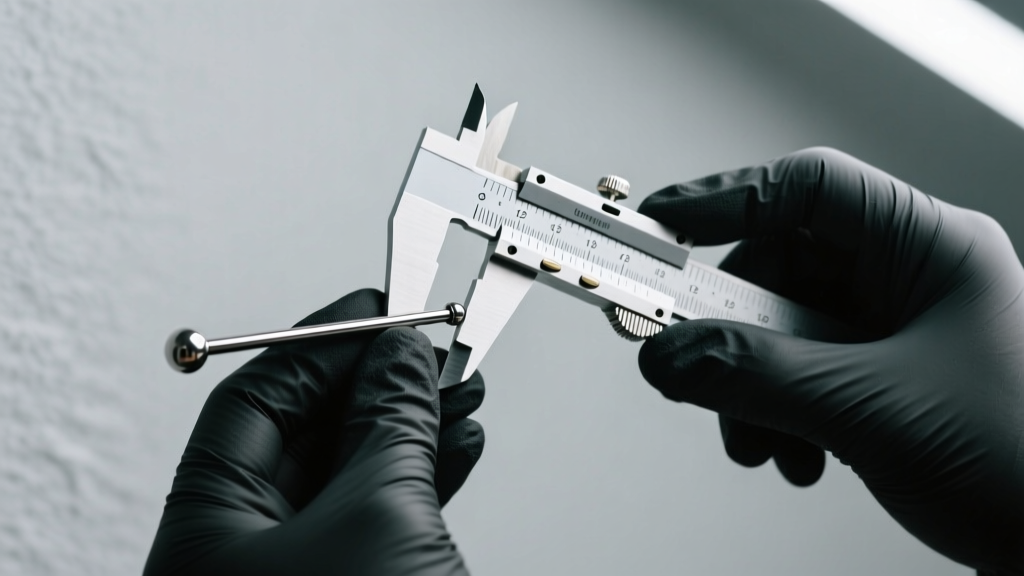
Are you experiencing rejection, or is your body reacting to toxic alloys? Many budget jewelry brands market "surgical steel" as hypoallergenic, but 316L stainless steel contains up to 14% nickel. The back sweats heavily, and the combination of moisture, friction, and nickel exposure can trigger severe allergic contact dermatitis, which mimics the redness and swelling of rejection.
According to the Association of Professional Piercers (APP), the only acceptable materials for initial and troubled surface piercings are implant-grade titanium (ASTM F-136 or F-67), niobium, or solid 14k/18k gold. If your jewelry is magnetic, or if it has a yellowish or dull grey tint, it is not implant-grade titanium. Upgrading to mirror-polished ASTM F-136 titanium from reputable manufacturers like NeoMetal or Anatometal can halt "rejection" that was actually an allergic response.
Emergency Interventions: Can You Save a Migrating Piercing?
If you notice early signs of migration (redness, thinning skin, slight shifting), you have a narrow window to intervene. While you cannot reverse true rejection, you can stabilize a piercing that is suffering from acute mechanical stress.
- Medical Taping: Apply a small strip of 3M Micropore medical tape over the jewelry ends to secure them to the surrounding skin. This prevents lateral shifting and snagging while you sleep, giving the dermal bridge a chance to calm down.
- Downsize the Bar Width: If the tissue is swollen and the current barbell is too tight (causing the ends to bury into the skin), visit your piercer to swap to a slightly wider bar to accommodate the swelling.
- Strict Saline Protocol: Cease all use of tea tree oil, aspirin pastes, or harsh soaps. Spray sterile 0.9% sodium chloride wound wash twice daily. The National Center for Biotechnology Information (NCBI) notes that chemical irritation from harsh aftercare products severely compromises the fragile fistula of surface piercings.
- Eliminate Tension: Wear loose, backless, or low-rise clothing. Avoid backpacks, heavy bags, or tight sports bras that press directly against the dermal bridge.
Knowing When to Let Go
Ultimately, surface piercings are considered temporary by many medical professionals. If the jewelry has breached the epidermis, or if the skin bridge is translucent and tearing, removal is the only safe option. Leaving a rejecting back surface piercing jewelry piece in place will result in severe hypertrophic scarring or keloid formation. Have a professional piercer remove the jewelry, clean the area, and apply a silicone scar treatment sheet once the entry points have closed to ensure your back remains a blank canvas for future, better-placed modifications.


