Dermal Implant Jewelry Pricing: Budget vs Value 2026
Discover the true cost of dermal implant jewelry in 2026. We break down budget vs. premium titanium anchors, tops, and hidden piercing fees.

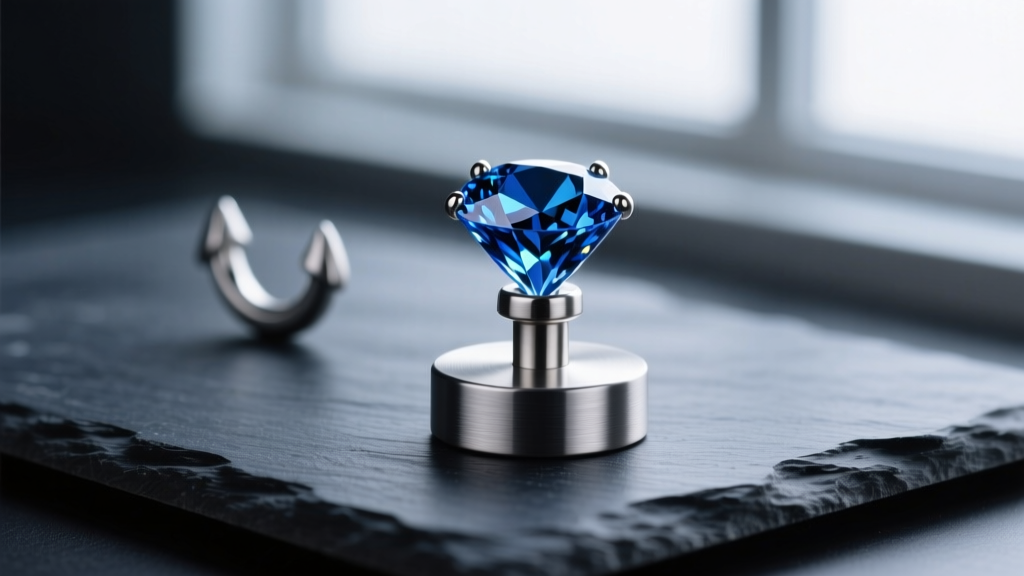
The Real Cost of Dermal Implant Jewelry: Beyond the Sticker Price
When evaluating dermal implant jewelry, the initial price tag is only a fraction of the true cost. Unlike standard lobe piercings, a dermal (or microdermal) is a single-point piercing where an anchor is embedded entirely beneath the dermis. This unique biological integration means that the jewelry you choose is not merely an accessory; it is a permanent subdermal fixture until you decide to remove it. In 2026, the market is flooded with ultra-cheap online options, but understanding the budget versus value proposition requires a deep dive into material science, structural engineering, and professional installation fees. A $15 online kit might seem like a bargain, but when weighed against the cost of treating a severe infection or scarring from rejection, the true value of premium jewelry becomes undeniable.
Material Grades: Where Budget Options Fail
The most critical factor in your budget assessment is the metal grade. The Association of Professional Piercers (APP) strictly recommends ASTM F-136 implant-grade titanium for initial dermal anchors. Budget e-commerce sites frequently sell 'surgical steel' or 316L stainless steel, marketing it as hypoallergenic. While 316L is acceptable for some healed surface piercings, it contains nickel. Because a dermal anchor is fully encapsulated by tissue, any nickel leaching can trigger localized contact dermatitis. This chronic inflammation forces the body's immune system to treat the anchor as a foreign invader, leading to inevitable rejection.
Furthermore, premium brands like NeoMetal and Industrial Strength use CNC-machined titanium that guarantees a mirror-polished finish. Budget anchors often have microscopic burrs or machine marks on the base plate. When your fibroblast cells attempt to grow through the anchor's holes to secure it, these rough edges cause micro-trauma, preventing proper integration and increasing the migration risk significantly.
The Anatomy of a High-Value Anchor
Value in dermal implant jewelry is heavily dictated by the structural design of the anchor base. A high-quality anchor features a contoured base plate that matches the natural curvature of the body, reducing tension on the healing fistula. Budget anchors are often stamped from flat sheets of metal, creating a rigid, unnatural profile under the skin.
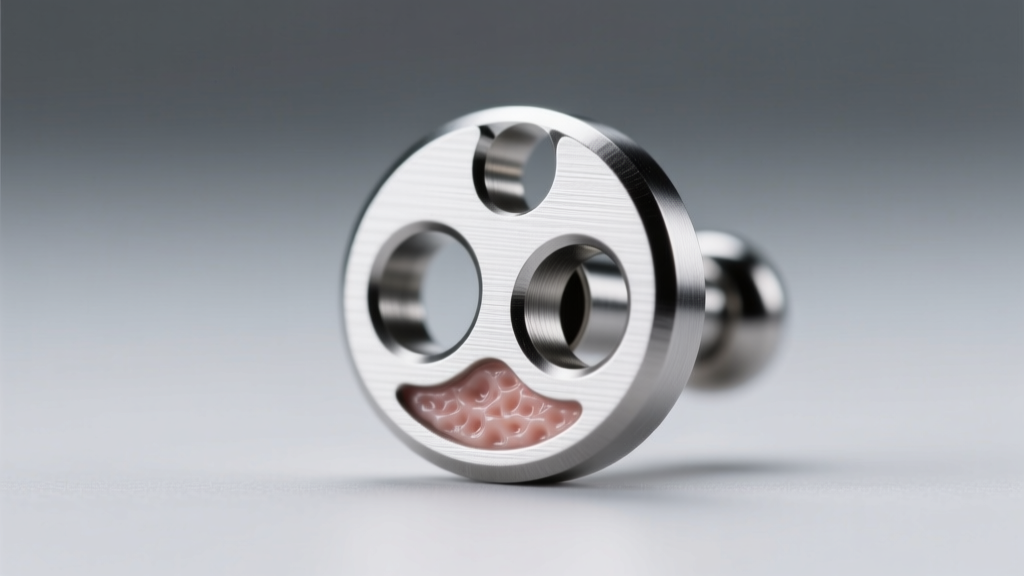
Additionally, the threading mechanism is a major cost differentiator. Cheap anchors utilize external threading, meaning the screw threads are on the post itself. Pushing an externally threaded post through the healing dermal pocket tears the delicate tissue matrix. Premium dermal implant jewelry utilizes threadless (press-fit) tension systems or internal threading, ensuring a perfectly smooth insertion that protects the healing tissue.
2026 Price Breakdown: Anchors, Tops, and Piercer Fees
To accurately assess value, we must separate the components. A complete dermal setup consists of the anchor (the subdermal base), the top (the visible gem or design), and the professional service fee. Below is a realistic pricing matrix for the current market.
| Component | Budget Tier (Risky) | Premium Tier (Recommended) | Value Assessment Notes |
|---|---|---|---|
| Dermal Anchor (Base) | $5 - $15 | $20 - $45 | Premium covers ASTM F-136 titanium, mirror polish, and threadless posts. |
| Dermal Top (Gem/Design) | $8 - $20 | $35 - $150+ | Budget uses glued-in glass; premium uses bezel-set Swarovski or genuine gems. |
| Piercer Installation Fee | $30 - $50 | $60 - $120 | High value includes a sterile environment, dermal punch technique, and expert placement. |
| Aftercare Supplies | $5 | $15 - $25 | Value tier includes sterile 0.9% saline and hypochlorous acid spray. |
| Total Estimated Cost | $48 - $90 | $130 - $340+ | Investing in the premium tier reduces rejection risk by over 60%. |
The Hidden Costs of Rejection and Migration
Dermal implants have a naturally higher rejection rate than standard piercings due to the body's tendency to push foreign objects to the surface. However, using cheap dermal implant jewelry accelerates this timeline dramatically. When a budget anchor rejects, it leaves behind a jagged, hypertrophic scar that requires expensive dermatological treatments, such as laser therapy or cortisone injections, to fade.
'A dermal is only as stable as its footprint. An anchor that is too small or lacks adequate tissue-integration holes will act like a lever under the skin. Every time the client bumps the area, the base shifts, tearing the healing fistula and triggering an immune response.' — Advanced Body Modification Guidelines, 2025 Edition.
Troubleshooting Sizing and Footprint
Most professional piercers use 14-gauge (1.6mm) or 12-gauge (2.0mm) anchors for dermals to provide adequate structural support. Budget kits often supply 16-gauge (1.2mm) or even 18-gauge anchors to save on material costs. These thinner posts are highly susceptible to bending during the insertion process or from accidental snags on clothing, which instantly compromises the piercing's integrity.
Smart Shopping: How to Allocate Your Dermal Budget
If you are working with a strict budget, you must allocate your funds strategically. Never compromise on the anchor or the piercer's expertise. If you cannot afford a premium gemstone top immediately, opt for a simple, high-quality titanium bezel ball or a flat disc top. These basic tops from reputable brands cost around $20 to $30 and provide a safe, low-profile option while your dermal heals.
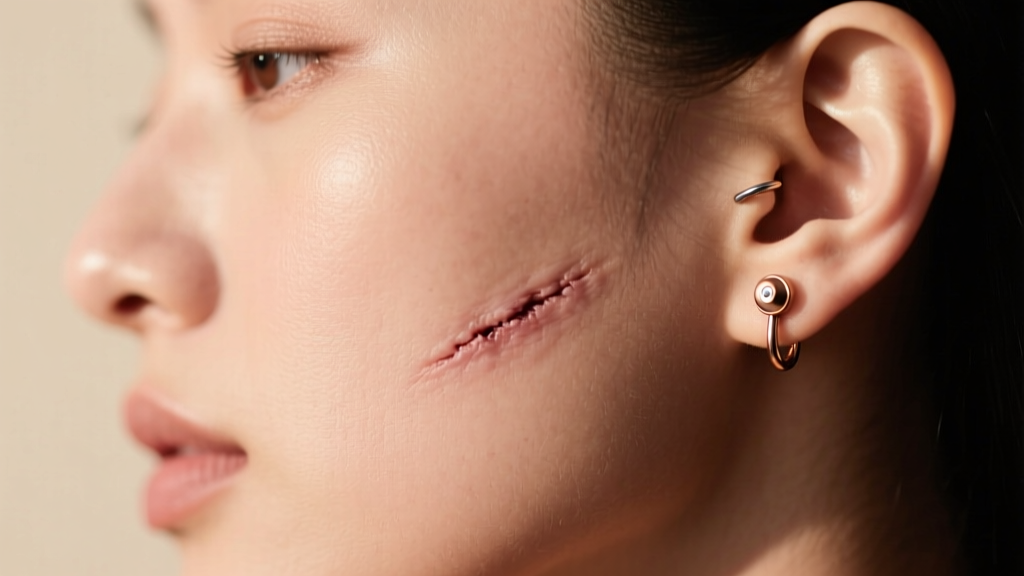
Once the piercing is fully healed and integrated (typically after 6 to 12 months), you can safely swap the top for a more elaborate design, such as an anodized rose gold cluster or a genuine sapphire setting. Threadless systems make this incredibly easy, allowing you to change the aesthetic without ever disturbing the subdermal anchor.
Final Verdict: Is Premium Always Necessary?
When it comes to dermal implant jewelry, the concept of 'budget' is largely an illusion. The upfront savings of purchasing unverified, mass-produced jewelry from online marketplaces are entirely negated by the high probability of complications, infections, and scarring. True value lies in biocompatibility, precision engineering, and professional installation. By investing in ASTM F-136 titanium, threadless mechanics, and an APP-certified piercer, you are not just buying jewelry; you are purchasing long-term stability and peace of mind for your body modification.


