Best Ultrasonic Jewelry Cleaner Liquid: 2026 Buying Guide
Discover the best ultrasonic jewelry cleaner liquid for your gems. Our 2026 buying guide covers pH levels, ingredients, and metal compatibility.

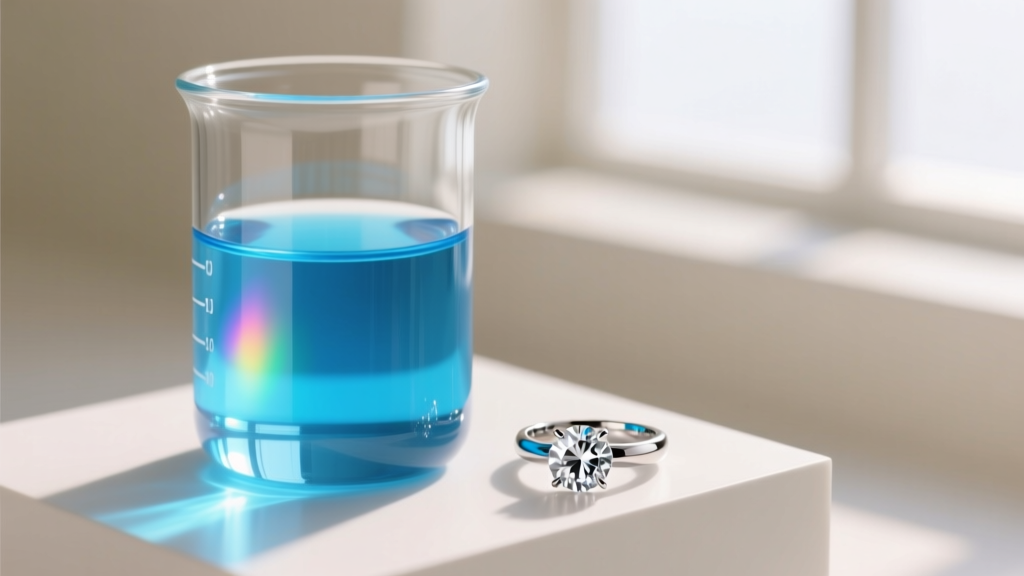
Investing in an ultrasonic cleaning machine is only half the battle for pristine jewelry. The true secret to restoring brilliance lies in the chemistry of the solution you use. While tap water might seem sufficient, it lacks the chemical properties required to break down sebum, cosmetic residue, and environmental grime trapped in micro-crevices. Choosing the right ultrasonic jewelry cleaner liquid is critical not only for achieving optimal sparkle but also for preventing catastrophic damage to porous gemstones and delicate metal alloys.
In this comprehensive 2026 buying guide, we break down the exact chemical formulations, pH thresholds, and surfactant profiles you need to look for, ensuring your cleaning process is both safe and highly effective.
The Physics and Chemistry of Cavitation
Ultrasonic cleaners operate by emitting high-frequency sound waves (typically 40 kHz to 45 kHz) through a liquid medium. This creates millions of microscopic vacuum bubbles that violently implode against the jewelry's surface—a process known as cavitation. However, plain water has a high surface tension of roughly 72.8 mN/m, which prevents these micro-bubbles from penetrating the tight spaces beneath pavé settings or inside intricate filigree work.
A high-quality ultrasonic jewelry cleaner liquid contains specialized non-ionic surfactants that reduce the liquid's surface tension to approximately 30 mN/m. This allows the cavitation bubbles to flow into gaps as small as 0.05 millimeters, effectively blasting away dirt without the need for abrasive mechanical scrubbing.
Key Ingredients: What to Look For (and Avoid)
When evaluating commercial solutions or professional concentrates, scrutinize the ingredient profile. The best formulations rely on a triad of active components:
- Non-Ionic Surfactants: Unlike anionic surfactants (found in harsh dish soaps) which can leave a dulling film on gold and platinum, non-ionic surfactants rinse clean and safely lift lipid-based soils like lotions and skin oils.
- Chelating Agents (e.g., EDTA): These compounds bind to heavy metals and minerals in hard water, preventing calcium and magnesium deposits from forming a white, chalky residue on your jewelry during the cleaning cycle.
- Mild Alkaline Builders: For diamond and platinum cleaning, a slightly alkaline pH (8.5 to 9.5) helps saponify fatty acids. However, avoid highly caustic builders like sodium hydroxide, which can pit solder joints.
The Ammonia Debate
Many legacy jewelry dips rely heavily on ammonium hydroxide. While ammonia is exceptional at cutting grease on diamonds and platinum, it is highly destructive to oxidized silver finishes, pearl nacre, and the epoxy resins used in emerald fracture-filling. If your inventory includes treated stones or mixed-metal pieces, opt for an ammonia-free, enzymatic ultrasonic jewelry cleaner liquid.
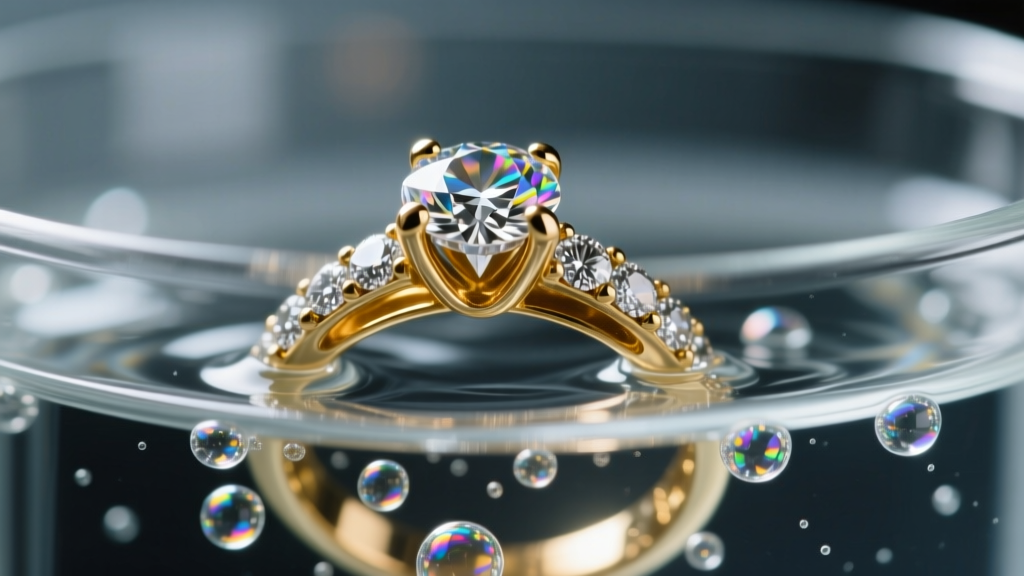
Gemstone & Metal Compatibility Matrix
Not all liquids are created equal. Using an alkaline degreaser on an organic gemstone will result in irreversible etching. Refer to this compatibility matrix before selecting your solution.
| Jewelry Material | Ideal Liquid pH | Recommended Formulation Type | Ingredients to Avoid |
|---|---|---|---|
| Diamonds & Platinum | 8.5 - 9.5 | Alkaline Surfactant Blend | Chlorine, Bleach |
| 14k/18k Yellow Gold | 7.0 - 8.0 | Neutral Mild Detergent | Ammonia (can alter alloy color) |
| Sterling Silver | 7.0 - 8.5 | Tarnish-Inhibiting Surfactant | Ammonia, Sulfates, Chlorides |
| Pearls & Coral | 7.0 (Strictly Neutral) | Enzymatic / Organic Safe | Ammonia, Acids, Ultrasonics entirely |
| Emeralds & Opals | 7.0 | Non-Cavitating Soak Only | Surfactants (can strip oils/resins) |
Concentrates vs. Ready-to-Use Solutions
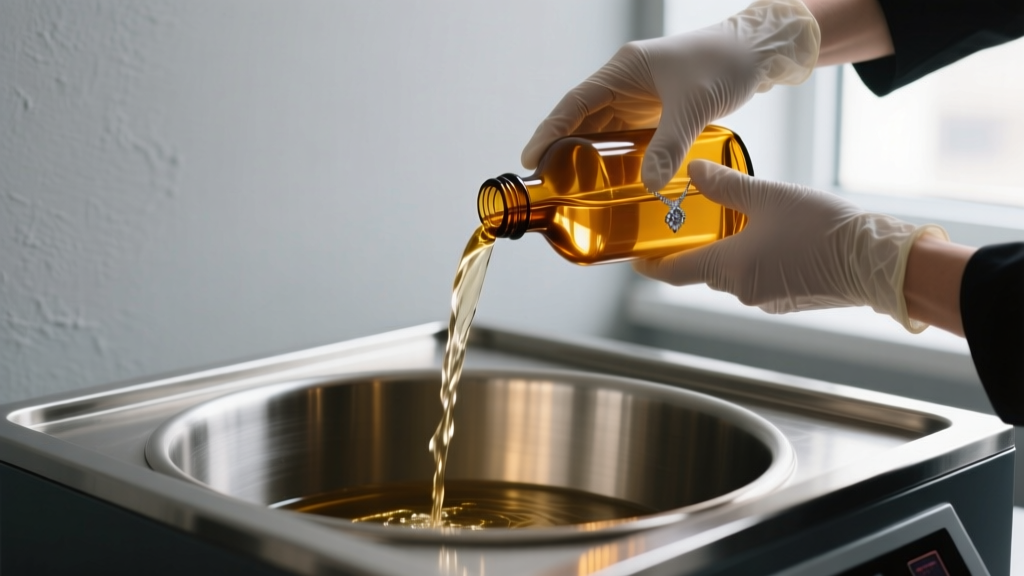
For professional jewelers or serious collectors, purchasing a ready-to-use ultrasonic jewelry cleaner liquid is economically inefficient. Professional-grade concentrates offer superior value and customizable strength.
Dilution Economics and Ratios
Most professional concentrates (such as those supplied by Rio Grande) require a dilution ratio between 1:10 and 1:40, depending on the soil load. A single gallon of high-quality concentrate, diluted at 1:20 with distilled water, yields 20 gallons of working solution. This brings the cost per liter down to pennies compared to the $15-$25 per liter you would pay for pre-mixed retail sprays.
Pro Tip: Always use distilled or deionized water for dilution. Tap water introduces dissolved solids that interfere with the chelating agents and reduce the lifespan of your ultrasonic tank's transducers.
Temperature Synergy: Heating Your Solution
Chemistry is accelerated by heat. The cleaning efficacy of your ultrasonic jewelry cleaner liquid increases dramatically when the solution is heated. The optimal temperature range for most jewelry-grade surfactants is between 40°C and 50°C (104°F to 122°F). At this threshold, the vapor pressure inside the cavitation bubbles increases, resulting in a more forceful implosion that dislodges stubborn polishing compounds and hardened sebum. However, never exceed 60°C (140°F), as excessive heat can degrade the surfactant molecules and damage heat-sensitive gemstones like tanzanite or opals.
Troubleshooting Common Cleaning Failures
Even with a premium liquid, you may encounter suboptimal results. Here is how to troubleshoot based on fluid dynamics and chemistry:
- White, Chalky Residue on Gold: This is hard water scale. Your liquid lacks sufficient chelating agents, or you are using tap water. Switch to distilled water and ensure your concentrate contains EDTA.
- Dull, Cloudy Diamonds: The liquid is failing to saponify heavy skin oils. The pH is likely too low (near neutral). Switch to a mildly alkaline formula (pH 9.0) and increase the tank temperature to 45°C.
- Darkening of Sterling Silver: Your liquid contains sulfates or chlorides, or the pH is too high, causing rapid oxidation. Switch to a dedicated, ammonia-free silver ultrasonic fluid with a built-in anti-tarnish inhibitor.
Safety, Storage, and Disposal Protocols
While most modern ultrasonic jewelry cleaner liquids are biodegradable and non-toxic, they are still concentrated chemical agents. Store concentrates in amber or opaque HDPE bottles away from direct UV light, which can break down enzymatic and surfactant bonds over time. When disposing of spent working solutions, neutralize heavily soiled alkaline baths with a mild citric acid solution before pouring them down the drain, ensuring compliance with local municipal water treatment guidelines.
According to the Gemological Institute of America (GIA), while ultrasonic cleaners are highly effective for diamonds, the liquid medium must be carefully selected to avoid stripping the fracture-filling oils in treated stones or damaging the delicate structural integrity of included gems.
Final Verdict: Building Your Cleaning Arsenal
There is no single "universal" ultrasonic jewelry cleaner liquid that safely cleans every material in a jeweler's repertoire. The most effective approach for 2026 is to maintain a dual-tank system: one tank utilizing a mildly alkaline, ammonia-free surfactant blend for diamonds, sapphires, and platinum, and a second tank utilizing a strictly neutral, non-ionic enzymatic solution for mixed metals, porous stones, and delicate antique pieces. By matching the fluid chemistry to the material science of your jewelry, you guarantee brilliant results and preserve the structural integrity of your most prized assets.


