How Do You Clean Jewelry Without Jewelry Cleaner? Safe DIY Hacks
Discover how do you clean jewelry without jewelry cleaner using budget-friendly pantry staples. Compare DIY methods for gold, silver, and gemstones safely.

The True Cost of Commercial Jewelry Cleaners vs. DIY
When budget-conscious collectors and everyday wearers ask, "how do you clean jewelry without jewelry cleaner?", the motivation is usually financial. Commercial liquid jewelry cleaners typically range from $12 to $35 per bottle, while professional ultrasonic cleaning services can cost $25 to $50 per visit. Over a decade of ownership, these maintenance costs can easily eclipse the original purchase price of fashion or semi-fine jewelry. However, evaluating the "value" of DIY cleaning requires looking beyond the upfront price tag. A botched home cleaning can strip gemstone treatments, erode soft metals, or degrade organic materials, resulting in restoration bills that dwarf the cost of commercial products.
To maximize your jewelry care budget, you must treat DIY cleaning not as a free pass, but as a targeted chemical process. By leveraging pantry staples with precise formulations, you can achieve professional-level results for pennies on the dollar, provided you understand the metallurgical and gemological boundaries of your pieces.
How Do You Clean Jewelry Without Jewelry Cleaner? The Pantry Protocol
Not all household items are safe for jewelry. Toothpaste, for instance, contains hydrated silica with a Mohs hardness of 6 to 7, which will permanently micro-scratch 18k gold (Mohs 2.5-3) and sterling silver. Instead, rely on these two scientifically sound, budget-friendly methods.
Method 1: The Mild Dish Soap Soak (Best for Gold, Platinum, and Diamonds)
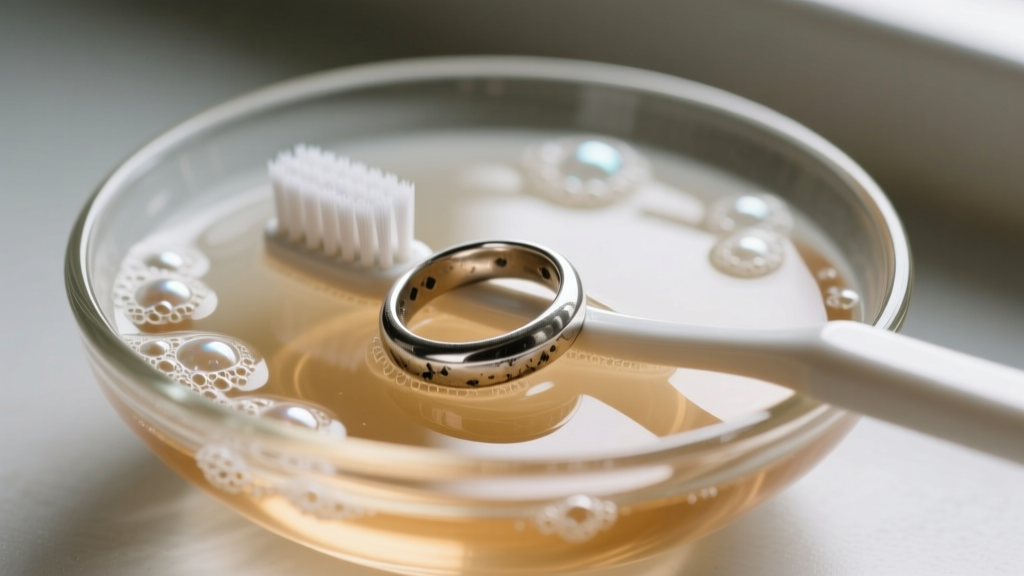
This method relies on the surfactant properties of mild dish soap to break down the lipid bonds of skin oils, lotions, and sebum that trap dirt against gemstone pavilions and metal settings.
- The Solution: Mix 3 drops of a basic, non-citrus dish soap (like original Dawn Ultra) into 2 cups of lukewarm water (85°F to 95°F). Avoid hot water, which can cause thermal shock to certain inclusions.
- The Soak: Submerge the jewelry for 15 to 20 minutes. This allows the surfactants to penetrate the microscopic gaps beneath the girdle of the gemstone.
- The Agitation: Use an extra-soft baby toothbrush (bristle diameter of 0.1mm or less). Gently brush the back of the stones and the prong settings. Never use medium or hard bristles, as they can bend delicate prongs or scratch high-polish metal bands.
- The Rinse: Rinse under a gentle stream of tepid water over a plugged sink, and pat dry with a lint-free microfiber cloth.
Method 2: The Galvanic Aluminum Foil Bath (Silver Only)
Silver tarnish is not dirt; it is silver sulfide, a chemical reaction between silver and sulfur compounds in the air. Polishing cloths remove this layer by abrasion, slowly wearing away the silver itself. The aluminum foil bath reverses the reaction via a galvanic ion exchange, costing less than $0.05 per use.
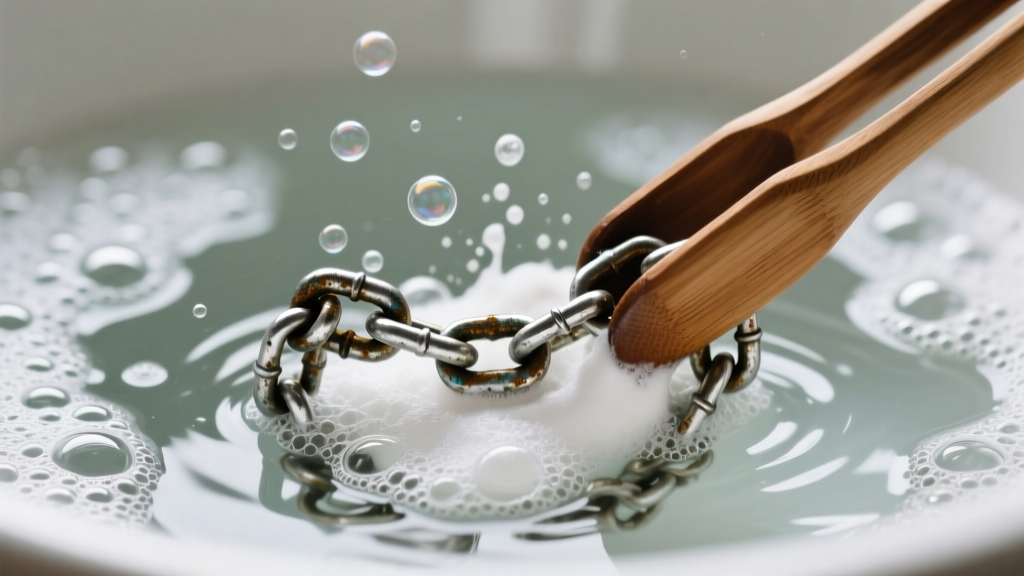
- The Setup: Line a glass bowl with heavy-duty aluminum foil, shiny side up. The aluminum must physically touch the silver for the electron transfer to occur.
- The Catalyst: Add 1 tablespoon of baking soda (sodium bicarbonate) and 1 tablespoon of non-iodized salt per cup of boiling water. Pour the boiling water into the bowl to activate the electrolyte solution.
- The Reaction: Submerge the sterling silver pieces using wooden tongs. Within 60 to 90 seconds, you will smell sulfur (rotten eggs) as the aluminum pulls the sulfur atoms away from the silver. As noted by Smithsonian Magazine, this electrochemical reduction restores the silver without removing any base metal.
- The Finish: Remove, rinse thoroughly in distilled water, and buff with a microfiber cloth.
Material Risk Matrix: What to Avoid in DIY Cleaning
Understanding how do you clean jewelry without jewelry cleaner safely means knowing when not to use liquids. Many budget-friendly DIY disasters occur when consumers treat porous or treated gemstones like durable diamonds. The Gemological Institute of America (GIA) strictly advises against soaking organic and porous gems.
| Material | Mohs Hardness | Porosity / Treatment | DIY Soap Soak Risk | Aluminum Bath Risk |
|---|---|---|---|---|
| Diamond | 10 | None | Safe (Low Risk) | Safe (but unnecessary) |
| 14k/18k Gold | 2.5 - 3 | Alloyed metals | Safe | High (Chemical discoloration) |
| Sterling Silver | 2.5 - 3 | Copper alloy (7.5%) | Low (Water spots) | Safe (Ideal method) |
| Emerald | 7.5 - 8 | Fracture-filled (Cedar oil/Opticon) | Critical (Strips oil, causes clouding) | Critical (Heat destroys fillers) |
| Pearl (Nacre) | 2.5 - 3 | Organic, highly porous | Critical (Degrades nacre, dissolves glue) | Critical (Instant ruin) |
| Turquoise | 5 - 6 | Porous, often stabilized | High (Absorbs soap, alters color) | Critical |
| Opal | 5.5 - 6.5 | Contains 3-21% water | High (Rapid drying causes crazing/cracking) | Critical (Thermal shock) |
The Hidden Costs of "Free" DIY Cleaning Mistakes
When assessing the budget value of home cleaning, you must factor in the potential cost of failure. Consider the emerald. Almost all commercial emeralds are heavily included and routinely fracture-filled with cedar oil or synthetic resins to improve clarity. If you soak an emerald ring in warm dish soap, the surfactants will emulsify and strip the oil from the fractures. The stone will suddenly appear opaque, white, and heavily fractured.
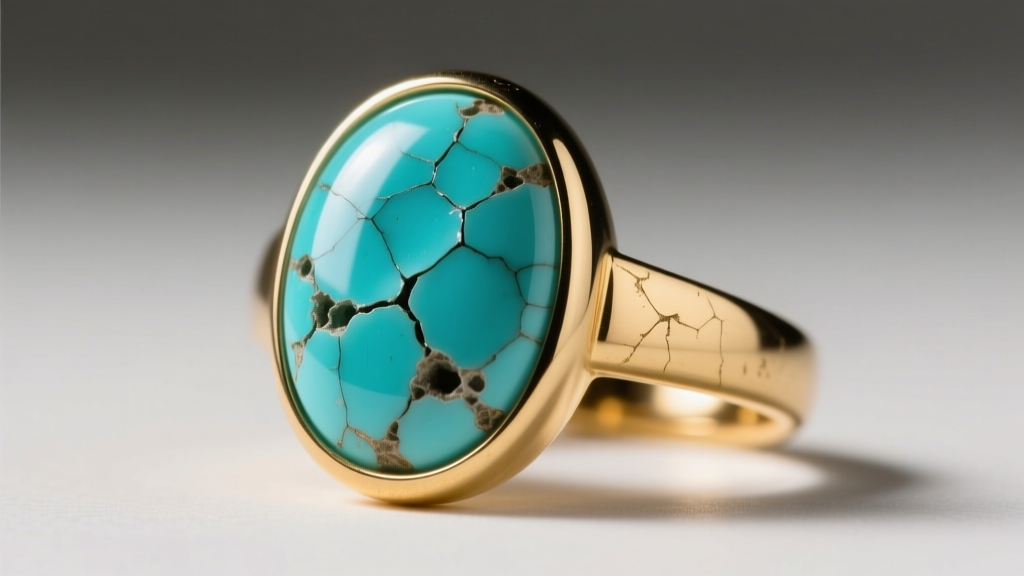
To fix this, you must send the stone to a lapidary for re-oiling, a service that typically costs between $75 and $200, plus shipping and insurance. Similarly, soaking pearls in soapy water can weaken the silk thread they are strung on and degrade the epoxy used in pearl posts, leading to lost stones. In these cases, the "free" DIY method carries a massive hidden liability. For these materials, the only safe, budget-friendly cleaning method is a gentle wipe with a slightly damp, lint-free cloth immediately after wearing, followed by dry storage.
When to Abandon DIY and Seek Professional Value
While DIY methods excel at surface oils and silver sulfide, they cannot address embedded grime in micropave settings or restore scratched metal. If your budget allows, allocating $50 to $100 annually for a professional jeweler to perform an ultrasonic cleaning, steam polish, and prong-tightening inspection provides immense long-term value. Professionals use high-frequency ultrasonic waves (typically 40 kHz) that create microscopic cavitation bubbles, blasting dirt out of settings that a 0.1mm toothbrush bristle simply cannot reach. Furthermore, a professional will check for prong wear and structural fatigue, preventing the catastrophic financial loss of a dropped diamond.
Final Verdict: Maximizing Your Jewelry Care Budget
Learning how do you clean jewelry without jewelry cleaner is a highly effective way to maintain your collection on a budget, provided you respect material science. Use the dish soap soak for your daily-wear diamond and gold pieces, and reserve the aluminum foil bath exclusively for solid sterling silver. By avoiding harsh abrasives, extreme heat, and liquid exposure for porous organics, you can keep your jewelry in pristine condition while reallocating your savings toward your next meaningful acquisition.


