Expert Buyer's Guide: How to Polish Tarnished Jewelry Safely
Discover the best tools, compounds, and cloths. Learn how to polish tarnished jewelry safely with our expert buyer's guide and comparison charts.

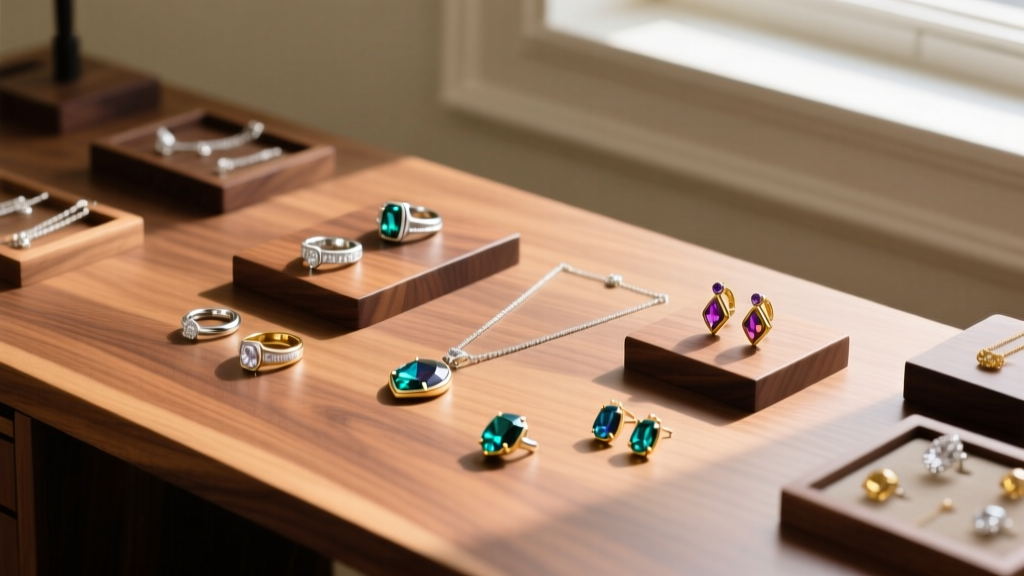
The Reality of Tarnish: Why Your Tool Choice Matters
When researching how to polish tarnished jewelry, buyers are often overwhelmed by a sea of DIY hacks, chemical dips, and expensive machinery. Tarnish is not merely dirt; it is a chemical reaction. Sterling silver reacts with hydrogen sulfide in the atmosphere to form silver sulfide (Ag2S), while copper alloys develop a layer of copper oxide. Attempting to remove these bonded layers with abrasive household items like toothpaste or baking soda often results in micro-scratches that permanently mar the metal's surface and accelerate future tarnishing by creating microscopic grooves where sulfur can easily accumulate.
As a jewelry care specialist, I always advise against harsh home remedies. Instead, building a dedicated polishing kit tailored to your specific metals and gemstones is the most cost-effective and safest approach. This buyer's guide breaks down the exact tools, cloths, compounds, and mechanical hardware you need to invest in, complete with material grades and pricing expectations for 2026.
Understanding the Chemistry: What You Are Actually Removing
Before purchasing any polishing agent, it is vital to understand the Mohs hardness of the tarnish layer versus the base metal. Silver sulfide has a Mohs hardness of roughly 2 to 2.5, while pure silver is 2.5 to 3, and sterling silver (alloyed with copper) sits around 3 to 3.5. This narrow margin means that using an abrasive with a hardness higher than 4 will inevitably scratch your sterling silver. According to The Silver Institute, maintaining the integrity of the alloy's surface requires abrasives that are hard enough to lift the sulfide layer but soft enough to yield to the underlying metal. This scientific reality is why jewelers rely on specific iron oxides and chromium oxides rather than generic household scrubbers.
Polishing Cloths: The First Line of Defense
For light tarnish and routine maintenance, impregnated polishing cloths are the industry standard. However, not all cloths are created equal. When shopping, you must differentiate between untreated microfiber and chemically treated jeweler's cloths.
Treated Jeweler's Cloths (Impregnated)
The gold standard in the industry is the Sunshine Polishing Cloth. These are dual-layered cotton cloths impregnated with microscopic jeweler's rouge (iron oxide) and specialized anti-tarnish inhibitors. The inner layer is treated to gently abrade the silver sulfide layer, while the outer layer is meant for final buffing. What to look for: Ensure the cloth is 100% cotton and explicitly states it is safe for precious metals. Expect to pay between $5 and $9 per cloth. Never wash these cloths, as laundering strips the embedded polishing agents.
Untreated Microfiber (For Pre-Cleaning)
Before applying any chemical or abrasive, you must remove surface dust and silica (which has a Mohs hardness of 7 and will severely scratch gold and silver if rubbed). What to look for: Purchase high-density microfiber cloths rated at 300 to 400 GSM (grams per square meter). Lower GSM cloths are too thin and can push debris across the metal. A pack of high-grade optical microfiber cloths typically costs $12 to $18.
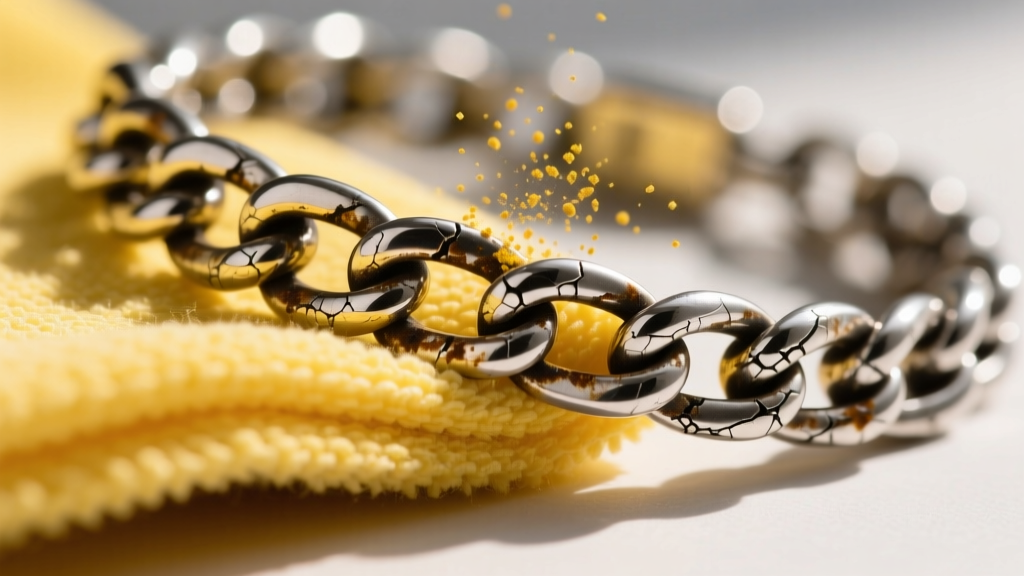
Polishing Compounds and Liquid Dips: A Buyer's Comparison
When manual cloths are insufficient for heavy oxidation or intricate filigree work, you must step up to polishing compounds or chemical solutions. Below is a professional comparison of the most common compounds used by bench jewelers, sourced from industry standards outlined by suppliers like Rio Grande Jewelry Supply.
| Compound Color | Base Abrasive | Mohs Hardness | Best Application | Price Range |
|---|---|---|---|---|
| Black (Emery) | Aluminum Oxide | 9.0 | Heavy cutting, removing deep scratches on steel/platinum. | $10 - $15 |
| Brown (Tripoli) | Silica / Rottenstone | 7.0 | Intermediate cutting and pre-polishing for gold and silver. | $8 - $12 |
| Red (Jeweler's Rouge) | Iron Oxide | 5.0 - 6.0 | Final high-gloss polishing for gold, silver, and copper. | $10 - $18 |
| Green | Chromium Oxide | 8.5 | Final polish for stainless steel, platinum, and chrome. | $12 - $20 |
| Zam (Specialty) | Proprietary Blend | ~3.0 | Safe polishing for silver set with porous stones (turquoise). | $15 - $25 |
How to Polish Tarnished Jewelry With Compounds
To use these compounds, you will need a rotary tool (like a Dremel or Foredom flex shaft) equipped with untreated muslin buffing wheels or felt bobs. Apply the compound bar to the spinning wheel to load it, then gently press the tarnished jewelry against the wheel. Always work from the harshest compound necessary down to the finest (e.g., Brown Tripoli for pre-polish, followed by Red Rouge for the mirror finish). Clean the piece in an ultrasonic cleaner or with warm dish soap between compound changes to avoid cross-contamination.
The Truth About Chemical Liquid Dips
Chemical dips (like Tarn-X) utilize thiourea and strong acids to instantly strip silver sulfide. While they offer immediate visual results, they are highly corrosive. They strip the copper alloy from sterling silver, leaving a microscopic porous surface that tarnishes much faster in the future. Furthermore, these dips can permanently etch porous gemstones and damage oxidized patinas (like the intentional blackening on Tiffany-style silver). Buy chemical dips only for solid silver chains without gemstones, and use them sparingly.
Mechanical Hardware: Investing in Tumblers
If you are processing large batches of jewelry, chains, or raw castings, hand-polishing is inefficient. This is where mechanical tumblers become an essential investment.
Rotary Tumblers with Stainless Steel Shot
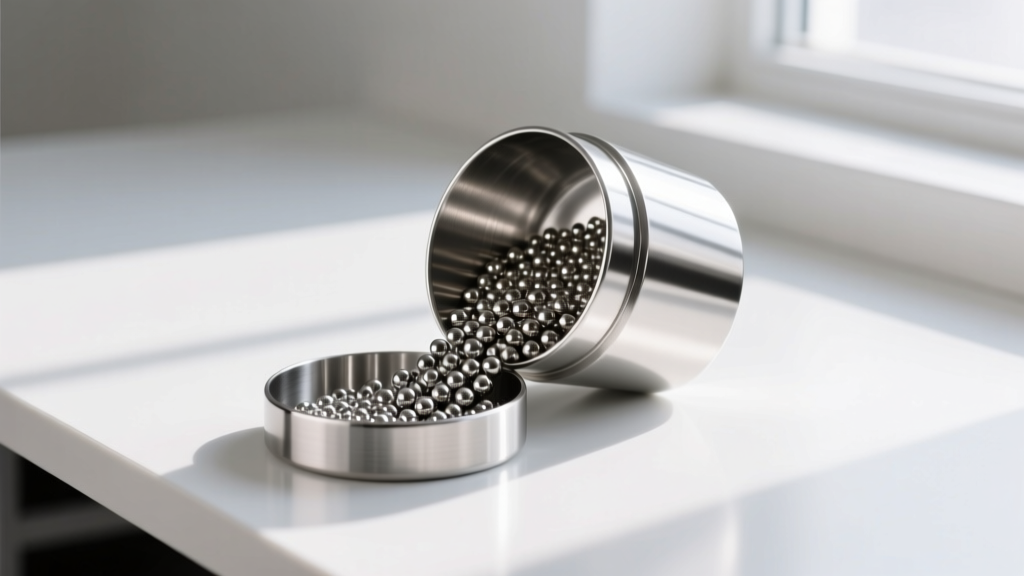
A rotary tumbler uses a motorized barrel to rotate your jewelry in a liquid bath. For polishing and burnishing tarnished silver and gold, you must purchase stainless steel shot media. A mixed cut (including pins, ball bearings, and diagonal cuts) is crucial because the pins reach into the microscopic crevices of chain links and filigree settings that cloths cannot touch. Pair the shot with an alkaline burnishing compound (a specialized jewelry soap) to lift the tarnish and leave a bright, satin-to-mirror finish. A reliable rotary tumbler (such as those from Lortone or Chicago Electric) costs between $120 and $250, while a pound of mixed stainless steel shot runs about $25 to $35.
Vibratory Tumblers with Dry Media
Vibratory tumblers shake the jewelry rather than rolling it. These are best used with dry media, such as crushed walnut shells or corncob media, impregnated with a liquid polishing compound (like Nu-Finish car polish or specialized jewelry rouge). Vibratory tumblers are excellent for achieving a high polish on flat surfaces and large pendants without rounding off sharp edges, but they are less effective at cleaning deep crevices compared to rotary tumblers with steel shot.
Gemstone-Specific Polishing Tools to Avoid
One of the most critical aspects of buying polishing tools is knowing what not to use on gemstones. The Gemological Institute of America (GIA) emphasizes that gemstone durability is dictated by both hardness and toughness. Porous stones like turquoise, opal, lapis lazuli, malachite, and pearls will absorb chemical dips and liquid polishes, leading to irreversible discoloration and structural degradation.
- Avoid Ultrasonic Cleaners for Porous Stones: The high-frequency cavitation can fracture opals and emeralds (which are often oil-treated).
- Avoid Standard Red Rouge on Soft Stones: The iron oxide can stain the porous surface of turquoise or coral.
- Buy Specialty Pastes: If you must polish silver set with turquoise, invest in a specialized low-abrasive paste like Zam, and apply it strictly to the metal using a small, targeted felt bob, avoiding the stone entirely.
Final Verdict: Building Your 2026 Polishing Kit
Knowing how to polish tarnished jewelry safely requires the right arsenal. For the everyday collector or small-scale reseller, a starter kit should include a pack of 300 GSM microfiber cloths for dusting, a multi-pack of Sunshine impregnated cloths for light tarnish, and a small bar of Red Jeweler's Rouge paired with a basic variable-speed rotary tool. This setup will cost under $75 and handle 90% of standard tarnish removal tasks without risking your precious metals.
For professional jewelers or high-volume vintage resellers, investing in a $200 rotary tumbler with mixed stainless steel shot and a quality alkaline burnishing soap will drastically reduce labor hours while delivering a uniform, professional-grade luster on intricate chains and textured castings. By understanding the chemistry of tarnish and the specific abrasive properties of your tools, you can restore your jewelry to its original brilliance while preserving its structural integrity for decades to come.


