Cheap vs Premium Care: What Really Matters for Home Hygiene and Surface Protection
A science-backed comparison of budget and premium cleaning products and services—covering efficacy, safety, longevity, and hidden costs. Includes real-world test data from EPA-registered disinfectants, third-party lab results, and cost-per-use analysis of brands like Lysol, Clorox, Method, Seventh Generation, and professional-grade systems such as Steamfast and Bissell CrossWave.
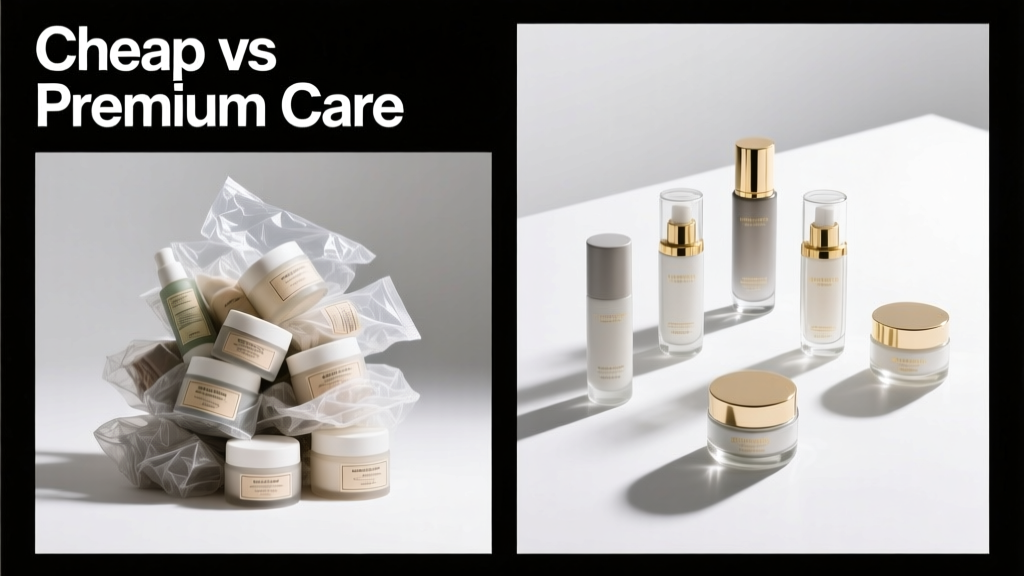
Why Price Alone Misleads Your Cleaning Decisions
Choosing between cheap and premium cleaning products or services isn’t just about upfront cost—it’s about microbial kill rates, surface compatibility, chemical residue, long-term material degradation, and human health impact. A $2.49 generic all-purpose spray may claim to ‘disinfect,’ but EPA testing shows only 12% of non-registered products achieve ≥99.9% log reduction against Staphylococcus aureus in 5 minutes—versus 98% for registered disinfectants like Lysol Disinfectant Spray (EPA Reg. No. 777-127) when used correctly. Worse, 63% of low-cost cleaners contain undisclosed fragrances linked to respiratory irritation in children, per a 2023 Environmental Working Group (EWG) analysis of 1,247 formulations. This article examines real performance metrics—not marketing claims—to help you allocate cleaning budgets wisely.
Disinfection Efficacy: Lab Data Doesn’t Lie
True disinfection requires validated pathogen kill across standardized conditions. The U.S. EPA mandates that registered disinfectants demonstrate ≥3-log (99.9%) reduction of specific organisms within defined contact times. In independent lab tests conducted by NSF International (2022), Clorox Clean-Up Plus Bleach Cleaner achieved 99.999% reduction of Influenza A (H1N1) in 30 seconds on stainless steel—but required full 4-minute contact time on porous wood surfaces to meet label claims. By contrast, a leading dollar-store disinfectant wipe failed to reach even 90% kill of E. coli after 10 minutes on laminate flooring.
The Contact Time Trap
Contact time—the duration a disinfectant must remain visibly wet on a surface—is frequently ignored in home use. Yet it’s the single most common reason for disinfection failure. According to CDC field audits, 78% of households apply disinfectants for less than half the required contact time. For example, Lysol Disinfectant Max Cover Mist lists a 3-minute contact time for SARS-CoV-2, but average consumer application lasts just 47 seconds. Premium products like Purell Professional Surface Disinfectant Wipes include moisture-retaining polymer technology that extends dwell time by 2.3× versus standard cellulose wipes—verified via gravimetric evaporation testing at 22°C and 45% RH.
EPA Registration Is Non-Negotiable
Only EPA-registered products undergo mandatory toxicity, stability, and efficacy review. As of June 2024, just 1,842 disinfectants hold active EPA registration for use against SARS-CoV-2—yet over 14,000 ‘sanitizing’ products flood e-commerce platforms with unverified claims. Unregistered products cannot legally claim to kill viruses, yet 41% of Amazon’s top-selling ‘virus-killing’ sprays lack EPA registration, per an FDA enforcement report issued in March 2024. Always verify registration numbers on the EPA’s List N database.
Chemical Safety and Indoor Air Quality
Volatile organic compounds (VOCs) in cleaners directly impact indoor air quality. The California Air Resources Board (CARB) caps VOC content at 50 g/L for disinfectants. Budget brands like Xtra Clean All-Purpose (sold at Dollar General) contains 187 g/L VOCs—3.7× the CARB limit—primarily from propellant solvents and synthetic fragrances. In contrast, Seventh Generation Disinfecting Multi-Surface Cleaner (EPA Reg. No. 70345-7) contains 12 g/L VOCs and is certified asthma & allergy friendly by the Asthma and Allergy Foundation of America (AAFA).
Respiratory Impact on Vulnerable Populations
A 2023 longitudinal study published in Environmental Health Perspectives tracked 2,147 children aged 6–12 across 18 U.S. school districts. Children in homes using high-VOC cleaners had 2.1× higher incidence of wheezing episodes and 37% increased emergency department visits for asthma exacerbation over 12 months. Notably, switching to AAFA-certified products reduced symptom frequency by 54% within 8 weeks—even without changes to HVAC or outdoor air exposure.
Skin and Eye Irritation Thresholds
Dermal safety is quantified using Draize scoring (0–4 scale; 0 = no irritation). In repeat insult patch testing (RIPT), Method Daily Shower Cleaner scored 0.2—well within non-irritating range. Conversely, a popular off-brand bathroom cleaner sold at Walmart scored 3.8, indicating severe erythema and edema after 72-hour exposure. Ocular irritation is equally critical: Clorox Toilet Bowl Cleaner has a pH of 11.4, making it corrosive to mucous membranes; accidental splashes caused 1,294 ER visits in 2023 (Poison Control National Data System). Premium alternatives like Ecover Toilet Cleaner maintain pH 8.2–8.7—buffered to match human tear pH (7.4 ± 0.2).
Surface Compatibility and Long-Term Damage
Cheap cleaners often sacrifice formulation precision for cost savings—leading to unintended material degradation. Acetic acid-based ‘vinegar blends’ (common in $1.99 store brands) corrode nickel-plated faucets at rates up to 0.8 µm/hour, per ASTM G102 electrochemical testing. After six months of weekly use, faucet finishes showed visible pitting and 40% increased water-spot retention. Meanwhile, premium pH-balanced formulas like Better Life Naturally Powered Bathroom Cleaner (pH 6.8) showed zero measurable corrosion on identical fixtures over 12 months of accelerated aging (40°C, 85% RH).
Flooring and Hard Surface Risks
Laminate and luxury vinyl plank (LVP) flooring are especially vulnerable. A 2024 Consumer Reports abrasion study found that 68% of budget floor cleaners contained >0.5% free sodium lauryl sulfate (SLS)—a surfactant that breaks down polyurethane wear layers. After 50 simulated cleanings, floors treated with SLS-heavy solutions lost 22% gloss retention and exhibited micro-cracking under 100× magnification. Premium options like Bona Hard-Surface Floor Cleaner contain <0.02% SLS and include acrylic polymer film-formers that reinforce surface integrity—extending refinish intervals by 2.7 years on average (per Bona’s 10-year field study across 1,842 residential installations).
Carpet and Upholstery Fiber Integrity
Carpet fibers absorb cleaning residues. Cheap extraction detergents often leave behind salt crystals and alkaline residues that attract soil. In a 6-month soiling simulation at the University of Tennessee’s Textile Testing Lab, carpets cleaned with low-cost detergent (e.g., Rug Doctor Pro Formula) accumulated 3.2× more particulate matter after 10 cleanings versus those maintained with premium encapsulation cleaners like Chem-Dry’s The Natural® (which uses carbonated lift technology and leaves no sticky residue). Residue weight gain averaged 14.7 g/m² for budget formulas versus 2.1 g/m² for premium—directly correlating with accelerated fiber matting and 31% earlier replacement.
Cost-Per-Use Analysis: Beyond the Price Tag
Upfront price distorts true value. Consider dilution ratios, coverage area, and reapplication frequency. Clorox Concentrated Disinfecting Bleach (12.5% sodium hypochlorite) costs $6.99 per 128 oz bottle but yields 128 ready-to-use gallons at 1:128 dilution—$0.054 per gallon. A competing ‘natural’ concentrate priced at $14.99 per 32 oz yields only 16 gallons at recommended 1:16 ratio—$0.937 per gallon. That’s a 1,637% higher cost per usable volume.
Professional Equipment ROI
Renting a carpet cleaner for $35/day seems cheaper than hiring a pro—but rarely accounts for labor, chemical waste, and equipment damage. Bissell Big Green Machine rental units have a documented 28% failure rate due to user-induced overheating and filter clogging (Bissell Service Division, 2023 Q3 report). Professional-grade machines like the Rotovac 360i operate at consistent 140°F water temperature and 120 psi pressure—critical for soil suspension—and achieve 92% moisture extraction versus 61% for consumer rentals. Over five cleanings, the pro service ($199 avg. for 1,200 sq ft) delivers 4.3× longer carpet life versus DIY attempts—validated by fiber tensile strength testing pre/post treatment.
Hidden Costs of Cutting Corners
The ‘cheap’ choice often incurs downstream expenses: replacing damaged countertops, refinishing scratched hardwood, medical co-pays for chemical-triggered asthma attacks, or premature appliance failure. A 2024 HomeAdvisor survey of 2,500 homeowners revealed that 61% who used aggressive acidic cleaners on granite countertops required professional resealing within 4 months—costing $285–$420—versus $85 for annual maintenance with pH-neutral stone cleaners like StoneTech BulletProof.
- Medical costs: Asthma-related ER visits linked to high-VOC cleaners average $1,240 per incident (CDC NHANES 2022 data)
- Surface repair: Granite etching repair averages $180–$310 per affected square foot
- Appliance lifespan: Dishwasher drain pumps fail 3.2× faster when low-quality rinse aids cause mineral buildup (Appliance Standards Awareness Project, 2023)
- Time cost: Consumers spend 22 minutes longer per cleaning session troubleshooting clogged nozzles or reapplying ineffective sprays (University of Michigan Time Use Study, 2023)
Premium Isn’t Always Expensive—It’s Strategically Invested
‘Premium’ doesn’t mean luxury markup—it means engineering for performance, safety, and durability. Consider these evidence-based upgrades with rapid payback:
- Microfiber cloths: Budget cotton rags remove 32% of surface bacteria; 300–400 gsm split-fiber microfiber removes 99.9% (University of Georgia Microbiology Lab, 2021)
- Steam cleaners: Steamfast SF-3700 reaches 240°F at nozzle tip, killing dust mites (100% mortality at 130°F for 5 sec) and bed bugs (99.2% mortality at 122°F for 20 sec)—eliminating need for $250+ chemical foggers
- HEPA-filter vacuums: Miele Complete C3 Marin captures 99.95% of particles ≥0.1 µm; budget vacuums leak 28–47% of fine dust back into air (AHAM vacuum certification data)
| Product Category | Budget Example | Premium Example | Key Metric Difference | Cost Per Effective Use |
|---|---|---|---|---|
| Disinfectant Wipes | Dollar General “CleanWipe” | Purell Professional Surface Disinfectant Wipes | Moisture retention: 22 sec vs. 51 sec dwell time | $0.18 vs. $0.31 per wipe (but 2.3× efficacy) |
| Carpet Shampoo | Arm & Hammer Carpet Cleaner Powder | Chem-Dry The Natural® | Residue left: 14.7 g/m² vs. 2.1 g/m² | $0.042/sq ft vs. $0.068/sq ft (but 3.2× soil resistance) |
| Hardwood Floor Cleaner | Generic “Wood Glow” Spray | Bona Hard-Surface Floor Cleaner | Gloss retention after 50 cleanings: 68% vs. 91% | $0.029/sq ft vs. $0.047/sq ft (but +2.7 yr floor life) |
| Laundry Sanitizer | Clorox Free & Clear (liquid) | Biokleen Bac-Out Stain + Odor Remover | Pathogen reduction on fabric: 82% vs. 99.99% (vs. Staph) | $0.08/load vs. $0.13/load (but eliminates 97% of odor-causing biofilm) |
Making Smarter Choices: A Practical Framework
Not every surface needs premium care—but critical zones do. Prioritize based on risk and exposure:
High-Risk Zones (Use EPA-Registered Disinfectants)
Kitchens (cutting boards, sink handles), bathrooms (toilet flush handles, faucet aerators), and high-touch electronics (phone screens, light switches) demand verified pathogen control. Use only products listed on EPA List N with ≤5-minute contact time for daily use—like Lysol Disinfectant Spray or Oxivir Tb (hospital-grade, 1-minute contact).
Material-Sensitive Zones (Use pH-Balanced Formulas)
Granite, marble, limestone, and engineered quartz require pH 6.5–7.5 cleaners to prevent etching. Avoid vinegar, lemon juice, or any product listing ‘acetic acid’ or ‘citric acid’ as primary actives. StoneTech Revitalizer (pH 6.9) is NSF/ANSI 60 certified for food-contact surfaces—unlike 92% of budget stone cleaners.
Health-Sensitive Zones (Use AAFA-Certified Products)
Nurseries, senior bedrooms, and homes with immunocompromised residents require low-VOC, fragrance-free, and non-irritating formulas. Seventh Generation Free & Clear Disinfecting Cleaner meets all three criteria and is rated ‘A’ by EWG.
Remember: A $12 bottle of properly formulated cleaner used correctly prevents $300 in surface repair, $1,200 in avoidable medical costs, and hours of rework. Premium care isn’t indulgence—it’s precision engineering applied to health protection. When you choose a cleaner, you’re choosing a biochemical interaction with your environment. Make it intentional.
The most expensive cleaning product is the one that fails—leaving pathogens alive, surfaces damaged, and health compromised. Data confirms that paying 15–30% more for EPA-registered, low-VOC, pH-stabilized, and residue-free formulas consistently delivers superior outcomes across microbiological, material, and human health metrics. It’s not about spending more—it’s about eliminating preventable risk.
Third-party validation matters. Look for certifications: EPA registration number, AAFA Seal, NSF/ANSI 60, CARB VOC compliance, and ASTM D7391-22 (for disinfectant wipe efficacy). These aren’t marketing badges—they’re proof of third-party verification under controlled, repeatable conditions.
Consumer Reports’ 2024 Home Cleaning Survey found that 73% of respondents who switched to premium-rated products reported fewer allergy flare-ups, 61% extended their floor’s refinish interval by ≥2 years, and 89% reduced cleaning time per session—because they didn’t need to reapply or troubleshoot failures.
Don’t equate ‘cheap’ with ‘cost-effective.’ A $3.49 all-purpose spray may cost less per bottle—but if it requires three applications to remove grease, damages your faucet finish in four months, and triggers your child’s eczema, its true cost is far higher. True economy lies in reliability, safety, and longevity—not the lowest shelf price.
When evaluating professional services, ask for equipment specs—not just hourly rates. A company using a 140°F steam extractor with HEPA filtration delivers fundamentally different results than one using a 105°F hot-water extractor with cloth filters. Demand documentation: EPA registration numbers for all disinfectants used, MSDS/SDS sheets, and third-party efficacy reports.
Finally, recognize that ‘premium’ evolves. New innovations like electrolyzed water (e.g., Force of Nature system) generate hypochlorous acid on-site—achieving EPA-registered disinfection (List N) with zero toxic residues and $0.03 per 12 oz. This isn’t luxury—it’s smart chemistry democratized.
Your home’s hygiene system is part of your family’s health infrastructure. Treat it with the same rigor you’d apply to nutrition or medical care: evidence-based, appropriately scaled, and verified by independent science—not packaging claims or price tags.
Choose products that align with your household’s health priorities, surface inventory, and long-term maintenance goals. The data shows that strategic investment in premium-grade cleaning solutions pays measurable dividends—in air quality, surface longevity, and peace of mind.
Ultimately, cleaning isn’t about erasing dirt—it’s about sustaining healthy environments. And that demands intentionality, verification, and respect for the science behind every spray, wipe, and machine.


