How to Clean Cheap Jewelry Safely: A Budget Guide
Learn how to clean cheap jewelry safely without stripping plating. Discover budget-friendly DIY methods and when to replace versus restore.

The True Cost of Fashion Jewelry Maintenance
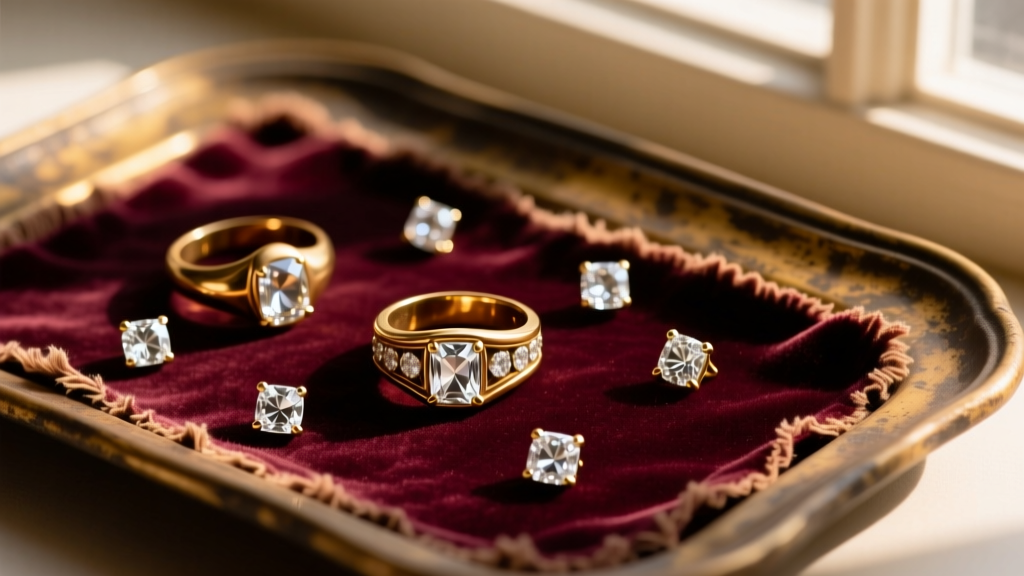
The explosion of ultra-fast-fashion accessories has made trendy jewelry more accessible than ever. However, as any seasoned collector knows, the initial low price tag often hides a hidden maintenance cost. When figuring out how to clean cheap jewelry, the biggest risk isn't just failing to remove tarnish—it's accidentally destroying the piece entirely. Unlike solid 14k gold or platinum, fashion jewelry relies on microscopic layers of precious metals over reactive base cores. In 2026, with the market saturated with micro-plated brass and zinc alloys, understanding the structural limitations of your accessories is the first step in budget-friendly jewelry care.
The core dilemma of budget jewelry maintenance is a simple value assessment: does the cost of the cleaning supplies, time, and risk of ruin outweigh the replacement cost of the item? To make that determination, we must first look at the metallurgy of affordable accessories and establish a safe, non-destructive cleaning protocol that extends the life of your favorite pieces without stripping their delicate finishes.
Material Breakdown: What Are You Actually Cleaning?
Before applying any liquid or cloth to your jewelry, you must identify the base metal and the plating thickness. According to the Jewelers of America, understanding the difference between flash plating and micron plating is critical for preventing irreversible damage.
- Flash Plating: Usually less than 0.175 microns thick. This is essentially a microscopic wash of color. Aggressive rubbing will wipe it right off.
- Micron Plating: Ranges from 0.5 to 2.5 microns. Found in slightly higher-end "demi-fine" fashion jewelry. More durable, but still vulnerable to harsh chemicals.
- Base Metals: Typically brass, copper, or zinc alloys (often deceptively marketed as "Tibetan silver" or "alpaca"). When exposed to air and skin acids, these metals oxidize rapidly.
| Base Material | Common Plating | Primary Vulnerability | Budget Cleaning Strategy |
|---|---|---|---|
| Zinc Alloy / Pewter | Flash Silver / Rhodium | Chalky white/green oxidation; pitting | Dry microfiber buffing only |
| Brass | Flash Gold (14k/18k tone) | Verdigris (green crust); plating wear | Mild soap soak; no abrasives |
| Copper / Nickel | Rose Gold / Silver | Dark, stubborn sulfide tarnish | Chemical-free polishing cloth |
| Stainless Steel | PVD Gold / Black Titanium | Highly durable; smudges and oils | Dish soap and warm water soak |
Step-by-Step: How to Clean Cheap Jewelry Safely
When dealing with low-cost materials, the golden rule is "less is more." You want to lift surface oils, dead skin cells, and environmental dust without agitating the molecular bond of the plating. Here are the two safest, most cost-effective methods for restoring your fashion jewelry.
The Gentle Dish Soap Soak (For CZ, Glass, and Sturdy Plating)
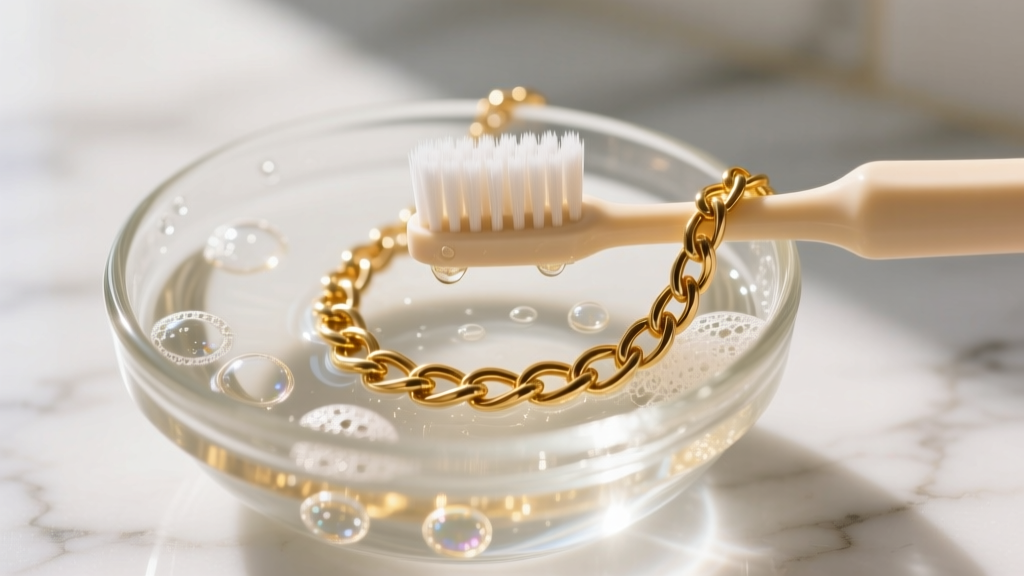
This method is ideal for cubic zirconia (CZ) studs, glass rhinestones, and stainless steel pieces. The Gemological Institute of America (GIA) notes that while CZ is relatively hard (8-8.5 on the Mohs scale), the adhesives and settings holding them in cheap jewelry are notoriously weak.
- Mix the Solution: In a small glass bowl, combine 1 cup of lukewarm (never hot) water with 3 drops of a mild, lotion-free dish soap (like original blue Dawn).
- Soak Briefly: Submerge the jewelry for exactly 3 to 5 minutes. Do not exceed this, as prolonged water exposure can seep into the settings and rust the base metal prongs.
- Agitate Gently: Use an extra-soft baby toothbrush to lightly sweep away debris from behind the stones. Never scrub the face of the plating.
- Rinse and Dry: Rinse under a gentle stream of distilled water (tap water contains minerals that leave spots). Immediately pat dry with a lint-free microfiber cloth, then use a hair dryer on the "cool" setting to blow moisture out of the crevices.
The Dry Brush Method (For Foil-Backed Rhinestones)
Vintage costume jewelry and cheap modern rhinestone pieces often feature "foil-backing"—a delicate metallic film glued behind the glass to create sparkle. If water touches this foil, it will instantly turn black and ruin the stone. For these pieces, use a clean, dry, soft-bristled makeup brush (like a fluffy eyeshadow brush) to gently sweep away dust and skin oils. Follow up by wiping the metal settings with a barely damp microfiber cloth, carefully avoiding the stones.
What to Avoid: The Plating Killers
The internet is full of DIY jewelry cleaning hacks that are actively destructive to cheap, plated jewelry. If you are trying to preserve the value and appearance of your fashion pieces, avoid these common mistakes at all costs:
- Baking Soda and Aluminum Foil: While this electrochemical reaction works wonders on solid sterling silver, baking soda has a Mohs hardness of 2.5. It acts like sandpaper on flash plating, leaving microscopic scratches that accelerate future tarnishing and strip the gold/silver finish entirely.
- Toothpaste: Toothpaste contains hydrated silica, an aggressive abrasive designed to scrub enamel. It will wipe away micron plating in seconds.
- Ultrasonic Cleaners: The high-frequency cavitation bubbles generated by ultrasonic machines will shatter cheap glass rhinestones and liquefy the cheap epoxy adhesives used in fast-fashion jewelry, causing stones to fall out.
- Rubbing Alcohol & Hand Sanitizer: Alcohol degrades the adhesives behind foiled stones and can cause certain low-quality alloy mixtures to become brittle and snap.
Value Assessment: When to Clean vs. When to Toss
From a strict budget and value perspective, not all jewelry is worth saving. Before spending time restoring a tarnished piece, run it through this quick assessment matrix:
The Replacement Rule: If a mass-produced fashion ring costs less than $12 to replace, and the plating has physically flaked off to reveal green or gray base metal, no amount of cleaning will restore it. Re-plating a single item costs between $45 and $150, completely destroying the item's budget value proposition. At this stage, recycle the metal and replace the piece.
However, there are exceptions where cleaning is highly valuable:
- Sentimental Value: Gifts or inherited costume jewelry (like mid-century Trifari or Miriam Haskell) hold emotional or collector value that far exceeds their material worth. These require professional conservation, not DIY scrubbing.
- High Demi-Fine Pieces: Items featuring heavy vermeil (2.5+ microns of gold over sterling silver) or PVD-coated stainless steel are worth maintaining, as their replacement costs often exceed $80-$150.
Long-Term Storage to Prevent Tarnish
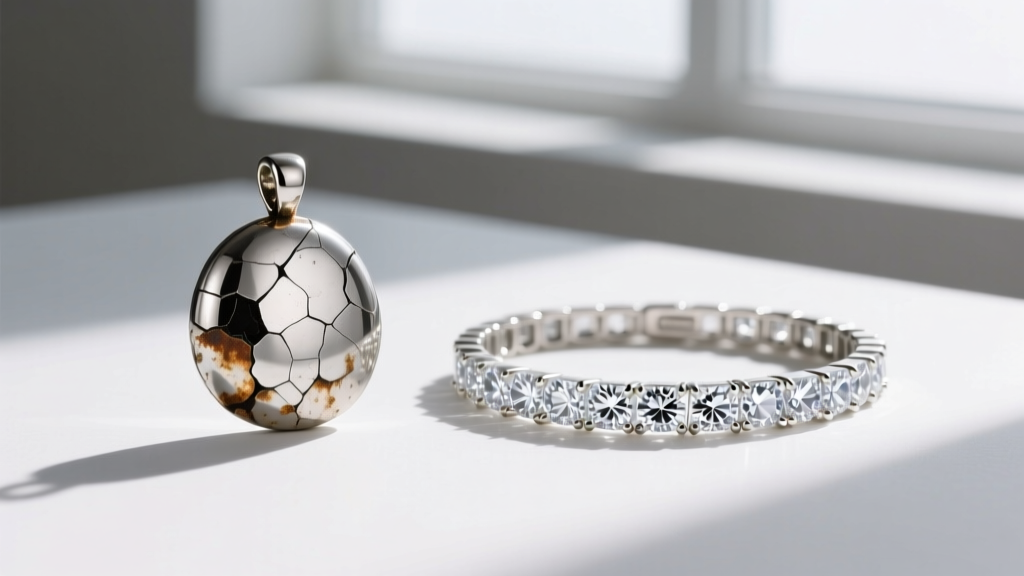
The most cost-effective way to clean cheap jewelry is to prevent it from getting dirty or tarnished in the first place. Base metals oxidize when exposed to oxygen, humidity, and sulfur in the air. Implementing a zero-cost or low-cost storage strategy will save you hours of frustrating cleaning.
- The Ziploc Method: Store individual pieces in small, airtight polyethylene ziplock bags. Squeeze out as much air as possible before sealing.
- Anti-Tarnish Strips: Toss a 3M anti-tarnish strip into your jewelry box or storage bags. These strips absorb airborne sulfides and cost less than $10 for a pack that lasts years.
- The Chalk Hack: If you are on a strict budget and lack anti-tarnish strips, place a piece of standard blackboard chalk in your jewelry drawer. The chalk acts as a desiccant, absorbing ambient moisture that accelerates the oxidation of brass and copper alloys.
- Wear It Last: Always put your fashion jewelry on after applying perfume, lotion, and hairspray. The chemicals in cosmetics break down flash plating and cause cubic zirconia to become cloudy and dull.
By understanding the metallurgy of your accessories and adopting a gentle, conservative approach to maintenance, you can dramatically extend the lifespan of your fashion jewelry collection, ensuring your budget-friendly pieces continue to shine without the need for constant, costly replacements.


