Steamer Jewelry Cleaner Buying Guide: What to Look For in 2026
Discover what to look for in a steamer jewelry cleaner. Compare PSI ratings, gemstone safety matrices, and pro vs. consumer models for 2026.

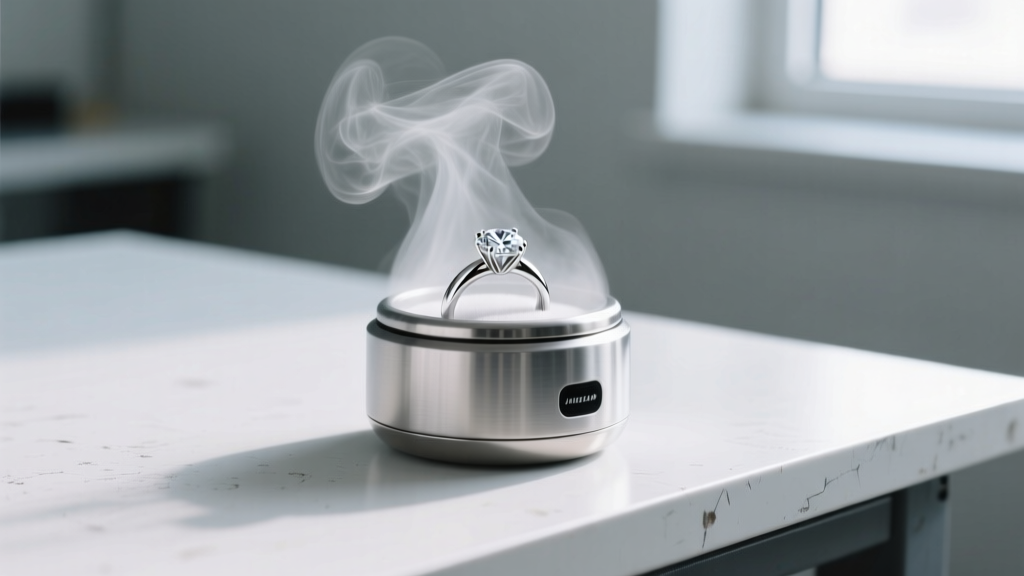
Why Choose a Steamer Jewelry Cleaner Over Ultrasonic?
When building a comprehensive jewelry care kit, enthusiasts and professionals alike eventually face a critical decision: ultrasonic vs. steam. While ultrasonic cleaners rely on cavitation—the rapid formation and implosion of microscopic vacuum bubbles in a liquid solution—this aggressive process can be catastrophic for certain gemstones. Cavitation can easily fracture heavily included diamonds, shatter opals, and loosen micro-pave settings if the prongs are already worn. A steamer jewelry cleaner, by contrast, utilizes a combination of thermal energy (heating water to 212°F or higher under pressure) and kinetic force to blast away sebum, dried lotions, and polishing compounds from hard-to-reach galleries and under-bezel settings.
According to the Gemological Institute of America (GIA), thermal and mechanical cleaning methods must be carefully matched to gemstone durability. Steamers excel at cleaning hard, non-porous stones and precious metals without submerging the piece in chemical solutions, making them an indispensable tool for rapid, high-impact cleaning in 2026.
Critical Specs to Evaluate Before Buying
Not all steamers are created equal. The market is flooded with cheap, low-pressure plastic models that barely produce a whisper of vapor, alongside heavy-duty commercial units capable of bending soft metal prongs. Here are the exact specifications you need to scrutinize:
1. Pressure Rating (PSI)
- Consumer Models (15–30 PSI): Safe for everyday maintenance and delicate items. The lower pressure won't dislodge stones, but it may struggle to remove hardened polishing wax from deep crevices.
- Prosumer/Commercial Models (50–65 PSI): The industry standard for professional jewelers. This pressure easily blasts away debris from under low-profile settings. However, caution is required: 65 PSI directed at a worn 14k gold prong (under 0.3mm thickness) can bend the metal and blow out the stone.
2. Tank Capacity and Heating Element Wattage
Tank size dictates your continuous working time. A 1 oz tank requires constant refilling, while a 32 oz reservoir allows for hours of continuous use. More importantly, look at the wattage. A 500W heating element in a budget model may take 20 minutes to reach optimal steam pressure, whereas a 1500W element in a professional unit achieves peak pressure in under 10 minutes.
3. Nozzle Design and Safety Locks
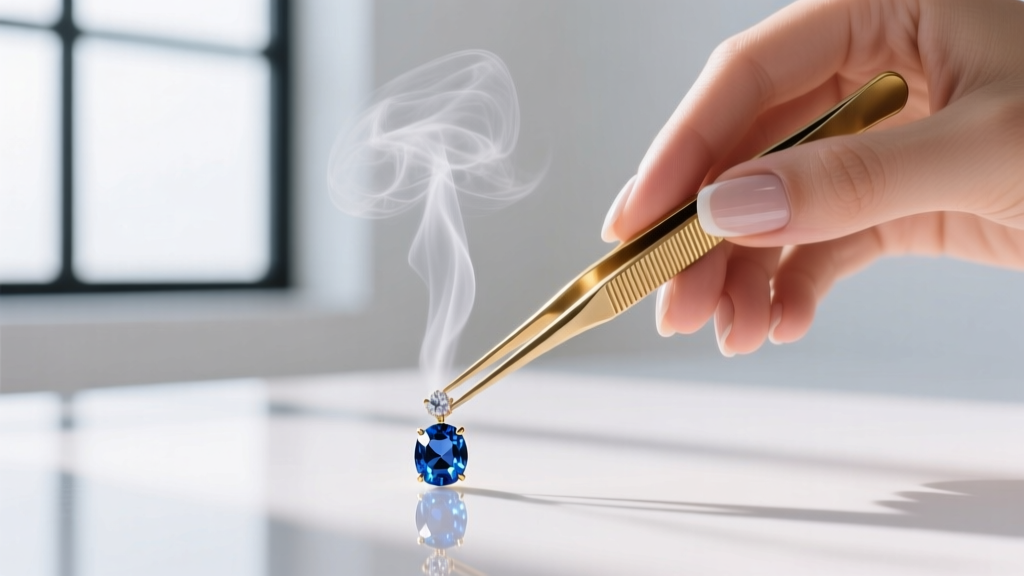
The best steamers feature a specialized brass or stainless steel directional nozzle that concentrates the vapor into a tight, high-velocity beam. Additionally, look for models with a locking mechanism on the steam trigger. Holding down a manual trigger for extended cleaning sessions causes severe hand fatigue; a lock-on switch is a hallmark of a well-designed professional unit.
Gemstone & Metal Compatibility Matrix
Using a steamer jewelry cleaner on the wrong material will result in irreversible damage. The thermal shock of 212°F steam hitting a room-temperature gemstone can cause internal fracturing, while the heat can melt or strip clarity enhancements. Always reference this matrix before steaming:
| Material | Steam Safety | Failure Mode / Risk |
|---|---|---|
| Diamonds (Unfractured) | Excellent | None. Ideal for removing grease from the pavilion. |
| Sapphires & Rubies | Good | Thermal shock if heavily included or fracture-filled. |
| Emeralds | NEVER | Heat melts cedar oil/Opticon clarity treatments, leaving the stone opaque and heavily fractured. |
| Opals & Pearls | NEVER | Extreme thermal shock causes instant crazing, cracking, and dehydration. |
| Tanzanite & Topaz | Risky | Susceptible to thermal shock; avoid sudden temperature changes. |
| Platinum & 18k/14k Gold | Excellent | None. Steam restores high-polish luster without scratching. |
| Sterling Silver | Fair | Steam removes dirt but does not remove silver sulfide (tarnish); requires prior chemical or electrolytic treatment. |
For a deeper understanding of gemstone-specific vulnerabilities, the American Gem Society (AGS) strongly advises against exposing porous or treated organic gems to any high-heat cleaning environment.
Top Features That Separate Pro Models from Consumer Toys
If you are investing over $150 in a steamer jewelry cleaner, you should expect features that enhance both safety and longevity:
- Continuous vs. Pulsed Steam: High-end units offer a toggle between a continuous blast for large areas (like the back of a tennis bracelet) and a pulsed trigger for precision work around delicate pave.
- Water Filtration Baskets: Some advanced 2026 models include a secondary mesh filter inside the water reservoir to prevent microscopic mineral deposits from clogging the ultra-fine brass nozzle aperture.
- Insulated Tweezers and Baskets: Professional kits include heavy-duty, heat-resistant fiberglass tweezers. Standard metal tweezers conduct heat rapidly, which can burn your fingers or accidentally scratch a polished gold surface during the steaming process.
Pricing Tiers & What You Actually Get
Budget / Consumer Tier ($40 – $80)
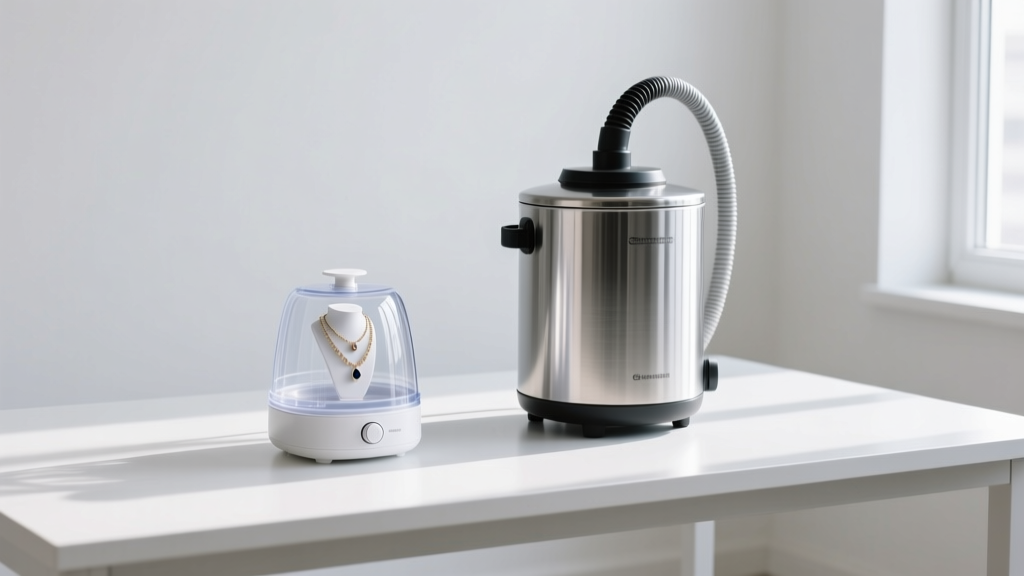
Brands like Blitz and basic Steam-FX models dominate this space. They typically feature plastic housings, 15–20 PSI output, and small 1 oz to 4 oz tanks. These are adequate for occasional home use on simple diamond solitaires and plain gold bands, but they lack the kinetic force to clean intricate vintage settings effectively.
Prosumer Tier ($150 – $300)
This is the sweet spot for serious collectors and home enthusiasts. Brands like Gemoro offer stainless steel housings, 50 PSI output, and larger tanks. You get professional-level cleaning power without the commercial footprint or the need for specialized electrical setups.
Commercial Tier ($500+)
Units from suppliers like Rio Grande or Stuller are built for 8-hour daily use in retail jewelry stores. They feature massive 32 oz+ tanks, rapid-recovery 1500W heating elements, and replaceable brass nozzle tips. Unless you are running a business, this tier is overkill.
Maintenance & Descaling for Longevity
The most common failure mode for any steamer jewelry cleaner is nozzle calcification. Even if you use distilled water, trace minerals can accumulate over time, restricting the vapor aperture and dropping your PSI output by half. To prevent this:
- Always use distilled or deionized water. Never use tap water, which is heavy in calcium and magnesium.
- Empty the reservoir if the unit will not be used for more than two weeks to prevent internal algae or mineral settling.
- Descale the unit every 3 months by filling the tank with a 50/50 mix of distilled white vinegar and water, letting it heat up, and pulsing the steam trigger into a safe catch basin until the tank is empty. Follow up with two full tanks of pure distilled water to rinse the internal lines.
Final Verdict for 2026 Buyers
A high-quality steamer jewelry cleaner is the ultimate finishing tool in the jewelry care workflow. While it does not replace the need for ultrasonic cavitation for heavy grime or chemical dips for silver tarnish, it is unmatched for delivering a streak-free, high-velocity rinse that leaves diamonds and precious metals looking freshly polished. By prioritizing PSI ratings, respecting the gemstone compatibility matrix, and committing to a strict descaling routine, your steamer will deliver professional-grade brilliance for years to come.


