How to Clean Custom Jewelry: A Budget & Value Guide
Discover how to clean custom jewelry safely. Compare DIY costs vs professional services to protect your bespoke investment and maximize value.

The True Cost of Cleaning Bespoke Pieces
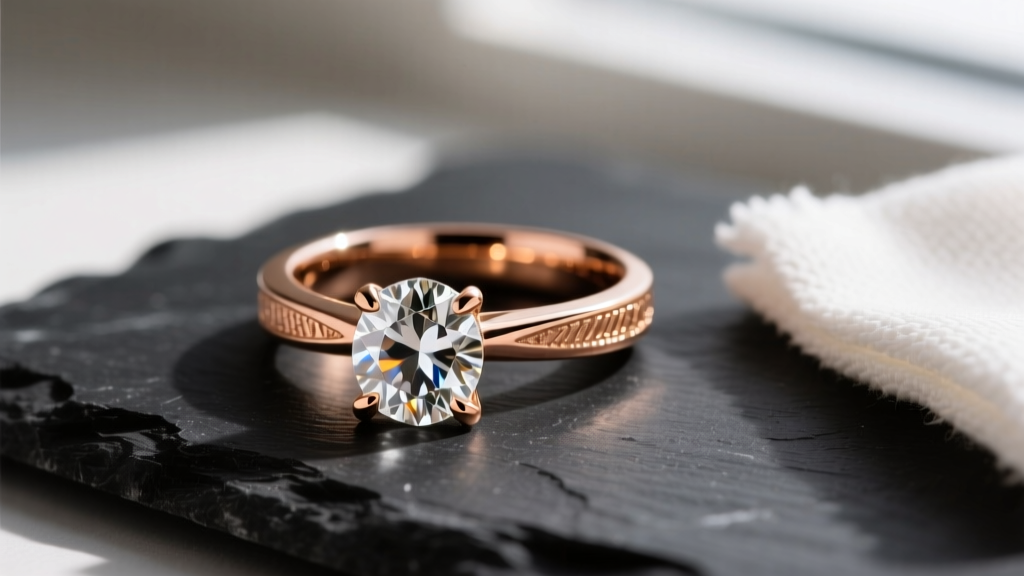
Custom jewelry represents a significant financial and emotional investment. Whether it is a bespoke engagement ring featuring a 2.5-carat teal Montana sapphire or a hand-fabricated 14k yellow gold signet ring, maintaining its brilliance requires a strategic approach. Many owners wonder how to clean custom jewelry without compromising the intricate details or unique gemstones that mass-market pieces do not possess. Unlike stamped, machine-made jewelry, custom pieces often feature mixed metals, alternative gemstones, and complex setting styles like tension or micro-pavé. These unique characteristics drastically alter the risk-to-reward ratio of various cleaning methods.
From a budget and value assessment perspective, the goal is not just to remove tarnish and sebum buildup, but to preserve the structural integrity and resale value of the piece. A $15 commercial dip might save you time today, but if it strips the cedar oil from your custom emerald, you are looking at a $150+ lapidary repair. Let us break down the economics of jewelry maintenance.
DIY vs. Professional: A Cost-Benefit Breakdown
To determine the most cost-effective care routine, we must evaluate the upfront costs against the potential depreciation or damage risks associated with each method.
| Cleaning Method | Estimated Cost | Best For | Risk to Custom Pieces |
|---|---|---|---|
| Mild Dish Soap & Soft Brush | $0 - $5 | Daily/weekly maintenance of diamonds, sapphires, and solid gold. | Very Low |
| Commercial Liquid Dips | $8 - $15 | Heavy tarnish on plain sterling silver chains. | High (Ammonia strips treatments and plating) |
| Home Ultrasonic (40kHz) | $30 - $60 | Diamond solitaires in secure 4-prong or bezel settings. | Medium-High (Vibrations shake loose micro-pavé) |
| Professional Bench Cleaning | $35 - $85 | Annual deep cleans, rhodium replating, and prong tightening. | Lowest (Includes structural inspection) |
As the table illustrates, while DIY methods are budget-friendly for routine upkeep, they lack the diagnostic value of a professional bench inspection. When evaluating how to clean custom jewelry, you must factor in the hidden cost of undetected prong wear.
Material-Specific Value Risks (Where DIY Fails)
The most common mistake in budget jewelry care is assuming all gemstones can be treated equally. The Mohs hardness scale measures scratch resistance, but it does not account for toughness (resistance to breaking) or stability (resistance to chemicals and heat).
High-Porosity and Treated Gems
Custom jewelers frequently use unique, organic, or treated stones that are highly sensitive. Emeralds, for example, are almost always fracture-filled with oils or resins like Opticon to improve clarity. According to the Gemological Institute of America (GIA), ultrasonic waves cause cavitation—microscopic bubbles that violently collapse. This process will literally boil the oil out of an emerald, leaving it cloudy, fractured, and significantly devalued. Similarly, opals contain up to 20% water; exposing them to harsh detergents or rapid temperature changes can cause "crazing," a network of internal cracks that destroys the stone's value.
Mixed-Metal and Tension Settings
Custom rings often combine metals, such as a 14k rose gold shank with a platinum head. Galvanic reactions can occur if the wrong chemical cleaners are used. Furthermore, tension settings—which rely on the precise tensile strength of the metal band to hold the stone—are incredibly vulnerable to ultrasonic vibrations. A $40 home ultrasonic cleaner could easily cost you a $4,000 custom diamond if the frequency weakens the metal's grip.
Building a Budget-Friendly Custom Care Kit
If you want to maximize value and minimize recurring professional cleaning fees, assembling a high-quality, low-risk DIY kit is the smartest financial move. Here is a curated list with exact ROI expectations:
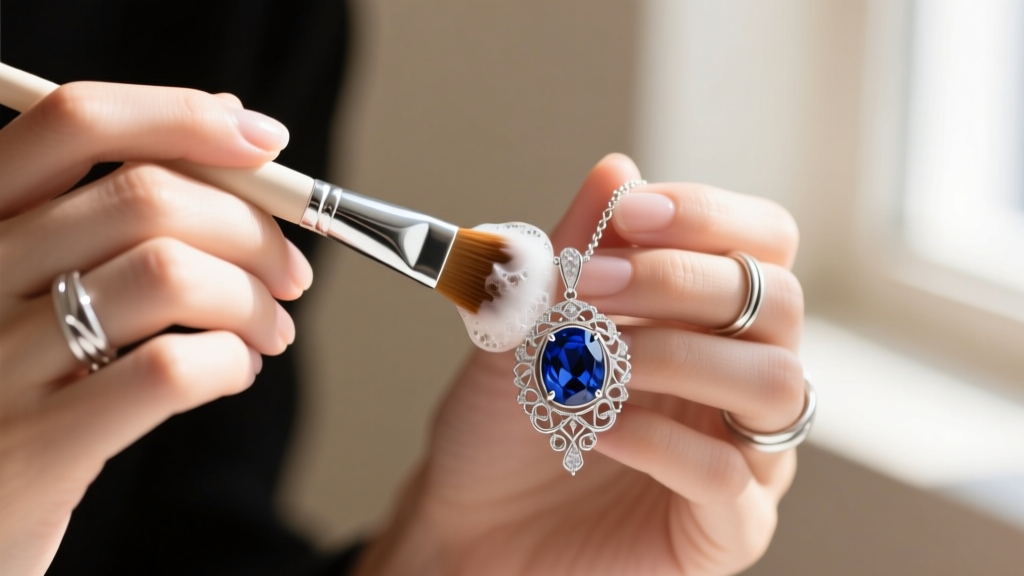
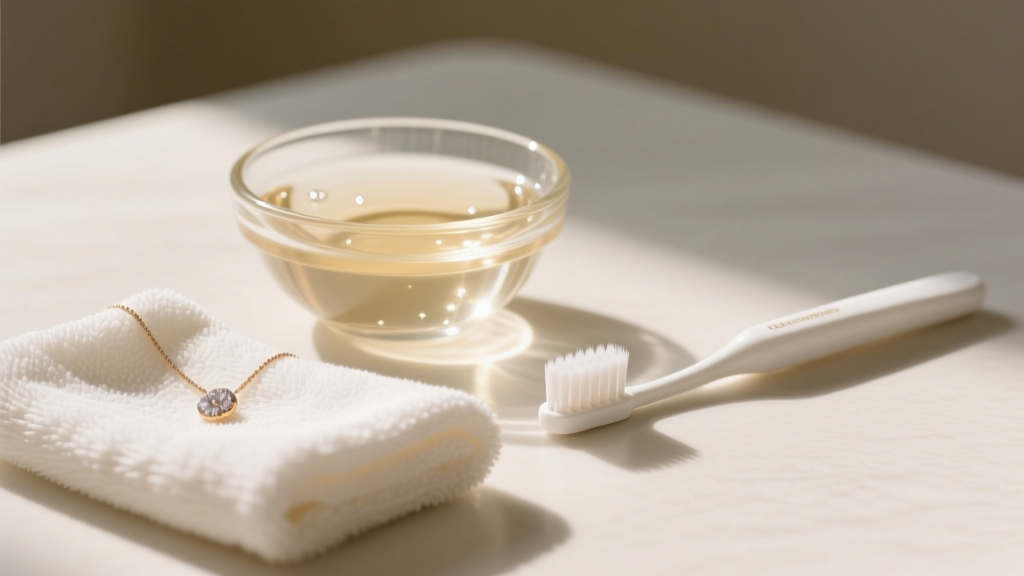
- Connoisseurs Dazzle Drops or Mild Phosphate-Free Dish Soap ($5 - $10): Avoid anything with heavy degreasers or moisturizers. Phosphate-free formulas lift sebum without attacking metal alloys.
- Extra-Soft Baby Toothbrush ($2): Standard toothbrushes are too abrasive and will leave micro-scratches on high-polish 18k gold or platinum. A baby brush provides the necessary gentle agitation for pavé settings.
- Untreated Microfiber Polishing Cloth ($5 - $8): Never use chemically treated rouge cloths on custom pieces with matte, brushed, or sandblasted finishes, as the abrasives will polish away the intentional texture.
- Lukewarm Distilled Water (Free): Always use distilled or filtered water to prevent hard water mineral deposits from drying onto the facets of your gemstones. Never use hot water, as rapid temperature shifts can cause thermal shock, fracturing included diamonds or shattering temperature-sensitive stones like tanzanite.
- Silica Gel Packets (Free): Store your custom pieces in airtight bags with silica to prevent silver sulfide tarnishing, drastically reducing the need for aggressive chemical dips.
Total initial investment: Under $25. This kit will safely maintain a custom collection for years, offering a massive return compared to $50 per professional visit.
When to Pay for Professional Ultrasonic and Steam
While DIY is excellent for surface dirt, there are specific scenarios where paying a professional is the only way to protect your asset's value. Jewelers of America recommends professional servicing for pieces worn daily, as body oils and lotions accumulate in areas a brush cannot reach.
"A professional cleaning is never just about the shine. When a client brings in a custom micro-pavé band, I am using 10x magnification to check for lifted prongs and worn gallery wires while the piece is in the steam cleaner. A $50 cleaning fee is essentially an insurance premium against losing a $2,000 melee diamond." — Master Bench Jeweler
Professional jewelers utilize specialized equipment that mitigates the risks of home machines. Their ultrasonic tanks often feature adjustable frequencies and specialized suspension baskets that prevent the jewelry from resting directly on the tank floor, which can cause abrasive damage to the metal. Furthermore, professional steam cleaners operate at precise pressures that safely blast away hardened sebum from beneath the girdle of a diamond without risking the stone's structural integrity.
You should allocate budget for professional cleaning when:
- Your white gold custom piece needs rhodium replating (typically required every 12-18 months, costing $60-$120 to restore the 0.1-micron reflective layer).
- The piece features intricate filigree or milgrain detailing where dirt becomes impacted and hardened over time.
- You are preparing the piece for an insurance appraisal or resale, where maximum brilliance directly impacts the valuation.
Final Verdict: Protecting Your Investment
Understanding how to clean custom jewelry is ultimately an exercise in risk management. For routine maintenance, a $25 DIY kit consisting of mild soap, a baby toothbrush, and untreated microfiber offers the highest financial ROI and the lowest risk to delicate bespoke settings. However, treating professional bench services as an annual maintenance expense rather than a luxury is crucial for preserving the structural integrity and long-term value of high-end custom pieces. By matching the cleaning method to the specific material grade and setting style of your jewelry, you ensure your bespoke investment remains as flawless as the day it was cast.


