DIY Jewelry Cleaner Cost Analysis: Value vs Damage Risks
We break down the true cost of using a DIY jewelry cleaner versus commercial solutions, analyzing material risks, savings, and long-term value.

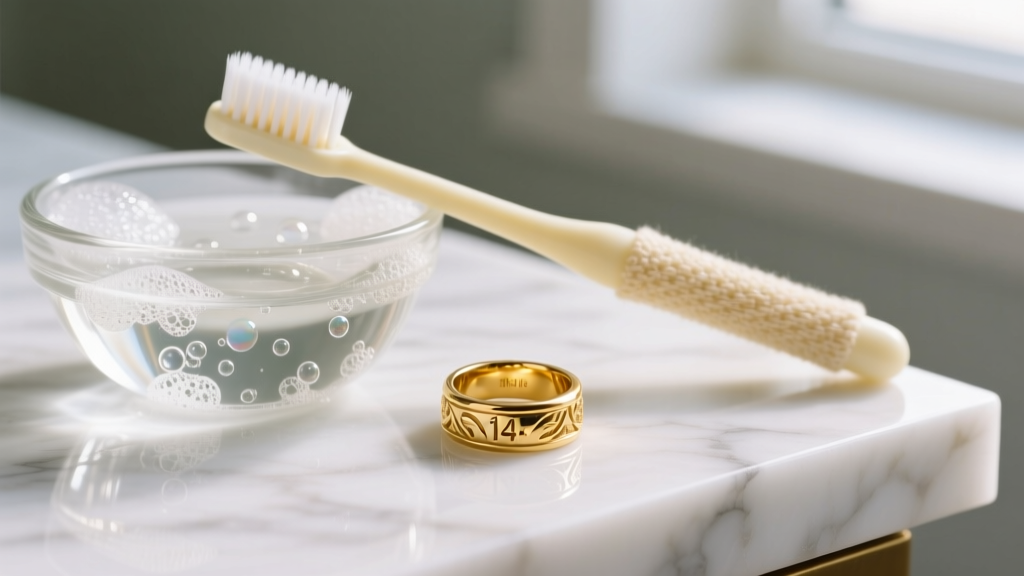
When a favorite ring loses its luster or a necklace chain accumulates daily grime, the immediate instinct for many is to head to the kitchen sink. The appeal of a DIY jewelry cleaner is undeniable: it is immediate, accessible, and seemingly free. However, as jewelry repair costs rise and consumers invest more heavily in fine and demi-fine pieces, the financial calculus of home-brewed cleaning solutions requires a serious audit. Is saving twelve dollars on a commercial dip worth the risk of stripping rhodium plating or etching a porous gemstone? In this comprehensive budget and value assessment, we break down the true economics of DIY cleaning methods, analyze the hidden material risks, and provide a data-driven framework to help you decide when to DIY and when to invest in professional care.
The True Economics of DIY Jewelry Cleaners
To accurately assess value, we must first establish the baseline cost per use of common household cleaning agents compared to their commercial counterparts. Most DIY recipes rely on three primary ingredients: mild dish soap, baking soda, and white vinegar.
- Dish Soap (e.g., Dawn Ultra): A standard 18 oz bottle costs approximately $3.99. Using a three-drop dilution per cleaning session yields roughly 350 uses. Cost per use: $0.01.
- Baking Soda: A 16 oz box costs around $1.29. A typical paste application requires one tablespoon. Cost per use: $0.04.
- White Vinegar: A 32 oz bottle costs about $2.50. A standard soaking solution uses roughly four ounces. Cost per use: $0.31.
By comparison, a standard 8 oz bottle of commercial liquid jewelry dip retails for $8.00 to $14.00, yielding roughly 15 to 20 uses before the solution becomes saturated with dissolved oils and tarnish. Cost per use: $0.40 to $0.93. On a purely upfront monetary basis, the DIY jewelry cleaner wins by a landslide. However, this micro-economic view ignores the macro-economic reality of jewelry degradation, which brings us to the hidden costs of chemical incompatibility.
Material-Specific Risk Assessment (The Hidden Cost)
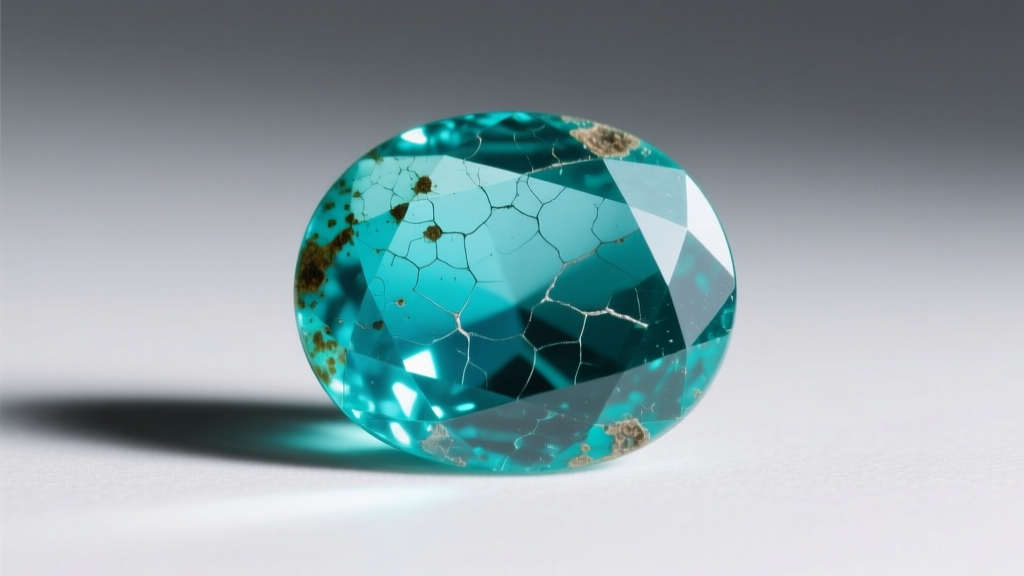
The most expensive mistake in jewelry care is assuming that a solution safe for a diamond solitaire is equally safe for a turquoise cabochon. The Gemological Institute of America (GIA) explicitly warns against using harsh chemicals, acids, or abrasives on organic and porous gemstones. When a DIY cleaner damages a stone or strips a metal finish, the cost to repair or replace the piece instantly eclipses a lifetime of savings on commercial cleaners.
| DIY Ingredient | Chemical Profile | Safe Applications | Danger Zone (High Financial Risk) |
|---|---|---|---|
| Mild Dish Soap | pH 7.0 - 8.0 (Neutral/Slightly Alkaline) | Diamonds, Sapphires, Rubies, 14k/18k Gold, Platinum | Untreated Emeralds (can strip cedar oil fillers) |
| White Vinegar | pH 2.5 (Acetic Acid) | Stainless Steel, plain Titanium | Pearls, Coral, Turquoise, Opal, Malachite (dissolves calcium carbonate) |
| Baking Soda Paste | Mohs Hardness 2.5 (Mild Abrasive) | Heavy, unpolished silver items | High-polish Gold, Rhodium-plated Silver, Matte finishes (causes micro-scratches) |
| Ammonia (Windex) | pH 11.0 (Highly Alkaline) | Diamonds, Platinum | Sterling Silver (accelerates oxidation), Porous stones, Fracture-filled gems |
Consider the financial impact: replacing a heavily micro-scratched rhodium plating on a white gold engagement ring costs between $60 and $120 at a local jeweler. Using a baking soda paste to save $0.40 on cleaning ultimately triggers a 15,000% negative return on investment.
Commercial vs. DIY: A 5-Year Value Projection
To understand long-term value, we must project the costs over a standard five-year ownership period for a daily-wear piece, such as a 14k gold wedding band with pave diamonds. Assuming a bi-weekly cleaning schedule (26 times a year, 130 times over five years):
- DIY Dish Soap Method: $1.30 total cost. Risk factor: Low, provided a soft-bristled baby toothbrush is used to prevent prong abrasion.
- Commercial Liquid Dip: $65.00 total cost (requiring roughly 4 to 5 bottle replacements). Risk factor: Moderate to High, as prolonged soaking in thiourea-based dips can weaken porous stones and degrade alloy integrity over time.
- Entry-Level Ultrasonic Cleaner ($45 initial investment): $45.00 total cost (using only water and a drop of dish soap). Risk factor: High for fracture-filled diamonds or emeralds, but exceptionally safe and effective for solid gold and durable gems.
- Professional Jeweler Steam Clean: $1,950 total cost (assuming $15 per visit, though many jewelers offer this free for established clients). Risk factor: Near zero, as professionals inspect prongs simultaneously.
For durable metals and hard stones (Mohs scale 8+), the DIY dish soap method remains the undisputed champion of long-term value. However, for high-maintenance pieces, the $45 upfront cost of a consumer-grade ultrasonic cleaner offers a superior ROI by eliminating the need for chemical dips while delivering near-professional results.
The Baking Soda & Aluminum Foil Electrochemical Trap
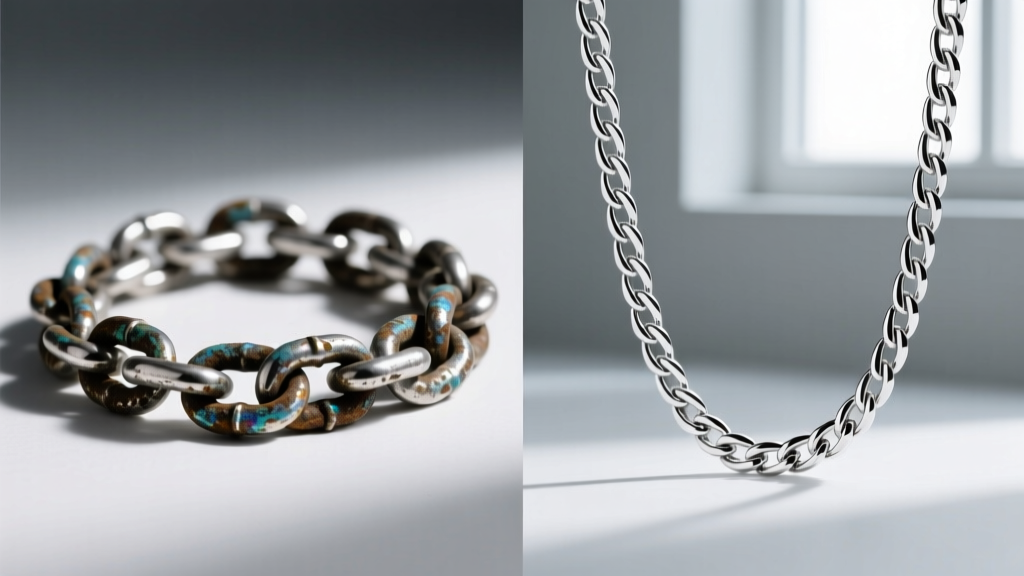
A ubiquitous internet hack involves lining a bowl with aluminum foil, adding boiling water, baking soda, and salt to instantly remove silver tarnish. From a purely aesthetic standpoint, it works miraculously. From a metallurgical and financial standpoint, it is highly destructive to specific types of jewelry.
This method relies on an ion-transfer redox reaction. The aluminum acts as a sacrificial anode, pulling sulfur atoms away from the silver sulfide (tarnish) on your jewelry. While this removes the black tarnish without physical abrasion, the boiling water and highly alkaline environment will completely destroy intentional oxidation (antiquing) used to highlight details in vintage or artisan silver pieces. Furthermore, if the silver is rhodium-plated to prevent tarnishing, the aggressive electrochemical reaction can cause the plating to delaminate or peel. Restoring intentional antiquing or re-plating a sterling silver chain costs between $40 and $85, entirely negating the value of this zero-cost DIY trick.
The Verdict: When to DIY and When to Invest
Budget-conscious jewelry care is not about avoiding commercial products entirely; it is about matching the cleaning method to the material science of the piece. Use this practical decision framework to maximize your jewelry budget:
Opt for the DIY Dish Soap Method when: You are cleaning solid 14k, 18k, or 22k gold, platinum, stainless steel, or hard gemstones (diamonds, sapphires, rubies) with no fracture fillings or oil treatments. The cost-to-benefit ratio is unbeatable.
Invest in Commercial or Professional Care when: Your jewelry features organic gems (pearls, amber, coral), porous stones (opal, turquoise, lapis lazuli), or treated gems (oiled emeralds). The GIA strongly recommends specialized, non-chemical cleaning for treated stones to preserve their structural integrity and market value.
Ultimately, the cheapest jewelry cleaner is the one that does not force you to pay for avoidable repairs. By understanding the pH levels and abrasive qualities of your kitchen cabinet staples, you can safely leverage DIY methods for 80% of your collection, reserving your budget for professional maintenance on the delicate, high-value pieces that demand expert hands.


