How to Clean Fake Jewelry Tarnish Without Stripping Plating
Learn how to clean fake jewelry tarnish safely. Discover material-specific methods for brass, zinc, and plated costume pieces without stripping finishes.

The Chemistry of Costume Jewelry Tarnish
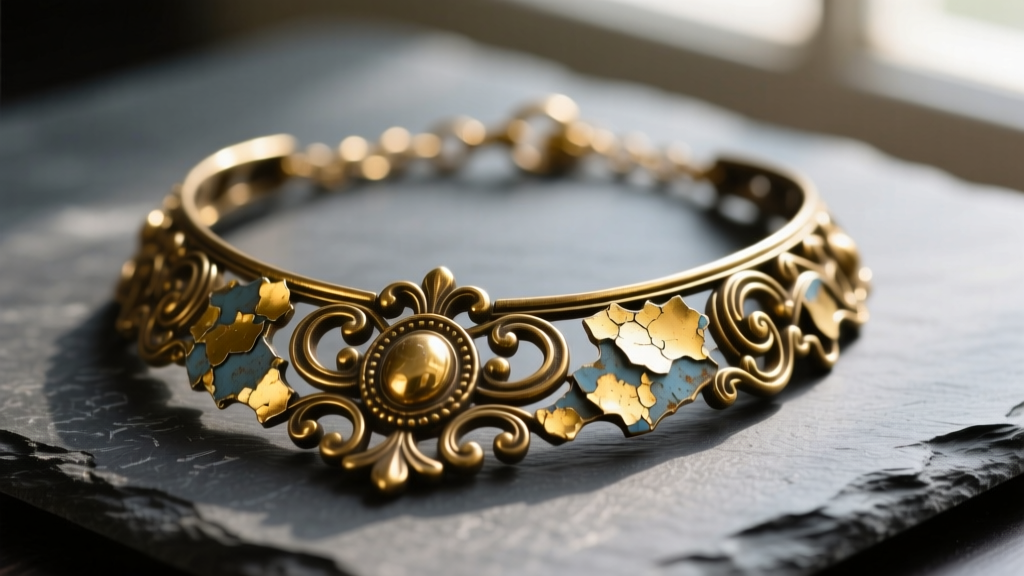
When consumers search for how to clean fake jewelry tarnish, they are usually dealing with costume or fashion jewelry. Unlike solid sterling silver or 14k gold, "fake" jewelry relies on base metals—such as brass, copper, pewter, or zinc alloys (Zamak)—that are electroplated with a microscopic layer of precious metal. Tarnish on these pieces is rarely just surface dirt; it is often the result of galvanic corrosion, where the base metal oxidizes and bleeds through the porous plating above it.
Human sweat contains lactic acid, urea, and sodium chloride, with a pH ranging from 4.5 to 7.0. When this acidic moisture interacts with the copper or zinc in base alloys, it creates copper chlorides and zinc oxides. These compounds manifest as the infamous "green skin" effect or a dull, grayish-black patina. Understanding the underlying metallurgy is the only way to clean these pieces without permanently destroying the delicate topcoat.
Material Breakdown: Base Metals and Their Vulnerabilities
Before applying any cleaning solution, you must identify the likely base metal. Different alloys react catastrophically to specific household chemicals. Below is a comparison of common costume jewelry materials and their chemical vulnerabilities.
| Base Metal | Common Alloys | Tarnish Color | Chemical Vulnerability |
|---|---|---|---|
| Brass | Copper + Zinc | Dark Brown / Green | Ammonia (causes stress corrosion cracking) |
| Copper | Pure Copper / Bronze | Verdigris (Bright Green) | Acids (strips natural patina rapidly) |
| Zinc Alloy | Zamak (Zinc, Aluminum, Magnesium) | Chalky White / Gray | Chlorides and Acids (causes intergranular decay) |
| Nickel Silver | Copper + Nickel + Zinc | Black / Dark Gray | Sulfur compounds (accelerates blackening) |
The Danger of Abrasives: Flash vs. Micron Plating
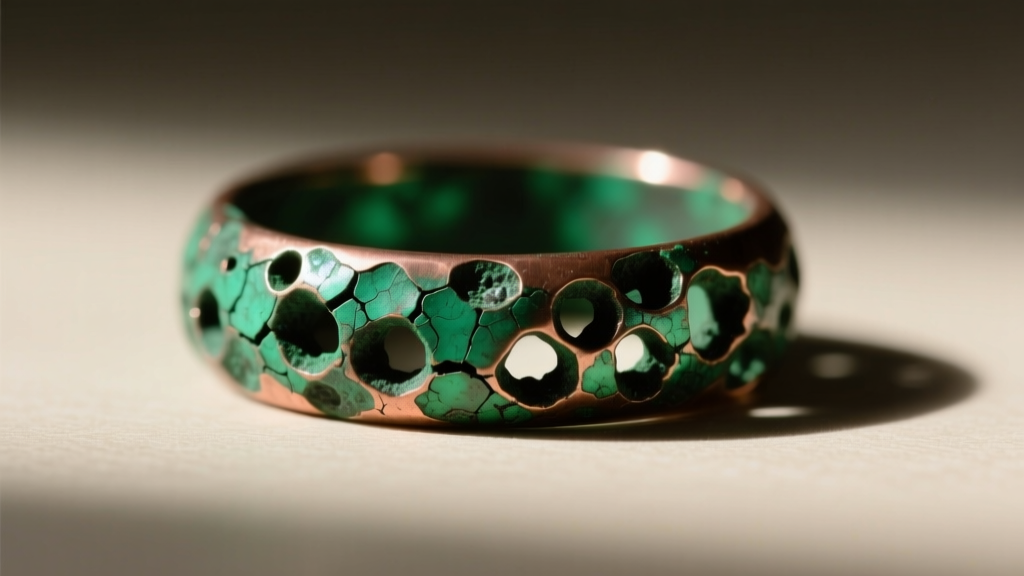
The most common mistake people make when learning how to clean fake jewelry tarnish is reaching for baking soda or toothpaste. This is a critical error. According to the Federal Trade Commission Jewelry Guides, "flash plating" (the standard for most inexpensive costume jewelry) is incredibly thin, typically measuring between 0.1 and 0.5 microns. Heavy gold electroplate is slightly thicker at 2.5 microns.
To put this in perspective, a human hair is roughly 70 microns thick. Baking soda has a Mohs hardness of 2.5, which is identical to the hardness of pure gold. When you scrub flash-plated jewelry with a baking soda paste, you are essentially using a micro-abrasive sandpaper that will instantly scratch and strip the 0.1-micron gold layer, exposing the raw brass underneath. Once the plating is gone, no amount of cleaning will restore the gold color; the piece must be professionally re-plated.
Expert Warning: Never use ultrasonic cleaners on costume jewelry. The cavitation bubbles generated by high-frequency sound waves create microscopic shockwaves that will shatter glued-in glass or acrylic rhinestones and peel flash plating right off the base metal.
How to Clean Fake Jewelry Tarnish by Material Type
1. Plated Brass and Copper (Gold or Rose Gold Tone)
If your gold-toned jewelry is tarnishing, the plating is likely porous. Do not use vinegar or lemon juice. The acetic and citric acids will dissolve the zinc within the brass alloy, leaving behind a spongy, weakened copper matrix. Instead, rely on a neutral pH surfactant. Mix three drops of a mild, non-lotion dish soap (like Dawn Platinum) into a bowl of distilled water. Distilled water is crucial, as tap water contains chlorine and fluoride, which can accelerate oxidation on exposed base metals.
2. Plated Zinc Alloys (Silver Tone / Tibetan Silver)
Zinc alloys are highly reactive to both acids and harsh alkalis. If the silver-toned plating wears off, the zinc will develop a chalky white oxidation. To clean this, use a 50/50 mixture of isopropyl alcohol (70% concentration) and distilled water. Apply it with a cotton swab rather than soaking the piece, as prolonged water exposure can cause the zinc to swell and crack the overlying rhodium or silver flash plating.
3. Unplated Raw Base Metals (Boho or Steampunk Styles)
If the jewelry is intentionally unplated brass or copper, you can use mild acids to strip the tarnish. Create a paste using equal parts white vinegar and fine sea salt. Apply it with a soft cloth, let it sit for no more than 60 seconds, and rinse immediately with distilled water. Follow up with a baking soda rinse to neutralize the acid and halt the chemical reaction.
The 4-Step Safe Cleaning Protocol for Plated Pieces
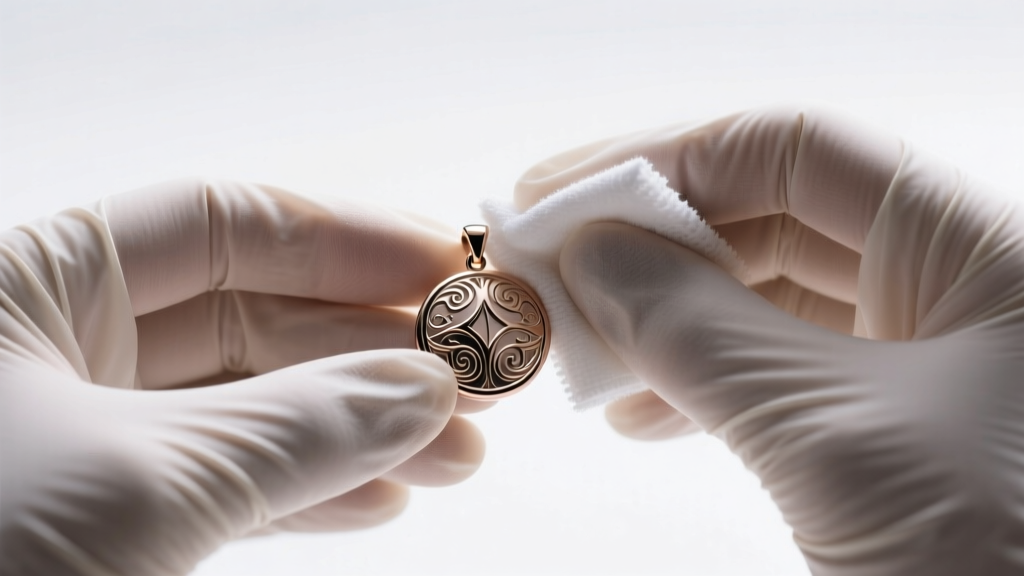
For standard gold, silver, or rose-gold plated costume jewelry featuring glued-in rhinestones or enamel work, follow this exact protocol to remove surface tarnish and body oils without compromising the structural integrity of the piece.
- Dry Dusting: Use a clean, dry makeup brush to sweep away loose dust and dead skin cells from the settings and prongs. This prevents scratching during the wet wash.
- Surfactant Bath: Submerge the piece in a lukewarm (85°F / 29°C) bath of distilled water and mild dish soap for exactly 3 minutes. Do not exceed this time, as prolonged soaking degrades the adhesives holding faux pearls and glass stones.
- Micro-Agitation: Using a baby toothbrush (which features ultra-soft 0.1mm bristles), gently sweep the bristles in one direction across the metal. Never scrub in circles, as this creates micro-marring on soft plating.
- Forced Air Drying: Do not rub the piece with a towel. Towels leave behind lint and can catch on delicate prongs. Instead, use a hair dryer on the "cool" setting or a canned air duster to blow the water out of the crevices.
Advanced Restoration and Preventative Coatings
Cleaning is only half the battle; preventing the base metal from reacting with your skin chemistry is the ultimate goal. The Gemological Institute of America (GIA) notes that proper storage and environmental control are vital for preserving non-precious metals.
For pieces where the plating has already worn through on the inside of a ring band or the back of a pendant, apply a barrier coating. A thin layer of microcrystalline wax, such as Renaissance Wax, provides a hard, chemically stable barrier that prevents skin acids from reaching the brass or copper. Apply it with a lint-free cloth, let it dry for 10 minutes, and buff it gently. Alternatively, a coat of clear polyurethane nail polish can serve as a temporary, 3-to-4 week barrier against copper chlorides.
Storage Metrics for Costume Jewelry
To prevent tarnish from forming in the first place, control the storage environment. Base metals oxidize rapidly in high humidity. Store your costume jewelry in airtight ziplock bags with a 3M anti-tarnish strip. These strips contain sacrificial copper or zinc particles that attract and absorb ambient sulfur and chloride gases before they can reach your jewelry. Keep your storage area below 45% relative humidity (RH) and avoid storing pieces in bathrooms, where aerosolized hairsprays and lotions create a corrosive, acidic film on metal surfaces.
By understanding the specific material properties of your fashion jewelry and avoiding the harsh, abrasive myths found online, you can safely remove tarnish and extend the lifespan of your favorite plated pieces for years to come.


