How to Clean Fake Jewelry: A Budget & Value Restoration Guide
Learn how to clean fake jewelry without ruining the plating. We break down budget-friendly DIY methods, cost comparisons, and when to replace.

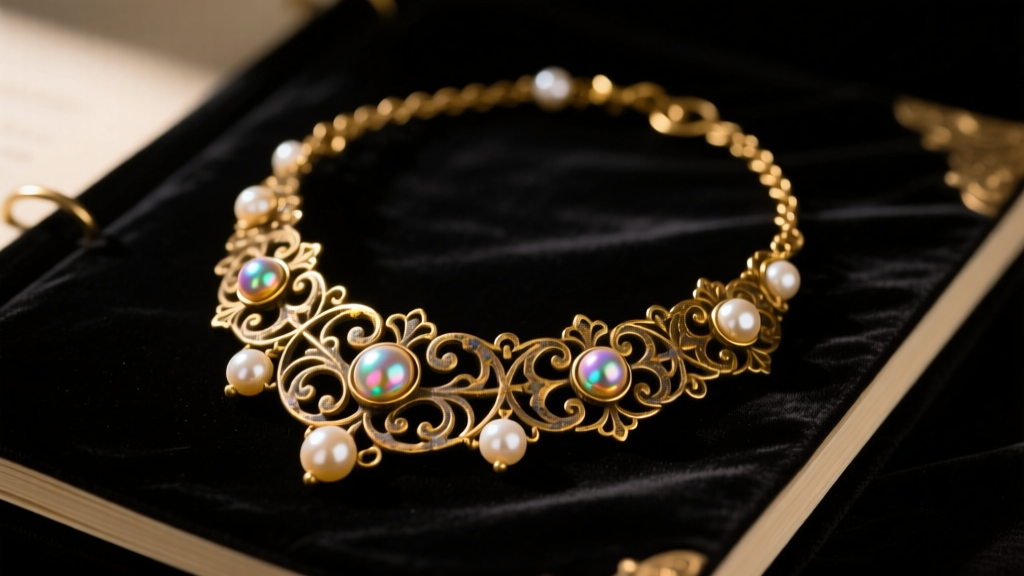
The True Cost of Costume Jewelry Maintenance
The global fashion jewelry market is booming, offering consumers access to trend-driven designs at a fraction of the cost of fine jewelry. However, the low upfront cost of costume pieces often masks a hidden long-term expense: rapid tarnishing, plating degradation, and structural fatigue. When you are trying to figure out how to clean fake jewelry, the first step is not reaching for a polishing cloth; it is performing a budget and value assessment. Is the piece worth the time and materials required to restore it, or has it reached the end of its functional lifespan?
From a financial perspective, maintaining a $15 fast-fashion ring requires a different strategy than preserving a $150 vintage Trifari brooch. Understanding the economics of jewelry care allows you to allocate your time and budget efficiently, ensuring you do not spend $10 in commercial cleaning supplies to salvage a $5 zinc-alloy band that is already suffering from irreversible metal rot.
Identifying Base Metals and Plating Grades
Before applying any cleaning solution, you must identify what lies beneath the surface. According to the Federal Trade Commission (FTC), jewelry plating thickness varies wildly, and this dictates your cleaning budget and methodology.
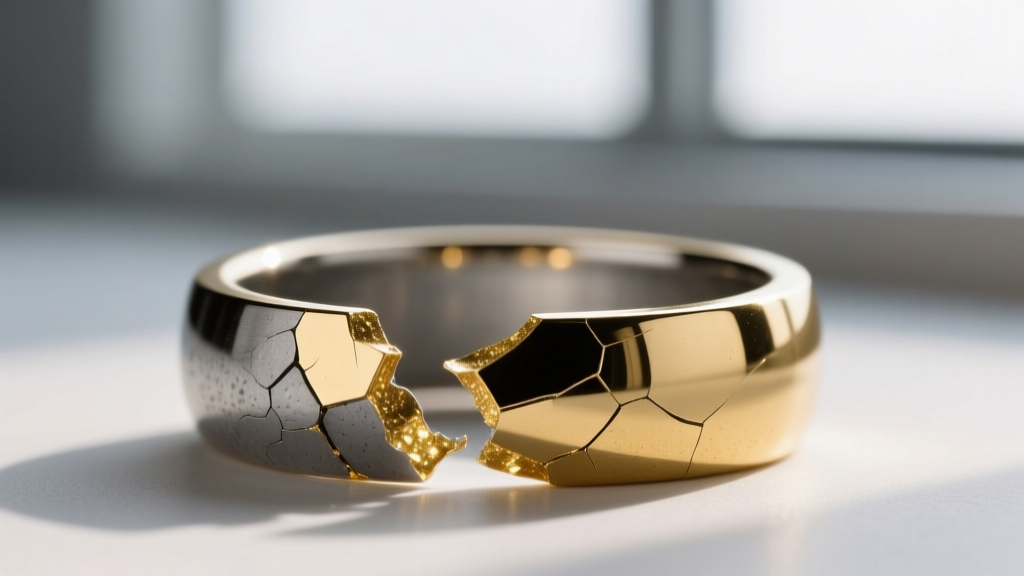
Flash Plating vs. Micron Plating
- Flash Plating (0.1 to 0.3 microns): Common in budget fast-fashion jewelry. This microscopic layer of gold or rhodium is applied via electroplating and will wear off with friction and chemical exposure. Budget Rule: Never use abrasive cleaners (like baking soda paste or toothpaste) on flash-plated items, as you will strip the finish in seconds, turning a $20 necklace into a $0 liability.
- Micron Plating / Vermeil (2.5+ microns): Found in mid-tier and designer fashion jewelry (e.g., Kendra Scott, BaubleBar). This thicker layer can withstand gentle chemical cleaners and soft-bristled brushing, offering a much higher return on investment (ROI) for your cleaning efforts.
The Base Metal Matrix
The core material determines the structural integrity of the piece. Zinc alloy (often called 'pot metal') is highly porous and prone to pitting when exposed to moisture. Brass and copper are durable but will oxidize rapidly, creating a green patina. Stainless steel, increasingly popular in budget jewelry, is highly resistant to tarnish and offers the best long-term value for everyday wear.
Step-by-Step: How to Clean Fake Jewelry on a Budget
Commercial jewelry dips often contain harsh acids (like thiourea) that can dissolve the adhesives holding faux gemstones in place and strip flash plating. For the budget-conscious collector, household staples offer superior, safer results at a fraction of the cost.
Method 1: The Neutral Surfactant Bath (Cost: < $0.10 per use)
This is the safest, most universally applicable method for gold-plated, rhodium-plated, and enamel pieces.
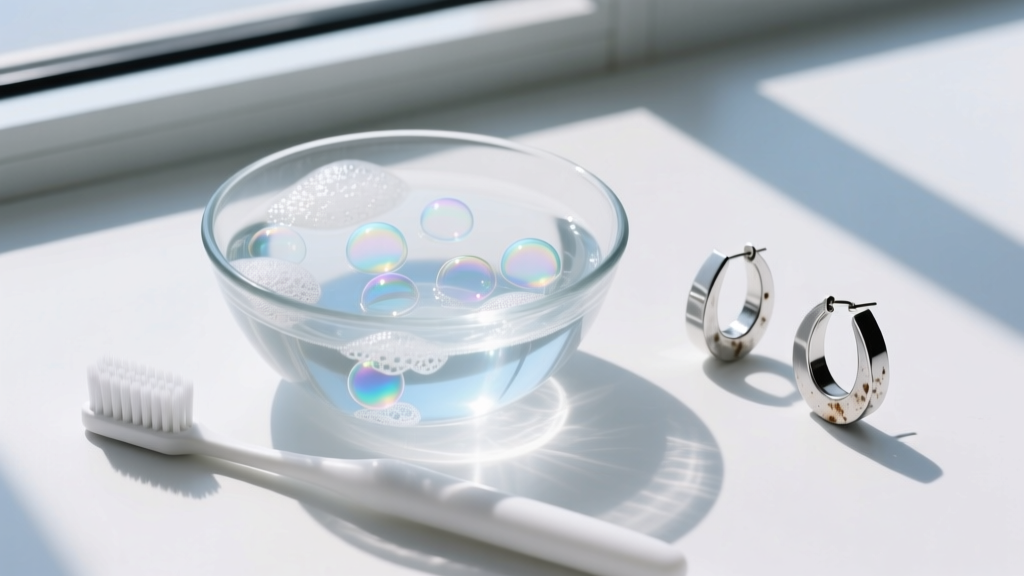
- Mix 3 drops of pH-neutral dish soap (like Dawn Ultra) into 8 ounces of distilled water. (Tap water contains chlorine and minerals that accelerate tarnish).
- Submerge the jewelry for exactly 3 to 5 minutes. Do not exceed this, as prolonged water exposure can weaken the cyanoacrylate adhesives used to set cubic zirconia and glass stones.
- Gently agitate with a baby toothbrush (ultra-soft bristles) to dislodge sebum and dead skin cells from the prongs.
- Rinse with distilled water and immediately dry with a microfiber cloth. Air-drying leads to water spots and flash-rusting on exposed steel components.
Method 2: The Electrochemical Silver Bath (Cost: < $0.50 per use)
Warning: Only use this on solid silver-plated items without gemstones or intentional oxidized (blackened) detailing. This method uses an ion-exchange reaction to lift silver sulfide (tarnish) without removing any base metal.
- Line a glass bowl with aluminum foil, shiny side up.
- Add 1 tablespoon of baking soda and 1 tablespoon of sea salt.
- Pour boiling distilled water over the mixture to activate the reaction.
- Submerge the silver-plated jewelry for 60 seconds. You will smell sulfur (rotten eggs) as the tarnish transfers from the jewelry to the foil.
- Remove with wooden tongs, rinse, and buff.
The Golden Rule of Costume Jewelry Care: Never use ultrasonic cleaners on fake jewelry. The high-frequency vibrations will shatter resin stones, crack glass, and cause the adhesive backing on foil-set rhinestones to completely detach.
Cost-Benefit Analysis: DIY vs. Commercial vs. Replacement
When assessing how to clean fake jewelry, you must weigh the cost of the cleaning method against the replacement value of the item. Below is a budget assessment matrix to help you make financially sound maintenance decisions.
| Cleaning Method | Avg. Cost | Best Used For | Risk to Plating | Budget ROI |
|---|---|---|---|---|
| Dish Soap & Distilled Water | $0.10 | Gold/Rhodium flash plating, enamel, CZ stones | Very Low | Excellent |
| Aluminum Foil & Baking Soda | $0.50 | Heavy tarnish on silver-plated chains | Medium (strips patina) | High (if silver) |
| Commercial Silver Dip | $8.00 | Solid sterling silver (not plated) | Severe (strips gold) | Poor for costume |
| Professional Jeweler Polish | $25 - $45 | Vintage designer pieces (e.g., Miriam Haskell) | Low (if skilled) | High (for vintage) |
| Replacement (Fast Fashion) | $12 - $25 | Pitted zinc alloy, severe verdigris | N/A | Better than cleaning |
Recognizing Terminal Wear: When Cleaning is a Sunk Cost
Not all tarnish is reversible, and attempting to clean severely degraded base metals is a waste of your budget. The Victoria and Albert Museum (V&A) notes that base metal corrosion can become structurally compromising. Here is when you should stop cleaning and discard the piece:
The 'Green Finger' Phenomenon (Verdigris)
If your jewelry leaves a green or black mark on your skin, it is not 'toxic'—it is a simple chemical reaction. The copper or brass base metal is reacting with the salts and acids in your sweat to form copper chloride or copper carbonate. While you can wipe this away with white vinegar, if the green crust (verdigris) has formed inside the microscopic pores of the metal, the piece is structurally compromised and will continue to stain your skin. Budget Verdict: Discard or donate.
Pitting and 'Metal Rot'
Zinc alloy is notorious for 'pitting'—tiny, crater-like divots that appear on the surface when the metal oxidizes from the inside out. No amount of polishing will smooth out pitted metal. If you run your fingernail over the band of a ring and feel a rough, sandpaper-like texture, the base metal is rotting. Budget Verdict: Replace immediately to avoid skin lacerations.
Budget-Friendly Storage for Maximum ROI
The most cost-effective way to clean fake jewelry is to prevent it from getting dirty in the first place. Tarnish is caused by hydrogen sulfide in the air and ambient humidity. By controlling the micro-climate of your jewelry storage, you can extend the life of flash-plated pieces by up to 400%.
- Silica Gel Packets ($0.05 each): Save the desiccant packets from shoe boxes and vitamin bottles. Drop one into each jewelry storage bin to maintain a humidity level below 40%, halting the oxidation process.
- Anti-Tarnish Strips ($0.30 each): Brands like 3M make chemically treated paper strips that absorb airborne sulfides. Cut a single strip into four pieces and place them in your jewelry drawers. This is vastly more economical than buying specialized anti-tarnish ziplock bags.
- The Chalk Trick ($0.10): In a pinch, standard calcium carbonate blackboard chalk absorbs ambient moisture. Keep a piece in your travel jewelry roll to protect your pieces while on the go.
Final Assessment: Protecting Your Investment
Knowing how to clean fake jewelry is ultimately an exercise in risk management and resource allocation. By utilizing gentle, pH-neutral DIY methods, avoiding destructive commercial dips, and recognizing the terminal signs of base-metal corrosion, you can maximize the lifespan of your fashion accessories. For a comprehensive guide on identifying gemstone simulants and their specific care requirements, consult the Gemological Institute of America (GIA) care archives. Treat your costume jewelry with the same strategic foresight as your fine jewelry, and your budget will thank you.


