How To Clean James Avery Jewelry: A Material Guide
Discover exactly how to clean James Avery jewelry by material type. Expert guides for oxidized silver, gold, turquoise, and pearls.

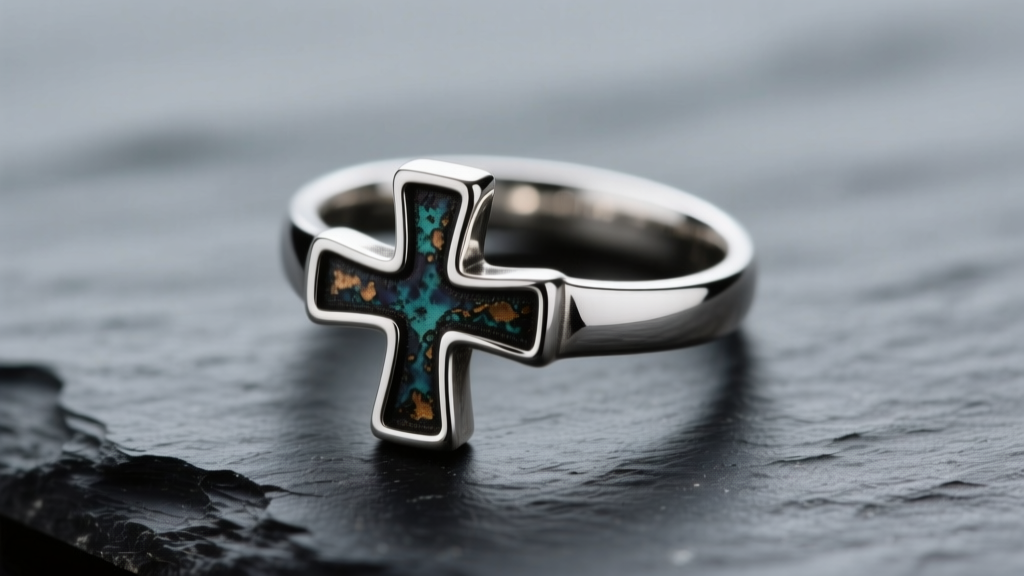
James Avery jewelry is renowned for its distinct craftsmanship, particularly its signature oxidized sterling silver and thoughtfully selected gemstones. However, the very properties that make these pieces iconic—intentional patinas, porous stones, and intricate textures—require highly specific care. If you are wondering how to clean James Avery jewelry without stripping its value or aesthetic, you must understand the metallurgical and gemological properties of the materials involved.
Standard silver cleaning methods will ruin an Avery piece in seconds. This guide breaks down the material science behind James Avery's most popular metals and stones, providing exact, safe cleaning protocols for your collection.
The Science of James Avery's Signature Oxidized Sterling Silver
Most James Avery silver pieces are crafted from .925 sterling silver (92.5% pure silver, 7.5% copper alloy) that has undergone a deliberate oxidation process. Jewelers typically use liver of sulfur (potassium sulfide) to create a dark, blackish-brown patina in the recessed areas of the design. The high points are then polished to create a striking visual contrast that highlights the intricate casting work.
Why Liquid Dips and Ultrasonics Are Forbidden
Liquid silver dips (often containing thiourea) and ultrasonic cleaners do not distinguish between accidental tarnish and intentional oxidation. Submerging an oxidized James Avery ring in a chemical dip will strip the dark patina entirely, leaving the piece flat, overly bright, and significantly diminished in artistic value. According to the Gemological Institute of America (GIA) Gem Encyclopedia, abrasive dips and aggressive ultrasonic waves also micro-scratch soft silver alloys and can loosen the prongs securing delicate gemstones.
The Correct Polishing Technique
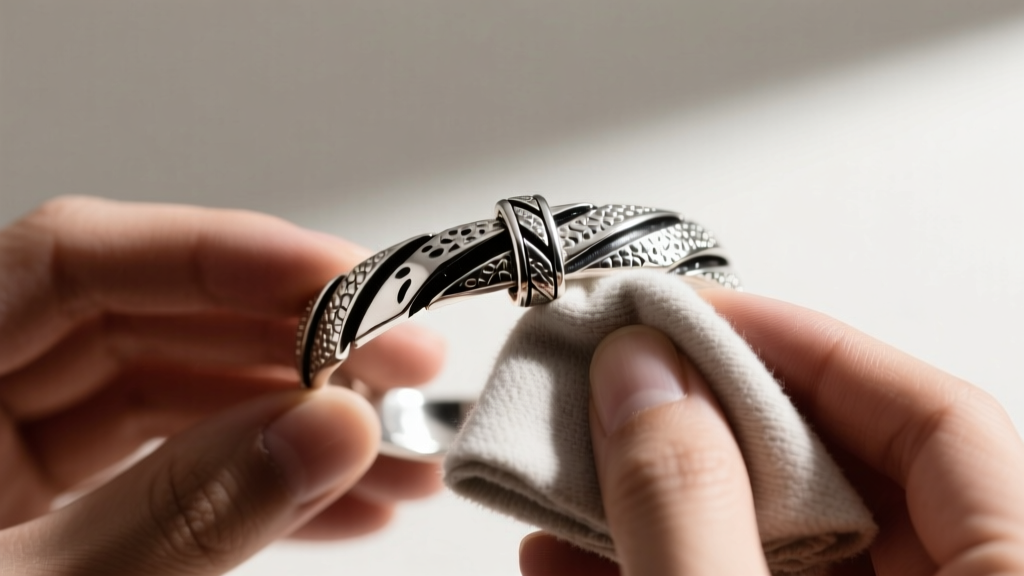
To clean oxidized sterling silver, you must use a dry, treated silver polishing cloth (such as a Sunshine Cloth or the official James Avery polishing cloth).
- Step 1: Wrap the cloth tightly around your index finger to create a precise, firm edge.
- Step 2: Apply light pressure and rub only the raised, high-polish areas of the jewelry.
- Step 3: Use a dry, soft-bristled makeup brush (like a clean eyeshadow brush) to gently sweep dust and skin oils out of the darkened crevices without disturbing the chemical patina.
Caring for 14K and 18K Yellow Gold Avery Pieces
James Avery utilizes 14K and 18K yellow gold for many of its premium designs. Pure gold is virtually immune to tarnish, but the alloy metals mixed in (copper, zinc, and silver) can accumulate skin oils, lotions, and environmental grime, leading to a dull, matte appearance over time.
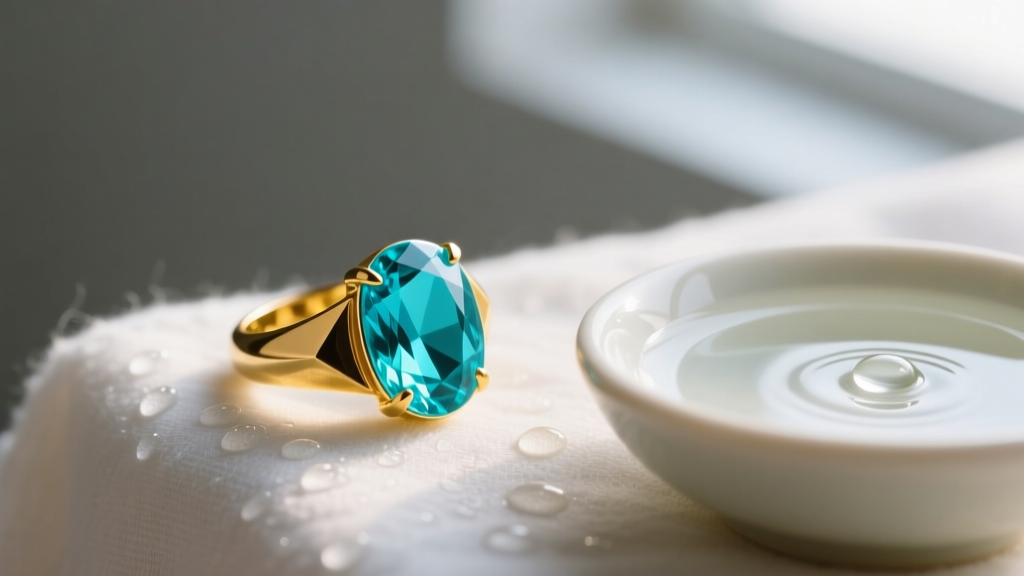
For gold pieces without porous gemstones, a mild surfactant solution is the safest approach. Mix three drops of phosphate-free dish soap into a bowl of lukewarm distilled water. Soak the gold piece for exactly 5 to 10 minutes. Gently agitate with a baby-soft toothbrush, rinse under lukewarm running water, and pat dry with a lint-free microfiber cloth. Never use hot water, as thermal shock can fracture internal gemstone inclusions if the piece contains diamonds or quartz.
White Gold Properties and Rhodium Plating Care
James Avery’s white gold pieces are alloyed with metals like nickel, palladium, or manganese to achieve a white hue, but the natural color of white gold is actually a faint yellowish-gray. To achieve the brilliant, mirror-like silver finish, the jewelry is electroplated with a microscopic layer of rhodium, a highly reflective platinum-group metal.
When cleaning rhodium-plated white gold, your primary goal is to preserve this delicate plating. Avoid any polishing cloths designed for silver, as the mild abrasives will accelerate the wearing of the rhodium layer, exposing the yellowish alloy beneath. Instead, use the same mild dish soap and distilled water soak described for yellow gold. If your white gold Avery ring begins to look dull or yellow around the edges, it does not need cleaning; it needs professional rhodium re-plating, a service typically costing between $40 and $75 at a local jeweler.
Gemstone Properties & Specific Cleaning Protocols
James Avery frequently incorporates organic and porous gemstones that are highly sensitive to chemicals, heat, and dehydration. Understanding the Mohs hardness scale and porosity of your specific stone is critical to preventing irreversible damage.
| Gemstone | Mohs Hardness | Porosity | Safe Cleaning Method | Strictly Avoid |
|---|---|---|---|---|
| Turquoise | 5.0 - 6.0 | High | Dry microfiber cloth only | Water, soap, ultrasonics, oils |
| Pearls | 2.5 - 4.5 | High (Organic) | Damp cloth, wipe after wear | Ammonia, acids, ultrasonics |
| Black Onyx | 6.5 - 7.0 | Low (but often dyed) | Mild soapy water, soft brush | Harsh chemicals, steam cleaners |
| Opal | 5.5 - 6.5 | Medium (Water content) | Damp cloth only | Soaking, heat, ultrasonics |
| Cubic Zirconia | 8.0 - 8.5 | None | Soapy water, ultrasonic safe | Abrasive powders |
Deep Dive: Turquoise and Pearl Vulnerabilities
Turquoise is a hydrous phosphate of copper and aluminum. Its porous nature means it acts like a microscopic sponge, absorbing skin oils, perfumes, and cleaning chemicals, which can permanently alter its color or cause structural degradation. Never soak turquoise. Simply wipe it gently with a dry, untreated cloth after wearing.
Pearls are organic calcium carbonate structures. They are highly susceptible to acids (even the mild acidity of human sweat). The official James Avery care guidelines emphasize that pearls should be the last thing you put on and the first thing you take off. Wipe them with a slightly damp cloth and allow them to air dry flat to prevent the silk or nylon threading from stretching and weakening.
The "Never Use" List for Avery Jewelry
To protect the material integrity of your collection, banish the following DIY and commercial cleaning methods from your routine:
Baking Soda & Aluminum Foil Baths: While popular on social media for removing silver tarnish via ion-exchange, this reaction is too aggressive for oxidized finishes and can pit the surface of soft copper alloys.
Toothpaste: Most toothpastes contain hydrated silica, an abrasive that ranks around 3-4 on the Mohs scale. This will leave microscopic scratches on sterling silver and permanently dull the mirror polish of gold.
Commercial Silver Dips (e.g., Tarn-X): These contain hydrochloric acid or thiourea, which will instantly strip intentional oxidation and can cause irreversible chemical burns to porous stones like turquoise and pearls.
Professional Maintenance & Storage Strategies
Preventative care reduces the need for aggressive cleaning. Store your James Avery pieces in the original anti-tarnish flannel pouches or a lined jewelry box. Include 3M anti-tarnish strips in your storage drawers; these strips absorb airborne sulfur compounds before they can react with the copper in your sterling silver.
If a piece becomes heavily soiled or requires a deep structural clean, take advantage of the complimentary cleaning and polishing services offered at James Avery retail stores. Their jewelers possess the exact compounds, specialized buffing wheels, and ultrasonic frequencies required to clean the high points of complex castings without compromising the darkened recesses or damaging delicate gemstone settings. Regular professional inspections will also ensure that the prongs holding your precious stones remain tight and secure against daily wear and tear.


