How to Clean Jewelry with Vinegar: Vintage Trend Guide
Discover how to clean jewelry with vinegar safely. We analyze the eco-cleaning trend, metal chemistry, and which vintage pieces to avoid.

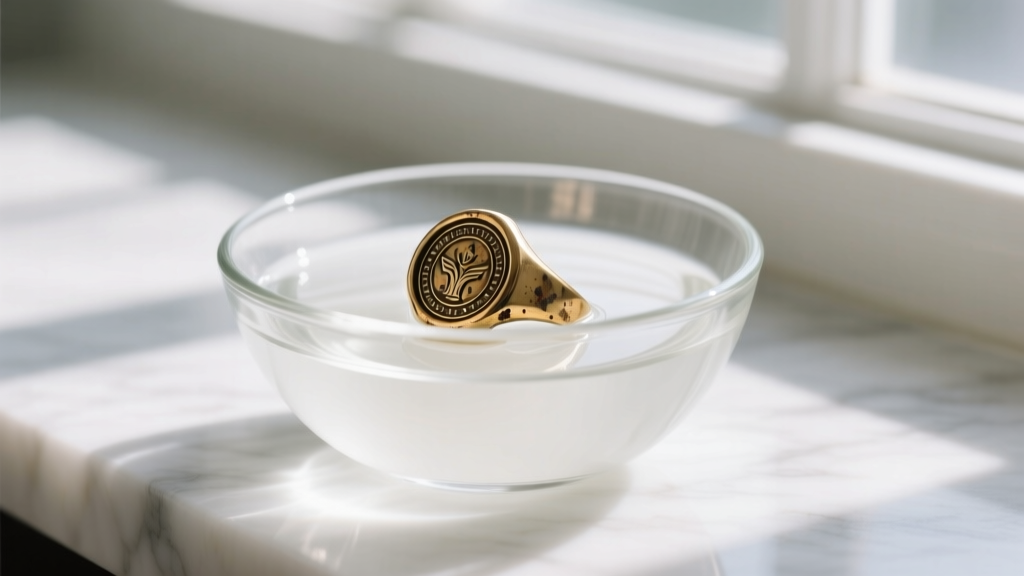
The intersection of sustainable living and the "heirloom revival" trend has completely transformed vanity table routines in 2026. As collectors and style enthusiasts pivot away from mass-produced fast fashion toward antique, vintage, and artisan-crafted metals, the demand for eco-friendly, non-toxic maintenance has surged. Enter the internet’s favorite DIY apothecary hack: white vinegar. But beneath the viral appeal of this pantry staple lies a complex chemical reality. Understanding exactly how to clean jewelry with vinegar requires more than just a quick soak; it demands a nuanced grasp of metallurgy, gemstone porosity, and the preservation of intentional design elements.
The "Apothecary Aesthetic" and the Eco-Cleaning Movement
In contemporary jewelry styling, the "lived-in" aesthetic is dominating. High-polish, flawless finishes are increasingly being swapped for textured brass, raw bronze, and oxidized silver pieces that tell a story. This maximalist vintage trend aligns perfectly with the broader cultural shift toward sustainability. Consumers are actively rejecting harsh, aerosolized commercial jewelry dips—which often contain toxic thiourea compounds—in favor of biodegradable, household alternatives.
Vinegar cleaning fits seamlessly into the modern "apothecary aesthetic," where glass dropper bottles, raw crystals, and natural solvents curate a mindful, intentional lifestyle. However, treating fine jewelry like a household faucet is a critical error. To leverage this trend without destroying valuable pieces, we must examine the science of acetic acid.
The Chemistry of Acetic Acid on Mixed Metals
Distilled white vinegar typically contains a 5% concentration of acetic acid (CH3COOH), giving it a pH of roughly 2.4. This mild acidity is highly effective at breaking down metal oxides, particularly the green verdigris found on copper and brass, or the black silver sulfide tarnish on sterling pieces.
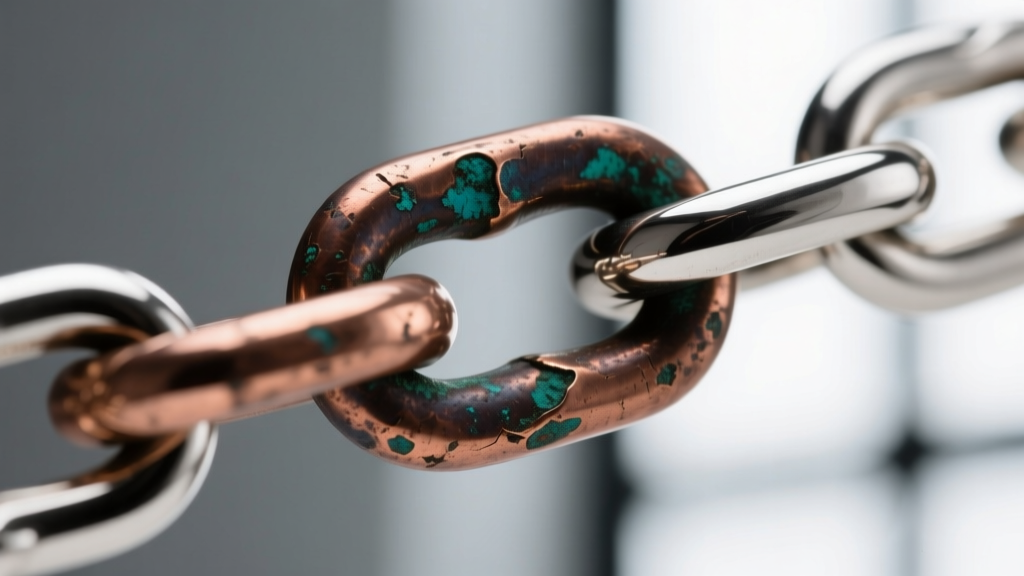
When acetic acid encounters copper oxide (tarnish), a chemical reaction occurs that converts the insoluble oxide into copper acetate, a water-soluble salt that easily rinses away. This makes vinegar an exceptional, low-cost solvent for heavy-duty vintage restoration. However, the reaction rate is highly dependent on the metal's alloy composition and the presence of catalytic agents like sodium chloride (table salt).
Expert Insight: Never use Apple Cider Vinegar (ACV) or balsamic vinegar for jewelry care. These alternatives contain residual sugars, malic acid, and organic particulates that can leave a sticky residue, attract debris, and cause unpredictable spotting on porous metals.
Step-by-Step: How to Clean Jewelry with Vinegar Safely
If you are dealing with heavily oxidized brass, bronze, or copper pieces devoid of delicate gemstones, the vinegar method is highly effective. Here is the precise protocol for safe restoration:
- Preparation: Pour 1/2 cup of distilled white vinegar into a glass or ceramic bowl. Avoid metal bowls, which can react with the acid and cause galvanic corrosion.
- The Catalyst (Optional): For stubborn brass or copper tarnish, dissolve 1 tablespoon of non-iodized salt into the vinegar. The chloride ions accelerate the oxide breakdown process significantly.
- The Soak: Submerge the metal jewelry completely. Do not exceed the recommended times listed in the compatibility table below.
- Agitation: Remove the piece and gently brush it with an extra-soft baby toothbrush to dislodge dissolved tarnish from crevices and filigree work.
- Neutralization: Rinse thoroughly under lukewarm distilled water, then immediately neutralize any residual acid by washing with a mild, pH-neutral dish soap (like Dawn).
- Drying: Pat dry with a microfiber cloth. Air-drying can lead to immediate water spots and flash-rusting on iron-containing alloys.
Vinegar Soak Times by Metal Type
| Metal Type | Vinegar Safe? | Max Soak Time | Stylistic Notes & Warnings |
|---|---|---|---|
| Solid Gold (14k-24k) | Yes | 15 Minutes | Unnecessary; gold does not tarnish. Mild soap is preferred to protect polished finishes. |
| Sterling Silver (925) | Caution | 3-5 Minutes | Will aggressively strip intentional oxidation and antique patinas. |
| Brass & Bronze | Yes | 15-20 Minutes | Excellent for removing heavy green verdigris from vintage estate pieces. |
| Copper | Yes | 10-15 Minutes | Restores bright, pinkish-orange luster; use salt catalyst for deep stains. |
| Platinum | Yes | 10 Minutes | Safe but largely ineffective; platinum requires professional polishing for scratches. |
Gemstone Casualties: What Vinegar Will Destroy
The most significant risk when exploring how to clean jewelry with vinegar is collateral damage to gemstones. The "quiet luxury" and "bohemian vintage" trends heavily feature organic and porous stones, which are catastrophically incompatible with acetic acid.
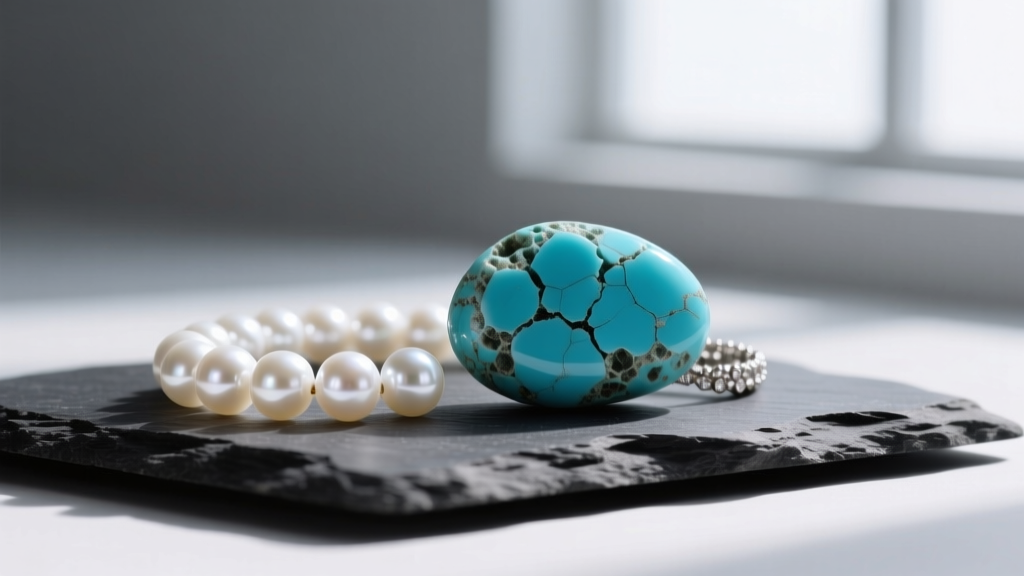
Pearls, for instance, are composed of calcium carbonate. When exposed to even a mild acid like vinegar, a destructive chemical reaction occurs that literally dissolves the pearl's nacre, leaving it pitted, dull, and permanently ruined. The Gemological Institute of America (GIA) explicitly warns against using any acidic or ultrasonic cleaners on organic gems.
Similarly, porous stones like turquoise, lapis lazuli, malachite, and opals act like microscopic sponges. They will absorb the acetic acid, leading to internal fracturing, color bleaching, and structural degradation. If your vintage piece features any of these stones, the vinegar hack must be entirely avoided. Instead, rely on a damp, lint-free cloth and gentle mechanical wiping.
The Patina Paradox: Stripping Intentional Oxidation
From a style analysis perspective, the vinegar trend fundamentally misunderstands the value of patina in contemporary and artisan jewelry. Many high-end designers and traditional silversmiths use liver of sulfur or other oxidizing agents to intentionally blacken the recesses of a piece. This high-contrast "oxidized" finish highlights intricate engravings, filigree, and sculptural textures.
Dropping an intentionally oxidized sterling silver ring into a vinegar bath will strip away the dark contrast, leaving the piece looking flat, cheap, and overly bright. As noted in the GIA's Silver Care Guidelines, preserving the darkened recesses is crucial for maintaining the artistic depth of the jewelry. If you wish to clean an oxidized piece, use a specialized polishing cloth that only contacts the raised, high-friction areas of the metal, leaving the darkened crevices untouched.
Verdict: Does the Vinegar Hack Align with Fine Jewelry Care?
Knowing how to clean jewelry with vinegar is a valuable skill, but it is highly situational. It is a triumph for sustainable, heavy-duty restoration of solid brass, bronze, and copper estate pieces that have been neglected for decades. It perfectly serves the eco-conscious collector looking to revive flea-market finds without resorting to toxic commercial dips.
However, as a daily maintenance routine for fine jewelry, it falls short. The risk to porous gemstones, organic materials, and intentional artisan patinas far outweighs the convenience. For your everyday 14k gold chains, platinum settings, and diamond solitaires, stick to the timeless standard: lukewarm water, a few drops of pH-neutral dish soap, and a soft brush. Reserve the vinegar for the raw, ungemmed vintage metals that thrive on a little chemical resurrection.


