How Do You Clean Old Costume Jewelry for Gifting?
Discover how do you clean old costume jewelry safely for gifting. Expert restoration tips for vintage rhinestones, Bakelite, and faux pearl occasion gifts.

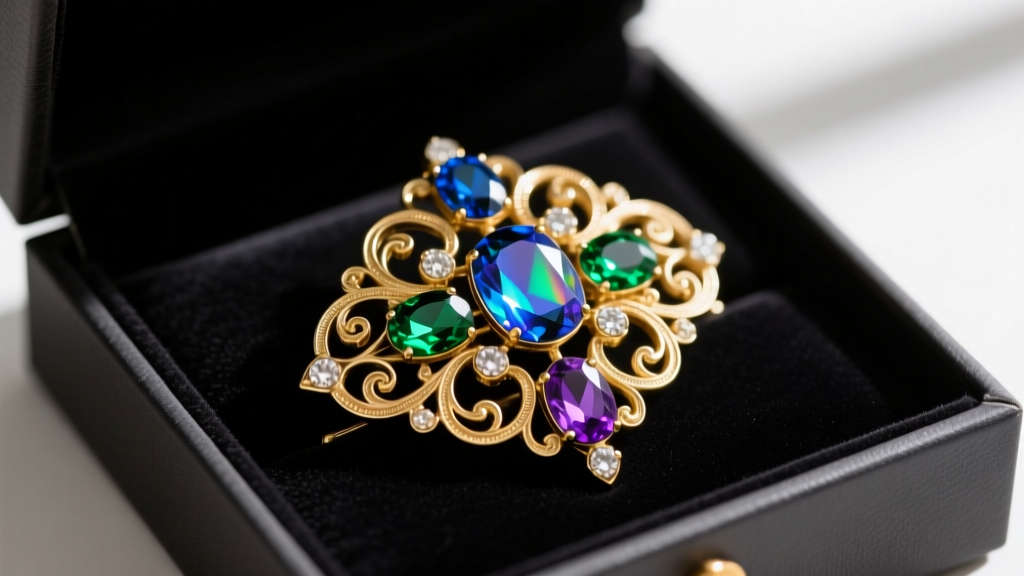
The Art of Gifting Restored Vintage Costume Jewelry
Gifting vintage costume jewelry is a deeply personal gesture. Whether you are passing down a 1950s Trifari brooch for a wedding, or presenting an Art Deco Bakelite bangle for an anniversary, these pieces carry historical weight and unique aesthetic charm. However, presenting a tarnished, clouded, or gritty piece is a major faux pas. When preparing a vintage piece for a loved one, the most common question we receive is: how do you clean old costume jewelry without stripping its fragile patina or ruining the foil backing?
Unlike fine jewelry, which can often withstand ultrasonic cleaners and harsh chemical dips, costume jewelry is a composite of delicate materials. Base metals, flash plating, glued-in glass stones, and early plastics require a highly specific, gentle touch. In this comprehensive gift-preparation guide, we break down the exact material science and restoration techniques required to prep vintage costume jewelry for its next big occasion.
Material Identification: The Crucial First Step
Before you apply any moisture or polish, you must identify the materials. The Victoria and Albert Museum's conservation guidelines emphasize that misidentifying a porous plastic as a sturdy glass can lead to irreversible melting or clouding. Here is how to identify and handle the big three categories of vintage costume materials.
Rhinestones and Foil-Backed Glass
Most mid-century rhinestones (including Aurora Borealis finishes) are backed with a microscopic layer of metallic foil to increase light refraction. This foil is usually glued to the back of the glass cabochon. If water or liquid cleaner seeps under the prongs, the foil will oxidize, turn black, and permanently ruin the stone's brilliance. Never soak foil-backed rhinestones.
Base Metals and Flash Plating
Pieces from the 1920s through the 1960s were often cast in brass, pewter, or pot metal, then plated with a microscopically thin layer of gold or rhodium (known as flash plating). Aggressive polishing with abrasive creams will strip this plating right down to the base metal, exposing it to rapid oxidation and skin allergies.
Organic Plastics: Bakelite and Lucite
Bakelite (popular in the 1930s) is a phenolic resin that naturally oxidizes over time, turning from bright apple red or butterscotch into a dark, muddy brown. Lucite (popular in the 1950s) is more stable but highly susceptible to scratching and chemical cracking. Bakelite requires specialized plastic polishing, while Lucite only needs mild surfactants.
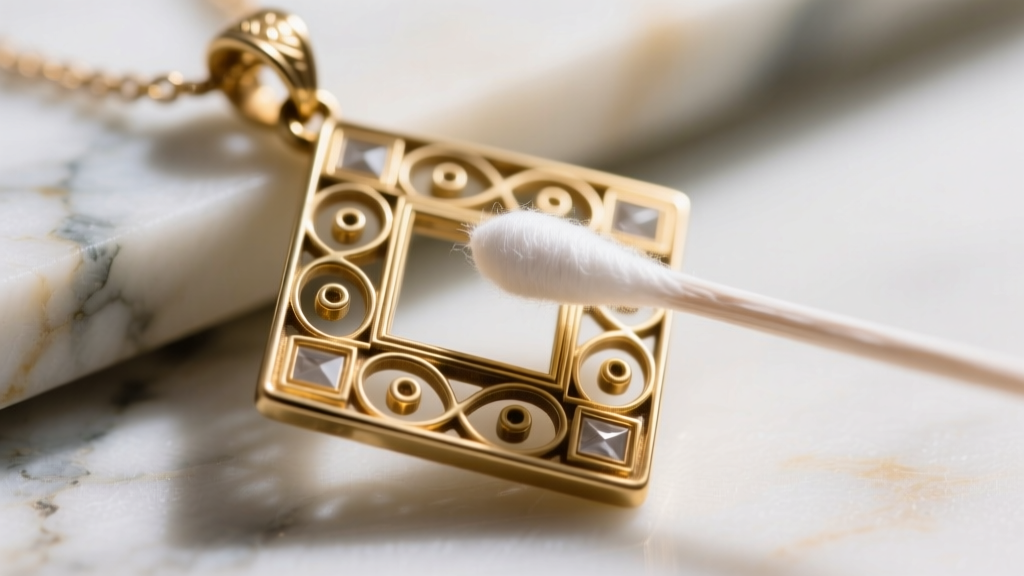
Step-by-Step: How Do You Clean Old Costume Jewelry?
Now that you have assessed the materials, it is time to execute the cleaning. The golden rule of vintage restoration is to start with the least invasive method and only escalate if necessary.
The Dry Brush & Spot Method (For Rhinestones)
For pieces heavily laden with glass stones and foil-backs, avoid liquid entirely. Use an extra-soft baby toothbrush to gently dislodge decades of trapped skin cells, lotion, and dust from the prongs and filigree. If the glass faces are cloudy, lightly mist a microfiber cloth with a 50/50 mix of distilled water and isopropyl alcohol, and gently wipe the top of the stones only. Never spray directly onto the piece.
The Mild Surfactant Wash (For Sturdy Base Metals)
If you are cleaning a solid brass or copper piece without glued-in stones, you can use a mild surfactant. Mix three drops of pH-neutral dish soap (like Dawn) into a bowl of distilled water. Distilled water is critical; tap water contains minerals that will leave hard water spots on base metals. Dip a soft cloth into the solution, wring it out until it is barely damp, and gently wipe the metal. Dry immediately with a lint-free towel to prevent flash rusting.
Clasp and Mechanism Revival
Old trombone clasps and C-clasps often become stiff due to impacted debris. Do not use WD-40 or standard oils, as they will attract more dirt and stain the recipient's clothing. Instead, use a wooden toothpick to gently pick out debris from the hinge, followed by a microscopic drop of synthetic watchmaker's oil applied with a needle tip. Work the clasp back and forth to distribute the lubricant.
Occasion Matching: Pairing the Restored Piece with the Event
Cleaning is only half the battle; matching the restored piece to the correct occasion elevates the gift from a simple object to a curated experience. Use this framework to align your cleaning focus with the gifting event.
| Occasion | Ideal Vintage Piece | Cleaning Focus & Protocol | Presentation Strategy |
|---|---|---|---|
| Wedding / Bridal | 1950s Rhinestone Choker or Clip Earrings | Dry-brush prongs; use glass cleaner on a Q-tip for stone faces only. Ensure no snagging on lace. | Present in a deep velvet ring box to protect the prongs and highlight the sparkle. |
| Milestone Anniversary | 1930s Bakelite Bangle or Carved Brooch | Polish with Simichrome or Novus Plastic Polish to remove oxidation and restore original butterscotch/red hues. | Wrap in unbleached linen or raw silk; avoid synthetic fabrics that can generate static. |
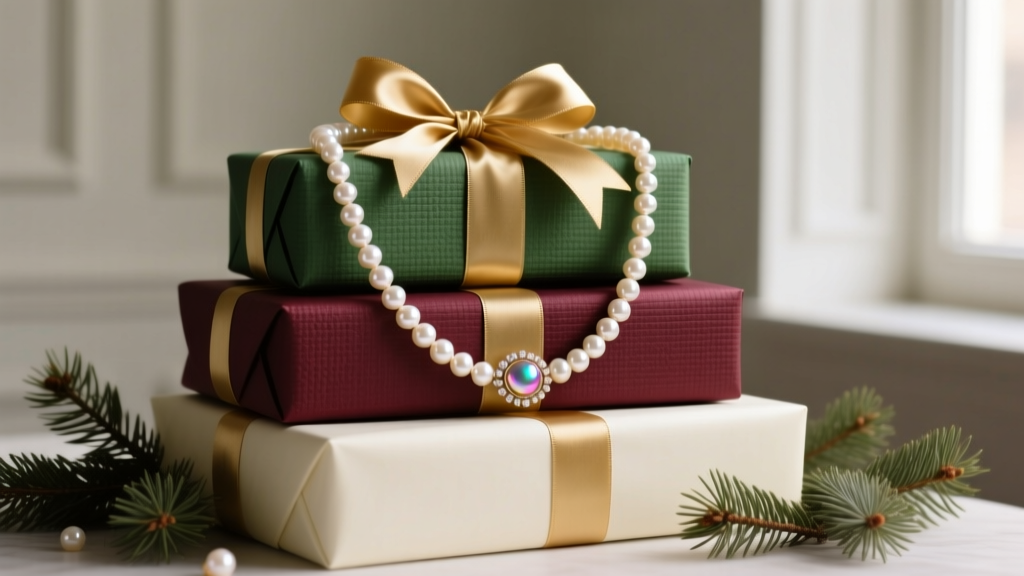
| Holiday / Heirloom Pass-down | Victorian Revival Glass Pearl Necklace | Wipe gently with a damp cloth. Never use chemicals that will strip the guanine (fish scale) coating. | Place in an antique shadowbox or a cedar-lined wooden jewelry box with a handwritten provenance note. |
Fatal Mistakes to Avoid in Vintage Care
When figuring out how do you clean old costume jewelry, knowing what not to do is just as important as knowing the correct methods. Avoid these common restoration killers:
- Ultrasonic Cleaners: The high-frequency vibrations will shatter glued-in rhinestones, shake the foil backing loose, and cause micro-fractures in early plastics like celluloid.
- Ammonia and Bleach: Ammonia will instantly dissolve the copper alloys found in vintage pot metal, causing the piece to become brittle and snap. Bleach will permanently pit and blacken silver plating.
- Toothpaste: Toothpaste contains silica, which ranks high on the Mohs hardness scale. While it might polish modern stainless steel, it will leave thousands of micro-scratches on soft Bakelite, Lucite, and gold flash plating, leaving a permanent cloudy haze.
- Hot Water: Heat softens the vintage adhesives (often hide glue or early epoxies) used to set stones. Soaking a piece in hot water will result in stones falling out the moment you pick it up.
Final Presentation for the Ultimate Gift
Once your piece is meticulously cleaned, proper storage prior to gifting is essential to maintain your hard work. The Gemological Institute of America (GIA) notes that organic and semi-organic materials need to breathe. Never seal freshly cleaned vintage jewelry in airtight plastic bags, as trapped humidity will accelerate tarnishing on base metals and degrade faux pearl coatings.
Instead, wrap the piece in acid-free tissue paper or unbleached cotton muslin. If the piece contains silver-plated elements, tuck a 3M anti-tarnish strip into the wrapping to absorb ambient sulfur compounds. Finally, include a small, beautifully printed care card detailing the specific material (e.g., "1940s Foil-Backed Rhinestone & Brass") and a gentle reminder to keep it away from perfumes, lotions, and moisture. By mastering the delicate art of vintage restoration, you aren't just giving a piece of jewelry; you are gifting a meticulously preserved slice of history, ready to shine at its next grand occasion.


