How to Choose and Use a Jewelry Cleaner for Costume Jewelry Safely
Learn how to safely clean fashion pieces. Our step-by-step guide reveals the best jewelry cleaner for costume jewelry without damaging plating.

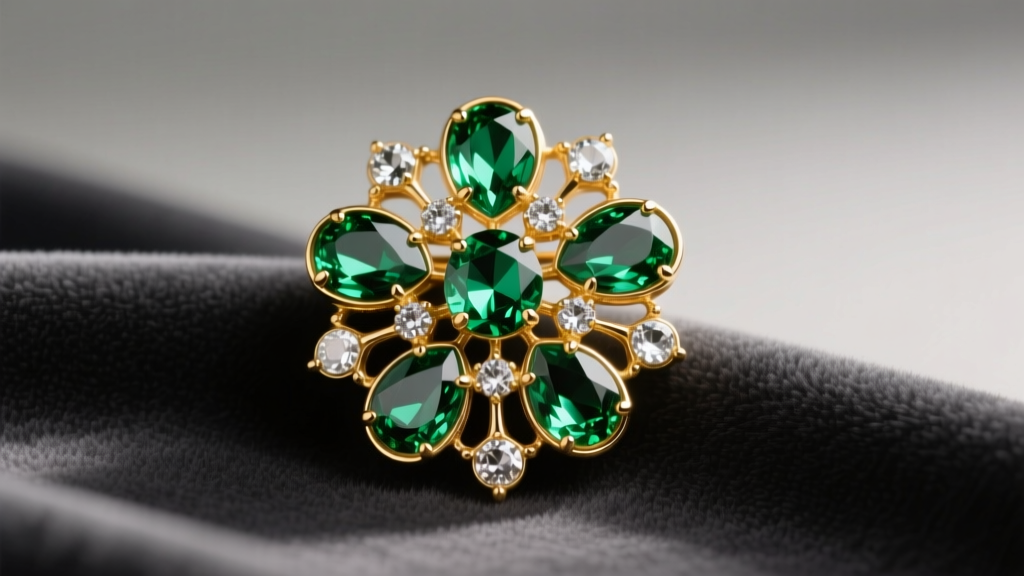
Costume jewelry—often crafted from base metals like brass, copper, or pot metal and finished with thin layers of gold or silver plating—requires a vastly different approach to maintenance than fine jewelry. Using the wrong jewelry cleaner for costume jewelry can strip delicate electroplating, cloud glass rhinestones, or dissolve the adhesives holding your favorite pieces together. In this comprehensive guide, we break down the exact chemistry of fashion jewelry and provide a meticulous, step-by-step framework for cleaning it safely in 2026 and beyond.
The Hidden Chemistry of Fashion Jewelry
To understand why standard commercial dips and ultrasonic machines are destructive, you must first understand how costume jewelry is constructed. According to conservation guidelines from institutions like The Metropolitan Museum of Art, 20th-century and contemporary fashion pieces rely on three vulnerable components:
- Pot Metal Bases: Alloys of zinc, lead, tin, and antimony that are highly porous and prone to rapid oxidation when exposed to moisture.
- Electroplating: A microscopic layer of gold or silver (often less than 0.5 microns thick) that can be easily worn away by abrasive pastes or harsh acids.
- Foil-Backed Stones & Adhesives: Rhinestones are frequently backed with metallic foil to enhance sparkle and glued into place using cyanoacrylate or epoxy resins, which break down in alcohol or ammonia.
Identifying Your Plating and Base Materials
Before applying any jewelry cleaner for costume jewelry, you must identify the underlying materials. Not all fashion jewelry is created equal, and the manufacturing era often dictates the base metal used.
The Magnet Test for Base Metals
Hold a strong neodymium magnet near the clasp or the thickest part of the metal band. If the piece is magnetic, it likely contains a steel or iron core, which is highly susceptible to rust if water is left in the crevices. If it is non-magnetic but unusually heavy, it is likely a zinc or lead alloy (pot metal), which requires immediate and thorough drying to prevent white, powdery oxidation spots.
Vermeil vs. Gold Plated vs. Gold Filled
Understanding the terminology on your vintage tags is crucial:
- Gold Plated (HGE/GE): A microscopic layer of gold over brass or copper. Requires the gentlest touch; never use polishing cloths infused with rouge, as they will strip the gold entirely.
- Gold Vermeil: A thicker layer of gold (at least 2.5 microns) over a sterling silver base. Safer to clean, but still vulnerable to ammonia.
- Gold Filled (GF): A mechanical bond of gold to a base metal, comprising at least 5% of the total weight. Highly durable and can withstand slightly more vigorous brushing.
Chemical Compatibility Chart: What to Avoid
When searching for a safe cleaning solution, you must actively avoid the harsh chemicals found in standard fine jewelry dips. Below is a quick-reference compatibility chart for common cleaning agents.
| Cleaning Agent | Effect on Plating | Effect on Glue/Stones | Verdict |
|---|---|---|---|
| Ammonia-based Dips | Strips lacquer, clouds acrylics | Dissolves cyanoacrylate | Avoid Completely |
| Baking Soda Paste | Micro-scratches soft gold plating | Traps grit under stone settings | Avoid Completely |
| Ultrasonic (40kHz) | Can cause plating to flake | Shatters glass, shakes stones loose | Avoid Completely |
| pH-Neutral Dish Soap | Safe, lifts oils gently | Will not compromise epoxy | Highly Recommended |
| Distilled Water | Prevents mineral spotting | Safe if dried immediately | Highly Recommended |
Step-by-Step: The 10-Minute DIY Cleaning Method
The safest, most effective jewelry cleaner for costume jewelry is a solution you likely already have in your kitchen. This method is endorsed by experts at Jewelers of America for delicate, plated items.
Step 1: Prepare the Solution
Mix two drops of a mild, pH-neutral, lotion-free dish soap (such as Dawn Free & Clear) into one cup of lukewarm distilled water. The water should be between 85°F and 95°F. Water that is too hot will cause thermal shock to glass stones and soften the adhesive holding them in place.
Step 2: The Targeted Agitation
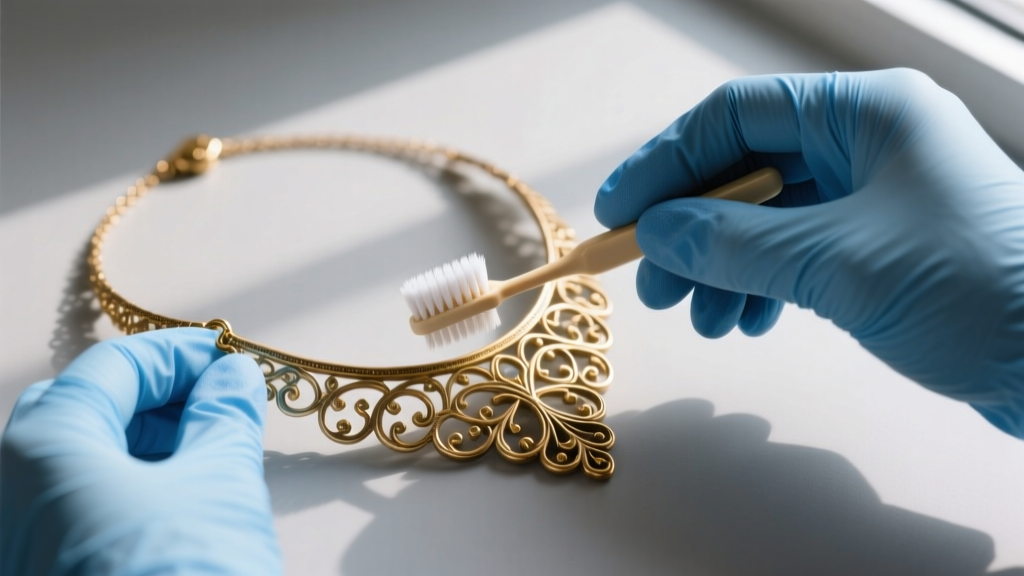
Do not submerge the piece. Submerging allows water to seep into the tiny holes drilled into foil-backed rhinestones, turning the foil black and ruining the stone's brilliance. Instead, dip a soft-bristled baby toothbrush or a cotton swab into the soapy solution, shake off the excess, and gently brush the metal settings and the surface of the stones.
Step 3: The Rinse and Rapid Dry
Wipe the piece with a cotton pad dampened with plain distilled water to remove soap residue. Immediately dry the jewelry using a lint-free microfiber cloth. For intricate filigree or deep settings, use a can of compressed air (held at least six inches away) to blow moisture out of the crevices before it can trigger base-metal oxidation.
Handling Specific Gemstone Simulants
Costume jewelry relies on a variety of simulated stones, each with unique vulnerabilities that dictate how you clean them.
Acrylic and Lucite Resins
Popular in mid-century and contemporary statement pieces, acrylics are essentially hard plastics. They are highly porous and will absorb colored liquids, oils, and even the dyes from your clothing. Clean these strictly with a dry or barely damp microfiber cloth. Never use alcohol-based cleaners, which will cause the acrylic to craze (develop a network of fine, irreversible cracks).
Enamel and Cloisonné
Enamel is essentially glass fused to metal, while cloisonné involves enamel separated by thin metal wires. Both are susceptible to thermal shock. If you use water that is too cold or too hot, the enamel can crack or pop out of its setting entirely. Stick strictly to room-temperature distilled water when wiping down enameled surfaces.
Advanced Troubleshooting: Tarnish and Loose Stones
Even with careful maintenance, costume jewelry faces unique wear-and-tear issues. Here is how to handle them without resorting to destructive commercial polishes.
Removing Base Metal Tarnish Safely
If the gold or silver plating has worn away, exposing the brass or copper base, you may notice green or black tarnish. While silver polish is too abrasive, you can use a mild acid reaction. Apply a tiny dot of tomato paste (which contains mild citric and acetic acids) to a cotton swab, rub it strictly on the exposed base metal, and wipe it away within 30 seconds. Neutralize immediately with a damp cloth and dry thoroughly.
Re-securing Foil-Backed Rhinestones
If a stone becomes loose during cleaning, never use standard super glue, which emits fumes that will permanently cloud the glass and foil. Instead, use a two-part clear epoxy or a specialized jewelry adhesive like E6000. Apply a microscopic drop using a toothpick, seat the stone, and let it cure on a flat surface for 24 hours.
The 2026 Storage and Maintenance Framework
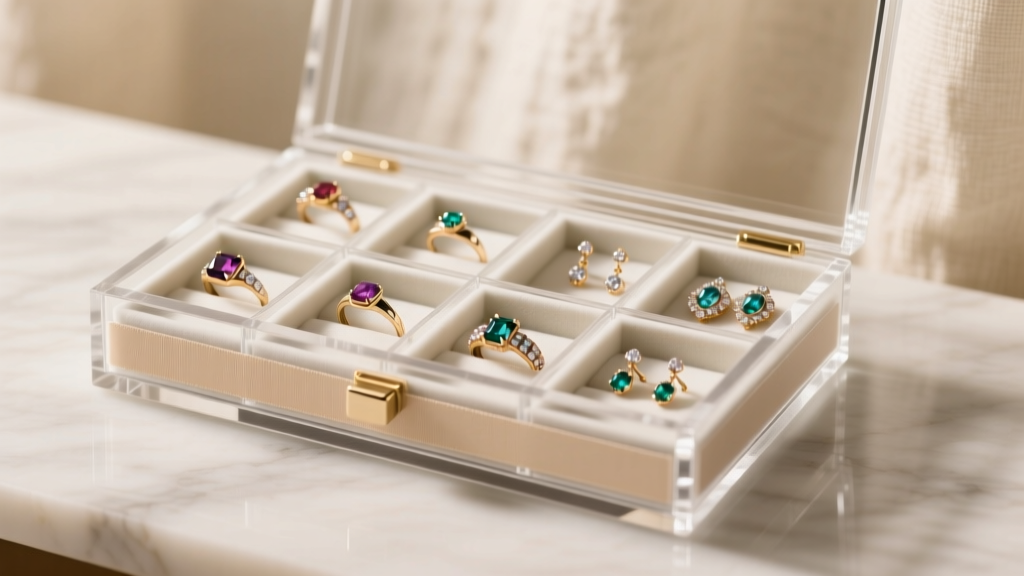
Cleaning is only half the battle; proper storage dictates how often you need to clean your pieces. Base metals react to humidity and sulfur in the air. Implement this storage framework to extend the time between cleanings:
- Individual Polybags: Store each piece in its own small, resealable polyethylene bag. Squeeze out all excess air before sealing to limit oxygen exposure.
- Anti-Tarnish Strips: Place a 3M anti-tarnish strip inside your main jewelry box or storage drawer. These strips absorb airborne sulfides and need to be replaced only every 6 to 12 months.
- Silica Gel Packets: Toss a few silica gel packets into your storage bins to control ambient humidity, which is the primary catalyst for pot-metal degradation.
- The "Last On, First Off" Rule: Always put your costume jewelry on after applying perfumes, hairsprays, and lotions, and take it off before showering or washing dishes.
Final Thoughts
Finding the right jewelry cleaner for costume jewelry is less about buying an expensive commercial product and more about understanding the delicate materials you are working with. By abandoning harsh chemicals, ultrasonic vibrations, and abrasive pastes in favor of gentle, targeted cleaning methods, you can preserve the plating, protect the foil-backed stones, and keep your vintage and contemporary fashion pieces sparkling for decades to come.


