The Tarnish Jewelry Trend: Cleaning Oxidized Silver
Discover how to care for the 2026 tarnish jewelry trend. Learn expert cleaning methods to maintain intentional oxidation and darkened silver patinas.

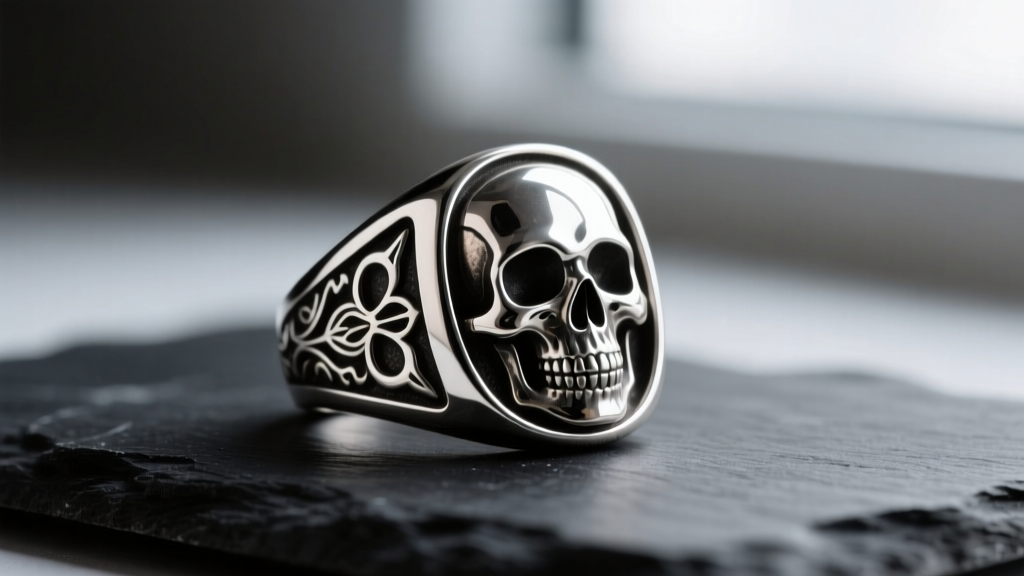
The Aesthetic Shift: Embracing the Tarnish Jewelry Trend
For decades, the golden rule of silver maintenance was simple: banish tarnish at all costs. However, the 2026 style landscape has completely flipped this narrative. "Tarnish jewelry"—specifically pieces featuring intentional oxidation, blackened silver, and antique patinas—has moved from niche gothic subcultures to mainstream luxury runways. Heritage brands and emerging artisanal casters have popularized the raw, textured look, making the care of these pieces a unique challenge for collectors and stylists.
When you own tarnish jewelry, your goal is no longer to strip the silver sulfide (Ag2S) from the metal. Instead, your objective is to preserve the darkened recesses while gently removing sebum, environmental grime, and lotion buildup from the raised, polished high-points. Standard cleaning advice will ruin these pieces, so a specialized approach is required.
The Chemistry of Oxidation: What is Intentional Patina?
To clean tarnish jewelry properly, you must understand what you are actually cleaning. Natural tarnish occurs when sterling silver (.925) reacts with sulfur compounds in the air, creating a patchy, yellowish-brown layer of silver sulfide. Intentional oxidation, however, is forced in a controlled environment by bench jewelers.
According to metalworking resources like the Ganoksin Project, the industry standard for blackening silver is Liver of Sulfur (LOS)—a mixture of potassium sulfide, potassium thiosulfate, and potassium polysulfide. When heated and applied to silver, LOS creates a uniform, deep gunmetal or matte black finish that settles into the filigree, engravings, and pores of the metal. The jeweler then uses a brass brush or polishing wheel to bring the high-points back to a bright shine, creating the high-contrast aesthetic that defines the tarnish jewelry trend.
The Golden Rule: Never Use Bulk Tarnish Removers
The most catastrophic failure mode in caring for oxidized silver is treating it like standard sterling silver. If you use conventional tarnish-removal methods, you will strip the factory patina in seconds, leaving the piece looking flat, unnaturally white, and stripped of its depth.
Methods to Avoid at All Costs
- The Aluminum Foil & Baking Soda Bath: This popular DIY hack creates an electrolytic reaction that converts silver sulfide back into pure silver. It will pull the intentional black oxidation right out of the crevices.
- Ultrasonic Cleaners: The acoustic cavitation process (micro-bubbles collapsing) generates enough localized force to physically blast the darkened finish out of the metal's pores and engravings.
- Liquid Silver Dips (e.g., Tarn-X): These chemical baths rely on thiourea and hydrochloric acid to dissolve tarnish. They will instantly strip your piece's intentional patina and can leave the silver with a harsh, bleached appearance.
Safe Cleaning Protocols for Tarnish Jewelry
To maintain the high-contrast beauty of oxidized silver, you must rely on mechanical friction and mild surfactants rather than chemical reduction. Here is the professional protocol for maintaining tarnish jewelry.
Step 1: The Gentle Surfactant Wash
Mix a few drops of mild, phosphate-free dish soap (like Dawn) into a bowl of lukewarm water. Submerge the jewelry for no more than two minutes to loosen sebum and lotion. Using an extra-soft baby toothbrush, gently agitate the surface. Do not scrub aggressively into the deep crevices; instead, lightly sweep across the surface to lift dirt without abrading the darkened finish. Rinse thoroughly under a gentle stream of lukewarm water and pat dry with a lint-free microfiber cloth.
Step 2: Targeted High-Point Polishing
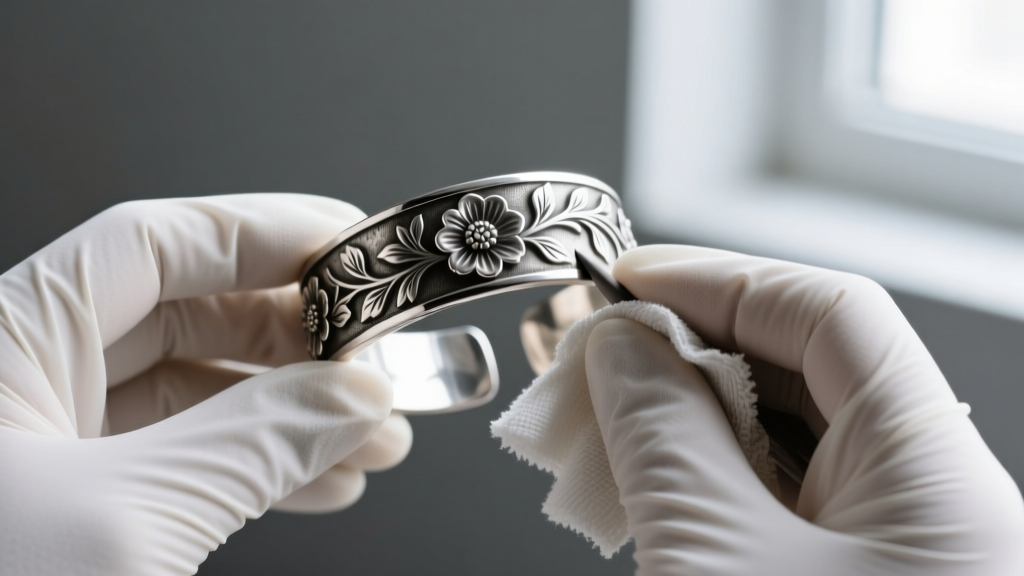
Once the piece is dry, use a treated polishing cloth, such as a Sunshine Polishing Cloth. These cloths are embedded with micro-abrasives and a mild silver polish. Gently rub only the raised, polished areas of the jewelry. The cloth will naturally skip over the deep, oxidized recesses, enhancing the contrast between the bright silver and the black patina.
Cleaning Compatibility Matrix for Oxidized Silver
| Cleaning Method | Mechanism of Action | Effect on Intentional Patina | Verdict |
|---|---|---|---|
| Aluminum Foil & Baking Soda | Electrolytic reduction | Strips entirely | NEVER USE |
| Ultrasonic Cleaners | Acoustic cavitation | Blasts out of crevices | AVOID |
| Liquid Silver Dips (Thiourea) | Chemical dissolution | Dissolves instantly | NEVER USE |
| Mild Dish Soap & Baby Brush | Surfactant emulsification | Safe for recesses | RECOMMENDED |
| Treated Polishing Cloths | Micro-abrasive friction | Polishes high-points only | RECOMMENDED |
Re-Oxidation: Restoring the Factory Tarnish
Wear and friction are inevitable. Over time, the high-contact areas of your tarnish jewelry—such as the inner shank of a ring, the clasp of a chain, or the edges of a daily-wear cuff—will naturally rub back to bright silver. When the contrast is lost, you can restore the factory finish at home or through a bench jeweler.
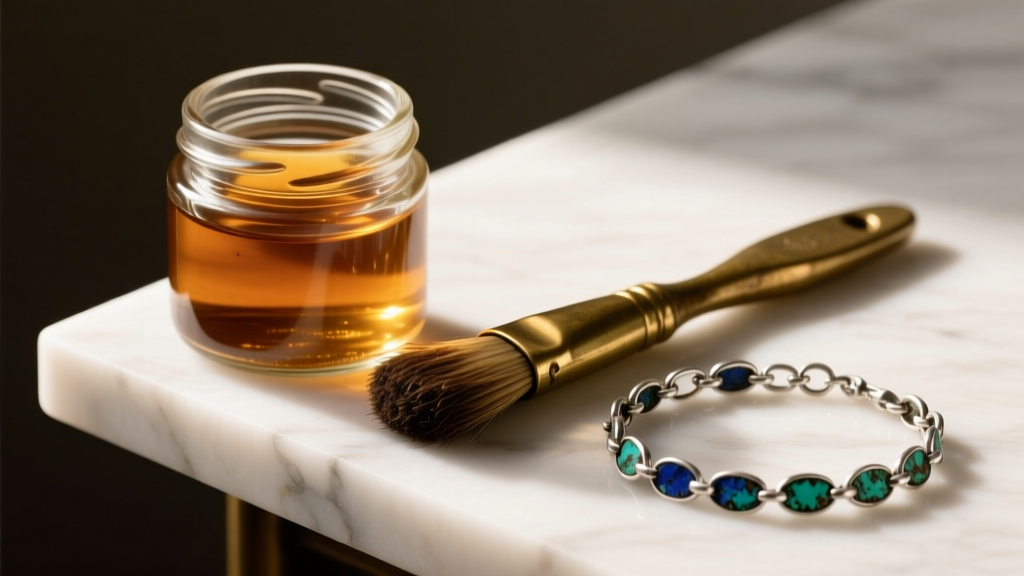
For DIY restoration, purchase a small jar of Liver of Sulfur gel. Ensure your silver piece is impeccably clean and free of oils. Dissolve a pea-sized amount of LOS in a cup of warm water. Using a plastic or wooden tool (never stainless steel, which can contaminate the bath), submerge the silver. Watch it closely; it will turn yellow, then brown, then a deep blue-black. Once the desired darkness is reached, quench the piece in cold water to stop the chemical reaction. Finally, use a baking soda paste or a fine brass wire brush to gently burnish the high-points, revealing the bright silver beneath the newly applied black patina.
Gemstone Considerations in Tarnish Jewelry
The tarnish jewelry trend frequently incorporates rustic or cabochon gemstones like turquoise, lapis lazuli, malachite, and opals. According to the Gemological Institute of America (GIA), these porous stones are highly susceptible to damage from both the chemicals used in oxidation and the friction of polishing cloths.
Expert Warning: Never submerge oxidized silver set with porous gemstones in any liquid bath, and never apply Liver of Sulfur to a finished piece containing turquoise or pearls. The chemicals will permanently stain or degrade the stone's matrix.
When cleaning these hybrid pieces, use a damp cotton swab dipped in mild soapy water to carefully clean the metal around the bezel, avoiding the stone entirely. Polish the silver high-points with a folded corner of your treated cloth, exercising extreme precision to avoid dragging the micro-abrasives across the softer gemstone surface.
Final Thoughts on the Patina Aesthetic
The rise of tarnish jewelry represents a broader cultural shift toward authenticity, heritage, and the beauty of imperfection in 2026. By abandoning harsh chemical dips and embracing targeted, mechanical cleaning methods, you ensure that your oxidized silver pieces retain their moody, high-contrast artistry for decades to come. For more specialized care guides, consult the Jewelers of America resources on alternative metal finishes.


