How to Clean Silver Jewelry: Metal Alloy & Plating Guide
Discover how to clean silver jewelry based on its alloy grade. Compare fine, sterling, and Argentium silver care to prevent tarnish and damage.

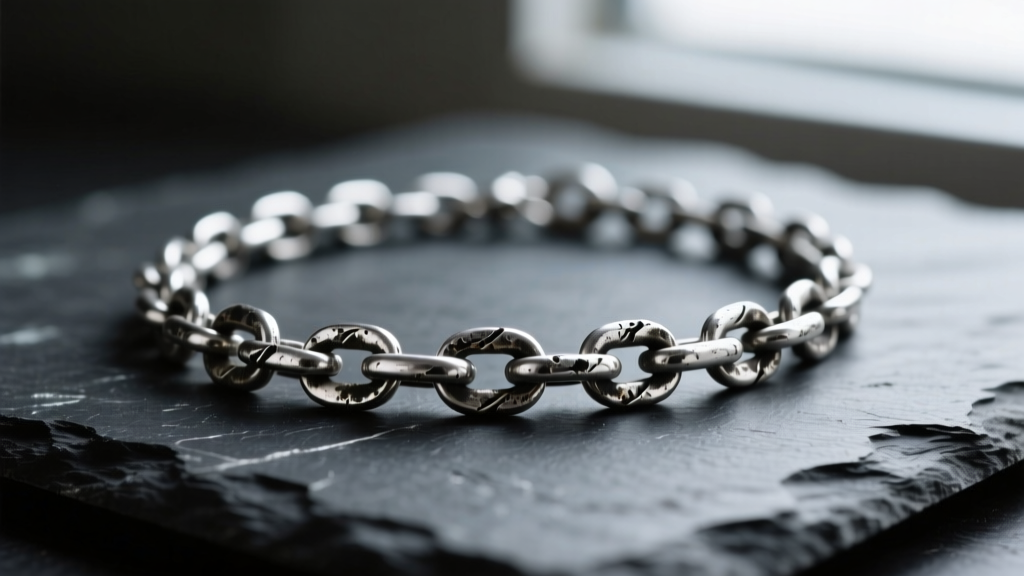
When researching how to clean silver jewelry, most guides offer a one-size-fits-all approach that can inadvertently destroy specialized finishes or delicate platings. As a metal, silver is highly reactive, and its cleaning protocols must be dictated by its specific metallurgical composition. Understanding the difference between fine silver, standard sterling, modern Argentium alloys, and rhodium-plated pieces is the cornerstone of professional jewelry maintenance.
The Metallurgy of Tarnish: Why Silver Reacts
Contrary to popular belief, silver does not tarnish from exposure to oxygen. The dark, dull layer that forms on silver jewelry is silver sulfide (Ag2S). This chemical reaction occurs when silver is exposed to trace amounts of hydrogen sulfide (H2S) in the atmosphere, which is emitted by industrial processes, decaying organic matter, and even certain foods like eggs and onions. The rate at which this silver sulfide layer builds up depends entirely on the alloying metals mixed with the pure silver.
Comparing Silver Alloys: Fine, Sterling, and Argentium
To properly care for your pieces, you must first identify the alloy grade. Pure silver is too soft for most functional jewelry, so it is alloyed with other metals to increase its Vickers Hardness (HV) and durability. However, these alloying metals drastically alter the metal's chemical stability.
| Alloy Type | Composition | Hardness (HV) | Tarnish Resistance | Primary Cleaning Method |
|---|---|---|---|---|
| Fine Silver (999) | 99.9% Ag | ~25 HV | Very High | Mild soap & water; gentle wipe |
| Sterling Silver (925) | 92.5% Ag, 7.5% Cu | ~65 HV | Low (Copper reacts) | Electrochemical reduction; polishing cloths |
| Argentium Silver (935/960) | Ag, Cu, Germanium | Up to 130 HV | Extremely High | Mild soap; avoid harsh abrasives |
| Rhodium-Plated Silver | 925 base + Rhodium flash | Base ~65 HV | High (until plating wears) | Liquid soap only; NO abrasives |
Standard sterling silver uses copper as its alloying agent. Copper is highly reactive and is the primary culprit behind rapid tarnishing and the dark 'firescale' that can form during manufacturing. The Gemological Institute of America (GIA) notes that because of this copper content, sterling requires regular maintenance. Conversely, modern Argentium silver replaces a portion of the copper with germanium. When exposed to air, the germanium forms a transparent, protective oxide layer that dramatically slows the formation of silver sulfide.
Chemical vs. Mechanical Cleaning Methods
Jewelry cleaning methods generally fall into two categories: chemical reduction and mechanical abrasion. Understanding the difference is vital for preserving the surface integrity of your jewelry.
Chemical Reduction (The Aluminum Foil Method)
The popular DIY method involving baking soda, boiling water, and aluminum foil is an electrochemical redox reaction. The aluminum acts as a sacrificial anode. Because aluminum is more reactive than silver, it pulls the sulfur atoms away from the silver sulfide, converting it back into pure silver and releasing hydrogen sulfide gas (which smells like rotten eggs). This method is highly effective for standard sterling silver chains and heavily tarnished items without gemstones, as it removes tarnish without stripping away any of the base silver metal.
Chemical Dips (Thiourea-Based)
Commercial liquid dip cleaners often rely on thiourea, a strong chemical that dissolves silver sulfide instantly. While fast, metallurgical suppliers like Rio Grande warn that these dips leave the silver surface microscopically rough and highly porous. This rough surface area actually accelerates future tarnishing, creating a vicious cycle of dependency on the chemical dip.
Mechanical Abrasion (Polishing Cloths)
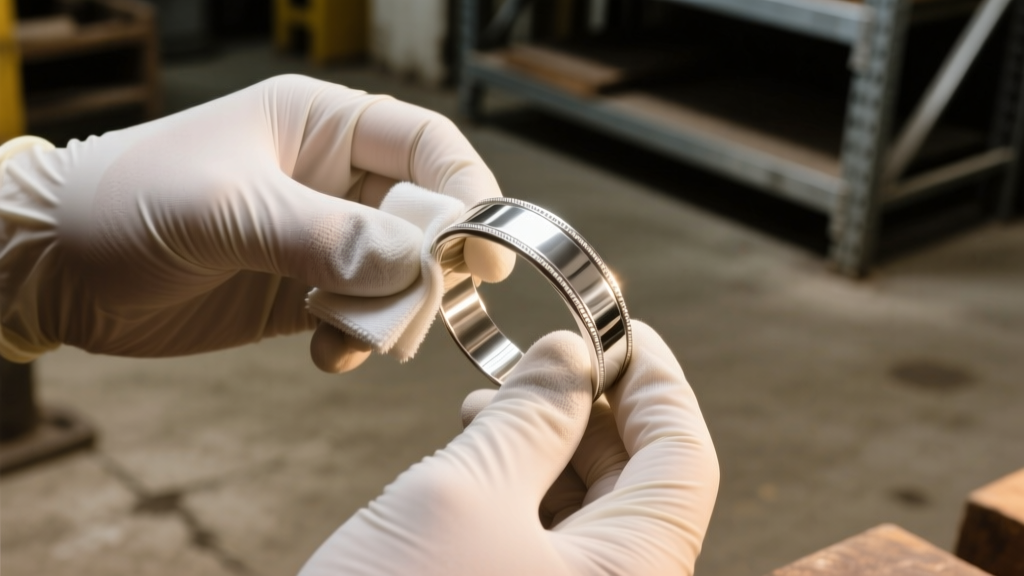
Treated polishing cloths (such as Sunshine cloths) are impregnated with micro-abrasives like iron oxide or aluminum oxide. These physically scrape the silver sulfide layer off the metal. While excellent for achieving a high mirror polish on bare sterling, these abrasives will instantly destroy specialized finishes and platings.
Grade-Specific Cleaning Protocols
Protocol 1: Standard Sterling (925) and Fine Silver (999)
For routine maintenance of bare sterling or fine silver, use a phosphate-free liquid dish soap and warm water. Use a soft-bristled baby toothbrush to gently agitate the crevices. For heavy tarnish on bare sterling chains, utilize the aluminum foil and baking soda electrochemical method. Rinse thoroughly in distilled water to prevent hard water spots and dry immediately with a lint-free microfiber cloth.
Protocol 2: Intentionally Oxidized (Antiqued) Silver
Oxidized silver has been deliberately exposed to liver of sulfur (potassium polysulfide) to create a dark, moody patina that highlights textural details. Never use the aluminum foil/baking soda method or chemical dips on oxidized silver. These processes will strip the intentional patina, leaving the piece looking flat and unevenly bleached. Clean oxidized silver only with a damp cloth and mild soap, carefully avoiding the recessed, darkened areas. Never use a treated polishing cloth on the high-relief areas unless you intend to remove the antiquing.
Protocol 3: Rhodium-Plated Silver
Rhodium is a platinum-group metal applied via electroplating to give silver a bright, white, tarnish-proof finish. This plating is incredibly thin—typically between 0.5 and 1.5 microns. If you use an abrasive polishing cloth or a harsh chemical dip, you will strip the rhodium layer down to the yellowish sterling silver base in seconds. Clean rhodium-plated silver exclusively with warm water, mild liquid soap, and your bare hands. Pat dry; never rub aggressively.
Destructive Agents: What to Keep Away from Silver
Silver is highly susceptible to irreversible chemical damage from common household substances. According to Jewelers of America, avoiding these agents is more important than any polishing routine:
- Chlorine (Bleach): Chlorine reacts with silver to form silver chloride (AgCl). Unlike surface tarnish, silver chloride causes deep, irreversible pitting and structural weakening of the metal matrix.
- Bromine: Often found in hot tubs and swimming pools, bromine causes rapid, severe discoloration and surface degradation similar to chlorine.
- Rubber and Latex: Many rubber bands, latex gloves, and elastic materials contain sulfur compounds that will cause localized, aggressive black spotting on silver upon contact.
- Ammonia: While sometimes used in jewelry cleaners, ammonia can degrade the copper matrix in sterling silver over time and will severely damage porous gemstones (like turquoise or opals) often set in silver jewelry.
When to Seek Professional Bench Services
At-home cleaning is sufficient for surface dirt and mild tarnish. However, deep scratches, heavy firescale, and worn rhodium plating require professional bench jeweler services. Professionals utilize magnetic tumblers with stainless steel shot to burnish intricate filigree without removing metal mass, and high-speed polishing motors with specialized rouge compounds to restore mirror finishes. If your rhodium-plated silver has begun to show a yellowish tint on the high-wear areas, no amount of cleaning will restore it; it must be sent to a professional for electrochemical re-plating.


