How Do I Make Jewelry Cleaner? 2026 Trend & Recipe Analysis
Discover how do I make jewelry cleaner at home with our 2026 trend analysis. We test viral DIY recipes against professional standards for safe care.

The 2026 Shift: Why DIY Jewelry Care is Dominating Aesthetics
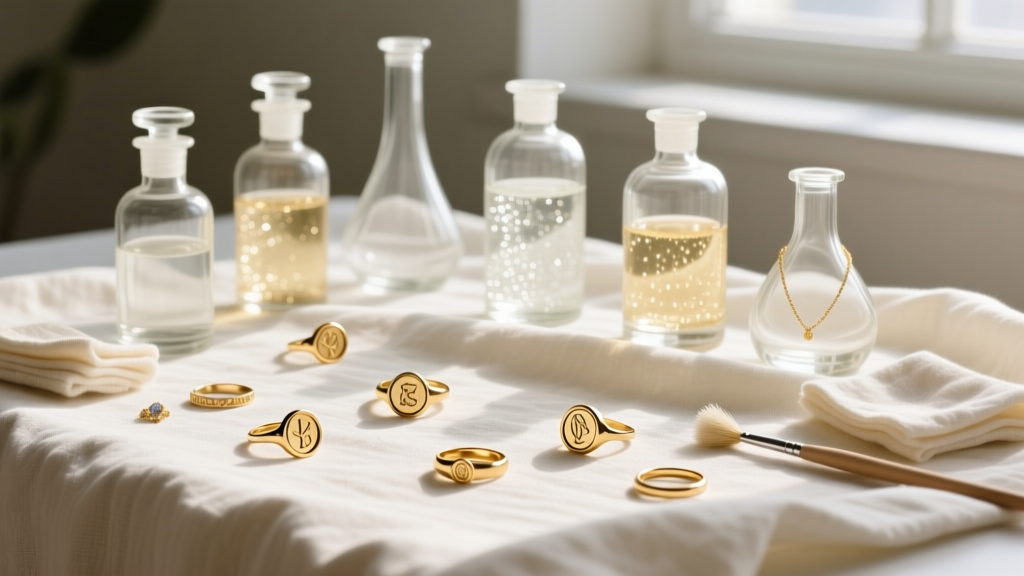
The modern jewelry collector's vanity has undergone a radical transformation in 2026. Driven by the "eco-conscious luxury" movement and a widespread rejection of harsh, aerosolized commercial chemicals, enthusiasts are returning to bespoke, small-batch home care. If you have ever found yourself searching how do i make jewelry cleaner that aligns with both your minimalist aesthetic and your ethical standards, you are part of a massive cultural shift. Today’s collectors view jewelry maintenance not as a chore, but as a mindful ritual.
Commercial dips often rely on aggressive thiourea compounds to strip tarnish, which can micro-pit sterling silver and degrade the rhodium plating on white gold over time. The 2026 trend favors slow, intentional cleaning methods that respect the metallurgical integrity of the piece while utilizing sustainable, biodegradable ingredients. However, the intersection of viral internet hacks and actual gemological science is fraught with peril. Understanding the chemistry behind your DIY solutions is the difference between restoring a family heirloom and destroying a porous gemstone.
The Chemistry of Clean: What Actually Works?
To safely formulate your own solutions, you must understand the Mohs hardness scale and the pH sensitivity of various alloys and gemstones. Gold and platinum are relatively inert, but the copper and silver alloys mixed into 14k and 18k gold are highly reactive to acids. Similarly, organic gems like pearls, coral, and amber are composed of calcium carbonate, which dissolves rapidly in acidic environments.
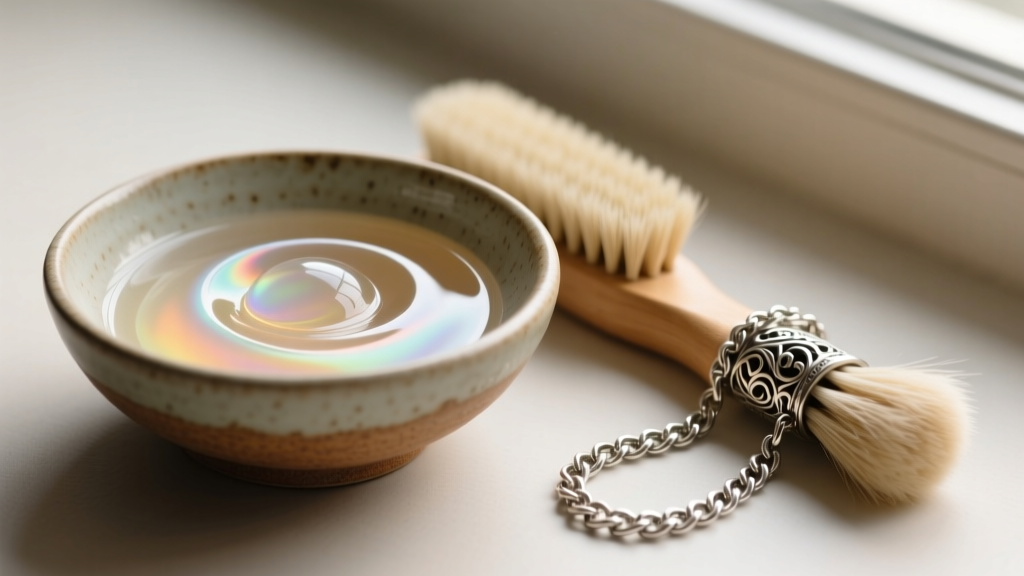
When formulating a DIY cleaner, surfactants are your safest ally. Surfactants lower the surface tension of water, allowing it to penetrate the microscopic crevices behind a diamond's pavilion to lift sebum and cosmetic buildup without chemical abrasion.
| Ingredient | pH Level | Best For | Danger Zone (Avoid) |
|---|---|---|---|
| Castile Soap (Diluted) | ~8.5 (Mild Alkaline) | Diamonds, Gold, Platinum, Sapphires | Opals, Emeralds (can strip oils) |
| Baking Soda (Paste) | 9.0 (Alkaline) | Solid Silver (with extreme caution) | Gold (scratches), Porous Stones |
| Lemon Juice / Vinegar | 2.0 - 3.0 (Acidic) | Copper, Brass (Non-gemstone) | Pearls, Turquoise, Malachite |
| Isopropyl Alcohol (90%+) | Neutral | Diamonds, Rubies (Degreasing) | Fracture-filled stones, Opals |
How Do I Make Jewelry Cleaner? The 3 Approved 2026 Recipes
Moving past generic advice, here are three highly specific, scientifically sound recipes tailored to different material categories. These formulations prioritize efficacy while maintaining the aesthetic appeal of a high-end vanity ritual.
Recipe 1: The Minimalist Surfactant Soak (Gold & Platinum)
This is your daily-driver solution for diamond solitaires, gold signet rings, and platinum wedding bands. It mimics the ultrasonic cleaning fluid used by professional jewelers, minus the high-frequency vibrations that can loosen pavé settings.
- Base: 1 cup distilled water (tap water contains minerals that leave micro-deposits).
- Surfactant: 4 drops of unscented, dye-free liquid Castile soap.
- Degreaser: 1 teaspoon of 91% isopropyl alcohol (cuts through hand creams and sebum).
Method: Combine in a glass apothecary jar. Soak pieces for 15 minutes. Agitate gently with a soft-bristled horsehair brush (never use nylon, which can harbor static and attract dust, or hard bristles that can scratch high-polish gold). Rinse with distilled water and dry with a lint-free microfiber cloth.
Recipe 2: The Ionic Silver Bath (Tarnish Removal)
Forget abrasive silver polishes that remove microscopic layers of precious metal. This 2026 staple uses an electrochemical reaction to convert silver sulfide (tarnish) back into elemental silver without removing any metal mass.
- Vessel: A glass or ceramic bowl lined with aluminum foil (shiny side up).
- Catalyst: 1 tablespoon of sodium bicarbonate (baking soda) and 1 tablespoon of non-iodized sea salt.
- Activator: 2 cups of near-boiling distilled water.
Method: Place the tarnished sterling silver in direct physical contact with the aluminum foil. Pour the hot water over the baking soda and salt. The ion transfer will cause the water to smell like sulfur (rotten eggs) as the tarnish literally jumps from the silver to the aluminum. Remove after 3 minutes, rinse thoroughly, and buff. Note: Never use this on oxidized (intentionally blackened) silver or pieces set with glue, as the heat will compromise the adhesive.
Recipe 3: The Gentle Enzyme Lift (Porous Gemstones)
Organic and porous gems require a radically different approach. According to the GIA Pearl Care Guide, harsh chemicals will strip the nacre's orient and luster. For turquoise, lapis lazuli, and pearls, we use a neutral, enzyme-based approach.
- Base: 1 cup lukewarm distilled water (never hot).
- Active Agent: 1/2 teaspoon of mild, baby-safe enzyme detergent (designed to break down proteins without high alkalinity).
Method: Do not soak porous stones, as they can absorb the liquid and alter their internal matrix or cause the backing to separate. Instead, dip a cotton swab or a tightly woven microfiber cloth into the solution and gently wipe the surface of the stone. Dry immediately. For pearl strands, avoid getting the silk thread wet, as moisture will stretch the silk and lead to premature degradation.
The "Do Not Try" List: Debunking Dangerous 2026 TikTok Hacks
As DIY care trends surge, so does the proliferation of destructive "hacks" on social media. As a domain expert, I must strongly advise against the following viral trends that are currently ruining thousands of dollars worth of jewelry every month.
The Toothpaste Myth: Toothpaste contains hydrated silica and calcium carbonate abrasives. On the Mohs scale, these abrasives sit around a 3 to 4. Since pure gold is a 2.5 and 14k gold is roughly a 3.5, scrubbing gold with toothpaste acts like sandpaper, creating a matte, scratched finish that requires professional re-polishing to fix.
- Boiling Water for Diamonds: While diamonds can withstand high heat, the thermal shock of dropping a cold ring into boiling water can fracture the stone if it has internal inclusions or tension settings. Furthermore, it will instantly melt the wax or resin used in many multi-stone settings.
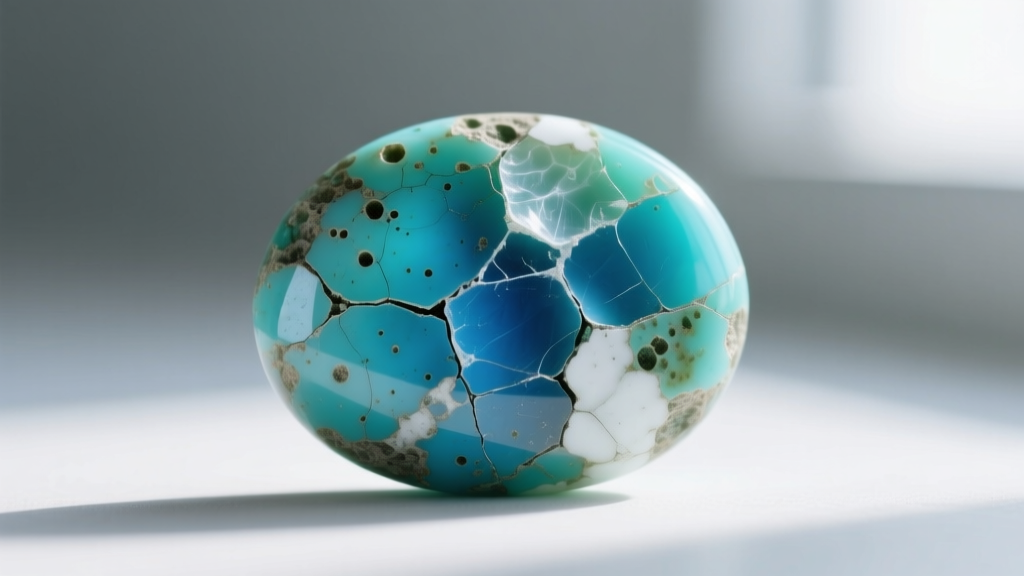
- Lemon Juice for "Brightening": As noted in the GIA Opal Care Guidelines, acidic environments will eat away at the calcium carbonate in pearls and the copper matrix in turquoise, leaving them permanently pitted, dull, and discolored.
- Hand Sanitizer Soaks: While alcohol is safe for diamonds, the glycerin and aloe additives in modern hand sanitizers will leave a cloudy, sticky film on your gems that is incredibly difficult to remove without a professional ultrasonic bath.
Curating Your Cleaning Station: Aesthetic Meets Function
The 2026 approach to jewelry care is as much about the visual experience as it is about the chemical result. Discard the plastic commercial tubs and curate a dedicated cleaning station that complements your interior design.
Invest in amber glass apothecary bottles to store your surfactant solutions; amber glass protects the integrity of essential oils if you choose to add a drop of lavender or rosemary for a sensory experience. Pair this with a solid brass or marble valet tray to hold your horsehair brushes and microfiber cloths. By elevating the tools and the process, the act of asking "how do i make jewelry cleaner" transforms from a mundane maintenance task into a weekly ritual of mindfulness and self-care, ensuring your collection remains as vibrant as the day you acquired it.
Final Thoughts on Sustainable Care
Ultimately, the best jewelry cleaner is the one that respects the specific metallurgical and gemological profile of your pieces. By leveraging basic chemistry—understanding the difference between surfactants, electrochemical reactions, and abrasives—you can maintain a pristine collection without relying on toxic commercial dips. Embrace the slow-care movement, protect your investments, and let your jewelry's natural brilliance speak for itself.


