Does Coach Jewelry Tarnish? A Value and Care Guide
Discover if Coach jewelry tarnishes and if it's worth the price. We analyze materials, cleaning costs, and long-term value for smart buyers.

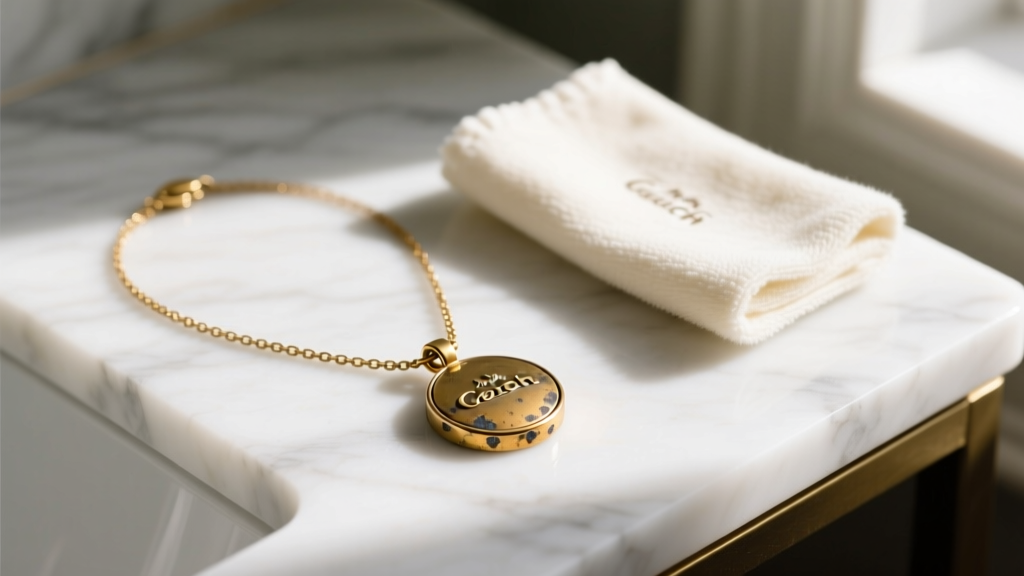
When investing in accessible luxury, one of the most common questions shoppers ask is: does Coach jewelry tarnish? The short answer is yes. Like most designer fashion jewelry, Coach pieces are subject to tarnishing, fading, and base-metal exposure over time. But from a budget and value assessment perspective, the real question isn't just whether it tarnishes—it's whether the cost of maintenance, cleaning, and eventual replacement justifies the initial price tag.
In this comprehensive guide, we break down the exact metallurgy of Coach jewelry, the science behind its tarnish, the true cost of ownership, and the specific cleaning protocols required to maximize its lifespan. If you are weighing a $150 Coach pendant against a solid gold alternative, this value assessment will help you make a financially sound decision.
The Material Reality: What Coach Jewelry is Actually Made Of
To understand why and how these pieces degrade, we must look past the brand prestige and examine the raw materials. The vast majority of Coach's jewelry line—including their iconic Signature C enamel pieces, chain necklaces, and charm bracelets—are not crafted from solid precious metals.
- Base Metals: Most pieces utilize a brass or zinc-alloy core. Brass is an alloy of copper and zinc, chosen for its durability, weight, and low cost.
- Plating: The gold or silver appearance is achieved through electroplating or Physical Vapor Deposition (PVD). The gold-tone finish is typically a very thin layer (often less than 0.5 microns) of gold alloy or titanium nitride over the brass base.
- Accents: Many designs feature epoxy enamel, cubic zirconia (CZ), or mother-of-pearl inlays, which are set into the plated metal.
According to the Federal Trade Commission (FTC) Jewelry Guides, items with a gold layer thinner than 0.175 microns cannot legally be marketed as "gold plated" and are instead classified as "gold flashed" or "gold washed." While Coach maintains high manufacturing standards, the fundamental reality of fashion jewelry is that the plating is a surface treatment, not a solid structural element.
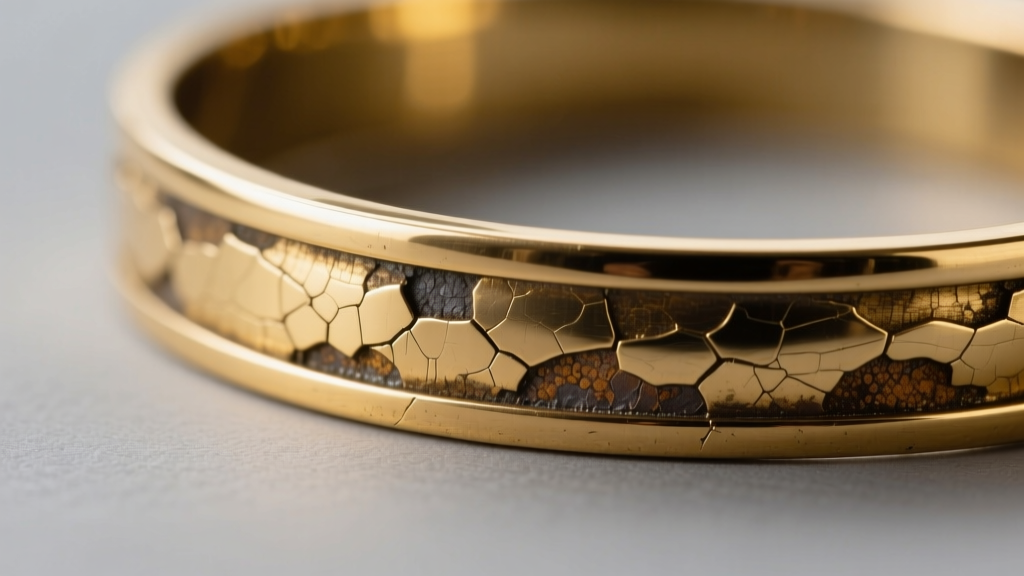
Does Coach Jewelry Tarnish? The Science of Plated Wear
Tarnish on plated jewelry occurs through two primary failure modes: surface oxidation and galvanic corrosion.
1. Surface Oxidation and Chemical Reactions
The thin gold-tone or silver-tone layers are porous at a microscopic level. When exposed to sulfur compounds in the air, chlorine in tap water, or the acidic pH of human sweat, the underlying copper and zinc ions migrate to the surface. This results in the dark, greenish-black smudging commonly seen on the back of pendants and the interior of bangles.
2. Friction and Plating Delamination
Unlike solid gold, which wears down evenly over decades, plated jewelry fails through delamination. Friction from clothing, typing on a keyboard, or applying lotions physically wears away the microscopic plating layer. Once the brass core is exposed to oxygen and moisture, it tarnishes rapidly and cannot be polished back to a gold color without professional replating.
"Base metals like copper and brass are highly reactive. When the protective plated barrier is compromised by friction or chemical exposure, oxidation is inevitable and often irreversible without professional intervention." — Gemological Institute of America (GIA)
Budget vs. Longevity: The True Cost of Ownership
When conducting a value assessment, we must look beyond the retail price and calculate the Total Cost of Ownership (TCO). Let's compare a standard Coach fashion piece with a similarly priced solid-gold alternative over a 5-year period of weekly wear.
| Metric | Coach Gold-Tone Pendant (~$125) | Solid 10k/14k Gold Alternative (~$150) |
|---|---|---|
| Initial Retail Price | $125.00 | $150.00 |
| Expected Lifespan (Weekly Wear) | 1.5 to 2.5 years | Lifetime (50+ years) |
| Routine Cleaning Cost | $0 (DIY mild soap) | $0 (DIY mild soap) |
| Restoration / Replating Cost | $65 - $120 (per service) | $0 (Can be polished indefinitely) |
| 5-Year Total Cost | $190 - $245 (Assuming 1 replating) | $150.00 |
| Resale / Scrap Value | $0 - $15 | $60 - $90 (Melt value) |
The Value Verdict: Coach jewelry carries a significant "brand tax." You are paying for the logo, the packaging, and the design aesthetic, not the intrinsic material value. From a strict budget perspective, plated fashion jewelry is a consumable good, much like a high-end handbag that will eventually show wear. If your goal is long-term financial value or heirloom longevity, Coach jewelry falls short. However, if you value trend-driven design and brand recognition over material permanence, the cost may be justified.
Step-by-Step Cleaning Protocol for Plated Fashion Jewelry
Because the plating on Coach jewelry is exceptionally thin, aggressive cleaning methods will strip the finish entirely. You must avoid ultrasonic cleaners, steam cleaners, baking soda pastes, and commercial silver dips. Here is the safest, most effective cleaning protocol to remove oils and slow down tarnish.
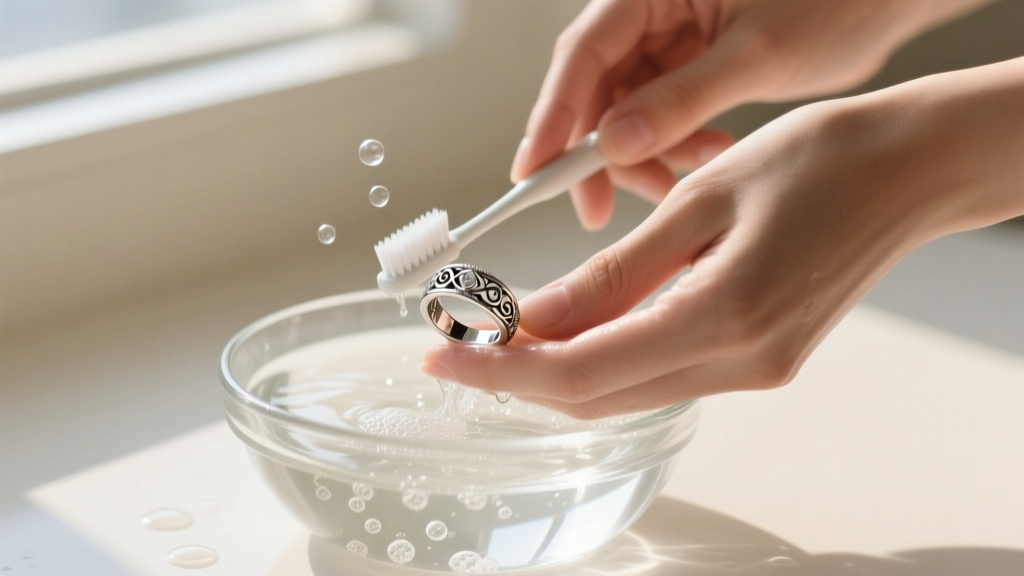
What You Will Need:
- Lukewarm distilled water (tap water contains chlorine and minerals that accelerate tarnish)
- pH-neutral liquid dish soap (e.g., original blue Dawn)
- Ultra-soft baby toothbrush or a dedicated makeup blending brush
- Lint-free microfiber cloth
The Cleaning Process:
- Prepare the Bath: Mix three drops of pH-neutral dish soap into a small glass bowl of lukewarm distilled water. Avoid hot water, as extreme temperature shifts can cause epoxy enamel or CZ settings to crack or loosen.
- Soak Briefly: Submerge the jewelry for no more than 3 to 5 minutes. Prolonged soaking can seep into the microscopic pores of the plating and reach the brass core.
- Gentle Agitation: Using the baby toothbrush, gently sweep across the surface. Do not scrub. Focus on the crevices around the enamel and stone settings where dead skin cells and lotion accumulate.
- Rinse and Dry: Rinse briefly under a gentle stream of distilled water. Immediately pat dry with the microfiber cloth. Never let plated jewelry air dry, as water spots will permanently etch into the soft gold-tone finish.
Storage and Prevention: Maximizing Your Investment
Since preventing tarnish is vastly cheaper than trying to reverse it, proper storage is non-negotiable for fashion jewelry.
- Anti-Tarnish Strips: Store your Coach pieces in their original pouches, but add a 3M anti-tarnish strip. These strips absorb airborne sulfur compounds before they can react with the metal.
- Silica Gel Packets: Moisture is the catalyst for galvanic corrosion. Keep a small silica gel packet in your jewelry box to maintain a dry micro-climate.
- The "Last On, First Off" Rule: Always apply perfumes, hairsprays, and lotions before putting on your jewelry. The alcohol and essential oils in cosmetics will rapidly dissolve thin PVD and electroplated coatings.
Final Thoughts: Is Coach Jewelry Worth the Budget?
So, does Coach jewelry tarnish? Yes, inevitably. The brass and zinc cores will eventually oxidize as the microscopic plating wears away from friction and environmental exposure.
From a budget and value assessment standpoint, purchasing Coach jewelry should be viewed as an expenditure on fashion and brand identity, not a financial investment in precious metals. If you have a strict budget and want a piece of jewelry that will survive decades of daily wear without requiring expensive replating, you are better served by directing that $125–$250 budget toward a solid 10k or 14k gold piece from a direct-to-consumer jeweler. However, if you are buying for the love of the specific Coach design, the seasonal aesthetic, or the gifting experience, simply adhere to the gentle cleaning protocols outlined above to ensure your piece stays beautiful for as long as its plating allows.


