Does Jewelry Cleaner Expire? Shelf Life & Efficacy Guide
Does jewelry cleaner expire? Discover the shelf life of commercial dips, ultrasonic solutions, and polishes, plus signs of chemical degradation.

The Chemistry of Jewelry Cleaners: Why Expiration Matters
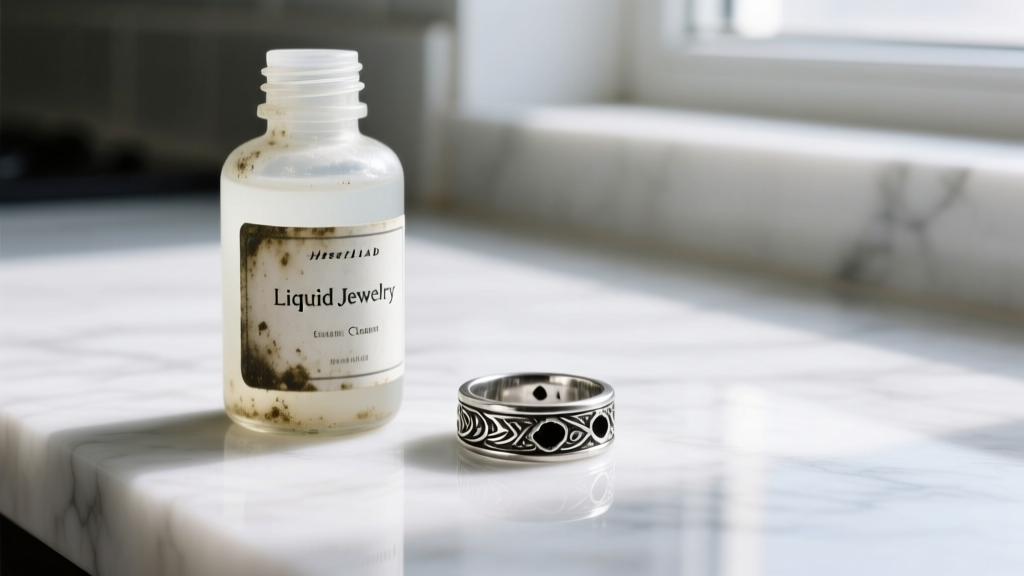
When organizing your vanity or jewelry box, you might stumble upon a half-empty bottle of commercial jewelry cleaning solution and ask yourself: does jewelry cleaner expire? The short answer is yes. Unlike inert substances, commercial jewelry cleaners are complex chemical formulations relying on volatile solvents, active surfactants, and mild acids to break down sebum, cosmetic residue, and metallic oxidation. Over time, these chemical bonds degrade, evaporate, or oxidize, fundamentally altering the solution's pH and cleaning efficacy.
Understanding the shelf life of your cleaning agents is not just about achieving a better shine; it is a critical component of gemstone and metal preservation. Using a degraded chemical solution can lead to disastrous results, ranging from stripped rhodium plating on white gold to severe etching on porous organic gems. According to the Gemological Institute of America (GIA), improper chemical exposure is one of the leading causes of preventable damage to treated gemstones, and expired solutions often behave unpredictably compared to their fresh counterparts.
Shelf Life Breakdown by Cleaner Type
Different cleaning methods utilize entirely different chemical mechanisms. A solution designed for ultrasonic cavitation will degrade differently than a rapid silver dip. Below is a detailed breakdown of average shelf lives and primary degradation modes for the most common jewelry cleaning categories.
| Cleaner Type | Active Ingredients | Average Shelf Life | Primary Degradation Mode |
|---|---|---|---|
| Ammonia-Based Liquid | Ammonium hydroxide, Surfactants | 12-18 Months | Ammonia off-gassing through plastic |
| Silver Dip Solutions | Thiourea, Sulfuric acid | 6-12 Months | Oxidation, Acid depletion, Precipitation |
| Ultrasonic Solutions | Alkaline Surfactants, Chelators | 18-24 Months | Surfactant hydrolysis, pH drift |
| Polishing Cloths | Jeweler's Rouge, Micro-abrasives | Indefinite (until dry) | Binding oils evaporating, abrasive loss |
| DIY Dish Soap Mixes | Sodium lauryl sulfate, Water | 1-2 Weeks | Bacterial growth, Surfactant breakdown |
4 Telltale Signs Your Jewelry Cleaner Has Expired
Most commercial jewelry cleaners do not feature a printed expiration date, leaving consumers to rely on sensory cues and performance metrics to determine if a product is still safe to use. Here are the definitive signs that your cleaner has crossed past its viable shelf life.
1. Visual Separation and Sediment
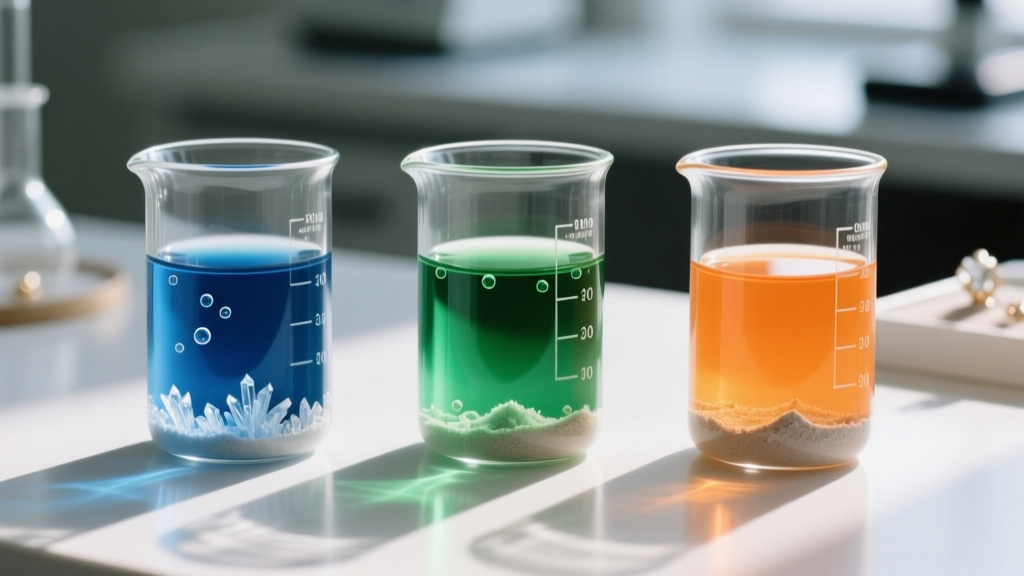
Fresh liquid cleaners are typically homogenous emulsions. If you notice distinct layering, floating particulates, or a thick sediment at the bottom of the bottle, the emulsion has broken down. In silver dips, a dark brown or black color shift indicates that the thiourea has fully oxidized and bonded with the sulfur it was meant to remove from your silver. At this stage, the solution is entirely inert and will only deposit grime back onto your jewelry.
2. Olfactory Changes
Ammonia-based cleaners (commonly used for diamonds and platinum) rely on the sharp, pungent odor of ammonium hydroxide to cut through grease. If you open the bottle and the scent is faint, entirely absent, or smells sour, the ammonia has off-gassed. Plastic bottles, even high-density polyethylene (HDPE), are slightly permeable to ammonia gas over long periods. Without the ammonia, the remaining solution is just soapy water that will leave a streaky film on your stones.
3. Performance Failures and Residue
An expired cleaner will fail to reduce surface tension effectively. If your ultrasonic cleaner requires twice as long to remove lotion buildup, or if your liquid dip leaves a chalky white residue on your gold prongs after rinsing, the surfactants have undergone hydrolysis. This residue can become trapped under pavé settings, eventually causing localized corrosion on the metal alloys.
4. Container Degradation
Harsh chemicals like sulfuric acid (found in heavy-duty silver dips) can slowly degrade the interior lining of their plastic containers over several years. If the plastic bottle feels unusually soft, warped, or brittle, the chemical composition inside has likely shifted and may leach microplastics or degraded polymers onto your jewelry.
The Risks of Using Degraded Cleaning Solutions
Using expired jewelry cleaner is not merely ineffective; it can be actively destructive. The most severe risks involve pH drift and the failure of chemical buffers.
Damage to Porous and Treated Gemstones
Gemstones like turquoise, opal, and malachite are highly porous and sensitive to acidic environments. Fresh silver dips are carefully buffered to strip tarnish from sterling silver without immediately destroying adjacent stones, provided the exposure is brief. However, as the solution expires, the buffering agents deplete, and the acid concentration can become localized and aggressive. Submerging a turquoise-accented silver ring in an expired dip can result in irreversible color bleaching and surface pitting within seconds.
Similarly, emeralds are almost universally treated with cedar oil or synthetic resins to mask natural fissures. Expired ammonia solutions can become overly concentrated as the water content evaporates, stripping these vital oils and leaving the emerald looking cloudy, fractured, and dull.
Ultrasonic Cavitation Inefficiency
Ultrasonic cleaners operate at frequencies typically between 35 kHz and 45 kHz, creating microscopic vacuum bubbles that implode to blast away dirt. This process relies heavily on the cleaning fluid's ability to lower water's surface tension. When ultrasonic solutions expire, the surface tension remains high, resulting in larger, less frequent, and more violent cavitation bubbles. Instead of gently cleaning a setting, these violent implosions can cause micro-pitting on soft metals like 24k gold and physically shake loose the adhesives used in tension or cluster settings.
Proper Storage to Maximize Shelf Life
To ensure your jewelry cleaning investments reach their maximum shelf life, proper storage is essential. Environmental factors accelerate chemical degradation far faster than time alone.
- Temperature Control: Store cleaners in a climate-controlled interior room. Unheated garages or freezing basements will cause emulsions to separate and freeze-thaw cycles to permanently destroy surfactant structures.
- UV Protection: Keep bottles out of direct sunlight. UV radiation catalyzes the breakdown of hydrogen peroxide-based cleaners and degrades the plastic containers holding volatile solvents.
- Seal Integrity: Always wipe the threads of the bottle before replacing the cap. Crystallized cleaner on the threads prevents an airtight seal, accelerating the evaporation of ammonia and water.
Safe Disposal and Fresh Alternatives
When you determine that your jewelry cleaner has expired, proper disposal is critical. You should never pour silver dip or heavy-duty ultrasonic fluids down a standard residential drain. Silver dips contain thiourea, a compound classified as a suspected carcinogen, alongside heavy metal sulfides stripped from your jewelry. The Environmental Protection Agency (EPA) recommends treating these specific expired cleaners as household hazardous waste (HHW). Take them to your local municipal hazardous waste drop-off facility to prevent groundwater contamination.
Ammonia-based cleaners that have simply lost their potency due to evaporation can generally be flushed down the toilet with copious amounts of water, but always check your local municipal guidelines first. For those seeking alternatives that do not carry expiration risks, consider switching to mechanical cleaning methods. High-quality microfiber polishing cloths, gentle steam cleaners (using only distilled water), and soft-bristled baby toothbrushes paired with freshly mixed, mild dish soap offer excellent, chemical-free maintenance that guarantees zero risk of chemical degradation damaging your precious metals and gemstones.


