The Economics of Cleaning Fake Jewelry: Restore vs. Replace
Discover the true cost of cleaning fake jewelry. Learn which fashion pieces are worth restoring, which to replace, and expert methods to save your faux gems.

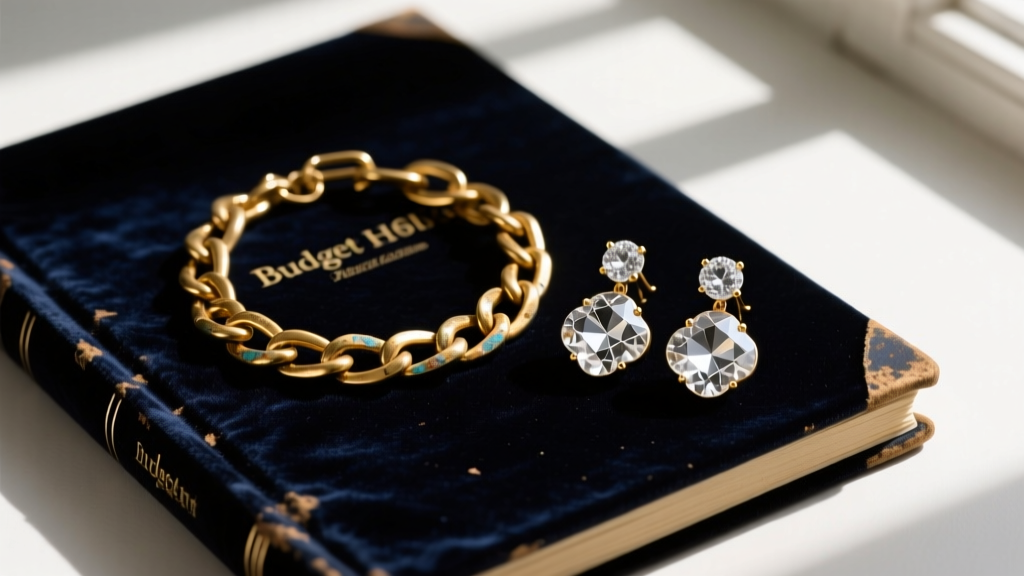
Fashion jewelry allows us to experiment with bold trends without the heavy investment of fine metals and precious gemstones. However, the hidden cost of faux jewelry often reveals itself a few months after purchase: rapid tarnishing, green skin, and cloudy stones. When your favorite statement necklace loses its luster, you are faced with a financial dilemma. Is it worth your time and resources to salvage it, or should you simply replace it?
As a jewelry appraiser and care specialist, I frequently evaluate the "sunk cost" of fashion accessories. In this guide, we will break down the exact economics of cleaning fake jewelry, identify which materials are worth saving, and provide a professional-grade, budget-friendly cleaning protocol that won't destroy delicate plating.
Understanding the Materials: Why Fake Jewelry Tarnishes
To assess the value of cleaning your piece, you must first identify its core composition. "Fake" or fashion jewelry is typically constructed from a base metal coated with a microscopic layer of precious metal. According to the Gemological Institute of America (GIA), the longevity of any plated piece depends entirely on the thickness of that top layer and the reactivity of the metal beneath it.
The Usual Suspects
- Zinc Alloy (Pot Metal): The cheapest option, often found in fast-fashion rings. Highly reactive, prone to pitting, and generally impossible to re-plate at home.
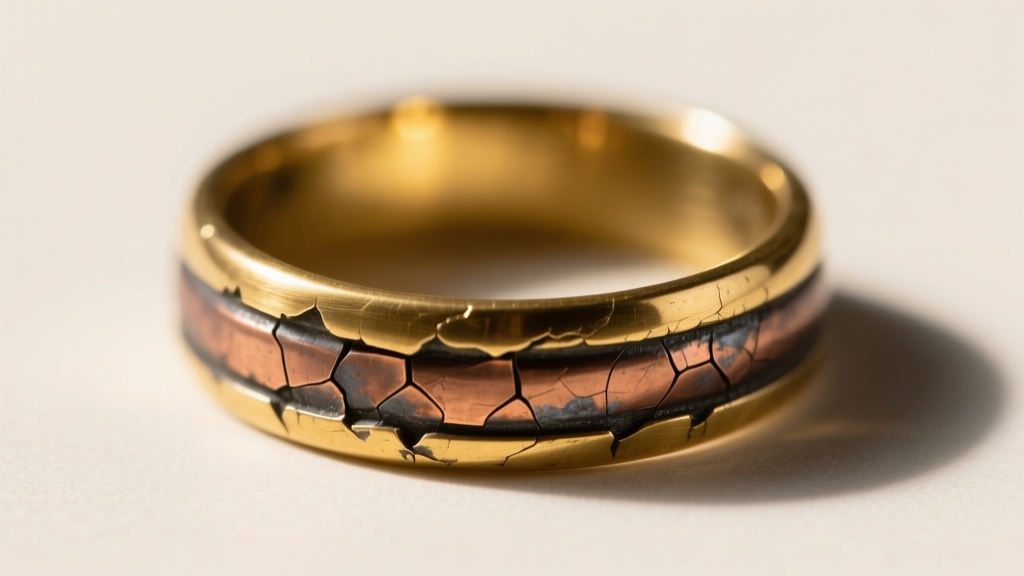
- Brass and Copper: Common in mid-tier fashion jewelry. These metals oxidize rapidly when exposed to sweat and humidity, causing the dreaded "green skin" effect.
- 316L Stainless Steel: The gold standard for budget jewelry. Highly resistant to tarnish, though the gold PVD (Physical Vapor Deposition) plating on top can eventually wear off with friction.
The Budget Cleaning Protocol: Safe Methods for Faux Metals
Many DIY cleaning hacks you find online—like baking soda pastes, toothpaste, or aluminum foil baths—are designed for solid sterling silver or gold. Do not use these on fashion jewelry. Abrasives will strip the microscopic plating right off, and chemical baths can dissolve the adhesives holding your rhinestones in place.
Here is the safest, most cost-effective method for cleaning fake jewelry, utilizing items you already have in your kitchen.
Step-by-Step Faux Jewelry Wash
- The Solution: Mix two drops of mild, lotion-free dish soap (like Dawn) into a bowl of lukewarm—not hot—water. Hot water can expand the base metal and crack the enamel or plating.
- The Agitation: Dip a baby toothbrush (its ultra-soft bristles won't scratch soft gold plating) into the solution.
- The Scrub: Gently brush the crevices of the jewelry. Do not scrub the surface of the metal directly; let the soapy water do the work of lifting oils and lotions.
- The Rinse: Quickly dip the piece into a separate bowl of clean, cool water. Never hold it under a running faucet, as the water pressure can dislodge glue-set stones.
- The Dry: Immediately pat dry with a microfiber cloth. Use a hair dryer on the "cool" setting to blast moisture out of tiny crevices where water spots and rust can form.
The Hidden Costs: When Cleaning Ruins Cheap Jewelry
Not all faux jewelry survives a cleaning session. Understanding the construction of your pieces will save you from accidental destruction. Here are the most common failure points when cleaning fake jewelry:
1. Foil-Backed Glass and Rhinestones
Many vintage and cheap modern rhinestones rely on a delicate metallic foil backing to create their sparkle. If moisture seeps under the prongs, the foil oxidizes, turns black, and the stone "dies." Rule: Never submerge rhinestone jewelry. Clean only the surface with a barely damp Q-tip.
2. Glued Settings
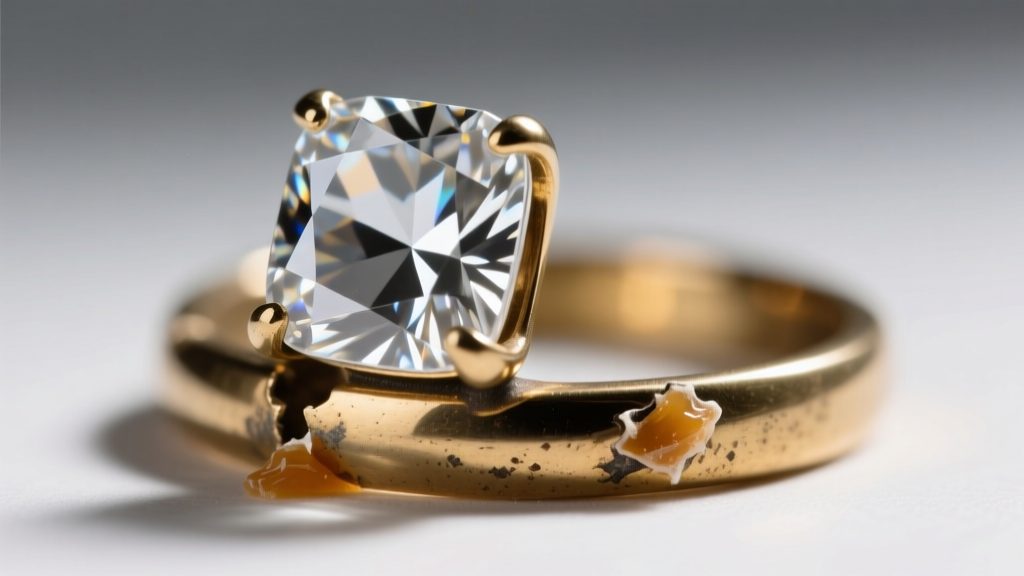
Unlike fine jewelry which uses prong or bezel settings, mass-market fashion jewelry frequently uses cyanoacrylate (super glue) or epoxy to secure stones. Warm water, alcohol, and especially acetone (nail polish remover) will dissolve these adhesives, causing stones to fall out instantly.
3. Plated Brass and Pot Metal
If the base metal is "pot metal" (a zinc alloy) or poorly plated brass, exposure to moisture and oxygen causes rapid oxidation. Once the zinc alloy begins to bubble beneath the gold plate (a process called zinc pest), the piece is structurally compromised and cannot be saved.
Budget Assessment: Restore vs. Replace
From a value perspective, you must weigh the cost of your time and cleaning supplies against the replacement cost of the fashion jewelry. Let's break down the economics of restoring cheap pieces.
| Jewelry Type | Original Cost (Avg) | Restoration Effort | Verdict |
|---|---|---|---|
| Fast Fashion Alloy Rings | $5 - $15 | High (requires re-plating) | Replace. Not worth the time. |
| Stainless Steel Chains | $20 - $40 | Low (soap & water) | Restore. Highly durable, easy to clean. |
| Vintage Designer (e.g., Monet, Trifari) | $50 - $200+ | Medium (careful spot cleaning) | Restore. Holds historical and resale value. |
| Brass pieces with thick gold vermeil | $40 - $90 | Low (mild soap, polishing cloth) | Restore. High material value base. |
Upgrading Your Faux Collection: Cost-Effective Alternatives
If you find yourself constantly battling green skin and tarnished alloy pieces, it might be time to reassess your purchasing habits. The most cost-effective way to avoid the endless cycle of cleaning fake jewelry is to upgrade to materials that offer the look of fashion jewelry but the longevity of fine metals.
The PVD Titanium Advantage
Physical Vapor Deposition (PVD) coating on titanium or 316L stainless steel is the current gold standard for budget-friendly, waterproof jewelry. Unlike traditional electroplating, PVD bonds at a molecular level. A $30 PVD-coated stainless steel chain will outlast a $150 brass fashion chain by a decade, requiring zero specialized polishing beyond a quick wipe with soap and water.
Final Verdict on Value
Ultimately, cleaning fake jewelry is an exercise in maintenance, not resurrection. If a piece holds sentimental value or was crafted by a notable vintage designer, the gentle cleaning methods outlined above will preserve your investment. However, for mass-produced alloy pieces that have worn down to the base metal, the most economically sound decision is to recycle the metal and invest your budget into higher-quality, tarnish-resistant alternatives like surgical steel or solid sterling silver.


