How to Clean Rust From Jewelry Without Ruining the Finish
Learn how to clean rust from jewelry safely. Diagnose ferrous oxidation, remove iron oxide from steel, and protect plated pieces with expert methods.

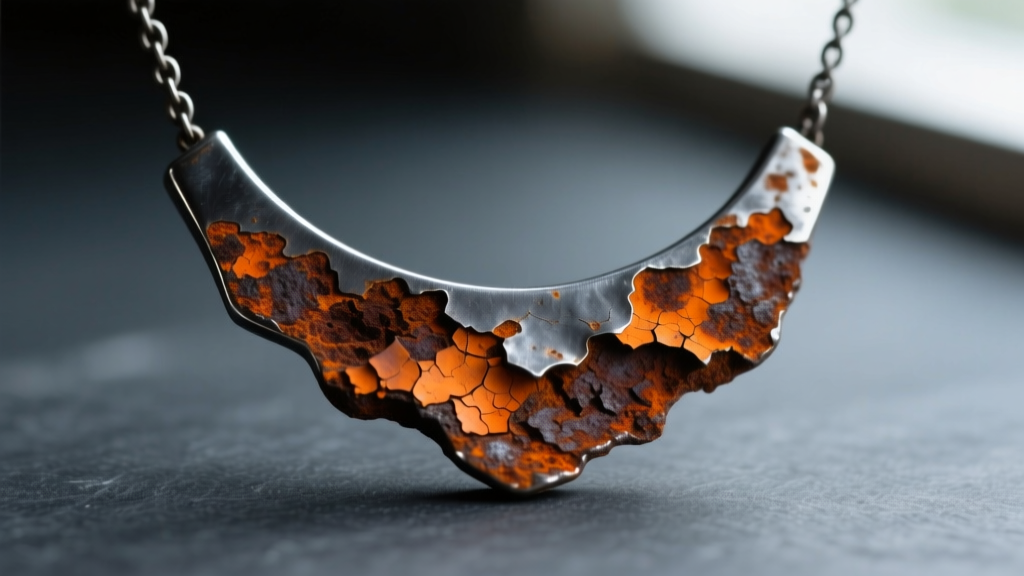
Discovering orange, flaky corrosion on your favorite accessories can be alarming. Before you reach for harsh chemicals, it is crucial to understand that learning how to clean rust from jewelry requires a fundamentally different approach than polishing silver or gold. True rust is iron oxide (Fe2O3), a destructive chemical reaction that actively consumes the base metal. If treated incorrectly, you can strip delicate platings, fracture porous gemstones, or accelerate future corrosion.
This troubleshooting guide will help you accurately diagnose the oxidation, select the correct chemical or mechanical intervention, and restore your ferrous jewelry without compromising its structural integrity or finish.
The Diagnosis: Is It Actually Rust or Just Tarnish?
The most common mistake in jewelry maintenance is confusing tarnish with rust. According to the American Institute for Conservation (AIC) Metals Wiki, tarnish (like silver sulfide or copper oxide) is a superficial, often protective layer that sits on top of the metal. Rust, conversely, is a destructive oxidation that pits and eats away at ferrous (iron-containing) metals.
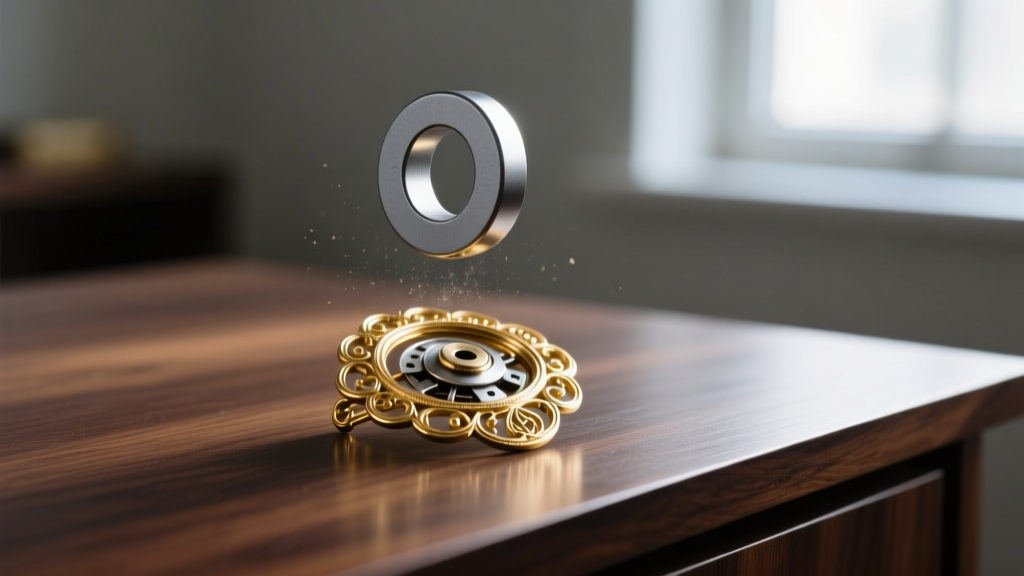
To troubleshoot the issue, perform the magnet test. Take a strong neodymium magnet and hold it near the jewelry. If the magnet pulls strongly, the piece contains ferrous metals (carbon steel, iron, or low-grade stainless steel) and the orange/brown flaking is indeed rust. If there is no magnetic pull, your piece is likely sterling silver, brass, copper, or bronze, and the dark or greenish film is tarnish or patina, requiring an entirely different cleaning protocol.
Why Does Jewelry Rust? (The Metallurgy of Iron Oxide)
Not all steel jewelry rusts at the same rate. The susceptibility to iron oxide depends heavily on the alloy composition:
- Carbon Steel & Iron: Highly reactive. Will rust rapidly when exposed to ambient humidity and skin acids. Often found in artisanal, hand-forged, or vintage costume jewelry.
- 304 Stainless Steel: Contains chromium, which forms a passive oxide layer. However, in high-chloride environments (saltwater, heavy sweat), this layer can break down, leading to 'pitting corrosion' or localized rust spots.
- 316L Surgical Steel: The industry standard for body jewelry. It contains molybdenum, which drastically increases resistance to chlorides. Genuine 316L rarely rusts unless subjected to extreme chemical abuse or if it is a counterfeit alloy.
Step-by-Step Rust Removal for Solid Ferrous Metals
If your jewelry is solid steel or iron (unplated), you have two primary avenues for rust removal: mild acid dissolution or chemical chelation. Note: Never use these methods on gold-plated, rhodium-plated, or painted jewelry, as they will strip the finish.
Method 1: The Acetic Acid Soak (White Vinegar)
For light to moderate surface rust on solid steel chains or pendants, household white vinegar (5% acetic acid) is highly effective. The acid reacts with the iron oxide to form iron acetate, which dissolves in the solution.
- Submerge the jewelry in a glass bowl of undiluted white vinegar for 15 to 30 minutes. Do not exceed this time, as prolonged acid exposure can etch the healthy base metal.
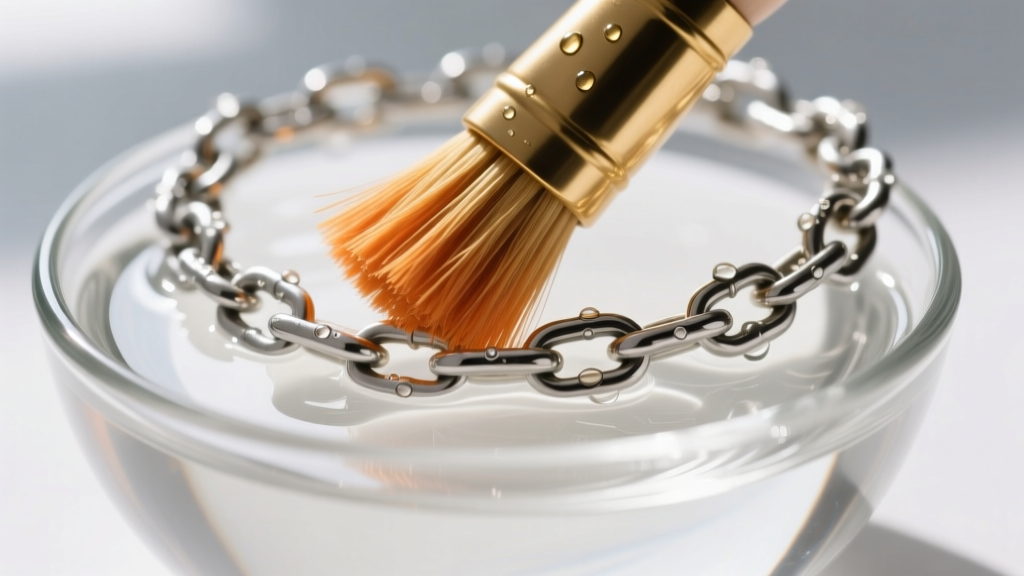
- Remove the piece and gently agitate it with a soft brass bristle brush. Expert Warning: Never use a stainless steel brush. Steel bristles can shed microscopic iron particles that embed into your jewelry, causing secondary flash-rusting within days.
- The Neutralization Step (Critical): Immediately transfer the jewelry to a bath of water mixed with two tablespoons of baking soda (sodium bicarbonate). This halts the acidic reaction. Skipping this step guarantees the jewelry will re-rust almost immediately.
- Rinse with distilled water and dry completely with a microfiber cloth, followed by a blast of compressed air to clear moisture from crevices.
Method 2: Chelation Cleaners (Evapo-Rust)
For heavy, pitted rust on intricate cast-iron or carbon steel pendants, commercial chelating agents like Evapo-Rust are superior. Chelation works by selectively binding to iron oxide molecules and lifting them away without attacking the healthy base metal or carbon content.
Submerge the piece for 2 to 4 hours. While chelators are generally safe for hard gemstones like diamonds, sapphires, and quartz, they are highly destructive to porous stones. Never submerge jewelry containing turquoise, malachite, opals, or pearls in any liquid rust remover, as the chelating agents and water will penetrate micro-fissures and shatter the stones from the inside out.
Troubleshooting Plated and Mixed-Metal Jewelry
The most frustrating scenario is finding rust on gold-plated or silver-toned jewelry. If a plated piece is rusting, it means the electroplating has failed. Micro-fissures in the gold or rhodium layer have allowed moisture to reach the ferrous base metal underneath. The rust 'bleeds' out through these microscopic pores.
You cannot simply wipe this rust away, because the source is trapped beneath the plating. Aggressive polishing will only strip more of the precious metal finish. For high-value plated pieces, the only permanent solution is to take it to a professional jeweler to have the remaining plating chemically stripped, the base metal polished, and the piece re-plated.
For costume jewelry where replating is cost-prohibitive, use a penetrating micro-crystalline wax (like Renaissance Wax) to seal the micro-fissures. This won't remove the existing rust stain, but it will starve the underlying iron of oxygen and moisture, halting the corrosion process.
Material Compatibility Chart: Rust vs. Tarnish Treatments
| Metal Type | Magnetic? | Oxidation Type | Safe Cleaning Agent | Avoid At All Costs |
|---|---|---|---|---|
| Carbon Steel / Iron | Yes (Strong) | Rust (Flaky, Orange) | White Vinegar, Evapo-Rust | Chlorine bleach, Steel brushes |
| 316L Surgical Steel | Yes (Weak/None) | Rarely Rusts (Pitting) | Mild dish soap, Ultrasonic | Hydrochloric acid |
| Sterling Silver (925) | No | Tarnish (Black/Grey) | Polishing cloth, Aluminum bath | Vinegar, Baking soda pastes |
| Brass / Bronze | No | Patina/Tarnish (Green) | Lemon juice + salt, Brasso | Ammonia-based cleaners |
Preventative Care: Stopping Oxidation Before It Starts
Once you have successfully removed the rust, preventing its return requires controlling the environment. Iron oxide requires both oxygen and water (humidity) to form. According to the British Stainless Steel Association, maintaining a dry environment is the most effective barrier against ferrous corrosion.
- Micro-Crystalline Wax: Apply a thin coat of Renaissance Wax. Originally developed for the British Museum, this wax does not yellow, crack, or trap moisture like organic beeswax. It creates an impermeable barrier against skin acids and ambient humidity.
- Silica Gel Desiccants: Store steel and iron jewelry in airtight acrylic boxes or zip-lock bags with rechargeable silica gel packets. Keep the relative humidity (RH) below 40%.
- Avoid PVC Plastics: Never store ferrous or mixed-metal jewelry in cheap polyvinyl chloride (PVC) plastic bags. PVC off-gasses chlorine and plasticizers over time, which aggressively accelerates both rusting and tarnishing.
When to See a Professional Jeweler
While DIY methods work well for solid chains and simple pendants, certain scenarios require professional intervention. If your jewelry features high-carbon steel tension springs (common in vintage clasps and mechanical pocket watches), liquid immersion can cause 'hydrogen embrittlement,' making the spring brittle and prone to snapping. Furthermore, if the rust has caused deep structural pitting that compromises the integrity of a jump ring or clasp, a jeweler must laser-weld or replace the component to prevent the piece from breaking during wear.
By accurately diagnosing the metal, respecting the chemistry of oxidation, and utilizing the correct mechanical tools, you can safely rescue your ferrous jewelry from the destructive grip of iron oxide.


