How Do I Clean My Jewelry at Home? A Technical Material Guide
Discover the metallurgical science behind home jewelry cleaning. Learn exact solvent ratios, Mohs scale risks, and safe protocols for alloys and gems.

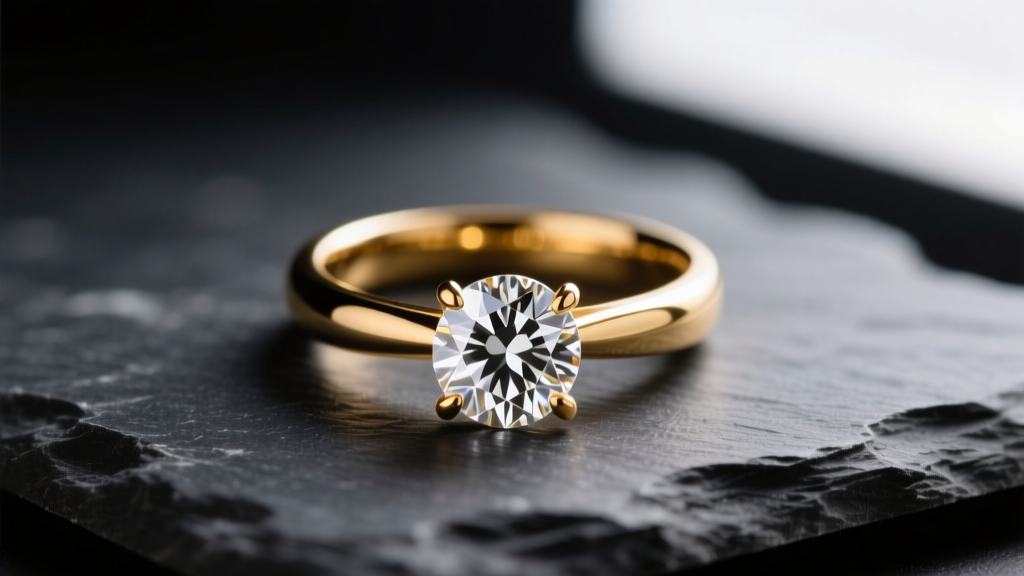
When searching for how do i clean my jewelry at home, you will inevitably encounter a barrage of well-meaning but metallurgically disastrous advice. From boiling water baths to abrasive toothpaste scrubs, the internet is rife with cleaning hacks that ignore the fundamental chemistry of precious metal alloys and the crystalline vulnerabilities of gemstones. As jewelry conservationists and materials scientists, we must approach cleaning not as a simple chore, but as a controlled chemical and mechanical intervention.
"The greatest threat to fine jewelry at home is not dirt, but the improper application of abrasive compounds and high-pH solvents that permanently alter the surface topography of precious metal alloys."
This expert deep dive bypasses the generic "use warm soapy water" platitudes. Instead, we will examine the exact chemical mechanics of tarnish, the porosity risks of specific gemstones, and the precise surfactant formulations required to safely lift hydrophobic sebum without degrading your pieces.
The Chemistry of Tarnish and Alloy Degradation
To clean jewelry effectively, you must first understand what you are actually removing. Pure 24k gold and pure platinum do not tarnish; they are noble metals. However, jewelry is rarely made of pure metals due to their inherent softness. A standard 14k gold alloy contains only 58.3% gold, with the remainder consisting of copper, silver, and zinc. It is these alloying elements that react with environmental pollutants.
Sterling silver (92.5% silver, 7.5% copper) is particularly susceptible to atmospheric sulfur. The copper and silver react with hydrogen sulfide in the air to form silver sulfide (Ag2S), a blackish-purple layer we commonly call tarnish. When you aggressively polish this layer away with abrasive pastes, you are physically removing a microscopic layer of the metal itself. Over years of aggressive home polishing, this leads to the loss of crisp detailing, softened prong edges, and a phenomenon known as "fire scale" exposure in copper-rich alloys.
Gemstone Porosity and the Mohs Scale
Gemstone cleaning protocols must be dictated by two factors: the Mohs hardness scale and the stone's crystalline porosity. While a diamond (Mohs 10) can withstand significant mechanical scrubbing, organic and porous gems require entirely different chemical environments.
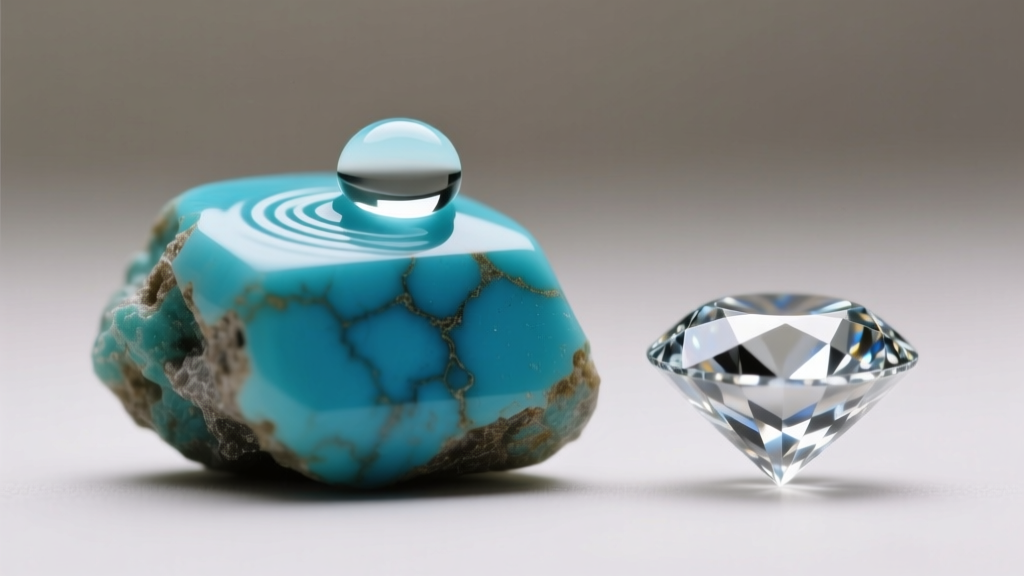
Consider the structural integrity of an emerald. Over 90% of commercial emeralds are fracture-filled with cedar oil or synthetic resins to mask natural inclusions. Submerging an emerald in hot water or using an alkaline cleaner will dissolve this filler, instantly turning a vibrant, transparent stone into a cloudy, heavily included mess. Similarly, opals contain up to 20% water within their silica structure. Exposing them to harsh desiccants, high heat, or sudden thermal shocks can cause "crazing"—a network of internal micro-fractures that destroys the stone's play-of-color.
- Safe for Prolonged Soaking: Diamonds, Sapphires, Rubies (Corundum family).
- Wipe-Clean Only (No Soaking): Pearls (calcium carbonate dissolves in mild acids), Opals, Turquoise, Lapis Lazuli, Malachite.
- Avoid Heat and Ultrasonics: Emeralds, Tanzanite, Morganite, Fracture-filled stones.
Formulating Home Cleaning Solutions: The Technical Specs
The Surfactant Science
The primary soil on daily-wear jewelry is a hydrophobic mixture of human sebum, squalene, dead keratinocytes, and cosmetic lotions. Water alone cannot dissolve this. You need a surfactant. However, not all soaps are created equal. Hand soaps and body washes contain "superfatting" agents, glycerin, and stearic acid designed to leave a moisturizing film on the skin. On jewelry, this film creates a dull, cloudy residue that traps more dirt.
The industry standard for home cleaning is a basic, anionic surfactant-based dish soap (such as original Dawn). Anionic surfactants possess a hydrophilic head and a hydrophobic tail. The tails embed themselves into the sebum, while the heads face outward, forming microscopic structures called micelles. These micelles encapsulate the oil, allowing it to be rinsed away in water without leaving a residual film. For optimal results, mix 3 drops of anionic dish soap into 8 ounces of distilled water heated to exactly 105°F (40°C)—warm enough to soften the lipids, but cool enough to protect thermal-sensitive gems.
The Baking Soda and Aluminum Galvanic Myth
A wildly popular internet hack involves placing silver jewelry in an aluminum foil-lined bowl with boiling water and baking soda (sodium bicarbonate). This creates a galvanic cell. The aluminum acts as a sacrificial anode, and the baking soda provides the electrolyte. This triggers an ion-exchange reaction that reduces silver sulfide back into pure silver, transferring the sulfur to the aluminum foil.
While chemically fascinating, this is not recommended for fine jewelry. The boiling water can shatter thermal-shock-sensitive stones (like tanzanite or opals), and the high-pH alkaline environment can permanently pit the copper alloys in sterling silver, leaving the metal with a dull, matte, and micro-porous finish that tarnishes even faster in the future.
Metal-Specific Protocols and Solvent Matrix
To eliminate the guesswork, refer to this technical matrix when determining your cleaning solvent. Always consult the Gemological Institute of America (GIA) guidelines before applying chemicals to unknown gemstones.
| Metal / Material | Alloy Composition | Safe Home Solvent | Forbidden Chemicals |
|---|---|---|---|
| 14k / 18k Yellow Gold | Gold, Copper, Zinc, Silver | Mild Anionic Dish Soap + Distilled Water | Bleach (causes stress corrosion cracking) |
| White Gold (Rhodium Plated) | Gold, Nickel/Palladium, Rhodium flash | Mild Anionic Dish Soap + Microfiber | Ultrasonics (can strip worn rhodium) |
| Platinum (950) | 95% Platinum, 5% Ruthenium/Iridium | Dish Soap or Isopropyl Alcohol (90%+) | Abrasive polishes (displaces metal) |
| Sterling Silver (925) | 92.5% Silver, 7.5% Copper | Silver polishing cloth (impregnated) | Toothpaste, Baking Soda, Chlorine |
Mechanical Action and Ultrasonic Cavitation Risks
Once the chemical solvent has loosened the debris, mechanical action is required to dislodge it from the pavilion (the underside of the gemstone). This is where most consumers cause micro-scratches.
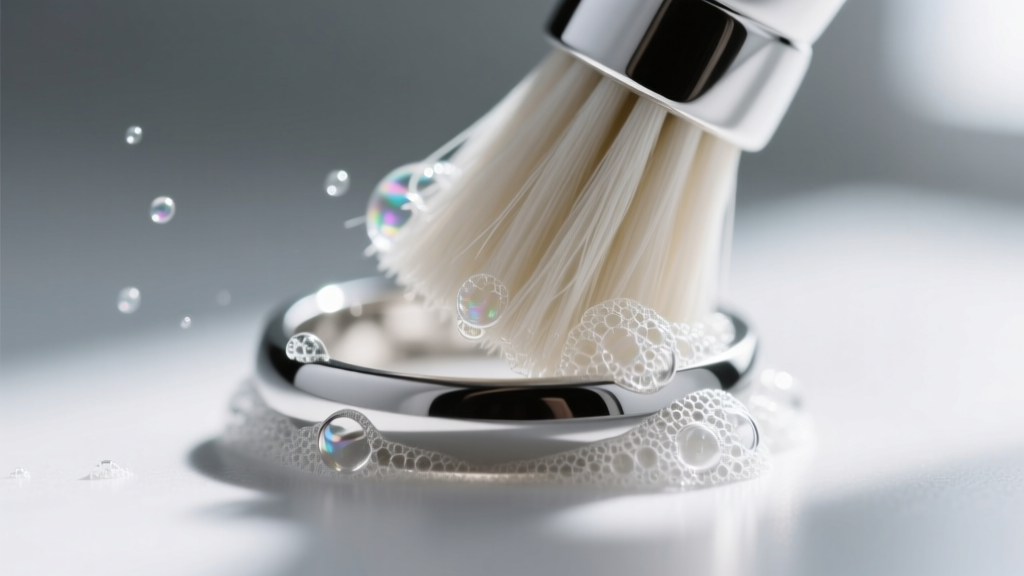
Never use a standard adult toothbrush. The bristles are typically made of Nylon 6,6, which has a hardness that can easily micro-scratch high-polish gold and silver. Furthermore, toothpaste contains hydrated silica (Mohs 7) designed to scrub enamel; applying this to 18k gold (Mohs 2.5 to 3) will result in a web of permanent, microscopic scratches that dull the metal's luster. Instead, utilize an ultra-soft baby toothbrush or a dedicated sable-hair jewelry brush. Apply zero downward pressure; let the surfactant and the capillary action of the bristles do the work.
The Danger of Consumer Ultrasonic Cleaners
Consumer ultrasonic cleaners operate at frequencies around 40 kHz, creating millions of microscopic vacuum bubbles in the solvent. When these bubbles collapse against the jewelry, they implode with localized temperatures exceeding 5,000 Kelvin and pressures of 10,000 psi. While excellent for cleaning the underside of a solid diamond, this violent cavitation will shatter included gems, strip the oxidation from antique patinas, and shake loose stones held by worn prongs. According to the American Gem Society (AGS), ultrasonics should be strictly reserved for plain metal bands and highly durable, un-fractured stones, and only after a professional has verified the structural integrity of the prongs.
Conclusion
Understanding how to properly clean your jewelry at home requires respecting the metallurgical and gemological properties of your pieces. By abandoning abrasive internet hacks in favor of chemically sound anionic surfactants, utilizing ultra-soft mechanical agitation, and respecting the porosity limits of organic gems, you can maintain the optical brilliance and structural integrity of your jewelry for generations. When in doubt, or when dealing with high-value heirloom pieces, bypass home experiments entirely and seek the ultrasonic and steam-cleaning services of a certified bench jeweler.


