How to Clean Marcasite Jewelry Without Ruining the Stones
Learn exactly how to clean marcasite jewelry safely. Discover expert tips to remove tarnish without dissolving glue or ruining the antique finish.

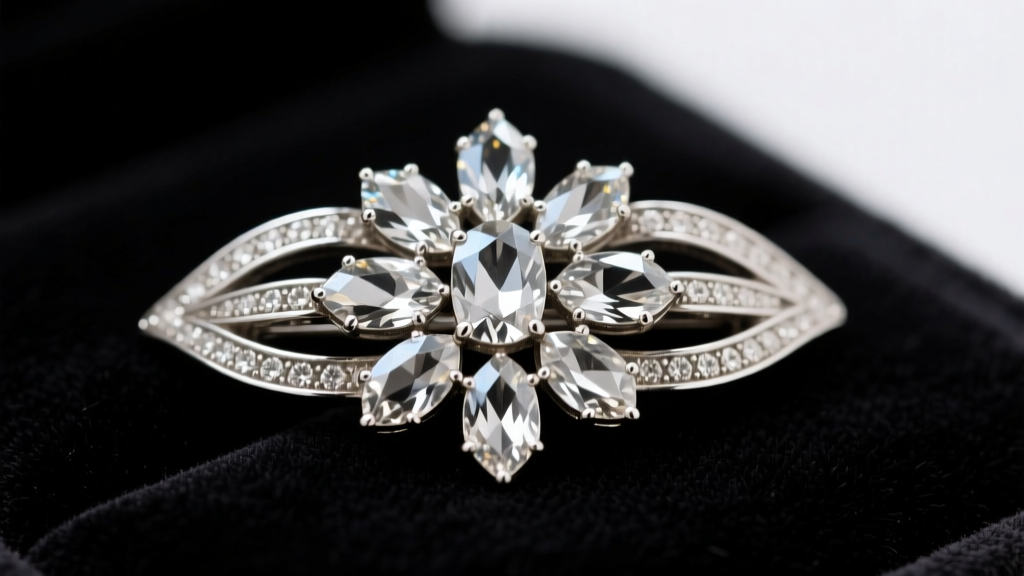
Marcasite jewelry, with its signature vintage allure and glittering, gunmetal-gray facets, is a staple of antique and Art Deco collections. However, figuring out how to clean marcasite jewelry is a notorious minefield for collectors. Use the wrong method, and you will not only strip the intentional antique patina but also cause the stones to pop out of their settings entirely.
Unlike solid gemstones set in prongs, marcasite requires a highly specific, gentle approach. This comprehensive guide will walk you through the mineralogy, the structural vulnerabilities of these pieces, and the exact step-by-step protocol to safely restore their original luster.
The Mineral Misnomer: Pyrite vs. True Marcasite
To understand how to care for these pieces, you must first understand what they are actually made of. In the jewelry trade, the term "marcasite" is a historical misnomer. True marcasite (an orthorhombic iron sulfide) is highly unstable; it reacts with atmospheric moisture to form sulfuric acid, literally crumbling into a white powder—a phenomenon known as "pyrite disease."
Because true marcasite is too brittle to cut or wear, the jewelry we refer to as marcasite is actually crafted from pyrite (a cubic iron sulfide, FeS2). Pyrite is stable, hard enough to facet (6-6.5 on the Mohs scale), and possesses that iconic metallic luster. However, because it is an iron-based mineral, it remains sensitive to harsh chemicals, prolonged moisture, and extreme heat. According to the Gemological Institute of America (GIA), pyrite's chemical composition dictates that it must be kept away from acidic solutions and abrasive cleaners that can cause pitting or surface degradation.
The Anatomy of a Marcasite Setting
The vulnerability of marcasite jewelry lies not just in the stones, but in how they are set.
- The Adhesive: Pyrite stones are rarely prong-set. Instead, they are flat-backed and glued into silver settings. Vintage pieces (pre-1950s) often used natural shellac or tree resins, which are highly sensitive to heat and alcohol. Modern pieces use jeweler's epoxy, which is stronger but can still degrade when exposed to hot water or ultrasonic vibrations.
- The Oxidized Silver: Marcasite is almost exclusively set in 925 sterling silver that has been intentionally oxidized (blackened using liver of sulfur) to create contrast. The dark crevices make the metallic pyrite stones pop. Stripping this oxidation ruins the piece's depth and vintage character.
The Marcasite Cleaning Blacklist
Before reaching for your cleaning supplies, review this table of common jewelry cleaning methods that will instantly destroy marcasite jewelry.
| Cleaning Method | Why It Fails | The Result |
|---|---|---|
| Ultrasonic Cleaners | High-frequency vibrations and heat. | Shatters brittle pyrite facets; melts adhesive, causing massive stone loss. |
| Silver Dip Liquids | Contains thiourea and hydrochloric acid. | Strips intentional black oxidation; leaves permanent white, chalky residue in crevices. |
| Ammonia & Bleach | Harsh alkaline and corrosive chemicals. | Corrodes the iron sulfide, causing pitting and triggering pyrite decay. |
| Soaking in Water | Prolonged moisture exposure. | Softens shellac/epoxy adhesives; stones will fall out when the piece dries. |
| Toothpaste | Contains abrasive silica particles. | Scratches the flat, polished facets of the pyrite, leaving a dull, cloudy finish. |
Step-by-Step: How to Clean Marcasite Jewelry Safely
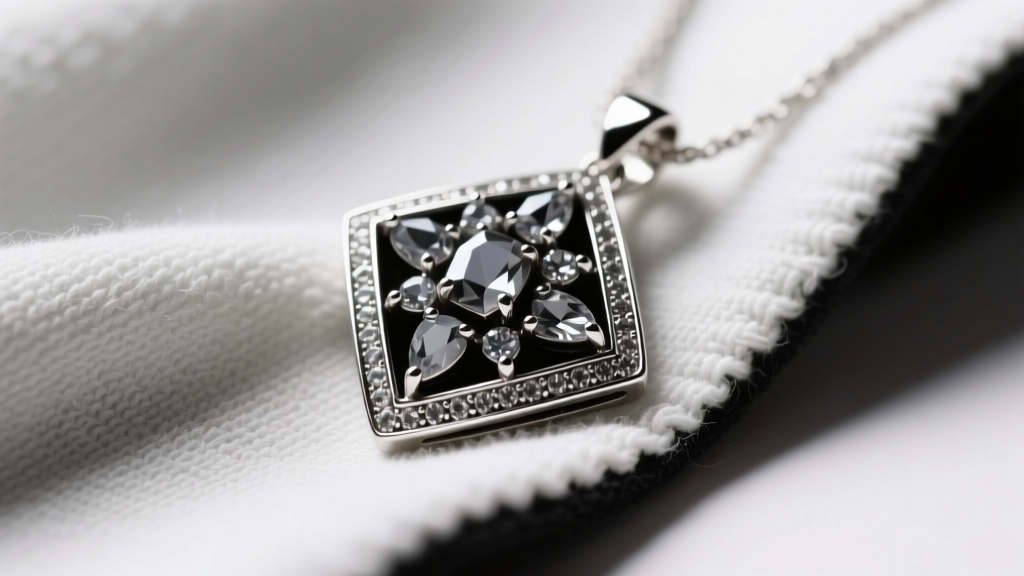
Follow this meticulous, four-phase process to clean your jewelry without compromising the adhesive or the patina. The Victoria and Albert Museum (V&A) advises that antique and mixed-material jewelry should always be cleaned using the least invasive mechanical action possible.
Phase 1: Dry Debris Removal
Never start with liquid. Use a clean, ultra-soft makeup brush (like a goat-hair blending brush) or a specialized jewelry dusting brush to gently sweep away loose dirt, skin cells, and cosmetic powders from between the stones. Brush in a single direction to avoid catching the edges of the stones and prying them upward.
Phase 2: The Targeted Damp Wipe
For stubborn grime or body oils, you must use a barely damp approach.
- Mix a single drop of pH-neutral dish soap (like Dawn) into a bowl of distilled water. (Tap water contains chlorine and minerals that can react with the iron sulfide).
- Dip a soft microfiber cloth or a cotton swab into the solution and wring it out until it is only slightly damp—not dripping.
- Gently wipe the surface of the pyrite stones and the raised silver areas. Never submerge the piece.
- Use a dry cotton swab to immediately absorb any moisture that pools in the crevices between the stones.
Phase 3: Safe Drying Techniques
Moisture is the enemy of the adhesive backing. After wiping the piece, use a hair dryer on the cool, low-speed setting to blow air across the jewelry. This forces trapped water out from beneath the stone settings. Never use heat, as temperatures above 110°F (43°C) can soften vintage shellac adhesives.
Phase 4: Selective Silver Polishing
Once the piece is 100% dry, you can address tarnish on the raised silver. Use a dry, untreated microfiber cloth to gently buff the high-relief silver edges. Do not use a treated silver polishing cloth (like a Sunshine Cloth) on the oxidized crevices, as the mild abrasives and chemical treatments will strip the black patina, leaving the piece looking flat and artificially white.
Advanced Care: Restoring the Oxidized Patina
If you have acquired a vintage marcasite piece where the previous owner already stripped the black oxidation with silver dip, you can restore it. Professional bench jewelers use a liquid "liver of sulfur" solution to re-blacken the silver. For at-home collectors, a specialized jewelry patina pen or a diluted liver of sulfur gel can be carefully applied with a fine-tipped brush exclusively to the deep silver crevices, avoiding the pyrite stones. Once dry, a gentle buff with a soft cloth removes the blackening from the raised silver edges, restoring the high-contrast Art Deco aesthetic.
Preventing "Pyrite Disease" in Storage
While the pyrite used in jewelry is relatively stable, it can still succumb to environmental degradation if stored improperly. "Pyrite disease" occurs when iron sulfide reacts with atmospheric moisture and oxygen to form iron sulfate and sulfuric acid. This causes the stones to crack, exude a white, powdery crust, and eventually corrode the surrounding sterling silver setting from the inside out.
Expert Storage Protocol: Always store marcasite jewelry in a low-humidity environment. Place silica gel desiccant packets inside your jewelry boxes or drawers to keep relative humidity below 40%. Store pieces individually in soft, anti-tarnish flannel pouches to prevent the faceted pyrite from scratching adjacent gemstones or softer metals.
When to Consult a Bench Jeweler
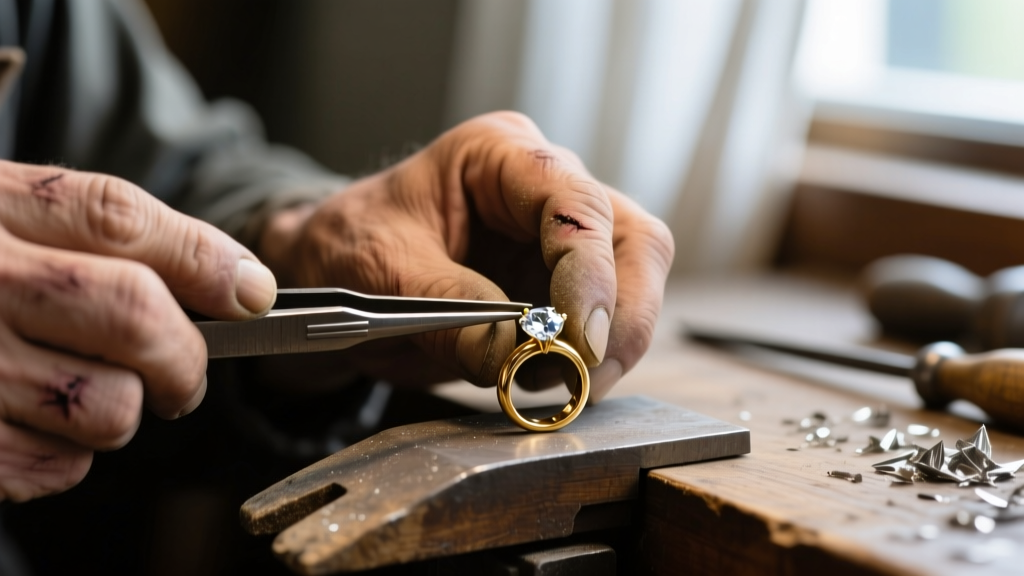
If you notice a "clicking" sound when you tap the jewelry, or if a stone appears raised above the silver bezel, the adhesive has failed. Do not attempt to clean the piece, as water will seep beneath the loose stone and worsen the damage. Furthermore, never attempt to re-glue marcasite stones with supermarket super glue (cyanoacrylate), which cures brittle and leaves a permanent, cloudy white residue that ruins the stone's metallic reflectivity. Take the piece to a professional bench jeweler who can safely clean the old adhesive residue and reset the stone using a flexible, archival-grade jeweler's epoxy.


