How to Clean Rhinestone Jewelry: A Buyer's Guide to Safe Tools
Discover how to clean rhinestone jewelry safely with our buyer's guide. Learn which tools, brushes, and solutions protect delicate foil backings.

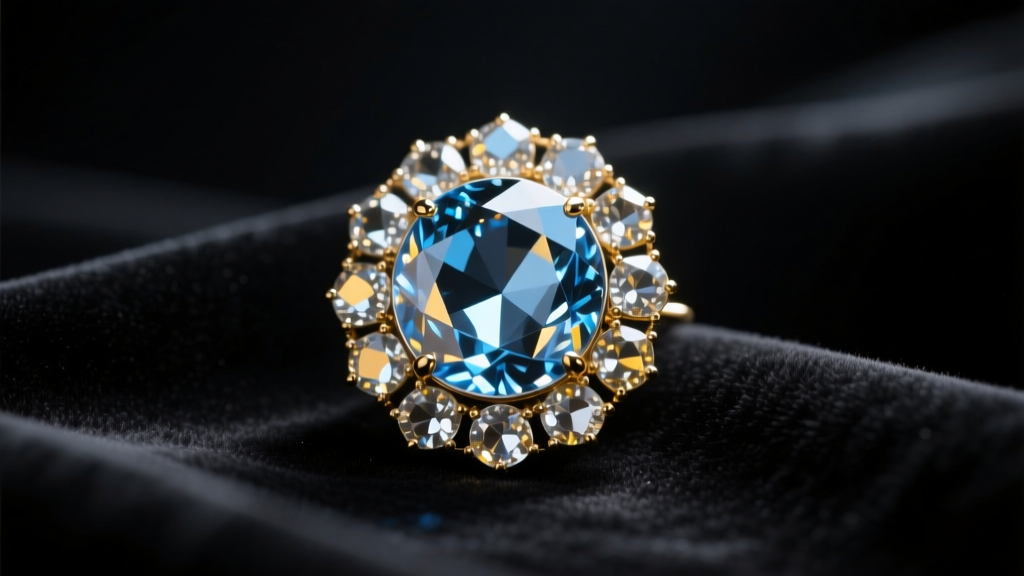
The Unique Anatomy of Rhinestones: Why Standard Cleaners Fail
Before purchasing any cleaning supplies, you must understand the structural vulnerabilities of rhinestones. Whether you own vintage glass stones, modern Swarovski crystals, or lightweight acrylic alternatives, almost all rhinestones share a critical weakness: the foil backing. To achieve their signature mirror-like brilliance, manufacturers use a vacuum deposition process to apply a microscopically thin layer of silver or aluminum to the back of the stone. When learning how to clean rhinestone jewelry, the primary goal is protecting this delicate silvering from moisture and chemical degradation.
Standard jewelry cleaners are formulated for solid metals and non-porous gemstones. They often contain ammonia, alcohols, or harsh surfactants that can seep beneath the prong or bezel settings. Once trapped, these liquids cause galvanic corrosion or simple oxidation, resulting in the dreaded 'black death'—a permanent, cloudy blackening of the foil that ruins the stone's light return. Furthermore, many rhinestones are secured with cyanoacrylate or epoxy adhesives that dissolve upon contact with alcohol-based solutions. Therefore, building a specialized cleaning arsenal is not optional; it is mandatory for preserving your collection.
What to Look For When Buying Rhinestone Cleaning Tools
The market is flooded with generic jewelry cleaning kits, but most are entirely unsuitable for rhinestones. When shopping for tools, you must evaluate the physical properties of the materials to ensure they will not scratch delicate surfaces or degrade chemical coatings.
1. Brush Bristle Material and Density
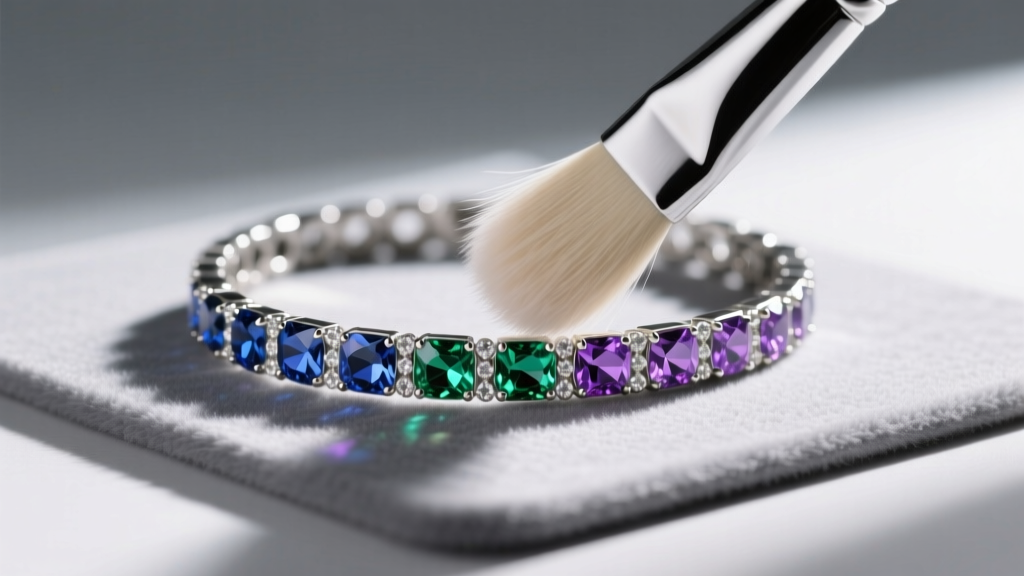
Never use standard nylon jewelry brushes on rhinestones. Nylon bristles typically have a diameter of 0.15mm or thicker, which is stiff enough to leave permanent micro-scratches on acrylic stones and strip proprietary optical coatings (like Aurora Borealis or AB finishes) off premium glass crystals. When buying a detailing brush, look specifically for natural goat hair or extra-soft horsehair. These natural fibers have a bristle diameter of 0.08mm or less, allowing them to sweep dust out of intricate pavé settings without generating abrasive friction. Ensure the brush has a dense, tapered head to reach into the tight galleries of vintage brooches and tennis bracelets.
2. Cloth Weave and Treatment
Avoid 'silver polishing cloths' or any microfiber towels pre-treated with jeweler's rouge or tarnish inhibitors. These chemical treatments are designed to react with oxidized silver, but when rubbed against a rhinestone, they leave a greasy, cloudy film that traps dirt and dulls the facets. Instead, purchase untreated, high-GSM (300 grams per square meter or higher) microfiber cloths with a split-fiber weave. The split fibers act like microscopic hooks that lift and trap sebum and cosmetic residue without the need for chemical solvents. According to Swarovski's official care guidelines, using a soft, dry, lint-free cloth is the safest daily maintenance method for crystal jewelry.
Solutions to Buy vs. Chemicals to Avoid
If dry brushing does not remove built-up oils or lotions, you will need a liquid cleaning agent. However, the wrong liquid will destroy your jewelry. Below is a buyer's comparison chart detailing which solutions are safe to purchase and which must be strictly avoided.
| Cleaning Agent | Effect on Foil Backing | Effect on Adhesives | Buyer Verdict |
|---|---|---|---|
| Distilled Water + pH-Neutral Soap | Safe (if dried properly) | Neutral | Highly Recommended |
| Ammonia-based Glass Cleaners | Corrodes and blackens foil | Weakens epoxy | Never Buy |
| Isopropyl Alcohol (70%+) | Strips protective lacquers | Dissolves cyanoacrylate | Never Buy |
| Commercial Silver Dip | Instantly destroys silvering | Highly corrosive | Never Buy |
| Specialty Crystal Sprays | Safe (alcohol-free only) | Neutral | Buy with Caution |
When purchasing a liquid cleaner, look for products explicitly labeled 'alcohol-free' and 'ammonia-free.' A simple, highly effective DIY alternative recommended by the Gemological Institute of America (GIA) for delicate gems is a mixture of distilled water and a single drop of pH-neutral baby shampoo. The distilled water prevents hard water mineral deposits from clouding the facets, while the mild surfactant breaks down skin oils safely.
The Ultrasonic and Steam Cleaner Trap
One of the most common and expensive mistakes collectors make is purchasing an ultrasonic cleaner for their rhinestone jewelry. Ultrasonic machines operate by generating high-frequency sound waves (typically 40kHz to 45kHz) that create microscopic cavitation bubbles in the liquid. When these bubbles collapse, they generate intense localized shockwaves and micro-jets of liquid.
While this is excellent for blasting grime out of solid gold or diamond settings, it is catastrophic for rhinestones. The cavitation shockwaves will physically rip the delicate foil backing off the glass, and the intense vibrations will shatter acrylic stones or crack the internal structure of vintage paste gems. Similarly, steam cleaners expose the jewelry to high-pressure moisture and heat, which will melt hot-fix adhesives and force water directly under the settings, guaranteeing foil oxidation. Save your money and leave ultrasonics and steamers for solid metals only.
Step-by-Step: How to Clean Rhinestone Jewelry Using Your New Kit
Once you have acquired the correct goat-hair brush, untreated microfiber cloth, and safe cleaning solution, follow this expert protocol to restore your jewelry's brilliance without risking damage.
- Step 1: The Dry Sweep. Before introducing any moisture, use your goat-hair brush to gently sweep away loose dust, dead skin cells, and cosmetic powders from the surface and the gallery (the underside) of the settings. This prevents scratching during the wet wash.
- Step 2: The Damp Wipe. Lightly mist your microfiber cloth with your distilled water and baby shampoo solution. Never spray the jewelry directly. Gently wipe the face of the rhinestones, applying minimal pressure to avoid stressing the prongs.
- Step 3: The Targeted Detail. For stubborn grime in the crevices, dip the very tip of your goat-hair brush into the solution, shake off the excess, and gently agitate the dirt. Immediately blot the area with a dry section of your microfiber cloth.
- Step 4: The Inverted Air Dry. This is the most critical step. Place the jewelry face-down on a dry, lint-free towel. This allows gravity to pull any residual moisture away from the settings and out through the gallery, ensuring the foil backing remains completely dry.
Expert Verdict: Building Your Rhinestone Care Arsenal
Learning how to clean rhinestone jewelry is ultimately an exercise in restraint and precision. By investing in a high-quality, ultra-soft goat-hair detailing brush, a pack of untreated split-fiber microfiber cloths, and strictly avoiding ultrasonic machines and ammonia-based solvents, you will protect the structural integrity and optical brilliance of your pieces. Treat your rhinestones with the same delicate care you would give to fine opals or pearls, and your collection will continue to sparkle for decades to come.


