Best Tarnish Remover for Jewelry: A Metal-Specific Guide
Discover the best tarnish remover for jewelry based on metal type. Compare chemical properties, safety for gemstones, and effective DIY vs commercial options.

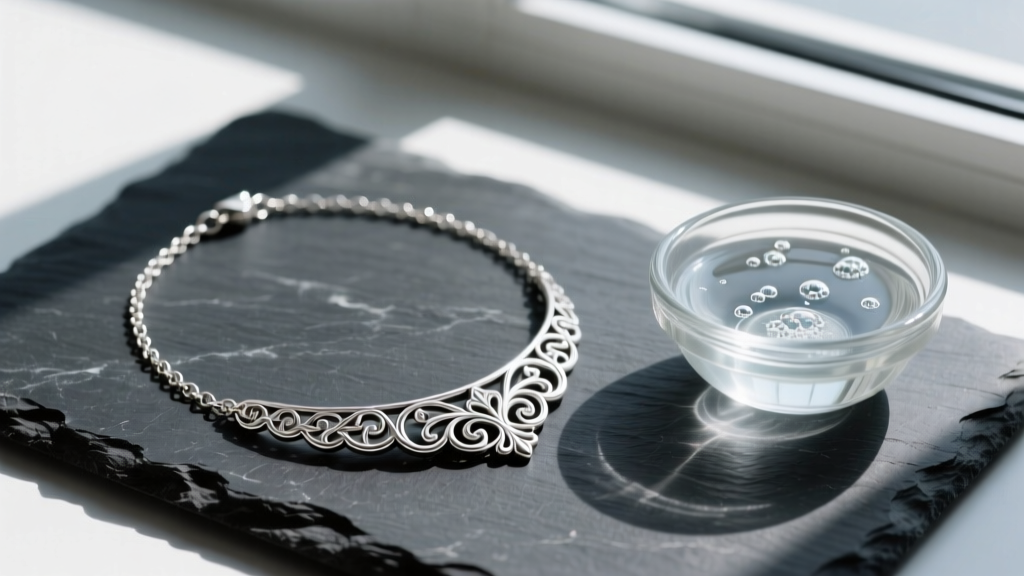
Selecting the correct tarnish remover for jewelry is rarely a one-size-fits-all endeavor. The chemical composition of your jewelry dictates how it reacts to environmental sulfur, oxygen, and moisture, and more importantly, how it will respond to cleaning agents. While a heavy-duty liquid dip might restore a sterling silver chain to brilliant shine in seconds, that same solution could strip the micron-thick gold layer off a gold-filled pendant or permanently cloud a turquoise cabochon.
As a jewelry care specialist, I see countless pieces ruined by well-meaning owners who assume all tarnish removers are universally safe. In this comprehensive guide, we break down the metallurgical properties of common jewelry metals and match them with the exact tarnish removal methods that preserve their structural integrity, patina, and gemstone settings.
The Chemistry of Tarnish and Remover Formulations
Before applying any tarnish remover for jewelry, you must understand what tarnish actually is. Tarnish is a chemical reaction on the surface of a metal. For silver, it is primarily silver sulfide, which forms when silver reacts with hydrogen sulfide in the air. For copper and brass, it is copper oxide or copper carbonate, commonly known as verdigris.
Commercial tarnish removers generally fall into three chemical categories:
- Thiourea-based liquid dips: These use thiourea, a toxic organosulfur compound, to dissolve silver sulfide. They are fast but highly aggressive, stripping away intentional oxidation and leaving the metal microscopically pitted if left too long.
- Abrasive pastes and cloths: These rely on micro-abrasives like calcium carbonate or jeweler's rouge suspended in a wax or oil base to physically scrub the tarnish layer away.
- Electrochemical reduction baths: Often a DIY method using aluminum foil, baking soda, and hot water. This reverses the chemical reaction, converting silver sulfide back into silver without removing any base metal.
Silver-Specific Tarnish Removers (Sterling and Fine)
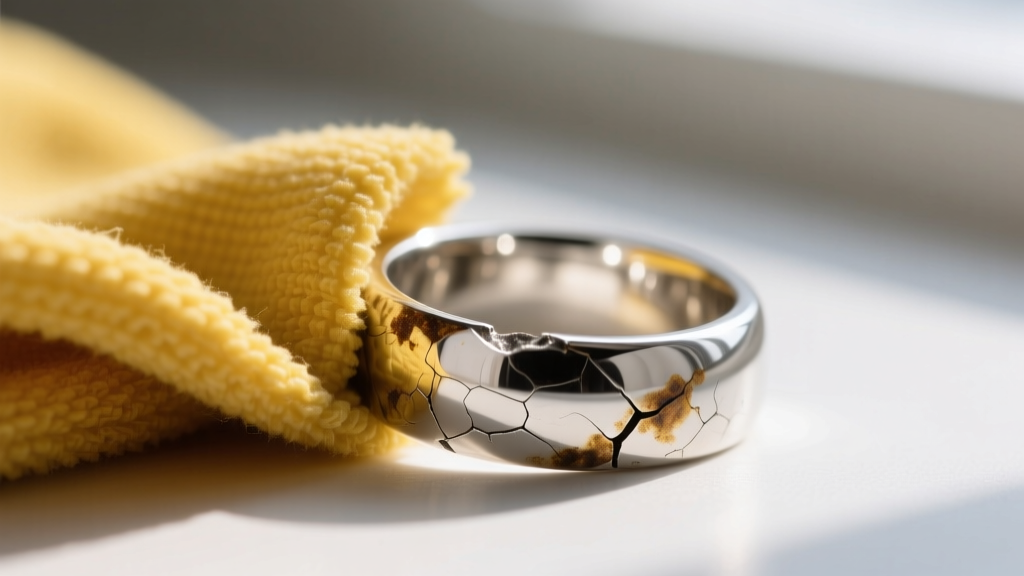
Sterling silver (92.5% silver, 7.5% copper) is the most common victim of tarnish due to the copper alloy. Fine silver (99.9%) and Argentium silver (which replaces some copper with germanium) are highly tarnish-resistant but still require occasional care.
The Best Approach: For everyday maintenance, a high-quality micro-abrasive polishing cloth is the safest tarnish remover for jewelry made of sterling silver. It removes light sulfide buildup without the chemical risks of liquid dips.
When to Use Liquid Dips: If you have a complex filigree silver piece where a cloth cannot reach, a brief 10-to-15 second dip in a thiourea-based cleaner is acceptable. However, you must immediately neutralize the piece by washing it in warm water with a mild, phosphate-free dish soap. According to the National Park Service Conservation Guidelines, failing to neutralize chemical dips leaves acidic residues that will accelerate future tarnishing and cause severe pitting over time.
Failure Mode Alert: Never use liquid dips on oxidized silver jewelry. The dark recesses in these pieces are intentional silver sulfide. A chemical dip will strip the black patina, leaving the piece looking flat and poorly finished.
Copper and Brass: Managing Verdigris and Oxidation
Copper and its alloys like brass and bronze develop a dark, sometimes greenish layer of oxidation. Unlike silver, copper oxidation is best treated with mild acids rather than sulfur-targeting chemicals.
The Best Approach: A simple DIY paste of lemon juice and baking soda, or a soak in white vinegar and coarse salt, works brilliantly as a tarnish remover for jewelry made of solid brass or copper. The citric or acetic acid dissolves the copper oxide, while the salt provides gentle mechanical agitation.
Commercial Alternatives: Products formulated specifically for copper contain mild silica abrasives and specific organic acids designed to cut through heavy verdigris without scratching the relatively soft surface of copper, which sits at a 2.5 to 3 on the Mohs hardness scale.
Crucial Warning: Never use silver dips on brass or copper. Thiourea is formulated specifically for silver sulfide and will react unpredictably with copper oxides, often resulting in a splotchy, iridescent purple or pink stain that is nearly impossible to buff out without professional machine polishing.
Gold-Filled and Gold-Plated: The Delicate Balance
Gold itself does not tarnish, but the base metals underneath gold-plated or gold-filled jewelry certainly can, especially if the outer layer is compromised. Gold-filled jewelry (typically 14/20, meaning 5% of the total weight is 14k gold) has a thick mechanical bond, while gold-plated items may have a layer as thin as 0.5 microns.
The Best Approach: The only safe tarnish remover for jewelry that is gold-plated or gold-filled is a mild solution of warm water and a few drops of gentle dish soap, applied with a soft-bristled baby toothbrush. This removes the oils and environmental dirt that trap moisture against the metal, which is the actual catalyst for the base metal tarnishing beneath the gold.
What to Avoid: Never use polishing cloths, baking soda pastes, or ultrasonic cleaners on gold-plated items. Polishing cloths contain micro-abrasives that will literally scrub the microscopic gold layer off your jewelry, exposing the brass or copper core. Once the gold layer is gone, no chemical cleaner will restore it; it requires professional re-plating.
Material Compatibility Matrix
To streamline your jewelry care routine, refer to this compatibility matrix before reaching for a cleaner:
| Metal Type | Primary Tarnish | Safe Removers | Unsafe Removers | Gemstone Risk Level |
|---|---|---|---|---|
| 925 Sterling Silver | Silver Sulfide | Polishing cloths, Aluminum foil bath | Chlorine bleach, prolonged liquid dips | Moderate (depends on setting) |
| Solid Brass / Copper | Copper Oxide / Verdigris | Lemon/salt, vinegar, copper creams | Silver thiourea dips | High (acids damage porous stones) |
| 14/20 Gold-Filled | Surface dirt / Base metal bleed | Mild dish soap, soft brush | Abrasive pastes, polishing cloths | Low (if gentle soap is used) |
| Argentium Silver | Minimal Silver Sulfide | Mild soap, soft microfiber cloth | Heavy chemical dips (unnecessary) | Low |
Gemstone Interactions: When Removers Cause Damage
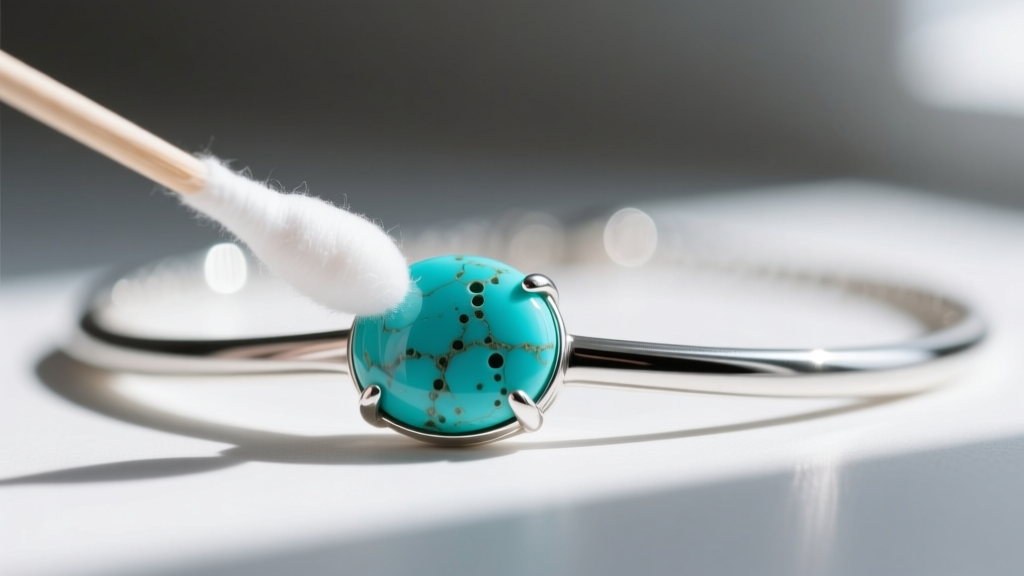
The most critical mistake consumers make when using a tarnish remover for jewelry is ignoring the gemstones. The Gemological Institute of America (GIA) strictly warns against submerging porous or treated gemstones in any chemical solution.
High-Risk vs. Low-Risk Gemstones
Turquoise, pearls, opals, lapis lazuli, and malachite are highly porous or chemically sensitive. A liquid silver dip will seep into the microscopic pores of a turquoise cabochon, permanently altering its color and destroying its natural matrix. Pearls, being organic calcium carbonate, will literally dissolve in the acidic solutions used for copper and brass. Conversely, diamonds and corundum (ruby and sapphire) are highly resistant to chemical dips and can safely be submerged, provided the metal setting is secure and the stones have not been fracture-filled.
Safe Cleaning Protocol for Set Jewelry
If your sterling silver ring features a turquoise or pearl, you must use a targeted, dry application method. Use a treated polishing cloth to carefully wipe the metal bands, or use a wooden toothpick to gently scrape tarnish out of the crevices right next to the stone's bezel. Never let a liquid chemical or abrasive paste touch the gemstone.
Long-Term Preventative Storage and Care
The most effective tarnish remover for jewelry is the one you never have to use. Tarnish is an environmental reaction, meaning you can halt it by controlling the jewelry's microclimate.
- Anti-Tarnish Strips: 3M anti-tarnish strips absorb airborne sulfur compounds before they can react with your silver. Place one strip in an airtight ziplock bag with your jewelry. These strips typically last 6 to 12 months depending on the ambient pollution levels.
- Silica Gel Packets: Moisture accelerates all oxidation reactions. Tossing a few silica gel packets into your jewelry box keeps the relative humidity low, drastically slowing down the formation of copper oxide and silver sulfide.
- Chalk and Activated Charcoal: For large jewelry armoires or display cases where ziplock bags are not practical, a small muslin bag filled with activated charcoal or standard blackboard chalk acts as a highly effective, low-cost desiccant and sulfur absorber.
By matching the specific chemical properties of your tarnish remover to the exact metallurgical composition of your jewelry, you ensure that your pieces remain brilliant, structurally sound, and safe for generations of wear.


