The Best Tarnished Jewelry Cleaner for Silver & Copper
Discover the best tarnished jewelry cleaner for silver and copper. Learn chemical vs. mechanical methods and safe cleaning for mixed-metal pieces.

The Chemistry of Tarnish: Why Silver and Copper React
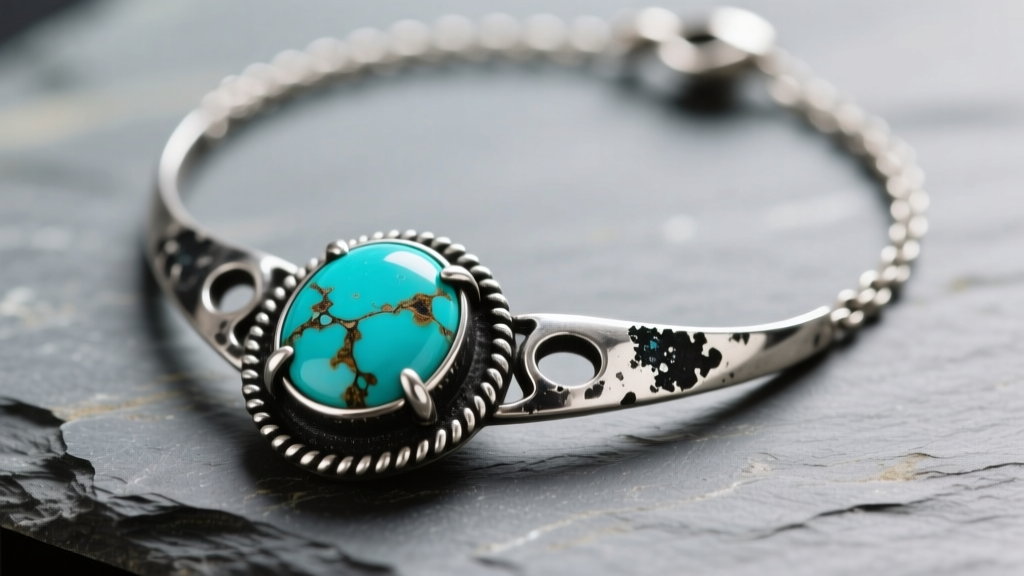
When you search for a tarnished jewelry cleaner, you are actually looking for a chemical or mechanical solution to reverse oxidation and sulfidation. Tarnish is not merely surface dirt; it is a fundamental chemical alteration of the metal's outermost atomic layers. Sterling silver (92.5% silver, 7.5% copper) primarily tarnishes due to a reaction with hydrogen sulfide ($H_2S$) in the atmosphere, forming silver sulfide ($Ag_2S$), which presents as a yellow, brown, or black film. Copper, on the other hand, reacts with oxygen and moisture to form copper oxide ($CuO$) and eventually copper carbonate, known as verdigris.
Understanding this chemistry is critical because the wrong tarnished jewelry cleaner can permanently damage the metal's crystalline structure or destroy delicate gemstone inclusions. According to The Silver Institute, improper use of abrasive cleaners can strip away the fine silver layer on sterling pieces, exposing the copper alloy beneath and accelerating future tarnishing.
"Tarnish is not dirt; it is a chemical alteration of the metal's surface layer. Removing it requires either reversing the chemical bond or physically stripping the altered layer."
Chemical Dips vs. Mechanical Polishing: Which Method Wins?
Not all tarnished jewelry cleaners are created equal. The market is flooded with liquid dips, ultrasonic solutions, and abrasive pastes. Choosing the right one depends entirely on the severity of the oxidation and the presence of gemstones. Below is a comparative breakdown of the three primary cleaning methodologies used by professional bench jewelers.
| Method | Active Agent | Mechanism | Best For | Risk Level |
|---|---|---|---|---|
| Commercial Dip | Thiourea | Chemical reduction | Heavy silver tarnish | High (strips patina) |
| Foil Bath | Sodium Bicarbonate + Al | Galvanic ion exchange | Silver chains & filigree | Low (safe for most gems) |
| Polishing Paste | Calcium Carbonate | Mechanical abrasion | Copper, Brass & Bronze | Medium (micro-scratches) |
The Hidden Dangers of Thiourea-Based Dips
Most commercial liquid tarnished jewelry cleaners rely on thiourea, an organosulfur compound that rapidly dissolves silver sulfide. While it works in seconds, thiourea is highly toxic, a known carcinogen in concentrated forms, and it strips away all oxidation—including the intentional antiquing (patina) used to highlight engraved details. Furthermore, these dips often leave a microscopic porous surface on the silver, making the piece tarnish much faster the next time it is exposed to air.
The Aluminum Foil and Baking Soda Method: A Step-by-Step Breakdown
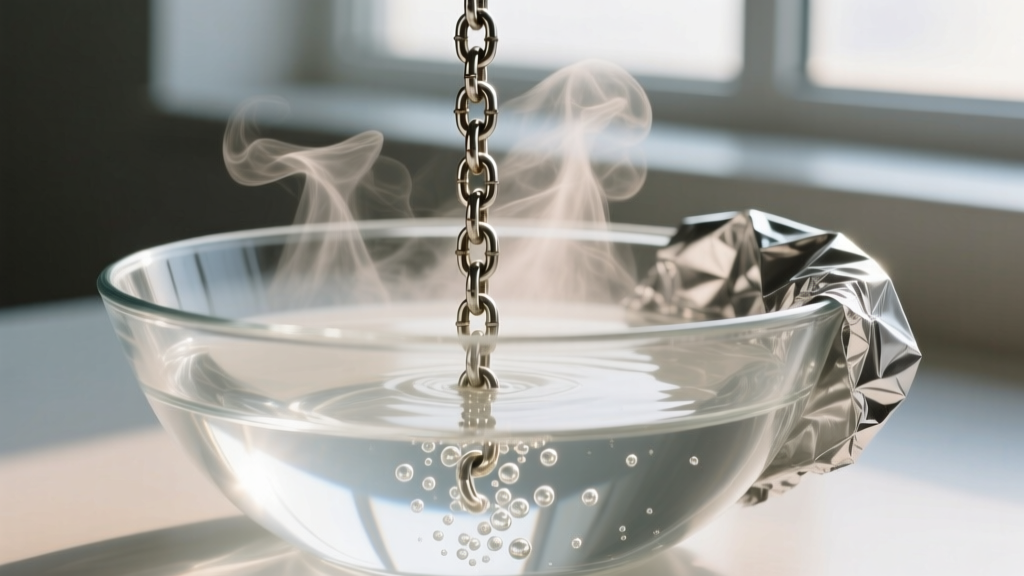
For sterling silver chains, filigree work, and pieces with complex geometries where polishing cloths cannot reach, a galvanic ion exchange bath is the safest and most effective tarnished jewelry cleaner you can make at home. This method uses electrochemistry to convert silver sulfide back into pure silver without removing any of the base metal.
Exact Protocol for the Ion Exchange Bath
- Preparation: Line a glass or ceramic bowl (never use a metal bowl, which will disrupt the galvanic reaction) with heavy-duty aluminum foil, shiny side up.
- Chemical Ratio: Add 1 tablespoon of baking soda (sodium bicarbonate) and 1 tablespoon of non-iodized salt per cup of water. The salt acts as an electrolyte to facilitate ion transfer.
- Temperature Control: Pour boiling water (approx. 190°F or 88°C) into the bowl. The heat accelerates the chemical reaction. Do not use a rolling boil directly on the metal, as thermal shock can fracture certain gemstones.
- The Reaction: Submerge the silver piece so it physically touches the aluminum foil. You will see bubbles and smell a faint rotten egg odor (hydrogen sulfide gas releasing). Leave it for 3 to 5 minutes.
- Rinsing: Remove with wooden tongs, rinse thoroughly under warm distilled water, and dry immediately with a microfiber cloth to prevent water spots.
Commercial Tarnished Jewelry Cleaners: What to Look For
If you prefer a commercial tarnished jewelry cleaner over DIY methods, you must read the Safety Data Sheet (SDS) or ingredient list. Avoid any cleaner containing ammonia when dealing with copper or brass, as ammonia reacts with copper to form a deep blue complex that can permanently etch the surface. Instead, look for cleaners utilizing mild surfactants combined with chelating agents like EDTA, which bind to metal ions without aggressively stripping the surface.
For copper and brass jewelry, mechanical cleaning remains superior. A high-quality jeweler's rouge (iron oxide) applied with a felt wheel, or a calcium carbonate-based paste applied with a soft cloth, will remove copper oxide while leaving a protective burnished layer that slows future oxidation.
Gemstone Safety: When Tarnish Removers Destroy Porous Stones
The most critical mistake consumers make when using a tarnished jewelry cleaner is ignoring the gemstones set in the metal. According to the Gemological Institute of America (GIA), porous and hydrated gemstones can be irreversibly damaged by both chemical dips and the heat required for ion exchange baths.
The Gemstone Vulnerability Matrix
- Turquoise (Mohs 5-6): Highly porous. Chemical dips will stain the stone brown or green. Heat will cause the natural water content to evaporate, leading to cracking and color fading.
- Opal (Mohs 5.5-6.5): Contains up to 20% water. Submerging opals in hot baking soda baths or harsh chemicals will cause "crazing" (a network of fine internal fractures).
- Pearls (Mohs 2.5-4.5): Composed of calcium carbonate. Any acidic or highly alkaline tarnished jewelry cleaner will dissolve the nacre, destroying the pearl's luster permanently.
- Lapis Lazuli (Mohs 5-6): Often contains calcite and pyrite inclusions. Chemical baths can dissolve the calcite matrix, causing the stone to crumble.
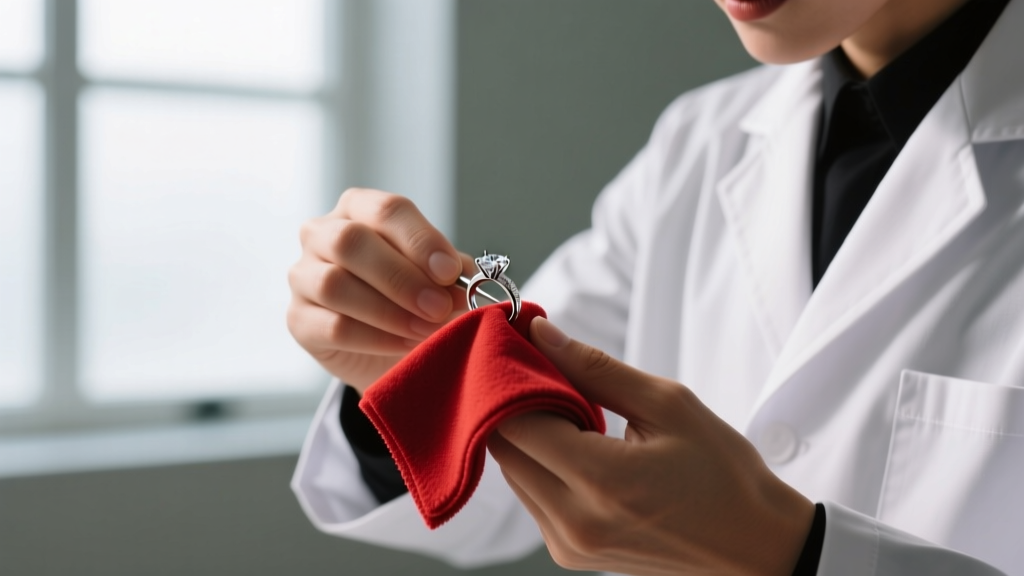
Pro-Tip: If your silver piece features any of the above stones, the only safe tarnished jewelry cleaner is a dry, treated silver polishing cloth (such as a Sunshine Cloth). Carefully work the cloth around the bezel settings using a wooden toothpick to push the fabric into tight crevices without touching the stone.
Post-Cleaning Passivation: Sealing the Metal
Cleaning is only half the battle. Once you have used a tarnished jewelry cleaner to strip the oxidation, the bare metal is highly reactive and will begin tarnishing again within hours if exposed to ambient humidity and sulfur compounds. Professional jewelers use a process called passivation to seal the metal.
For high-wear items like rings and bracelets, a microcrystalline wax (such as Renaissance Wax, originally developed by the British Museum for conservation) provides an invisible, hard barrier against moisture and gases. Apply a microscopically thin layer with a lint-free cloth, let it dry for 10 minutes, and buff it to a gentle sheen. For long-term storage, place the cleaned jewelry in an airtight polyethylene bag alongside 3M anti-tarnish strips, which absorb airborne sulfides. Ensure the storage environment maintains a relative humidity (RH) below 50%, as moisture acts as a catalyst for both silver and copper oxidation.


