Using Vinegar to Clean Jewelry: A Safe Beginner's Guide
Learn the science of using vinegar to clean jewelry safely. Discover which metals shine, which gems ruin, and exact DIY soaking times.

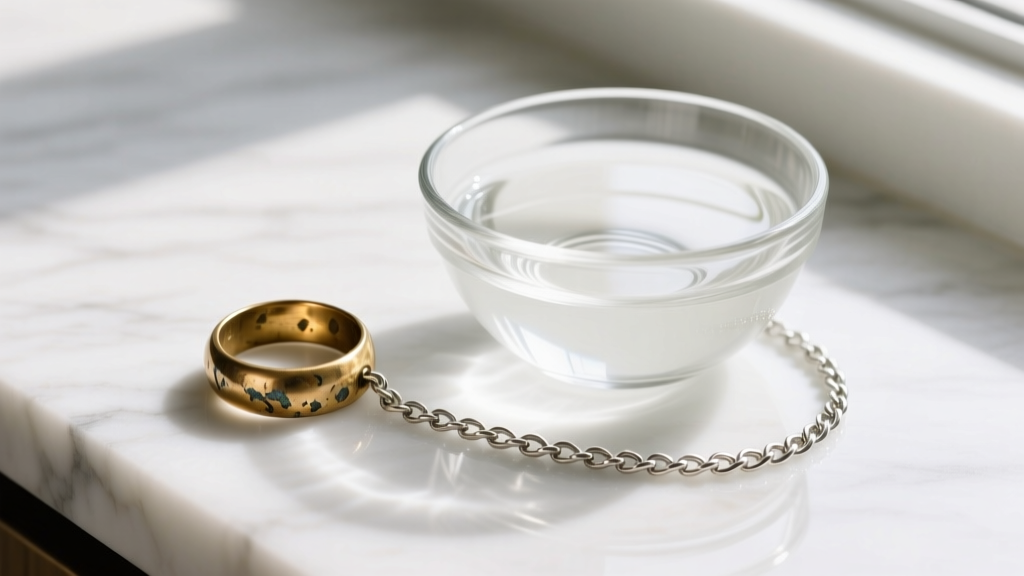
When it comes to DIY jewelry maintenance, the kitchen pantry often holds the most effective solutions. However, using vinegar to clean jewelry is a topic surrounded by conflicting advice, dangerous myths, and half-truths that can lead to irreversible damage. As a beginner, it is crucial to understand that vinegar is not a universal cure-all; it is a mild acid that requires precise application based on metallurgical and gemological properties.
In this comprehensive guide, we will break down the exact chemistry of acetic acid, identify which alloys benefit from a vinegar bath, and outline the specific materials that will be permanently ruined by this common household staple. Whether you are trying to restore a vintage brass cuff or remove oxidation from a sterling silver chain, this framework will ensure your pieces remain pristine.
The Chemistry: Why Acetic Acid Works (And When It Fails)
To understand why vinegar works, we must look at its active ingredient: acetic acid (CH3COOH). Standard household white vinegar typically contains a 5% concentration of acetic acid, while commercial 'cleaning vinegar' can reach 6% to 8%. For jewelry care, you should strictly adhere to standard 5% white vinegar. The higher acidity of cleaning vinegar can accelerate micro-pitting in softer copper alloys and strip delicate patinas.
Tarnish on metals like copper and brass is primarily composed of copper oxide (CuO) and copper carbonate. Acetic acid acts as a chelating agent, reacting with these oxidized layers to dissolve them, revealing the raw, unoxidized metal beneath. However, this chemical reaction is entirely dependent on the base metal's reactivity. While it effortlessly strips oxidation from brass, it lacks the chemical mechanism to dissolve silver sulfide (the black tarnish on sterling silver) without the introduction of a secondary catalyst, which we will cover later.
Metals That Benefit From a Vinegar Soak
Not all metals are created equal. When using vinegar to clean jewelry, you must first verify the exact material composition of your piece. The following metals respond exceptionally well to a mild acetic acid bath:
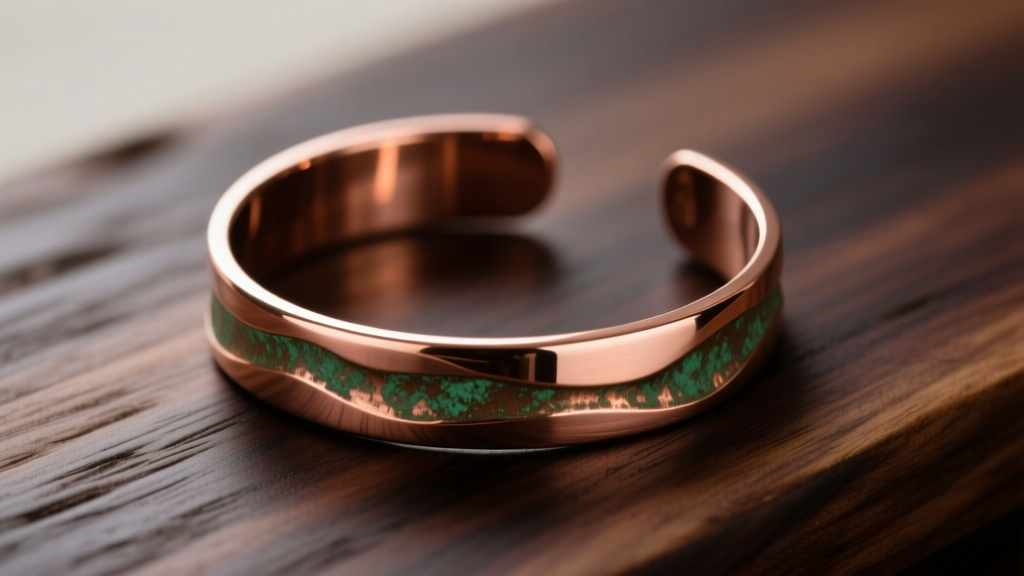
- Solid Copper: Copper oxidizes rapidly, developing a brown or green patina. A 15-minute soak in a 50/50 mixture of white vinegar and distilled water will strip this oxidation. For heavy tarnish, adding a tablespoon of non-iodized salt creates a mild hydrochloric acid solution that accelerates the cleaning process.
- Solid Brass and Bronze: These copper alloys respond similarly to pure copper. Soak brass jewelry for 20 to 30 minutes. If the piece has intricate filigree, use a soft-bristled baby toothbrush (never a standard adult toothbrush, as the stiffer nylon bristles can leave micro-scratches on brass, which ranks relatively low on the Mohs hardness scale).
- Stainless Steel (316L Grade): While stainless steel rarely tarnishes, it can accumulate stubborn skin oils and environmental grime. A quick 5-minute vinegar wipe-down safely cuts through sebum without compromising the chromium oxide layer that protects the steel from rust.
The Danger Zone: Materials Ruined by Acetic Acid
The most common mistake beginners make is assuming that if vinegar cleans metal, it must be safe for the gemstones set within that metal. This is a catastrophic error. Acetic acid actively dissolves calcium carbonate and attacks the porous structures of organic and opaque gems.
| Material | Vinegar Safety | Scientific Reason for Failure |
|---|---|---|
| Pearls (Natural & Cultured) | NEVER | Pearls are composed of calcium carbonate. Acetic acid will literally dissolve the nacre, leaving a pitted, chalky, and ruined surface. |
| Turquoise & Malachite | NEVER | These are highly porous, soft stones (Mohs 3-5). The acid will penetrate the pores, altering the stone's chemical structure and causing permanent color bleaching. |
| Opals | NEVER | Opals contain up to 20% water. Acidic solutions can disrupt their internal silica structure, leading to 'crazing' (internal cracking) and loss of fire. |
| Gold Vermeil / Plated | AVOID | Vermeil consists of a 2.5-micron layer of gold over sterling silver. Vinegar can cause micro-pitting in the silver base, compromising the gold layer's adhesion and causing premature flaking. |
For authoritative guidance on organic gems, the Gemological Institute of America (GIA) strictly advises against using any acidic or ultrasonic cleaners on pearls, recommending only a soft, damp cloth for maintenance.
The Electrochemical Silver Bath: A Step-by-Step Framework
As mentioned earlier, vinegar alone will not remove black silver sulfide tarnish from sterling silver. However, by combining vinegar with aluminum foil and salt, you create a galvanic cell that triggers an electrochemical redox reaction. This is the safest, most effective way to clean heavily tarnished silver chains without abrasive polishing.
The Redox Reaction: Aluminum has a higher oxidation potential than silver. When submerged in an electrolyte solution (vinegar and salt), the aluminum pulls the sulfur atoms away from the silver sulfide, transferring the tarnish onto the foil and leaving pure silver behind.
The Exact Protocol:
- Line a glass or ceramic bowl with aluminum foil, shiny side facing up.
- Place your sterling silver jewelry directly onto the foil. Ensure the metal is physically touching the aluminum.
- Boil one cup of distilled water and pour it into the bowl.
- Add 1 tablespoon of non-iodized salt and 1/2 cup of standard 5% white vinegar.
- Let the jewelry soak for exactly 5 to 10 minutes. You will smell a distinct sulfur (rotten egg) odor as the silver sulfide breaks down.
- Remove with wooden or plastic tongs (never metal, as it will disrupt the electrical current).
For more advanced silver maintenance protocols, the Silver Institute provides excellent resources on preserving the luster of sterling alloys after chemical cleaning.
Common Beginner Mistakes to Avoid
Even when working with safe metals, improper technique can lead to subpar results. Avoid these three frequent pitfalls:
1. Using Apple Cider or Red Wine Vinegar: These vinegars contain natural sugars, tannins, and complex organic compounds. As the water evaporates, these compounds leave behind a sticky, difficult-to-remove residue that traps dirt and accelerates future tarnishing. Always use distilled white vinegar.
2. Skipping the Rinse: Leaving residual acetic acid on the surface of copper or brass will cause rapid 'flash oxidation.' The metal will turn brown again within hours. You must thoroughly rinse the piece under lukewarm running water immediately after the soak.
3. Air Drying: Water spots are the enemy of a high-polish finish. Never let your jewelry air dry. Use a lint-free microfiber cloth or a dedicated jewelry polishing cloth to buff the piece dry immediately after rinsing.
Neutralization and Long-Term Storage
The final, often overlooked step in using vinegar to clean jewelry is acid neutralization. Even after rinsing, microscopic traces of acetic acid can remain in the crevices of chain links or prong settings. Over time, this residual acid will degrade the metal.
To neutralize the piece, create a simple alkaline bath by dissolving one tablespoon of baking soda (sodium bicarbonate) in a cup of lukewarm water. Submerge your freshly cleaned and rinsed jewelry for 60 seconds. The baking soda will instantly neutralize any lingering acid. Rinse one final time with distilled water, dry thoroughly with a microfiber cloth, and store in an airtight anti-tarnish bag with a 3M anti-tarnish strip to lock in the shine.
By respecting the chemistry of your materials and adhering to these precise protocols, you can safely harness the power of vinegar to keep your favorite copper, brass, and sterling silver pieces looking showroom-ready.