What Jewelry Doesn't Tarnish? Guide to Tarnish-Free Metals & Care
Discover what jewelry doesn't tarnish, from platinum to 316L steel. Learn the science of oxidation and step-by-step cleaning routines.

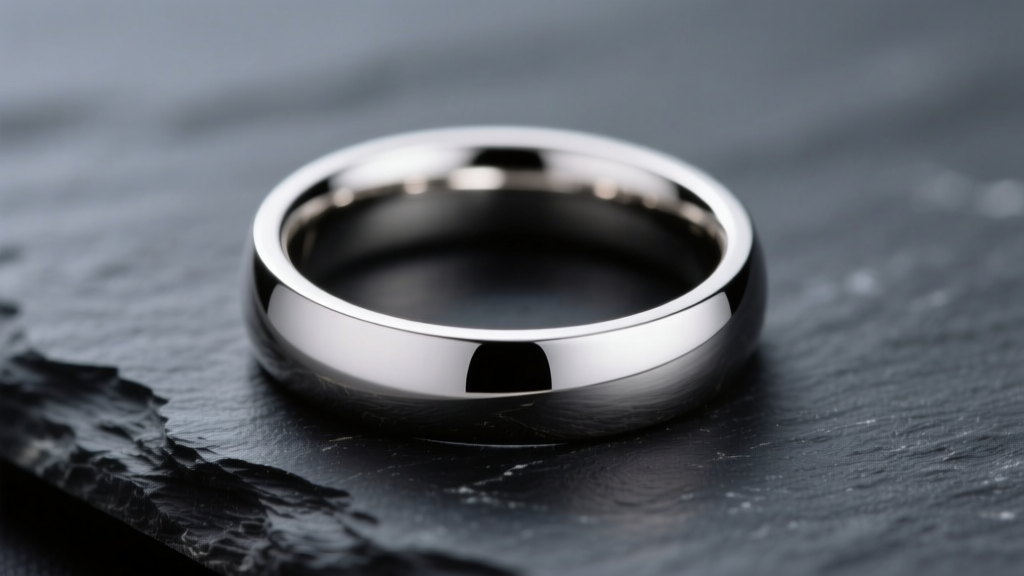
There is nothing more frustrating than pulling a favorite ring or necklace out of your jewelry box, only to find it coated in a dull, dark film. Tarnish is the enemy of brilliance, but it is not an unavoidable fact of jewelry ownership. When shoppers ask what jewelry doesn't tarnish, they are usually looking for a definitive list of metals that will stay bright with minimal effort. However, the reality of metallurgy is slightly more complex than a simple 'yes' or 'no' list.
Understanding which metals resist chemical reactions—and how to properly clean the ones that accumulate daily grime—is essential for building a low-maintenance, lifelong jewelry collection. In this comprehensive guide, we break down the chemistry of tarnish, rank the most resilient metals on the market, and provide a step-by-step cleaning protocol to keep your non-tarnishing pieces looking pristine.
The Chemistry of Tarnish: Why Metals React
To understand what jewelry doesn't tarnish, we first need to understand what tarnish actually is. Tarnish is a chemical reaction that occurs on the surface of a metal when it is exposed to certain environmental elements. It is a thin layer of corrosion that forms a dull, often dark, coating.
- Silver Sulfide (Ag2S): Sterling silver reacts with hydrogen sulfide in the air (and in foods like eggs or onions) to form a blackened layer.
- Copper Oxide/Carbonate: Metals alloyed with copper (like brass, bronze, or lower-karat gold) react with oxygen and moisture, creating a greenish or brownish patina known as verdigris.
Precious metals like pure gold and platinum are 'noble metals,' meaning they are highly resistant to oxidation and chemical corrosion. However, because pure gold is too soft for daily wear, it is alloyed with other metals, which introduces the potential for tarnish.
What Jewelry Doesn't Tarnish? The Definitive Metal Tier List
Below is a metallurgical breakdown of the most common jewelry metals, ranked by their immunity to tarnish and their physical durability. According to the Gemological Institute of America (GIA), understanding alloy composition is the key to predicting how a metal will age.
| Metal Type | Standard Composition | Tarnish Resistance | Mohs Hardness | Maintenance Level |
|---|---|---|---|---|
| Platinum (Pt950) | 95% Platinum, 5% Ruthenium/Iridium | Immune | 4 - 4.5 | Low (Develops a patina) |
| Titanium (Grade 23) | Ti-6Al-4V (Aerospace Grade) | Immune | 6 | Very Low |
| Tungsten Carbide | Tungsten + Carbon/Nickel binder | Immune | 9 | None (Cannot be polished) |
| 316L Surgical Steel | Iron, Chromium, Nickel, Molybdenum | Highly Resistant | 5.5 | Low |
| Solid Gold (18k+) | 75%+ Gold, Silver/Copper alloys | Highly Resistant | 2.5 - 3 | Low |
| Solid Gold (10k-14k) | 41%-58% Gold, High Copper/Zinc | Moderate (Can tarnish) | 3.5 - 4 | Medium |
Step-by-Step: How to Buy Truly Tarnish-Free Jewelry
Knowing what jewelry doesn't tarnish is only half the battle; the other half is avoiding deceptive marketing traps when shopping. Follow these steps to ensure your purchase will stand the test of time.
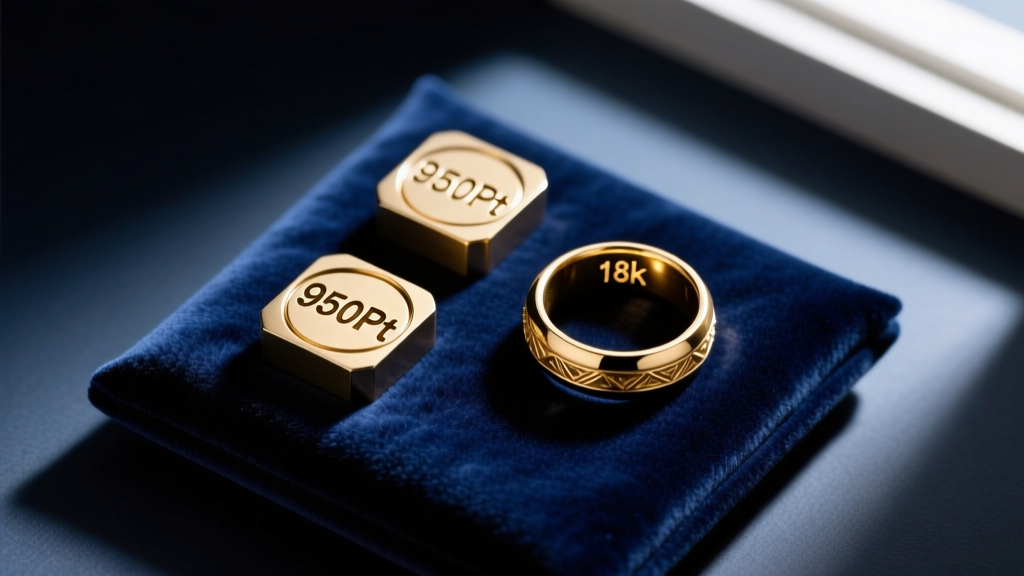
Step 1: Verify the Purity Stamps
Always look for the hallmark stamped on the inside of the band or the clasp of the necklace. For platinum, look for Pt950 or Plat. For gold, 18k or 750 ensures a high enough gold content to prevent the copper alloys from oxidizing. Avoid unmarked pieces, which are often base metals coated in a microscopic layer of precious metal.
Step 2: Beware of the White Gold Trap
Many consumers mistakenly believe white gold is a naturally occurring, tarnish-proof metal. In reality, white gold is an alloy of yellow gold and white metals (like nickel or palladium), which naturally has a faint yellowish-gray hue. To make it bright white, it is plated with Rhodium. When the rhodium wears off (usually within 1 to 3 years), the underlying alloy is exposed and can tarnish or appear yellow. If you want a white metal that never requires replating and never tarnishes, choose Platinum or Palladium instead.
Expert Tip: If you are buying jewelry for someone with sensitive skin or a nickel allergy, always opt for Grade 23 Titanium or Pt950 Platinum. 316L steel contains trace amounts of nickel that can cause reactions in highly sensitive individuals.
How to Clean Non-Tarnishing Metals (Step-by-Step)
A common misconception is that non-tarnishing metals never need cleaning. While platinum and titanium will not oxidize, they are highly susceptible to accumulating sebum, dead skin cells, lotion, and cosmetic powders. This buildup creates a dull, cloudy film that mimics tarnish. Here is the professional step-by-step method to restore their brilliance, aligned with guidelines from Jewelers of America.
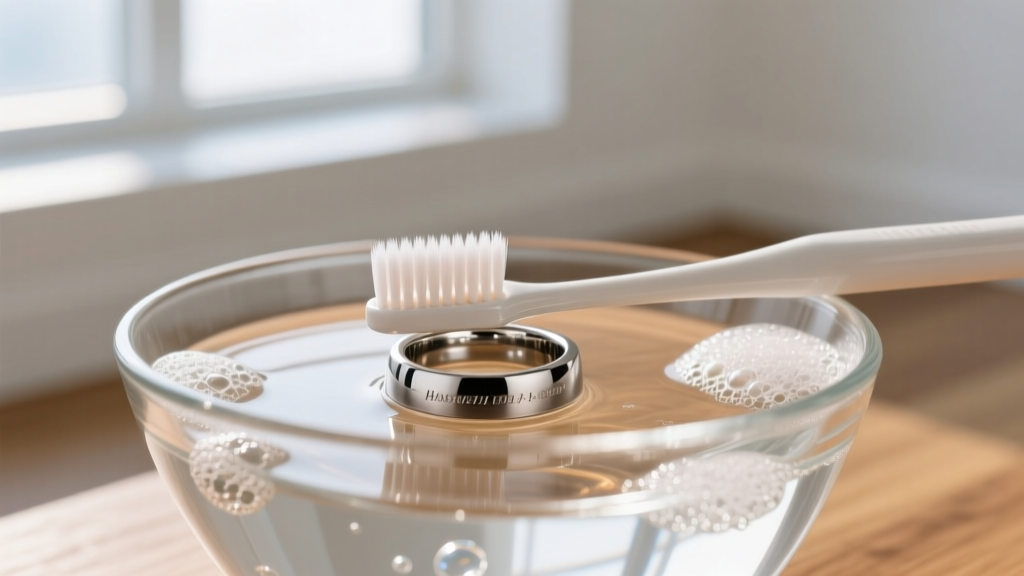
- The Soak (5 Minutes): Fill a small glass bowl with warm (not hot) water and add three drops of a mild, phosphate-free dish soap (like Dawn). The surfactants in the soap will break down the lipid bonds of skin oils. Submerge your jewelry and let it soak for exactly five minutes.
- The Agitation: Using a brand-new, ultra-soft baby toothbrush, gently brush the jewelry. Pay special attention to the underside of gemstone settings and the interior of the band, where lotion and skin cells accumulate. Never use medium or hard bristles, as they can leave micro-scratches on high-polish platinum and gold.
- The Rinse: Rinse the piece under a gentle stream of lukewarm water. Critical: Always place a mesh strainer or a towel over the drain before rinsing to prevent catastrophic loss.
- The Dry: Pat the jewelry dry with a lint-free microfiber cloth. Avoid paper towels or tissues, as the wood fibers can cause microscopic abrasions on softer metals like 18k gold.
Maintaining the 'Non-Tarnish' Metals
Even though these metals do not chemically react with the air, they have unique physical properties that require specific care frameworks.
- Platinum's Patina: Platinum does not tarnish, but it is a malleable metal. Over time, microscopic scratches on the surface will create a matte, frosted look known as a 'patina.' This is not damage; it is a desired characteristic of vintage platinum. If you prefer a high-polish mirror finish, you must take it to a jeweler for professional polishing once a year.
- Tungsten's Brittleness: Tungsten carbide is virtually scratch-proof and will never tarnish. However, it ranks a 9 on the Mohs scale, making it incredibly brittle. If dropped on a tile floor or subjected to extreme pressure, it will shatter like glass. Never store tungsten rings loosely in a bag where they can strike other jewelry.
- Titanium's Anodization: Titanium can be anodized to create vibrant colors (blues, purples, greens). While the metal won't tarnish, the anodized color layer can wear away over years of heavy friction. Clean anodized titanium strictly with mild soap; avoid ultrasonic cleaners, which can strip the color.
Metals That DO Tarnish (And How to Manage Them)
If you already own jewelry made from reactive metals, you don't need to throw it away. You just need a different care protocol.
Sterling Silver (925): Contains 7.5% copper, which causes it to tarnish rapidly in humid environments. Store silver in anti-tarnish cloth bags infused with silver nitrate, which absorbs ambient hydrogen sulfide. For heavy tarnish, use a chemical dip or a professional electrochemical cleaning bath, but avoid baking soda and aluminum foil DIY hacks, which can cause micro-pitting on the silver surface over time.
Brass and Copper: These base metals oxidize quickly and leave a green residue on the skin. To prevent this, apply a thin coat of clear nail polish or a specialized jewelry guard wax to the inside of the band. This creates a physical barrier between the copper and your skin's moisture.
Expert Maintenance Checklist
To ensure your jewelry collection remains pristine, integrate these habits into your routine:
- The 'Last On, First Off' Rule: Always put your jewelry on after applying perfumes, hairsprays, and lotions, and take it off first when you get home. The alcohol and chemicals in cosmetics can degrade alloys and dull gemstones.
- Monthly Ultrasonic Check: For non-porous metals (Platinum, Titanium, Steel) set with hard stones (Diamonds, Sapphires), a monthly 3-minute cycle in an ultrasonic cleaner will dislodge trapped grime. Never use ultrasonics for emeralds, opals, pearls, or plated jewelry.
- Annual Prong Inspection: Tarnish-free metals like platinum and titanium are incredibly strong, making them the best choices for securing expensive diamonds. Have a jeweler check the prongs with a loupe every 12 months to ensure the metal hasn't shifted.
By understanding the metallurgical facts behind what jewelry doesn't tarnish, you can curate a collection that requires minimal maintenance while maximizing lifelong brilliance. Invest in noble metals, clean away the daily sebum, and your jewelry will outlast the trends.


