Essential Cleaning & Care for Beach Glass Jewelry Making
Learn essential cleaning and care techniques for your creations. Discover how to maintain wire wraps, protect sea glass, and prevent tarnish.

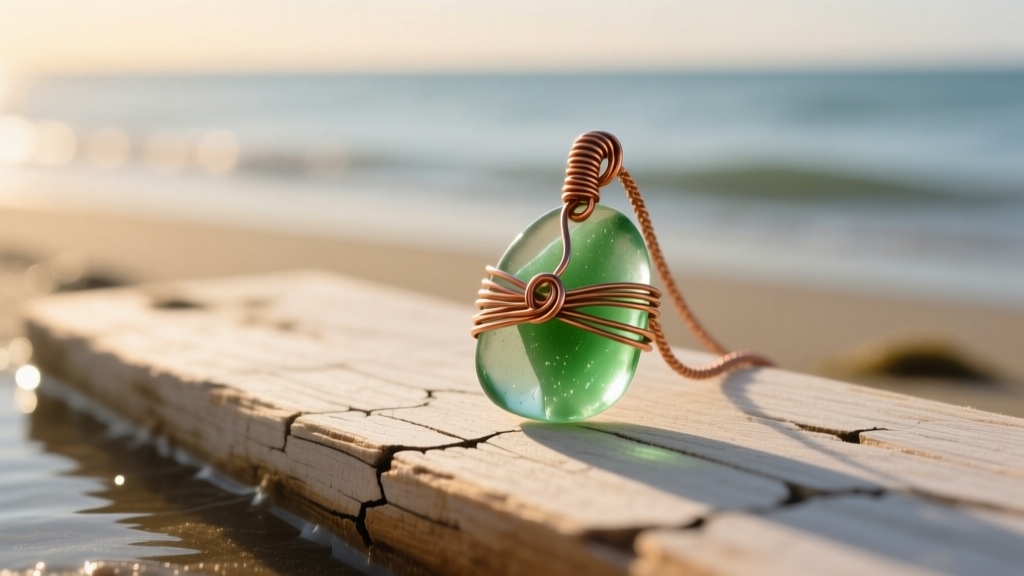
Beach glass jewelry making is a deeply rewarding craft that merges the raw beauty of nature with meticulous metalwork. However, the maintenance and care phase is where many artisans and collectors inadvertently damage their pieces. Unlike faceted gemstones or polished cabochons, sea glass possesses a unique, delicate surface that requires a highly specialized approach to cleaning and preservation. Whether you are working with 20-gauge sterling silver wire wraps or bezel-set brass pendants, understanding the material science behind your components is critical for long-term durability.
The Chemistry of Beach Glass: Why Standard Cleaners Fail
To properly care for your creations, you must first understand what beach glass actually is. Most sea glass originates from soda-lime glass, which undergoes a decades-long weathering process in the ocean. The signature frosted patina is not a surface coating; it is a network of microscopic pits caused by the leaching of alkali ions (sodium and calcium) when exposed to the slightly alkaline environment of seawater. According to material conservation guidelines referenced by the North American Sea Glass Association, this pitted surface acts like a microscopic sponge, trapping oils, dirt, and chemical residues.
Because of this porous topography, standard jewelry cleaning methods are highly destructive. Ultrasonic cleaners, which rely on high-frequency cavitation, can force dirt deeper into the micro-fissures or, worse, exploit internal stress fractures and shatter the glass entirely. Similarly, harsh commercial silver dips containing ammonia or thiourea will strip the delicate frosted layers, leaving the glass looking cloudy, chalky, and permanently damaged.
Step-by-Step Cleaning Protocol for Finished Pieces
When your beach glass jewelry making projects accumulate skin oils, lotion, or environmental dust, a gentle, manual cleaning protocol is mandatory. Follow this exact sequence to restore the glass and metal without compromising the structural integrity of your wire wraps.
1. Dry Dusting and Preparation
Never apply liquid directly to a dusty piece. The microscopic glass pits will turn dust into an abrasive mud. Use a can of compressed air or a clean, dry, ultra-soft makeup brush to gently sweep away loose particulate matter from the crevices of your wire weave and the surface of the glass.
2. The Mild Surfactant Soak
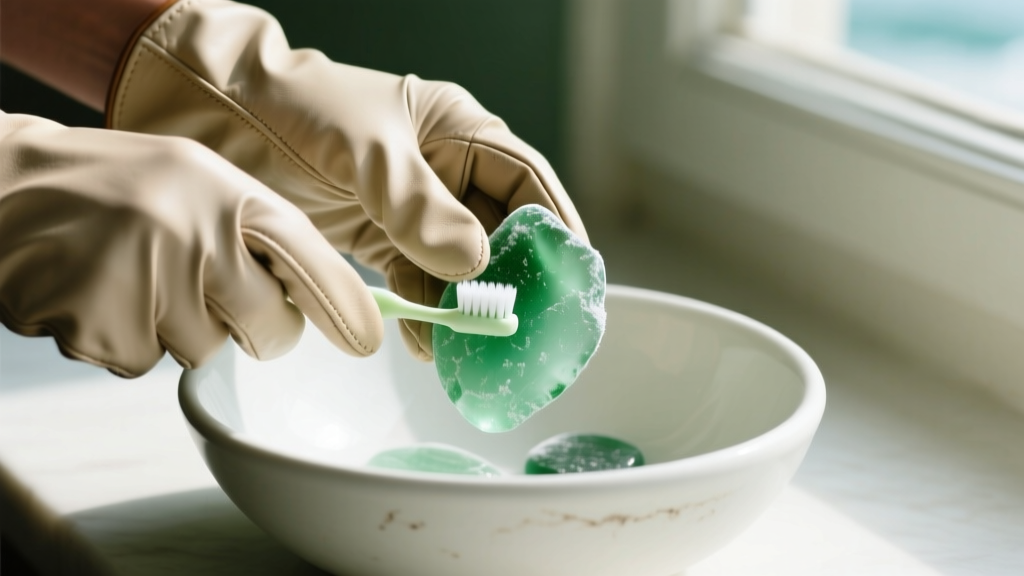
Fill a small ceramic bowl with distilled water. Tap water contains dissolved minerals like calcium and magnesium that will leave hard water spots inside the glass pits upon evaporation. Add a single drop of pH-neutral, fragrance-free dish surfactant (such as original Dawn). Submerge the jewelry and let it soak for no more than three to five minutes.
3. Targeted Agitation
Using a soft-bristled baby toothbrush, gently agitate the metal wire and the glass surface. Do not scrub aggressively. Use a circular motion to lift oils from the glass and a back-and-forth motion to clean the underside of your 24-gauge or 26-gauge decorative wire weaves.
4. The Distilled Rinse and Drying
Rinse the piece thoroughly under a slow stream of distilled water. Pat dry with a lint-free microfiber cloth. To ensure no moisture remains trapped under tight wire wraps (which can accelerate metal oxidation), use a hairdryer on the 'cool' setting to blow out hidden water droplets.
Maintaining Wire Wraps and Bezels Around Sea Glass
The metal components of your jewelry require a completely different maintenance strategy than the glass. Tarnish, specifically silver sulfide on sterling silver or copper oxide on bare copper wire, is inevitable. The challenge lies in removing this tarnish without applying polishing compounds to the beach glass.
For sterling silver and Argentium silver wire wraps, avoid liquid polishes entirely. Instead, use a treated jeweler's polishing cloth. Fold the cloth to create a sharp edge, allowing you to carefully buff the metal wire while avoiding contact with the glass. If you are working with intricate 28-gauge weaving wire that a cloth cannot reach, use a wooden toothpick wrapped in a tiny piece of the polishing cloth to navigate the tight spaces.
For copper and brass wire wraps, oxidation can be managed using a micro-crystalline wax. Products like Renaissance Wax are industry standards for metal preservation. Apply a minuscule amount to a cotton swab, coat the metal wire, and let it cure for 10 minutes before gently buffing it with a clean cloth. This creates an invisible barrier against skin acidity and humidity, drastically slowing the tarnishing process while leaving the adjacent sea glass completely untouched.
Storage and Environmental Protection
Proper storage is the final pillar of jewelry maintenance. Beach glass is remarkably stable, but the metal wire wraps and certain rare glass colors are highly susceptible to environmental degradation.
- UV Protection: Rare purple or amethyst sea glass gets its color from manganese dioxide in the original glass batch. Prolonged exposure to direct ultraviolet light can cause a photochemical reaction that alters or fades the color over time. Always store these specific pieces in opaque containers or dark drawers.
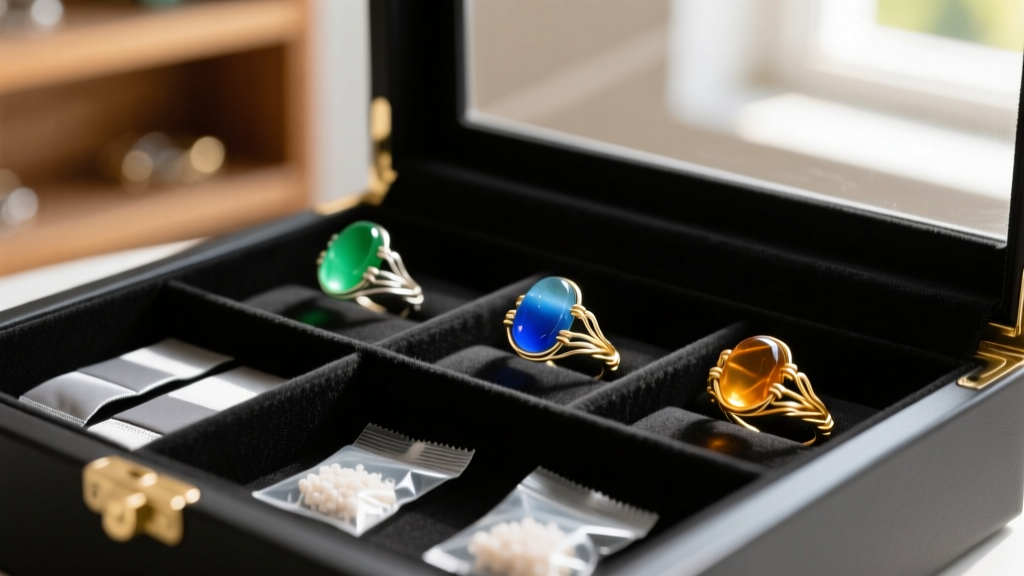
- Tarnish Prevention: Store your finished pieces in airtight polyethylene ziplock bags. Include a 3M anti-tarnish strip in each bag. These strips absorb sulfur compounds and hydrogen sulfide from the air, preventing the silver or copper wire from oxidizing. Replace the strips every six months.
- Humidity Control: If you live in a high-humidity coastal environment, add a small silica gel desiccant packet to your storage boxes. Moisture acts as a catalyst for both metal corrosion and the degradation of certain adhesives if you are using glue-in bails or bezel settings.
Troubleshooting Common Beach Glass Jewelry Failures
Even with meticulous care, artisans and wearers encounter specific issues. Below is a diagnostic framework for troubleshooting the most common failures in beach glass jewelry making, drawing on best practices from metalworking suppliers like Rio Grande.
| Issue | Root Cause | Actionable Solution |
|---|---|---|
| Glass feels greasy or looks dull | Sebum (skin oils) and lotions accumulating deep within the microscopic surface pits of the frosted glass. | Wipe the glass gently with a lint-free pad lightly dampened with 90% isopropyl alcohol. The alcohol cuts through the lipids and evaporates instantly without leaving water spots. |
| Structural wire wrap loosening or springing back | Using 'dead soft' wire for load-bearing structural wraps, leading to metal fatigue and loss of tension over time. | Always use 'half-hard' wire for the main structural frame (e.g., 20-gauge or 18-gauge). Reserve 'dead soft' wire exclusively for decorative, non-load-bearing weaving. |
| White, chalky crust forming on the glass | Mineral deposits from hard tap water left behind after rinsing, or residue from harsh commercial jewelry dips. | Soak the piece in a 50/50 mix of white vinegar and distilled water for exactly 5 minutes to dissolve the calcium carbonate, then rinse thoroughly with pure distilled water. |
| Wire turning the wearer's skin green | Oxidation of bare copper or brass wire reacting with the acidic pH of the wearer's sweat. | Seal the interior of the wire wrap with a jeweler's protective coating like ProtectaClear, or upgrade the base wire to Argentium sterling silver or niobium for hypoallergenic wear. |
Final Thoughts on Longevity
Mastering the care and maintenance of your pieces is just as important as the initial beach glass jewelry making process. By respecting the unique chemical structure of weathered soda-lime glass and employing targeted, non-abrasive cleaning techniques, you ensure that both the ocean's artistry and your metalwork endure for generations. Treat your materials with scientific precision, and your jewelry will remain as captivating as the day it was pulled from the tide.


